
 info@thoroughbredbhc.com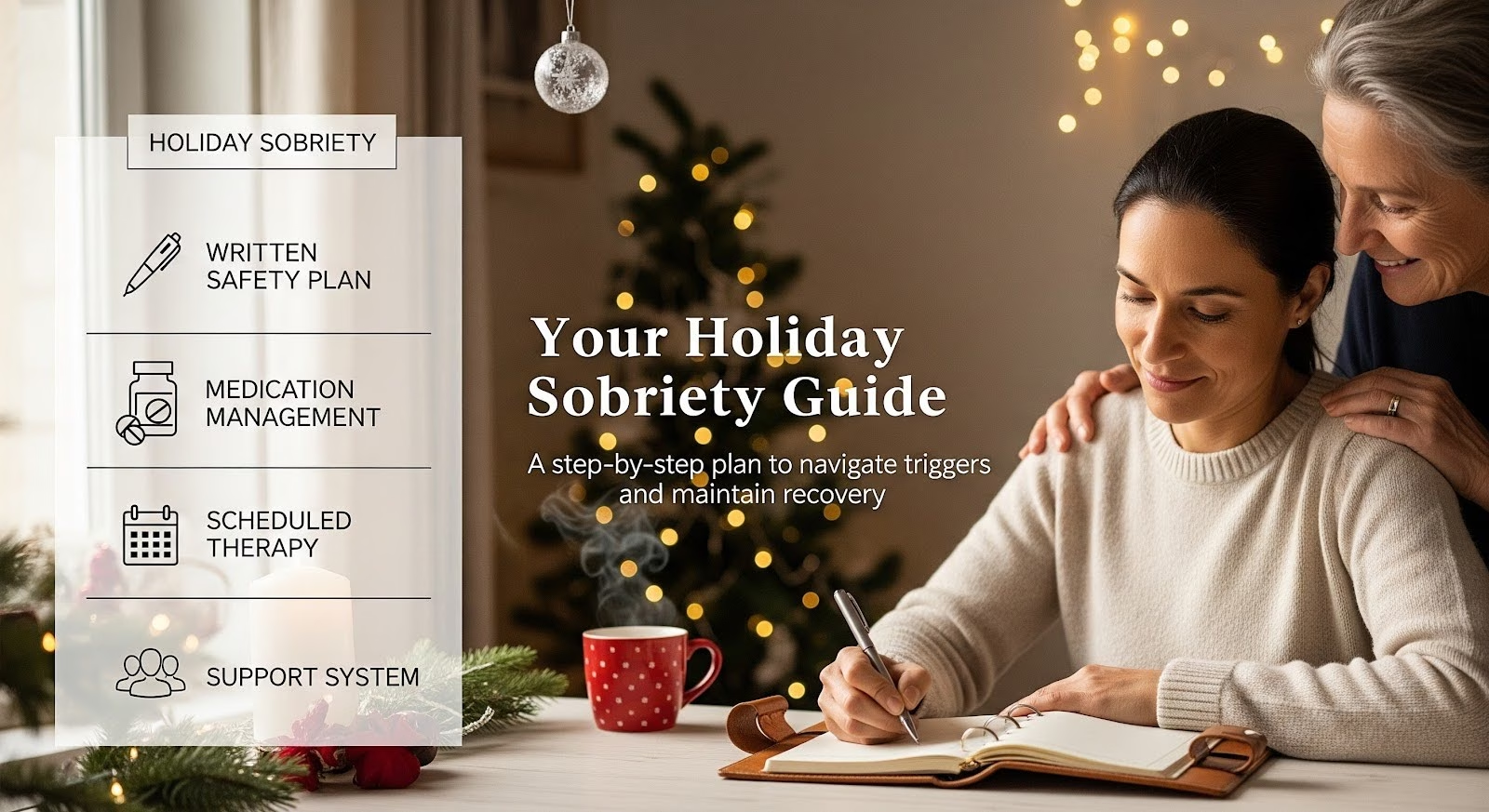
The holiday season often brings intense social pressure and disrupted routines that make maintaining recovery feel impossible. You can succeed at staying sober during the holidays by combining a written safety plan with proven tools like medication management and scheduled therapy check ins. This article provides a step by step blueprint to help you handle festive triggers with confidence while enjoying the season.
Why Staying Sober During the Holidays is Challenging?
The weeks between Thanksgiving and New Year’s Day present a unique set of risks for people in recovery. Research indicates that the risk of relapse reportedly more than doubles during this period compared to the rest of the year. This spike occurs because the season concentrates several high risk factors into a short window. You may face increased social pressure to drink at parties, disrupted sleep schedules from travel, and emotional triggers related to family dynamics or loneliness.
Understanding these risks is the first step toward managing them. The combination of alcohol centric events and the loss of daily structure can weaken your defenses. Evidence suggests that maintaining a routine and preparing for specific relapse risk factors can significantly improve your outcomes. By acknowledging that this time of year requires extra vigilance, you can move from a defensive posture to a proactive one.
Sobriety Tips for Holiday Season
The period between Thanksgiving and New Year’s is a predictable high risk season for people in recovery. Research indicates that relapse risk in the first year of recovery more than doubles during these weeks due to alcohol centric events and family conflict. You can protect your progress by using specific holiday sobriety tips that focus on planning and pre commitment.
Plan Your Attendance and Exit
Decide in advance which events you will attend and which ones you should skip. If an event centers heavily on alcohol, you might choose to decline the invitation. When you do attend, drive your own car or arrange a ride share so you can leave exactly when you want. Arriving early and leaving before the drinking peaks is a proven strategy to reduce exposure to high risk behavior.
Eat and Hydrate Before You Go
Hunger is a common biological trigger that can mimic cravings. Eat a balanced meal with protein before you arrive at a party. This stabilizes your blood sugar and mood. Once you are there, keep a non alcoholic beverage in your hand at all times. This stops people from offering you a drink and gives you something to hold during conversations.
Use Medication to Support Your Goals
For many people, willpower alone is not enough to manage the biological urges that arise during the holidays. Clinical guidelines support the use of APA practice guideline approved medications to reduce cravings. Options like naltrexone can lower heavy drinking days, while acamprosate helps maintain abstinence. A 2023 JAMA systematic review confirmed that these medications are effective tools for reducing alcohol consumption. Discussing a seasonal medication plan with your doctor can provide a safety net during this busy time.
Essential Holiday Sobriety Tips for Parties
Attending festive gatherings does not have to mean compromising your recovery. Practical holiday sobriety tips often center on pre commitment and environmental control. Before you attend any event, decide exactly how long you will stay and how you will get home. Driving yourself or using a rideshare app ensures you are never trapped in an uncomfortable situation. It is also helpful to eat a balanced meal before you arrive. Hunger is a biological state that can mimic cravings and lower your resistance to triggers.
Once you are at the event, keep a non alcoholic beverage in your hand at all times. This simple action stops people from offering you a drink and reduces the need to explain yourself repeatedly. If you feel overwhelmed, step outside for a few minutes to reset. You might also consider bringing a sober friend or “bookending” the event by calling a support person before you enter and after you leave. These strategies help you maintain sobriety at holiday parties without feeling isolated.
Holiday Sobriety Tips for Workplace Events
Office parties blend professional obligations with free alcohol, creating a unique set of risks. These events often feel mandatory, but your well being comes first.
Strategies for Office Parties
You can ask HR or your manager if attendance is truly required. If you must go, treat it like a work meeting. Arrive on time, greet key people, and have an exit plan. Bring a colleague who knows you are not drinking to act as an ally. If the culture is heavily focused on drinking, you might advocate for alcohol free holiday ideas like a lunch event or a volunteer activity instead.
Leadership and Inclusive Events
Leaders play a role in reducing risk. Companies should offer inclusive, alcohol free beverages and ensure that non drinking employees do not feel excluded. Clear policies against harassment and pressure to drink make the environment safer for everyone.

Handling Social Pressure to Drink at Work
Workplace events can be particularly tricky because professional obligations mix with alcohol centric culture. Handling social pressure to drink in these settings requires clear boundaries. You are not required to explain your recovery status to colleagues. Simple, firm refusal scripts are often the best defense. You might say you are driving, taking medication, or simply not drinking tonight.
If the environment feels unsafe, give yourself permission to arrive late and leave early. Leadership and HR experts note that alcohol at office parties increases the risk of boundary violations and exclusion. If you feel uncomfortable, remember that your well being comes first. You can also seek out other colleagues who are not drinking. Changing the subject to work projects or holiday plans is an effective way to deflect pressure and move the conversation forward.
Practical Scripts for Refusal and Boundaries
Having a ready response can reduce anxiety when you are offered alcohol. Practicing these scripts aloud can help them feel natural and confident when you need them.
- If offered a drink:
“No thank you, I’m good with this soda.”
This response is clear and polite without overexplaining. - If pressured to toast:
“I’ll toast with my water. Cheers!”
This allows you to participate in the moment without drinking alcohol. - If faced with prying questions:
“I’m taking a break from alcohol right now.”
This frames it as a personal choice and shuts down further debate. - If you need to leave:
“I have an early morning tomorrow.”
A socially acceptable reason to exit without discomfort. - If you need a topic boundary:
“Let’s keep things light today.”
Gently redirects the conversation away from conflict.
Managing Mental Health Triggers Holiday Season
For those with dual diagnosis, the holidays can worsen symptoms of depression, anxiety, or PTSD. These mental health triggers holiday season challenges often feed into substance use risks.
Prioritize Sleep to Reduce Risk
Disrupted sleep is a major risk factor for both relapse and mental health crises. Travel, late parties, and stress can ruin your sleep schedule. A 2025 systematic review found that sleep interventions can significantly reduce suicidal ideation. Protecting your sleep routine is a critical part of your safety plan. Try to go to bed and wake up at the same time each day, even when you are away from home.
Coping with Holiday Depression
Shorter days and social expectations can lead to holiday depression or seasonal affective disorder. If you feel low, do not isolate yourself. Schedule activities that bring you genuine joy, not just what tradition dictates. Light exposure in the morning and daily physical activity can help stabilize your mood. If you have a dual diagnosis, ensure you have enough medication for your trip and know where the local urgent care is located.

Creating a Written Relapse Prevention Plan
A vague idea to “be careful” is rarely enough when stress levels rise. You need a concrete, written plan. The Stanley Brown Safety Planning Intervention is an evidence based method that translates risk into actionable steps. This approach helps you recognize early warning signs and deploy coping skills before a crisis hits.
The HALT and SOBER Tools
Two simple acronyms can help you manage sudden urges. The HALT tool reminds you to check if you are Hungry, Angry, Lonely, or Tired. Addressing these basic needs often reduces the intensity of a craving. The SOBER technique stands for Stop, Observe, Breathe, Expand, and Respond. This brief mindfulness pause allows you to choose a response that aligns with your values rather than reacting on impulse. You can find these relapse prevention tools in resources from the VA Whole Health Library.
Building a Support System in Recovery
Isolation is a major risk factor during the holidays. Building a robust support system in recovery ensures you have people to lean on when things get tough. Online meetings have become a lifeline for many, offering 24/7 access to community support regardless of your location. Platforms like AA Intergroup and SMART Recovery provide continuous online meetings that you can join from a quiet room or your car.
Telehealth also plays a major role in maintaining continuity of care. Studies show that telehealth services for substance use disorders are feasible and effective, allowing you to keep your therapy appointments even while traveling. Scheduling extra sessions before and after major holidays can provide the accountability you need. Whether it is a peer group or a professional counselor, staying connected reminds you that you are not doing this alone.
Professional Help and Georgia Addiction Treatment
Sometimes self care and peer support are not enough, and professional intervention is necessary. If you find yourself struggling to maintain sobriety, seeking formal treatment is a sign of strength. For those in the South, Georgia addiction treatment centers offer specialized care that integrates medical detox, therapy, and aftercare planning. Many programs now offer hybrid models that combine face to face services with remote support.
State policies are increasingly supporting telehealth services to ensure access across state lines and during inclement weather. This means you can often start or continue treatment without major disruptions to your holiday plans. Evidence based care, including medications for alcohol use disorder, provides a biological floor for your recovery. Combining medical support with behavioral therapy gives you the best chance of staying sober during the holidays and beyond.
Why Does This Matter?
Staying sober during the festive season is about more than just avoiding alcohol. It is about preserving your health, your relationships, and your self respect. By using the tools outlined here: written plans, boundary scripts, and professional support, you can navigate the holidays with confidence. Recovery allows you to be truly present for the moments that matter, creating memories that you will actually remember.
If you need support this season, contact Thoroughbred Wellness and Recovery to discuss treatment options personalized to your needs.


 Give Us A Call


