
 info@thoroughbredbhc.com
Mitragynine pseudoindoxyl withdrawal can feel overwhelming, especially when you’re unsure what to expect.
This potent compound, derived from kratom alkaloids, produces opioid-like dependence that typically begins 12 to 24 hours after your last dose and peaks around days two to three.
This article explains the detox timeline, side effects, and withdrawal symptoms based on current research, so you can understand what lies ahead and how to get help.
What is Mitragynine Pseudoindoxyl?
Mitragynine pseudoindoxyl (MPO or MGPI) is a high-potency compound formed when your body converts 7-hydroxymitragynine, a kratom alkaloid, into a more powerful substance.
Research shows that human plasma converts 7-hydroxymitragynine to mitragynine pseudoindoxyl rapidly and irreversibly, reaching about 54% conversion within two hours. This conversion happens uniquely in humans, not in mice, rats, dogs, or monkeys, which makes animal studies less reliable for predicting human effects.
MPO acts as a strong mu-opioid receptor agonist and delta-opioid receptor antagonist. In laboratory tests, it activates opioid receptors without recruiting β-arrestin-2, a signaling protein linked to some opioid side effects.
While early research suggested this “biased signaling” might reduce risks like respiratory depression, recent analyses caution that reduced adverse effects often reflect low intrinsic efficacy rather than bias alone, and β-arrestin2 knockout models still show opioid respiratory depression.
The compound has recently appeared in concentrated kratom products marketed as “7-OH” or similar names.
A 2025 study documented the emergence of commercial products explicitly containing mitragynine pseudoindoxyl and 7-hydroxymitragynine, raising public health concerns about potent opioid action without clinical safety data.
How Pseudoindoxyl Differs from Regular Kratom?
Traditional kratom powder or tea contains mostly mitragynine, a weaker partial opioid agonist with mixed effects. Mitragynine pseudoindoxyl is far more potent.
Animal studies show that chronic exposure to mitragynine produces minimal spontaneous withdrawal, while MGPI exhibits greater mu-opioid receptor potency and elicits more withdrawal than mitragynine or whole kratom extracts, though still less than morphine when dependence is tested.
Respiratory studies in rats reveal stark differences among kratom alkaloids. 7-Hydroxymitragynine produced robust respiratory depression that was rapidly reversed by naloxone, similar to morphine. In contrast, mitragynine increased respiratory frequency without reducing minute ventilation, and naloxone did not block this effect.
While MPO’s respiratory profile in humans remains uncharacterized, its potent mu-opioid agonism suggests it likely depresses breathing at sufficient exposure and would respond to naloxone.
Mitragynine Pseudoindoxyl Side Effects
The side effects of mitragynine pseudoindoxyl mirror those of other opioid agonists, though the full human profile is still emerging. Understanding these risks is essential, especially as concentrated products reach consumers without medical oversight.
Physical Side Effects
Common physical effects include:
- Respiratory depression: While mouse data showed reduced respiratory depression compared to morphine at equal pain relief doses, MPO’s strong mu-opioid activity means breathing suppression remains a real risk at higher exposures.
- Gastrointestinal slowing: MPO reduced GI transit inhibition relative to morphine in mice, but opioid agonism inherently slows digestion. Constipation, nausea, and abdominal discomfort are plausible.
- Sedation and drowsiness: Though preclinical work reported less sedation than morphine at equal analgesia, individual responses vary widely.
- Autonomic effects: Sweating, changes in heart rate, and blood pressure fluctuations can occur with opioid receptor activation.
Hepatotoxicity and Liver Injury
Kratom-associated drug-induced liver injury (DILI) has been documented in prospective cohorts.
The U.S. Drug-Induced Liver Injury Network identified 11 kratom-related liver injury cases with a median onset of 14 days, frequently cholestatic or mixed patterns, and all patients recovered after stopping kratom.
Additional case series describe cholestatic injury after one to eight weeks of use, with symptoms like pruritus, jaundice, and dark urine.
While no direct evidence links mitragynine pseudoindoxyl alone to liver damage, MPO sold in kratom-branded products may be consumed alongside other alkaloids that inhibit CYP2D6, a liver enzyme that metabolizes about 25% of prescription drugs. This raises the risk of drug interactions and potential hepatotoxicity.
Central Nervous System Effects
MPO’s opioid activity affects brain function. Users may experience:
- Euphoria or mood changes
- Cognitive slowing or confusion
- Dizziness and balance problems
- Risk of overdose with high doses or when combined with other central nervous system depressants like benzodiazepines or alcohol
Drug Interactions
In vitro studies show that mitragynine and corynantheidine potently inhibit CYP2D6. If you consume MPO alongside mitragynine-rich kratom, interactions with tricyclic antidepressants, SSRIs, antipsychotics, beta-blockers, and opioid prodrugs like codeine or tramadol may occur, raising toxicity or reducing effectiveness.
Pseudoindoxyl Withdrawal Symptoms
Withdrawal from mitragynine pseudoindoxyl presents as an opioid-like syndrome. Because MPO is a potent mu-opioid receptor agonist, stopping regular use triggers the body’s compensatory mechanisms, producing uncomfortable and sometimes severe symptoms.
Common Withdrawal Symptoms
Based on kratom withdrawal research and opioid pharmacology, expect:
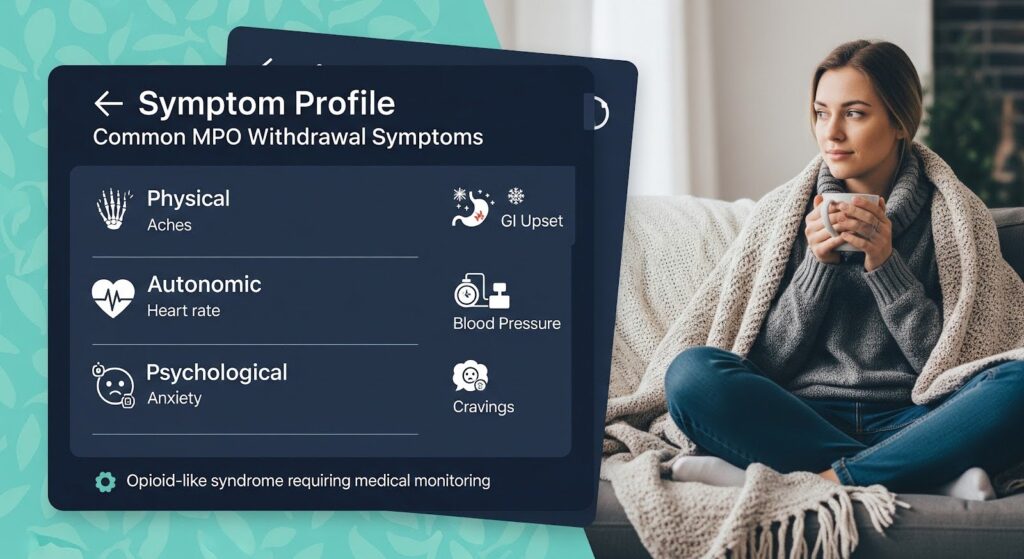
- Physical symptoms: Muscle and bone aches, sweating, chills, gooseflesh, tremor, nausea, vomiting, diarrhea, abdominal cramping, runny nose, tearing, and dilated pupils.
- Autonomic hyperactivity: Increased heart rate, elevated blood pressure, and restlessness.
- Psychological symptoms: Anxiety, irritability, dysphoria, depression, insomnia, anhedonia (inability to feel pleasure), and strong cravings.
A recent inpatient case documented a patient who escalated from kratom to daily 7-hydroxymitragynine use and developed tolerance and withdrawal consistent with opioid syndrome, with a peak Clinical Opiate Withdrawal Scale (COWS) score of 14, indicating moderate severity.
Severity and Individual Variation
Withdrawal severity depends on several factors:
- Daily intake and duration: Higher doses and longer use increase severity.
- Product potency: Concentrated 7-OH or MPO products likely produce more intense withdrawal than mitragynine-dominant kratom powder.
- Polysubstance use: Co-use of benzodiazepines, alcohol, or other opioids complicates withdrawal.
- Co-morbid conditions: Psychiatric disorders, chronic pain, and medical illness amplify symptoms.
- Individual conversion: Because human plasma conversion of 7-OH to MPO varies, people ingesting similar doses may experience different effective MPO exposure and withdrawal intensity.
Population data from Southeast Asian kratom users associate longer duration and higher daily use with greater odds of dependence, more severe withdrawal, and stronger craving, establishing a dose-duration relationship that likely applies to high-potency products.
Pseudoindoxyl Withdrawal Symptoms Timeline
Understanding the withdrawal timeline helps you prepare and seek appropriate support. The following stages are based on opioid withdrawal patterns, kratom case series, and the 7-hydroxymitragynine inpatient case.
Onset: 12 to 24 Hours
Withdrawal typically begins 12 to 24 hours after your last dose of short-acting mitragynine pseudoindoxyl or 7-hydroxymitragynine products. If you’ve been using extended-release formulations or stacking doses throughout the day, onset may be delayed as plasma concentrations gradually fall.
Early symptoms include restlessness, anxiety, muscle aches, watery eyes, runny nose, and insomnia. You may also notice increased sweating and yawning.
Peak: Days 2 to 3
Symptoms usually peak around days two to three. During this phase, you may experience:
- Severe muscle and bone pain
- Intense nausea, vomiting, and diarrhea
- Profuse sweating and chills
- Elevated heart rate and blood pressure
- High anxiety, irritability, and dysphoria
- Strong cravings for the substance
COWS scores often reach moderate to moderately severe ranges during this window. The 7-OH inpatient case showed peak COWS of 14 around this timeframe.
Physical Resolution: Days 5 to 10
Most physical symptoms gradually improve by days five to ten. Gastrointestinal upset, sweating, and autonomic hyperactivity typically subside first. Muscle aches and sleep disturbances may linger longer.
Patients with heavy, chronic, high-potency exposure may show protracted somatic symptoms beyond this window.
Protracted Symptoms: Weeks to Months
Psychological symptoms often persist for weeks or even months after physical withdrawal resolves. These include:
- Anxiety and depression
- Insomnia and sleep disturbances
- Anhedonia and low motivation
- Persistent cravings
Protracted symptoms are more common in individuals with co-occurring psychiatric disorders or polysubstance use. Ongoing support and treatment are essential during this phase.
Pseudoindoxyl Detox and Treatment Options
Detoxification from mitragynine pseudoindoxyl should be treated as an opioid-like withdrawal syndrome, with individualized care based on your use pattern, co-substances, and medical or psychiatric needs.
Medical Detox and Assessment
A validated withdrawal assessment tool like the Clinical Opiate Withdrawal Scale (COWS) helps clinicians time interventions and track your response. Baseline vital signs, hydration status, and laboratory tests (electrolytes, liver panel if symptomatic) guide safe management.
Inpatient medical detox is recommended for moderate to severe withdrawal, especially if you have:
- High daily intake and long duration of use
- Polysubstance co-use (benzodiazepines, alcohol, other opioids)
- Co-morbid medical or psychiatric illness
- Pregnancy
- Previous failed outpatient attempts
Buprenorphine Treatment
Buprenorphine, a high-affinity partial mu-opioid receptor agonist, is the best-supported medication for kratom and mitragynine pseudoindoxyl withdrawal.
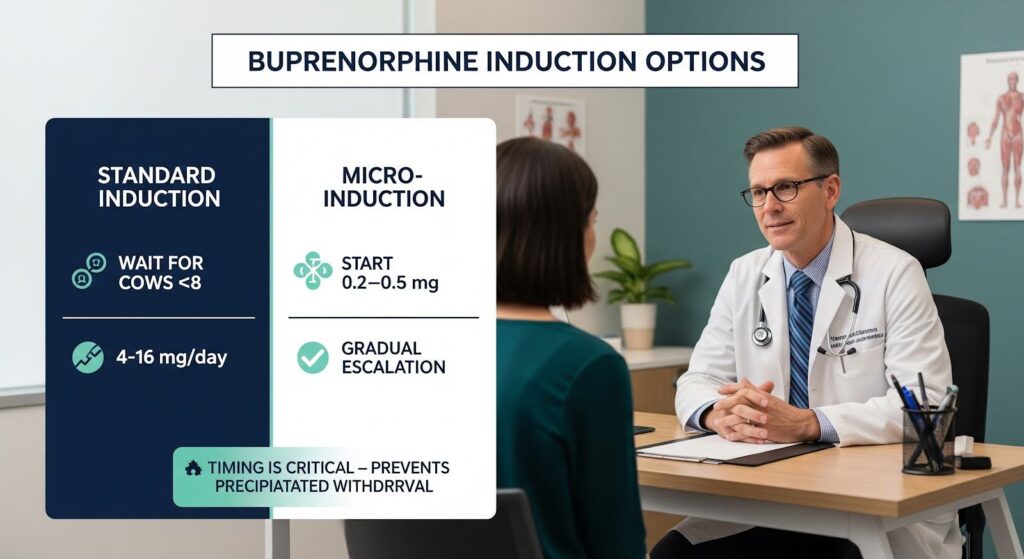
It alleviates symptoms by displacing MPO from receptors and providing partial agonism. However, timing is critical because starting buprenorphine too early can precipitate withdrawal.
Standard induction involves waiting for COWS ≥8 to 12 (mild to moderate withdrawal) before the first buprenorphine dose.
A case series suggested starting doses of 4/1 to 8/2 mg daily for less than 20 grams per day of kratom, and 12/3 to 16/4 mg for more than 40 grams per day, though these heuristics were derived for mitragynine-dominant kratom and may underestimate needs for high-potency MPO exposures.
Micro-induction (also called the Bernese method) is preferred for heavy 7-OH or MPO exposure, uncertain abstinence timing, or polysubstance use.
This approach starts with very low buprenorphine doses (0.2 to 0.5 mg) while allowing continued agonist use or overlap, gradually escalating buprenorphine as the agonist is tapered. Emergency department and inpatient protocols have demonstrated feasibility, and a randomized controlled trial protocol is underway to compare micro-induction versus standard induction.
The 7-hydroxymitragynine inpatient case used effective daily buprenorphine doses of 2 to 8 mg with symptom-based adjustments, followed by a taper when maintenance was declined.
Symptomatic and Supportive Care
Alpha-2 agonists like clonidine or lofexidine reduce noradrenergic symptoms such as sweating, rapid heart rate, and anxiety. Additional supportive measures include:
- Antiemetics for nausea and vomiting
- Antidiarrheals and antispasmodics for GI upset
- NSAIDs or acetaminophen for muscle aches
- Short-course sleep aids for insomnia
- Hydration and nutritional support
Serial COWS assessments help titrate therapy. Screen for dehydration, electrolyte abnormalities, and rare kratom-induced hepatotoxicity. Toxicology consultation can be valuable for complex presentations.
Maintenance Versus Taper
Maintenance buprenorphine is preferred if you have ongoing cravings, relapse risk, or co-occurring opioid use disorder. Tapering may be considered if you strongly prefer discontinuation and have adequate psychosocial supports.
Case reports document both approaches, with maintenance potentially improving retention and lowering relapse risk.
Regulatory Actions and Public Health Concerns
The rapid emergence of mitragynine pseudoindoxyl-containing products has prompted regulatory responses. Ohio enacted an emergency rule effective December 12, 2025, classifying “mitragynine-related compounds” as Schedule I controlled substances, expressly listing 7-hydroxymitragynine and mitragynine pseudoindoxyl along with derivatives, prodrugs, isomers, esters, ethers, and salts.
The rule reflects concerns over high mu-opioid receptor potency, marketing practices outside medical supervision, and public health risk.
Mitragynine itself was excluded from the emergency rule while the Ohio Board of Pharmacy pursued separate rulemaking to classify mitragynine as Schedule I under the state’s eight-factor analysis framework.
These actions signal credible, near-term public health hazards. The documented adulteration of commercial kratom products with elevated 7-hydroxymitragynine levels, up to fivefold above natural content, highlights a pattern of fortification to enhance opioid effects and risk.
Overdose Risk and Naloxone Response
Given mitragynine pseudoindoxyl’s mu-opioid agonism, overdose is a real concern, especially with high doses, polysubstance co-use, or product variability. Suspected MPO or 7-OH overdoses should be managed like high-potency opioid exposures.
Naloxone, the opioid antagonist, rapidly reverses respiratory depression from 7-hydroxymitragynine in rats, similar to morphine. While MPO-specific human respiratory data are lacking, its potent mu-opioid activity suggests naloxone would be effective. Emergency management includes:
- Airway support and ventilation as needed
- Titrated naloxone boluses (0.4 to 2 mg IV or IM, repeated every 2 to 3 minutes)
- Naloxone infusion for re-narcotization if needed
- Monitoring for recurrent depression due to pharmacokinetic mismatch
- Vigilance for co-intoxicants like benzodiazepines or alcohol
Why Professional Help Matters?
Mitragynine pseudoindoxyl withdrawal can be unpredictable and uncomfortable. Professional detox and treatment offer several advantages:
- Safety: Medical monitoring prevents complications like dehydration, electrolyte imbalances, and severe psychiatric symptoms.
- Symptom relief: Medications like buprenorphine and clonidine significantly reduce discomfort.
- Individualized care: Clinicians tailor treatment to your dose, duration, co-substances, and health status.
- Continuity: Transitioning from detox to outpatient or residential programs supports long-term recovery.
- Support for co-occurring conditions: Dual diagnosis treatment addresses mental health issues like anxiety, depression, and PTSD alongside substance use.
If you or someone you care about is struggling with mitragynine pseudoindoxyl or kratom dependence, reaching out for help is the first step toward freedom. Compassionate, evidence-based care can guide you through withdrawal and into lasting recovery—contact Thoroughbred’s drug rehab center in Atlanta, today.


 Give Us A Call


