
 info@thoroughbredbhc.com
Suboxone is one of the most effective medications available for opioid use disorder, yet it is also one of the most misunderstood. Many people ask whether Suboxone is addictive, and the honest answer is that it causes physical dependence but usually does not produce the compulsive, harmful pattern that defines addiction. This article explains exactly how Suboxone works, what happens in your body over time, and why the science supports it as a recovery tool rather than a replacement addiction.
How Does Suboxone Work in the Brain?
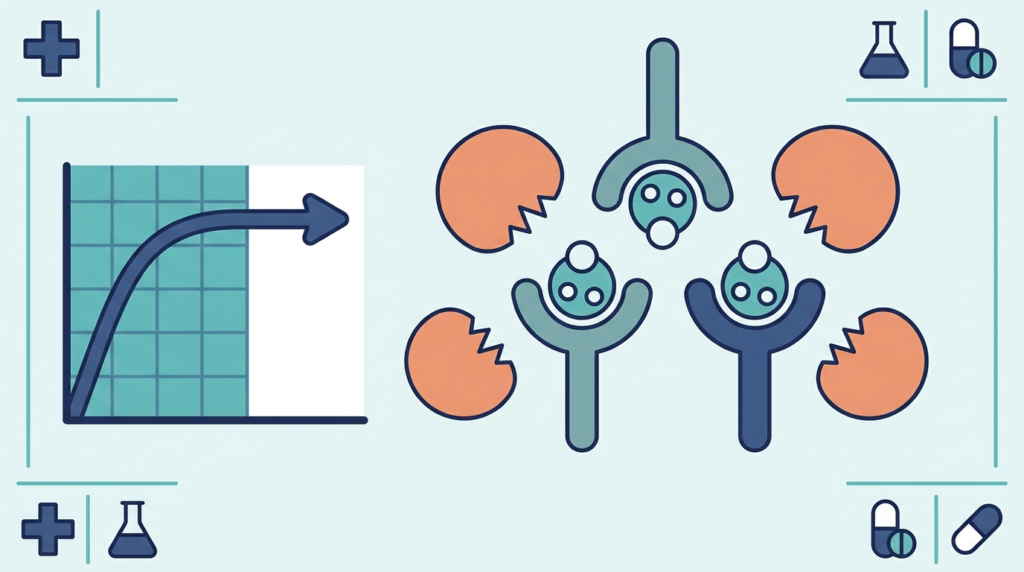
Suboxone contains two active ingredients: buprenorphine and naloxone. Buprenorphine does the heavy lifting. It is a partial mu-opioid receptor agonist, which means it binds tightly to the same receptors that heroin, fentanyl, and oxycodone target, but it activates them far less intensely. Naloxone is added to discourage misuse by injection; when the film dissolves under your tongue as directed, naloxone has almost no effect, but if someone tries to inject it, naloxone can trigger withdrawal.
Because buprenorphine grips opioid receptors so tightly, it does two things at once. It suppresses withdrawal symptoms and cravings by keeping those receptors occupied at a stable level. It also blocks or blunts the effects of other opioids, so if someone uses heroin or fentanyl while on an adequate Suboxone dose, the expected high is significantly reduced.
The Ceiling Effect Explained
One of buprenorphine’s most important properties is what researchers call the ceiling effect. A landmark clinical pharmacology study by Walsh and colleagues tested sublingual buprenorphine doses from 1 mg all the way up to 32 mg in adults with opioid experience. They found that while blood levels kept rising with each higher dose, certain effects, especially respiratory depression, sedation, and subjective opioid feelings, plateaued rather than continuing to climb.
This matters enormously for safety. With full opioid agonists like fentanyl or oxycodone, respiratory depression keeps increasing as the dose rises, which is why overdose can be fatal. With buprenorphine, that curve flattens. The UAMS Psychiatric Research Institute explains it plainly: buprenorphine is 20 to 50 times more potent than morphine at analgesic doses, but because of its low intrinsic activity at the mu receptor, overdose is less likely to cause fatal respiratory depression than a full agonist would.
The ceiling effect is not a guarantee of safety, though. Respiratory depression can still occur, especially when Suboxone is combined with benzodiazepines, alcohol, gabapentinoids, or other sedatives. The FDA-approved Suboxone label warns that life-threatening respiratory depression and death have occurred, and that many postmarketing reports of coma and death involved misuse by injection or combined use with CNS depressants.
Is Suboxone Addictive? Dependence vs. Addiction
This is the question most people really want answered, and the distinction matters more than most people realize.
Physical dependence means your body adapts to a drug. If you stop suddenly, withdrawal follows. Suboxone causes physical dependence because buprenorphine is an opioid that repeatedly activates opioid receptors. That is expected and, in treatment, it is actually part of how the medication works.
Addiction is something different. It is a behavioral pattern of compulsive use despite harm, loss of control, craving, and continued use even when it is destroying your life. A patient who takes Suboxone once daily as prescribed, goes to work, stays off illicit opioids, and experiences withdrawal only if they stop abruptly is physically dependent but not addicted.
So is Suboxone physically addictive? Yes, in the sense that dependence develops. Is Suboxone more addictive than opiates? No. Its partial agonism, ceiling effect, and receptor-blocking properties make it substantially less reinforcing than full opioid agonists. The SAMHSA treatment guidance states directly that buprenorphine’s unique pharmacology increases safety in overdose and lowers misuse potential compared with full agonists.
Why is Suboxone described as addictive at all? Because it is an opioid, it can be misused, and it does create dependence. But calling stable, prescribed Suboxone treatment “just another addiction” is clinically misleading and can push people toward premature tapering, which the evidence shows leads to worse outcomes.
What Happens When You Try to Stop
A randomized clinical trial published in JAMA Internal Medicine compared buprenorphine tapering with ongoing maintenance in patients with prescription opioid dependence. The results were striking:
- Only 11% of patients in the taper group completed the trial, compared with 66% in the maintenance group
- The taper group had more illicit opioid use and fewer opioid-negative urine samples
- 28% of taper patients had to restart buprenorphine after relapsing
The Fiellin et al. trial concluded that tapering was less effective than ongoing maintenance. This finding reframes the dependence question entirely. A patient may be physically dependent on Suboxone, but stopping it often increases the risk of returning to far more dangerous opioid use.
Suboxone’s Timeline: What to Expect
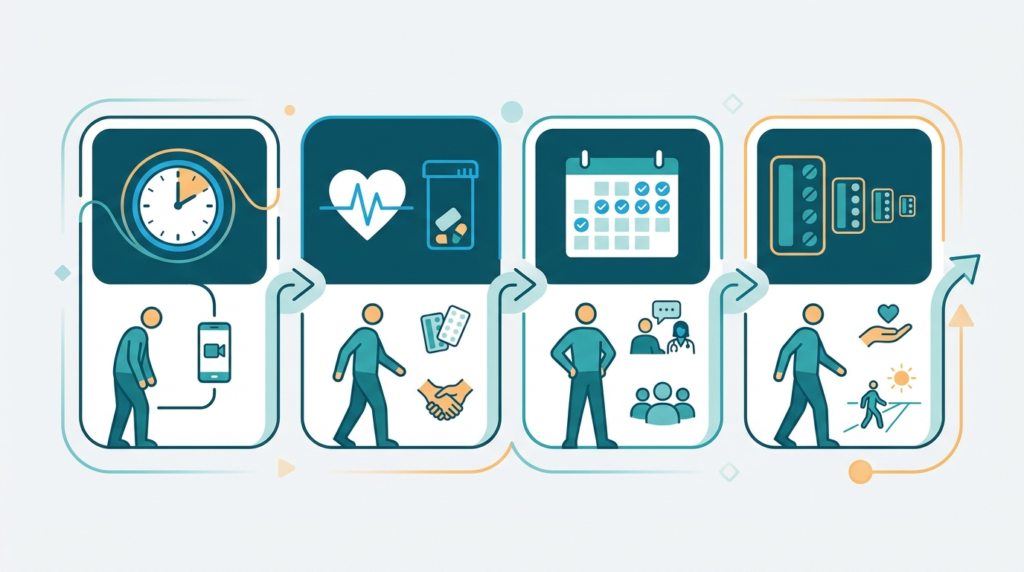
Understanding the timeline helps set realistic expectations for anyone starting treatment.
Induction (Day 1 to 3): Suboxone cannot be started while full opioid agonists are still active in your system. Because buprenorphine binds so tightly to opioid receptors, it can displace other opioids and trigger precipitated withdrawal, a sudden and severe onset of withdrawal symptoms. SAMHSA advises waiting at least 12 to 24 hours after last opioid use and being in early withdrawal before the first dose. A case series from emergency departments found that fentanyl complicates induction because it stays in tissues longer, making timing harder to judge.
Stabilization (Week 1 to 4): Once the right dose is found, most people notice withdrawal symptoms and cravings ease significantly. The goal is a dose that keeps you comfortable without sedation. Some patients stabilize on 8 mg daily; others need 16 mg or more, especially in the fentanyl era.
Maintenance (Months to years): Long-term maintenance is supported by strong evidence. A large fentanyl-era study found that overdose risk dropped by more than 60% on days covered by an active buprenorphine prescription compared with days not covered. Higher prescribed doses did not increase overdose risk, which aligns with the ceiling effect.
Tapering (If and when appropriate): Tapering should be individualized, cautious, and reversible. If cravings or relapse risk increase during a taper, returning to a stable dose is often the safest choice.
Why Suboxone Helps Recovery: The Real Mechanism
The reason Suboxone works for addiction recovery is not simply that it “replaces” one opioid with another. It interrupts the cycle that drives compulsive opioid use.
Full opioid agonists create rapid swings: a rush of activation, then a crash, then withdrawal, then craving, then compulsive seeking. Buprenorphine breaks that cycle by providing stable, long-lasting receptor activity. There are no peaks and crashes. Cravings quiet down. The urgent, withdrawal-driven need to find the next dose fades.
Because buprenorphine also blocks other opioids, using heroin or fentanyl while on an adequate dose produces little or no reward. That changes the reinforcement equation. Relapse still happens, but the pharmacological pull toward it is weaker.
For people who struggle with daily dosing, long-acting injectable buprenorphine formulations offer another option. Real-world research summarized by the Recovery Research Institute found that 86% of patients receiving extended-release buprenorphine remained in treatment at week 24, and staying in treatment was linked to reduced injection drug use, lower rates of depression, and better employment outcomes.
What Makes Suboxone Risky: Honest Answers
Suboxone is not risk-free, and being clear about that matters.
The biggest danger is combining it with other CNS depressants. Benzodiazepines, alcohol, gabapentinoids, muscle relaxants, and sedatives can all add to respiratory depression in ways that overwhelm buprenorphine’s ceiling effect. A Massachusetts study found that 24% of people receiving buprenorphine also filled at least one benzodiazepine prescription during treatment, and that combination was associated with greater overdose risk. However, the same data showed that buprenorphine still reduced overdose risk by about 40% compared with no treatment, even among people taking benzodiazepines.
The FDA label is clear on this point: buprenorphine treatment should not be categorically denied to patients taking benzodiazepines or other CNS depressants, because the barriers to treatment can create even greater harm from untreated opioid use disorder.
Other real risks include pediatric exposure if medication is not stored securely, precipitated withdrawal during induction if timing is off, and misuse by injection, which bypasses the naloxone deterrent and increases danger.
Access, Policy, and Why It Matters
For years, prescribing Suboxone for opioid use disorder required a special federal waiver. The Consolidated Appropriations Act of 2023 removed that requirement, allowing any practitioner with standard DEA registration and state authority to prescribe buprenorphine for OUD. This change reflected growing recognition that access barriers were costing lives.
Despite that progress, a 2025 HHS Office of Inspector General report found that fewer than one in five Medicare enrollees with opioid use disorder received any medication to treat it. The treatment gap remains wide.
Telehealth has helped. SAMHSA finalized rules making permanent the telemedicine flexibilities for prescribing buprenorphine, meaning patients can now start and continue treatment without an in-person visit in many cases. That matters most for people in rural areas, those without transportation, and anyone who faces stigma in traditional healthcare settings.
The Bottom Line on Suboxone and Addiction
Suboxone causes physical dependence. That is true, expected, and not the same as addiction. Its partial agonism, ceiling effect, high receptor affinity, and naloxone component make it far less reinforcing and far less lethal than the full opioid agonists it treats. When used as prescribed, it stabilizes opioid receptors, suppresses withdrawal and cravings, reduces the reward from relapse, and cuts overdose risk dramatically.
The question “is Suboxone an addictive drug?” deserves a precise answer: it creates dependence, but in the context of opioid use disorder treatment, that dependence is usually the mechanism by which harm decreases, not increases. Calling it “just another addiction” misrepresents the pharmacology and can discourage people from getting treatment that saves lives.
If you or someone you care about is navigating opioid use disorder and wants to understand your treatment options, reach out to our team at Thoroughbred Wellness to take the first step toward recovery.


 Give Us A Call


