
 info@thoroughbredbhc.com
If you are asking about crack vs cocaine, you are probably trying to understand whether one is more dangerous or more addictive. Both deliver cocaine, but smoking crack usually acts within seconds and fades faster, while snorted powder cocaine usually starts over minutes and lasts longer. This guide explains the real difference, why it changes risk, and what treatment should focus on.
Crack vs Cocaine: The Plain Answer
Crack and cocaine are not totally separate drugs; crack is a smokable form of cocaine, and the main clinical difference is how fast and intensely it reaches the brain.
That answer can feel surprising because people often talk about cocaine vs crack as if they are two different substances. In plain terms, powder cocaine and crack cocaine both involve the same active stimulant. A U.S. Sentencing Commission review describes both forms as delivering the same active drug, but the common route of use changes the experience.
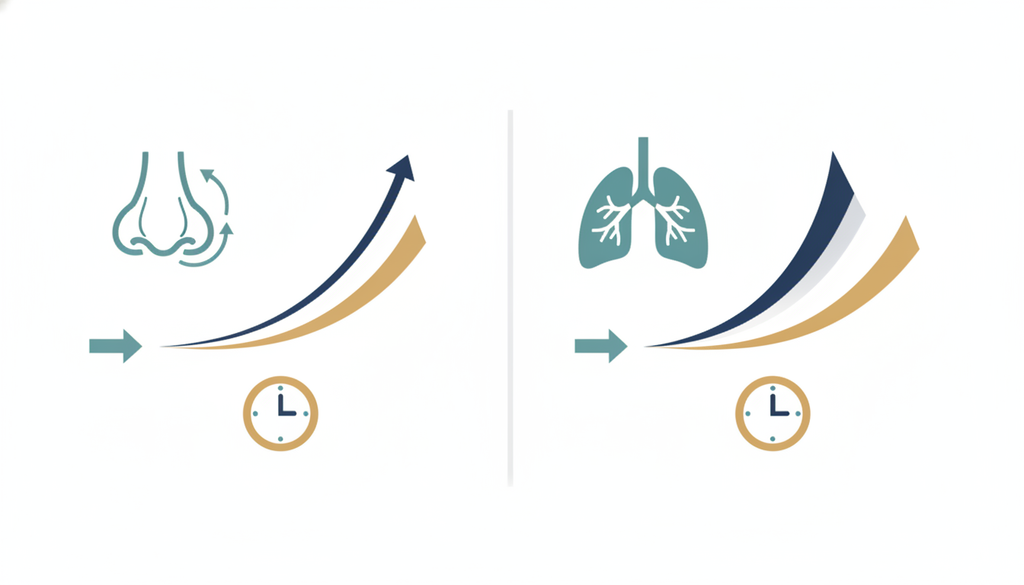
Powder cocaine is often snorted. Crack cocaine is often smoked. Smoking sends cocaine through the lungs and into the bloodstream very quickly. Snorting sends cocaine through the nasal tissue first, so the rise is slower.
That speed matters. A fast rise can create a stronger rush. A shorter high can also push someone to use again sooner. So, when someone asks, “is crack and cocaine the same thing,” the honest answer is yes and no. The active stimulant is the same, but the route and pattern of use can make the risk feel very different.
The Difference Between Crack and Cocaine
The biggest difference between crack and cocaine is not the name. It is the delivery.
In a controlled human study, researchers compared intravenous, intranasal, and smoked cocaine in experienced cocaine users. Intranasal use produced slower onset and weaker effects than smoked cocaine, while smoked cocaine produced high ratings of drug liking in the study.
That does not mean every person who smokes crack has a more severe addiction than every person who snorts cocaine. It means smoking can create a more intense and compressed reward cycle. Use, feel the effect, feel it fade, use again. That loop can happen quickly.
Here is a simple way to compare crack cocaine vs cocaine in the forms people usually mean:
| Question | Powder cocaine, often snorted | Crack cocaine, often smoked |
| Is the active stimulant cocaine | Yes | Yes |
| How fast does it usually act | Over minutes | Within seconds |
| How long does the high often feel | Longer than smoked use | Shorter and sharper |
| What pattern can it encourage | Repeated use over a session | Rapid redosing in a shorter window |
| What body area may be harmed by the route | Nose and sinuses | Lungs and airways |
| Does it have separate DSM 5 TR criteria | No | No |
| Can it cause cocaine use disorder | Yes | Yes |
The table gives the broad pattern, not a promise about every person. Dose, purity, other substances, sleep, health, mental state, and frequency all change risk.
Why Smoking Can Feel More Compulsive
Cocaine affects reward and alertness systems in the brain. The faster the effect arrives after use, the stronger the brain may link the act of using with the reward.
That is one reason smoked crack can feel especially hard to interrupt. The effect can arrive within seconds. Then it can fade quickly. A person may feel driven to repeat the dose, sometimes trying to get back to the first rush.
Research on smoked cocaine also shows why this can become frustrating and risky. In a human binge study, participants could self administer repeated smoked cocaine doses. The first one or two doses produced stronger effects, while later doses did not create the same increase, suggesting acute tolerance during the session.
That pattern helps explain the phrase “chasing the high.” A person may keep using because the desired effect is fading, but each later dose may give less of what they are seeking. The body still carries the stress. The heart, blood pressure, sleep, mood, and judgment can still be affected.
This is where crack vs cocaine gets misunderstood. Crack is not a magic category of addiction. It is cocaine used in a way that often produces faster reinforcement. Powder cocaine is not safe just because the onset is slower. A person can snort cocaine often, use large amounts, mix it with alcohol, miss work, damage relationships, and develop severe cocaine use disorder.
Is Crack the Same as Cocaine Clinically
If the question is “is crack the same as cocaine,” the clinical answer is that crack is a form of cocaine, not a separate diagnosis.
DSM 5 TR stimulant use disorder is based on behavior and harm. It looks at a pattern of stimulant use that causes impairment or distress across a 12 month period. Severity depends on the number of criteria met, with mild, moderate, and severe levels based on criterion count, not whether the person smoked or snorted.
That matters because route can bias how people judge someone. Crack has long carried more stigma than powder cocaine. But a fair clinical assessment asks better questions.
Is the person using more than planned? Have they tried to stop and been unable to? Do they crave cocaine? Are they missing duties at home, work, or school? Are they using in dangerous situations? Are they continuing despite panic, paranoia, chest pain, depression, relationship conflict, or money problems?
Those questions apply to both forms.
A person who smokes crack once a month may face serious acute risks during use, yet may not meet criteria for stimulant use disorder. Another person who snorts powder cocaine several days a week may meet many criteria and need a higher level of care. The route helps shape the risk picture. It should not replace the assessment.
What Cocaine Can Do to the Body
Both crack and powder cocaine can raise heart strain and mental health risk. The research material notes shared risks such as fast heart rate, high blood pressure, irregular heartbeat, heart attack, stroke, seizures, agitation, panic, paranoia, and stimulant related psychosis.
Route adds its own problems. Snorting can irritate and damage the nose and sinuses. Long term intranasal use can be linked with nosebleeds, smell changes, and damage to the nasal septum. Smoking can irritate the airways and lungs. It can also lead to cough, burns, and breathing problems.
None of this means every person will have the same symptoms. Cocaine risk changes with dose, frequency, health history, sleep loss, heat, stress, and other substances. Alcohol can worsen risk. Opioids, sedatives, and fentanyl exposure can change an already risky situation into a medical emergency.
The Fentanyl Era Changed the Risk
The old question, “what is the difference between crack and cocaine,” is still useful. But it is not enough in today’s drug supply.
Cocaine related emergencies may involve more than cocaine. CDC materials warn that people who use stimulants may be unknowingly exposed to opioids, and that fatal overdoses involving both opioids and stimulants have grown. CDC reported that in 2017, nearly three fourths of cocaine involved fatal overdoses involved at least one opioid, according to its stimulant guide.
That statistic does not prove that every cocaine product contains fentanyl. It does mean a person cannot judge safety by sight, route, price, or the label someone gives the drug.
More recent surveillance also shows meaningful overlap. In SUDORS data from 31 states and the District of Columbia, cocaine was co involved in 30.9 percent of illicitly manufactured fentanyl involved overdose deaths from January 2021 through June 2022, based on CDC findings with coroner or medical examiner data.
So, powder cocaine is not a guarantee of safety. Crack is not the only concern. Any illicit stimulant can carry unexpected risk, especially when the person is using alone or mixing substances.
If someone is hard to wake, breathing slowly, breathing irregularly, turning blue or gray, or making gurgling sounds, treat it as a possible opioid overdose. Call emergency help and give naloxone if available. If the person has chest pain, severe agitation, overheating, seizure, severe headache, confusion, or psychosis, that is also an emergency, even if they are awake.
Why Treatment Is the Same Pathway
The treatment pathway for cocaine use disorder does not split into one system for crack and another for powder cocaine. Good care starts with safety, then a full assessment of use, health, mental health, and social needs.
The ASAM and AAAP guideline says the first priority is identifying urgent medical or psychiatric symptoms in stimulant use disorder, including intoxication or overdose, and getting the right level of care. The same guideline identifies contingency management as the current standard of care for stimulant use disorders.
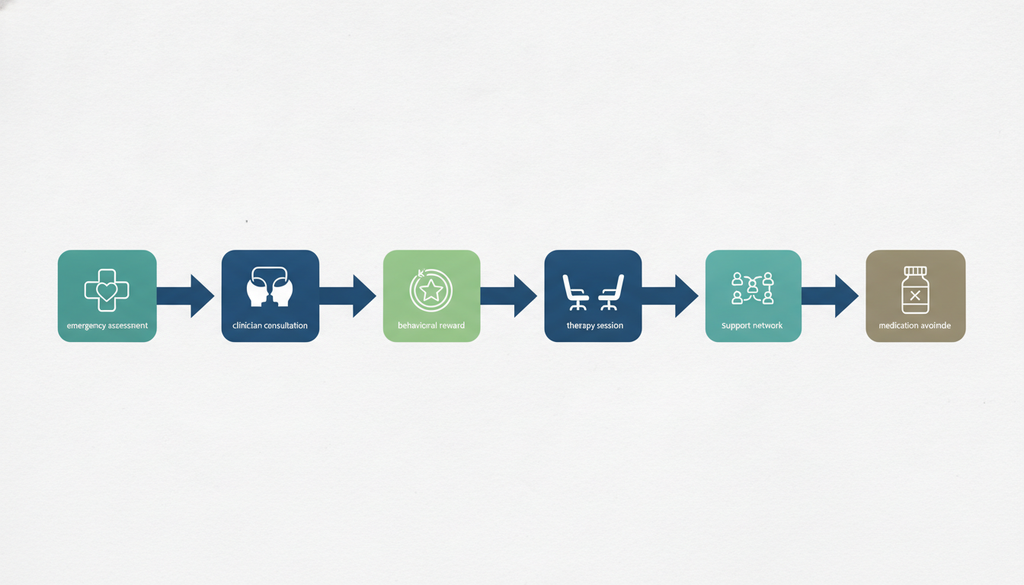
Contingency management uses clear, immediate rewards for recovery behaviors, such as attending care or having stimulant negative tests. That may sound simple, but it fits stimulant use well. Cocaine gives fast reinforcement. Treatment can help by making recovery behaviors more immediate, concrete, and supported.
Other therapies can also help. Cognitive behavioral therapy can help someone understand triggers, cravings, thoughts, and relapse patterns. Community support, recovery planning, family work, housing support, and care for trauma or mood symptoms can all matter. Many people need treatment for anxiety, depression, PTSD, bipolar symptoms, sleep problems, or other substance use at the same time.
There is no FDA approved medication specifically for cocaine use disorder. The ASAM and AAAP guideline allows selected off label medication options in some cases, but those decisions need careful medical judgment. Medication should not be described as a cure for cocaine addiction.
What Assessment Should Ask
A strong assessment should not stop at “crack or powder.” It should ask about form, route, frequency, amount, binge pattern, last use, cravings, attempts to stop, medical symptoms, mental health symptoms, and other substances.
For crack, it helps to ask how quickly the person uses again after a dose, whether they have cough or chest symptoms, and whether the crash leads to more use. For powder cocaine, it helps to ask about nose symptoms, alcohol mixing, long sessions, and whether use has grown over time.
The clinician should also ask about fentanyl exposure, opioid use, naloxone access, alcohol, benzodiazepines, other stimulants, housing, safety, trauma, legal stress, work, family, and support. These details matter because cocaine use disorder is not only about the drug. It is also about the life around the drug.
A person who uses both crack and powder may have extra risk. Research among people with HIV found daily cocaine use was reported by 6 percent of powder only users, 12.1 percent of crack only users, and 20 percent of people using both forms, with dual users also showing more polysubstance use in that study. That kind of finding supports asking about both forms instead of forcing someone into one label.
Why Labels Can Get in the Way
Words like “crack addict” or “cokehead” do not help anyone get better. They make it harder to speak honestly. They also hide the actual clinical questions.
The better question is not, “which form did you use?” It is, “what is happening to your health, choices, safety, and life?”
Cocaine can become a problem through a fast, intense smoked pattern. It can also become a problem through frequent snorted use that slowly takes over work, sleep, money, and relationships. Both deserve care without shame.
Stigma can also make families underestimate risk. Someone may think, “at least it is powder,” and miss warning signs. Or they may think crack use means recovery is hopeless. Neither belief is true. The route matters, but people are more than a route.
Why Crack vs Cocaine Matters in Treatment
Crack vs cocaine matters because route can change onset, intensity, redosing, and physical harms. It does not matter because it creates two separate kinds of people.
In treatment planning, smoked crack may point to rapid redosing, intense cues, short cycles of craving, and airway concerns. Snorted powder may point to longer sessions, nasal injury, alcohol mixing, and social use patterns. Both can involve craving, withdrawal symptoms, depression, anxiety, paranoia, chest pain, overdose risk, and relapse.
The best care is route informed and person centered. It asks what the drug is doing in the person’s life, what risks are present today, what support is missing, and what kind of plan the person can actually use.
If cocaine use feels hard to control, or you are worried about someone you love, compassionate drug addiction treatment can help you take the next step at Thoroughbred Wellness and Recovery.


 Give Us A Call


