
 info@thoroughbredbhc.com
Wondering if holistic addiction treatment can replace medication and therapy, or if it only works as a support alongside them? Yoga and mindfulness can ease anxiety and cravings, but opioid use disorder medications cut overdose deaths by up to 50 percent, so holistic care works best added to medical treatment, not instead of it. Here’s what the research says about holistic therapies, what treatment actually costs, and how to spot a program that skips real medical care.
What Is Holistic Addiction Treatment, Really?
There’s no official rulebook that defines holistic addiction treatment. It’s mostly a marketing term. Some programs use it to describe a caring, whole person model that pairs medical care and therapy with yoga, nutrition support, and mindfulness. Other programs use the same word to hint that medication and structured treatment aren’t really needed at all.
That second use is the risky one, and it’s worth being able to spot it. The Substance Abuse and Mental Health Services Administration describes medication paired with counseling as a whole patient approach to treating substance use disorder, not a lesser or less natural version of recovery. Medication is not a crutch. It’s core treatment, and pairing it with therapy and lifestyle support is what actually adds up to complete care.
Adjunct, Not Substitute
Think of holistic addiction therapy as the extras that make treatment more bearable and more human. Better sleep, less anxiety, a body that feels stronger again, a sense of routine after months of chaos. These matter, and dismissing them would be a mistake.
What they don’t do, based on the research available right now, is reliably replace medication for opioid or alcohol use disorder, manage dangerous withdrawal on their own, or prevent overdose. A genuinely holistic approach to addiction treats the whole person by combining medical care, therapy, and these supportive extras. It doesn’t swap one for the other, and any program that suggests otherwise deserves a second look.
Types of Holistic Therapy Used in Recovery
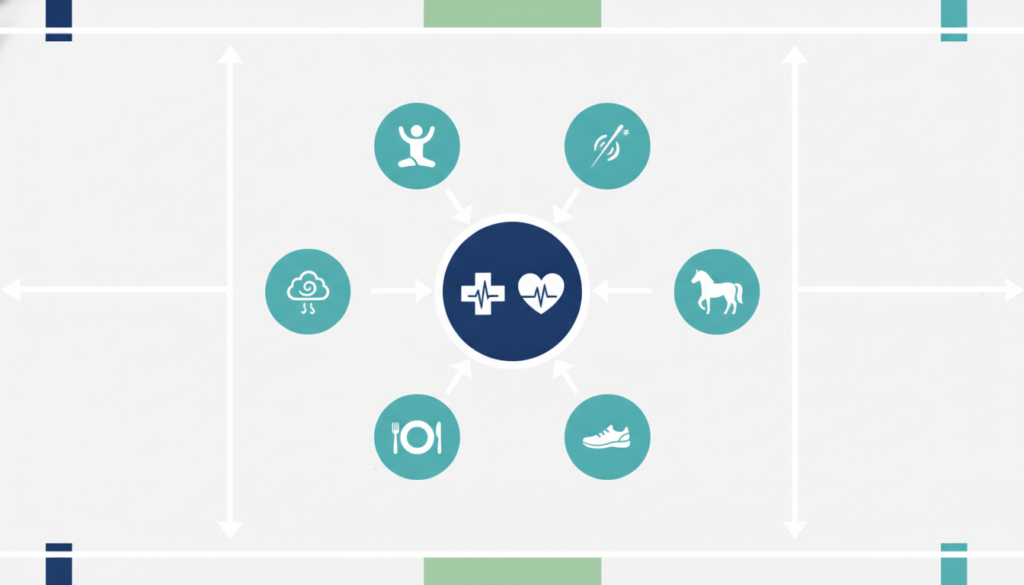
Programs that call themselves holistic drug rehab centers tend to draw from a fairly similar menu. Each therapy targets a different piece of recovery, and each one has a different amount of evidence behind it.
Yoga shows up almost everywhere, usually aimed at anxiety, sleep, and body awareness. Mindfulness and mindfulness based relapse prevention focus more directly on noticing cravings before they turn into action. Breathwork is often folded into yoga or meditation sessions as a quick way to calm the body during a stressful moment. Acupuncture and equine assisted work tend to show up as comfort or engagement tools rather than core treatment. Nutrition support and structured exercise round things out, aimed at physical health and daily routine rather than the addiction itself.
The table below breaks down what each type of holistic therapy may help with, and what it hasn’t been shown to do on its own.
| Therapy | May help with | Cannot replace on its own |
| Yoga | Anxiety, pain, sleep, craving intensity | Medication, withdrawal care, guaranteed abstinence |
| Mindfulness or MBRP | Craving awareness, distress, heavy use days | Medical detox, psychiatric care, MOUD |
| Breathwork | Acute stress, grounding during urges | Withdrawal management, panic or trauma care |
| Acupuncture | Relaxation, sleep, subjective comfort | Detox, relapse prevention, medication |
| Equine therapy | Engagement, confidence, social connection | Physiological dependence, overdose risk |
| Nutrition support | Energy, gut health, stable routines | Curing addiction, replacing medicine |
| Structured exercise | Mood, sleep, daily structure | Psychiatric treatment, medication needs |
Notice the pattern. Almost every therapy on that list has a real, plausible benefit. None of them, based on the evidence gathered so far, stands in for medical treatment when someone has a moderate or severe substance use disorder.
Does Holistic Therapy for Substance Abuse Work?
The honest answer is “somewhat, for some outcomes, in some people.” That’s less satisfying than a marketing slogan, but it’s what the research supports right now.
What the Evidence Actually Shows
A 2021 review of yoga trials in people with substance use disorders found improvement in at least one outcome, like anxiety, pain, or craving, in seven of eight trials. That’s encouraging. But the trials used different yoga styles, different doses, and different groups of people, so nobody can yet say which form helps which person, or how much of it someone actually needs.
A separate review looked specifically at continuous abstinence and found no clear benefit compared with no treatment at all, with very low certainty evidence and results wide enough to be consistent with real benefit, almost no effect, or even harm. That’s a fair warning against any claim that yoga, alone, keeps someone sober.
Mindfulness based relapse prevention has a slightly stronger track record for craving and use frequency. A 2021 review found improvement in at least one addiction related outcome in nearly every study included, though the reviewers themselves described their findings as exploratory results rather than proven fact.
Acupuncture, equine work, nutrition programs, and exercise alone don’t have the same depth of research behind them for treating addiction directly. That doesn’t make them worthless. It means they belong in the comfort and quality of life column, not the primary treatment column.
Why Medication Still Matters More
For opioid use disorder, methadone and buprenorphine are linked to better treatment retention and to a 50 percent reduction in overdose and all cause mortality in some studies. No holistic therapy for substance abuse in the current research comes close to that kind of outcome. For alcohol use disorder, acamprosate and naltrexone remain preferred medical options for moderate to severe cases, usually alongside counseling rather than in place of it.
This is why a real holistic treatment for addiction adds these therapies on top of medical care instead of building around it.
What Holistic Addiction Treatment Really Costs
Prices vary a lot, and a single package price quoted over the phone rarely tells the whole story. Published cost estimates give a rough sense of the range you can expect.
Prices vary a lot, and a single package price quoted over the phone rarely tells the whole story. The ranges that circulate publicly give a rough sense of scale. Medical detox is often quoted around 250 to 800 dollars a day, or roughly 1,250 to 5,600 dollars for a five to seven day stay. A standard 30 day residential program is commonly listed somewhere between 6,000 and 20,000 dollars, though some facilities price a similar stay much higher once wellness features are added in. Partial hospitalization programs tend to run around 350 to 450 dollars a day.
Treat every one of those as directional only. No government agency or peer-reviewed source publishes self-pay rehab prices, so the figures you find online trace back to treatment facilities and referral directories quoting one another. What holds up better is the principle behind the comparison: ASAM’s criteria define level of care by clinical need and treatment intensity, which is what a price is actually buying. Two programs both advertising “30 days” can differ enormously in clinical hours, medical staffing, and what’s bundled into the daily rate.
The other might mean fewer clinical hours with a longer list of extras billed separately. Before comparing two programs, ask exactly what is included in the price, who bills separately, and whether wellness features like private rooms, spa services, or equine sessions are part of the clinical rate or a personal expense stacked on top of it.
What Insurance Covers in Holistic Rehab
Insurance plans don’t have a benefit line called “holistic rehab.” They cover specific, defined services, and that distinction matters more than any brand name on the building.
Coverage tends to be stronger for core clinical care such as medical detox, residential and outpatient treatment, individual and group counseling, psychiatric evaluation, and medication management. It’s weaker, or missing entirely, for wellness extras like massage, private lodging upgrades, concierge services, and some experiential activities such as equine sessions. A program can genuinely be a holistic rehab and still have most of its clinical services covered, as long as those services meet the plan’s rules for medical necessity.
The federal parity law requires many plans to apply authorization rules, visit limits, and cost sharing to substance use treatment no more strictly than they apply to comparable medical care. It doesn’t force plans to pay full retail rates for every wellness add on a facility chooses to offer.
Before committing money, two independent checks are worth the extra phone call. Confirm the treatment level requested actually matches your clinical needs, since a plan is more likely to authorize a level supported by real assessment than one chosen for comfort alone. Then check whether the specific location and program hold current CARF accreditation, since accreditation can apply to some services or sites within a company and not others.
Red Flags in a Holistic Approach to Addiction
Some warning signs show up again and again in programs that lean on wellness branding to cover for thin clinical care. A program that refuses to offer or even discuss buprenorphine, methadone, or naltrexone, or that requires someone to stop medication before admission, is not offering a fuller version of treatment. It’s offering less of it, dressed up nicely. The same goes for a program that calls acupuncture or a supplement plan “detox” without a clear medical withdrawal protocol behind it, or one that can’t explain what happens if a client has a seizure, severe withdrawal, or a mental health crisis in the middle of the night.
A daily schedule dominated by yoga, meditation, and outings, with very little individual counseling or medical time, is another sign the clinical core may be thin. Ask directly for a written weekly schedule that separates medical care and therapy from wellness activities, and treat vague, reassuring answers as a reason to keep looking.

The Bottom Line on Holistic Addiction Treatment
None of this makes yoga, mindfulness, or a caring, wellness minded setting a bad idea. They can genuinely improve sleep, ease anxiety, and make a hard process feel more human. That has real value, and it’s part of why people stay engaged in treatment long enough for it to work.
What the evidence doesn’t support is treating those extras as a stand in for medication, medical withdrawal care, or structured therapy. The programs that get the best results tend to combine both pieces, a solid clinical foundation plus the kind of holistic addiction treatment that supports comfort, engagement, and steady recovery over time. When you’re comparing programs, ask about the medical and clinical core first, then judge the wellness extras as a bonus rather than the main event.
If you or someone you love is trying to sort through these options, talking with a clinical team that offers both real medical care and thoughtful holistic support can make the decision much clearer. Reach out and start an assessment at Thoroughbred Wellness and Recovery to see what a realistic, whole-person treatment plan could look like for you.


 Give Us A Call


