
 info@thoroughbredbhc.com
Cannabinoid hyperemesis syndrome can make cannabis users feel trapped in cycles of severe nausea, vomiting and fear of the next episode. The most reliable path to recovery is complete cannabis cessation, with vomiting often easing after a day or two but full recovery sometimes taking months. This guide explains symptoms, phases, recovery timing, warning signs and how to get support without shame. In plain terms: CHS usually improves only when cannabis stops completely, and urgent care is needed if vomiting causes dehydration, severe pain or confusion.
Cannabinoid Hyperemesis Syndrome Basics
Cannabinoid hyperemesis syndrome, often shortened to CHS, is a pattern of repeated severe nausea and vomiting linked with prolonged, frequent cannabis use. The American Gastroenterological Association describes CHS in its clinical guidance as a condition where chronic heavy cannabis exposure can lead to cyclic vomiting, abdominal pain, dehydration and repeated emergency visits.
That can feel confusing. Many people use cannabis because they believe it helps nausea, sleep, anxiety, pain or appetite. In CHS, the short term feeling of relief can hide the bigger pattern. Cannabis may seem to help for a few minutes or hours, while the vomiting cycle keeps coming back.
Some people search for hyperemesis cannabinoid syndrome or cannabinoid hyperemesis. They are usually looking for the same problem: repeated vomiting tied to long term cannabis exposure. The wording matters less than the pattern.
CHS is not diagnosed from cannabis use alone. A person can use cannabis and still have food poisoning, appendicitis, pregnancy related vomiting, pancreatitis, bowel obstruction, migraine related vomiting, cyclic vomiting syndrome or another medical issue. That is why doctors treat CHS as a clinical diagnosis that needs a careful history and, when needed, tests to rule out danger.
Common Symptoms and Phases
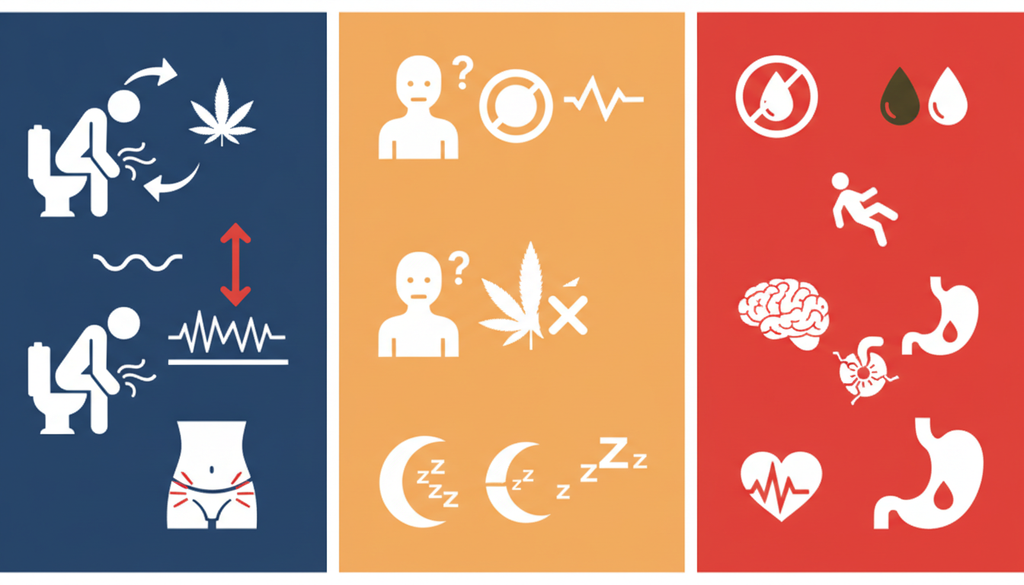
Cannabinoid hyperemesis syndrome symptoms often follow a cycle. The person may feel mostly well between attacks, then suddenly move into severe nausea, vomiting and abdominal pain. Hot showers or baths may bring brief relief, but they do not treat the cause.
The University Hospital Southampton patient guidance describes CHS in three broad phases: prodromal, hyperemetic and recovery. These phases help explain what may be happening, but they are not a perfect clock.
| Phase | What it can feel like | What it means |
| Prodromal | Morning nausea, stomach discomfort, fear of vomiting, sometimes more cannabis use to settle the stomach | This stage can last a long time and may be missed because vomiting is not yet severe |
| Hyperemetic | Repeated vomiting, intense nausea, abdominal pain, poor fluid intake, hot showers, weakness and possible dehydration | This is the risky stage and may need urgent medical care |
| Recovery | Vomiting eases, appetite returns, hydration improves and hot bathing decreases | Recovery depends on stopping cannabis and avoiding relapse |
The prodromal phase can be sneaky. A person may wake up nauseated, use cannabis, feel a little better, then repeat the same routine the next day. Because cannabis has a reputation for helping nausea, it may not seem like the problem.
The hyperemetic phase is different. Vomiting can become repetitive and hard to control. People may be unable to keep water down. They may take shower after shower because heat briefly reduces nausea or pain. This can lead to exhaustion, dehydration and abnormal electrolytes.
The recovery phase starts when vomiting settles and the body begins to stabilize. But recovery is not just one good afternoon. It means eating and drinking reliably, sleeping better, getting strength back, and staying abstinent long enough to see whether the vomiting pattern stops.
How Long Recovery Can Take
If you are asking, how long does it take to recover from cannabinoid hyperemesis syndrome, the honest answer is that it depends on what you mean by recover.
Acute vomiting may improve within one to two days after stopping cannabis and getting supportive care. The NHS guidance says symptoms often ease after a day or two unless cannabis is used again. That does not mean everyone is fully better in two days.
Functional recovery can take longer. You may still feel weak, anxious, sleep deprived or afraid to eat. Your stomach may feel unsettled even after vomiting stops. If you were dehydrated, low on electrolytes or unable to eat for days, your body needs time.
Cleveland Clinic notes that symptom relief often follows stopping cannabis, while full recovery may take months in some people. Its discussion of CHS recovery and warning signs also stresses that ongoing vomiting can become medically serious.
The best direct case evidence is limited. In a Mayo Clinic case series, researchers described 98 patients with cannabinoid hyperemesis features. Follow up was available for only 10 people, so the data cannot give a precise recovery schedule. Still, among the small group with timing reported, improvement after stopping cannabis took about one to three months.
That is why a rigid timeline can mislead you. Feeling better in 48 hours does not mean it is safe to use cannabis again. Still feeling nauseated after 48 hours does not prove it is not CHS. The safer question is whether vomiting improves with abstinence and stays away over time.
CHS or Cannabis Withdrawal?
The first week after stopping cannabis can be confusing. CHS may be improving at the same time cannabis withdrawal symptoms are starting.
Cannabis withdrawal can cause nausea, lower appetite, sleep trouble, anxiety, irritability, restlessness and low mood. A review comparing CHS and withdrawal explains that withdrawal symptoms begin within one week after stopping or greatly reducing heavy cannabis use, while CHS is more tied to cyclic vomiting during ongoing use or after recent exposure.
The timeline matters. If severe vomiting began while the person was still using cannabis, especially after months or years of frequent use, CHS becomes more likely. If nausea, poor sleep and irritability began only after stopping, without a history of cyclic vomiting, withdrawal may explain more of the picture.
Both can also happen together. Someone may have a CHS vomiting episode, stop cannabis because they are too sick to use it, and then develop withdrawal symptoms. That does not mean quitting caused CHS. It means the body is reacting to both the vomiting illness and the sudden loss of cannabis.
A key difference is severity. Withdrawal can feel awful, but repeated hyperemesis, severe abdominal pain, fainting, confusion, no urine, chest pain or blood in vomit should never be brushed off as normal withdrawal.
Trigger Foods and Eating During Recovery
People often ask about cannabinoid hyperemesis syndrome trigger foods. Based on the research provided, there is no proven list of CHS trigger foods that reliably predicts who will vomit or relapse. The clearest trigger is cannabis exposure itself.
That said, eating during recovery can still be hard. After a vomiting episode, some foods may feel too heavy, too greasy, too spicy or simply too much. This is not the same as saying those foods cause CHS. It means your stomach and nervous system may be sensitive while you recover.
A practical approach is to focus on fluids first if your clinician says it is safe. Small sips may be easier than large drinks. When food returns, bland and simple meals may be easier to tolerate at first. If you cannot keep fluids down, food choices are no longer the main issue. Hydration and medical safety come first.
Be careful with the idea of using cannabis to restore appetite. That can restart the same cycle. If appetite is low because of withdrawal or fear of vomiting, talk with a clinician about safer ways to manage it.
If nausea keeps returning despite full cannabis abstinence, the diagnosis needs another look. Cyclic vomiting syndrome, gastroparesis, migraine related vomiting, pregnancy, endocrine problems, medication effects and gastrointestinal disease can overlap with CHS symptoms.
When Medical Care Cannot Wait
CHS can become dangerous because vomiting removes fluid and salts faster than you can replace them. Severe dehydration can affect the kidneys, heart rhythm and brain. Abdominal pain can also come from other urgent conditions, so it should not be ignored.
Get urgent medical help if vomiting will not stop, you cannot keep fluids down, you have very little or dark urine, you have not urinated for eight hours or more, you feel faint, dizzy or confused, or you have severe abdominal pain. Chest pain, rapid breathing, rapid heartbeat or blood in vomit also need urgent care.
Clinical teams may check hydration, kidney function, electrolytes, pregnancy status when relevant, heart rhythm and signs of another diagnosis. A pediatric and adolescent clinical pathway also points out that clinicians should watch for red flags and avoid assuming every vomiting episode in a cannabis user is CHS.
Acute treatment often focuses on fluids, electrolyte correction and nausea care. Some emergency settings use medications such as dopamine antagonist medicines or topical capsaicin when appropriate. Hot showers may briefly help symptoms, but very hot bathing can add risk, and it is not a cure.
The main long term treatment remains cannabis cessation. Supportive care can get you through an episode, but it cannot make CHS stay away if cannabis use continues.
Cannabinoid Hyperemesis Syndrome Recovery Plan
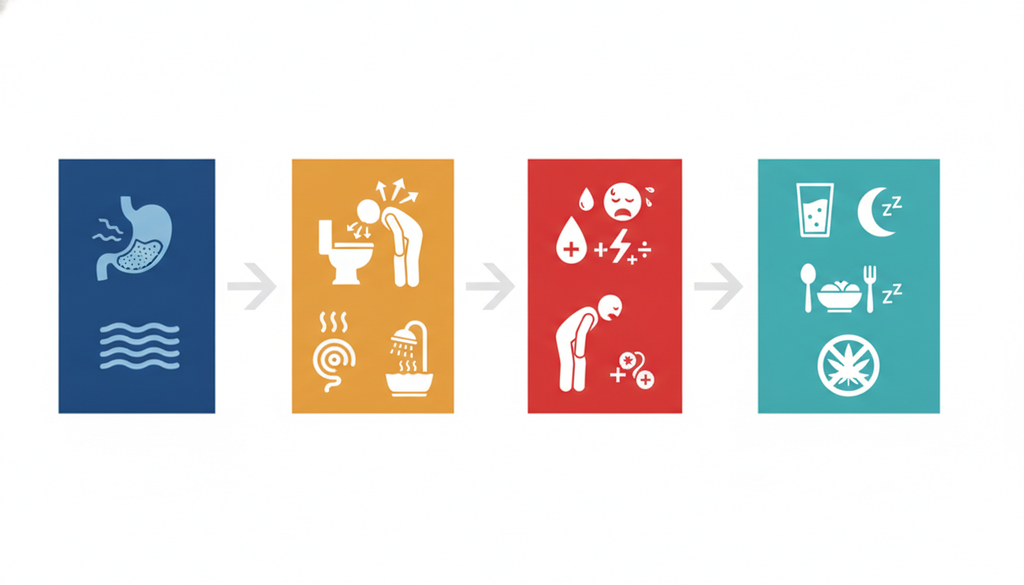
A good recovery plan has two jobs. First, it protects you during the acute illness. Second, it helps you stay away from cannabis long enough to know whether the vomiting cycle truly stops.
The American Gastroenterological Association offers practical AGA criteria for confirming CHS. They include cyclic vomiting, long term frequent cannabis use, and symptom resolution after at least six months of abstinence or a period equal to at least three of the person’s usual vomiting cycle intervals.
That last part is easy to misunderstand. It does not mean you need to have three more vomiting episodes. It means the abstinence period should be long enough to cover the time when your usual episodes would have been expected to return.
For example, if attacks used to happen every month, three usual intervals would be about three months. If attacks happened every two months, three intervals would be about six months. The point is to watch the pattern long enough to see if abstinence changes it.
A recovery plan should also include cannabis use support if stopping feels hard. This is not about blame. Many people use cannabis for real distress, including anxiety, sleep problems, pain, trauma symptoms or appetite. Some also relapse because withdrawal feels unbearable.
Cannabis use disorder treatment may help when someone keeps using despite CHS related harm, cannot stop, has strong cravings or returns to cannabis after medical advice to quit. Cannabis Evidence summarizes treatment evidence showing support for approaches such as cognitive behavioral therapy, motivational enhancement therapy and contingency management.
These supports can help you plan for cravings, sleep disruption, anxiety, appetite loss and social triggers. They can also help you replace the routine of using cannabis for nausea with safer tools.
Why Recovery Matters
CHS is more than a bad stomach day. Repeated vomiting can lead to dehydration, missed work, school problems, strained relationships, emergency visits and fear of eating. It can also create a painful loop where cannabis seems to calm nausea in the moment but keeps the bigger illness going.
Recovery matters because it gives you your pattern back. When vomiting stops, hydration stabilizes and cannabis stays out of the picture long enough to test the diagnosis, you get real information. You can see whether CHS was driving the cycle. You can also find out if another condition needs treatment.
If you are reading this for someone you love, try to stay firm and kind. The symptoms are real. The fear is real. The need to stop cannabis is also real when CHS is suspected. Shame usually makes people hide use. Clear support makes recovery more possible.
If cannabis feels impossible to stop, you do not have to white knuckle it. Reach out to our team at Thoroughbred Wellness and Recovery for compassionate addiction treatment today.


 Give Us A Call


