
 info@thoroughbredbhc.com
Meth mouth is severe tooth and gum damage linked with methamphetamine use, but it is not one single dental diagnosis. In one clinical study, more than 96% of 571 people who used methamphetamine had cavities, which shows why early dental care and recovery support matter. This guide explains what happens to meth teeth, what can heal, and when dental or medical help should not wait.
Meth Mouth: What It Means
What is meth mouth? It is a common name for serious dental disease that can happen when methamphetamine use combines with dry mouth, sugary drinks, teeth grinding, poor brushing, gum inflammation, and delayed dental care.
That last part matters. Meth mouth is real, but it is often described too simply. Meth does not act like acid that magically melts every tooth in the same way. A dental review describes it as a mix of causes, with methamphetamine raising risk through dry mouth, behavior changes, diet, and missed care, not as one neat direct pathway from drug use to tooth loss through one cause.
That means two people can both have meth mouth teeth and still look different. One person may have cavities along the gumline. Another may have broken molars from clenching. Someone else may have swollen gums, missing teeth, dry mouth, and tooth roots left behind after crowns have fractured.
The term meth teeth can also carry shame. I think it is better to use it carefully. The goal is not to blame someone for how their mouth looks. The goal is to understand what is happening and get the pain, infection, and decay under control.
How Meth Damages Teeth and Gums
Methamphetamine can raise dental risk in several ways at once. The biggest theme is that it changes the mouth from a protected, saliva rich setting into one where acid, plaque, and pressure can do more harm.
Saliva protects teeth every day. It washes away food, buffers acid, helps minerals return to enamel, and keeps tissues moist. Meth use is linked with dry mouth, and dry mouth makes cavities more likely because sugar and acid sit on the teeth longer.
A study of chronic users measured saliva, buffering, grinding, and jaw opening, and it found oral problems that fit this pattern in chronic users when compared with typical dental risk factors. Dry mouth is not the whole story, but it is a big part of the chain.
Meth can also keep people awake for long stretches. During those periods, brushing may be skipped, meals may be irregular, and sugary drinks may be used to deal with thirst or dry mouth. Sipping soda, energy drinks, sweet tea, or juice often through the day can keep teeth under acid attack.
Clenching and grinding add another layer. Meth use can increase jaw tension. Teeth that are already weakened by decay may crack, chip, or break under that pressure. Fillings can fail. Exposed dentin can become sensitive. The jaw may feel sore or tight.
The gums suffer too. Plaque near the gumline can cause gingivitis, which means swollen and bleeding gums. If the disease goes deeper, periodontitis can damage the bone and ligament that hold teeth in place. In a study of current methamphetamine users, researchers found a high burden of periodontitis, although meth use frequency alone did not explain all of the gum disease.
That finding is useful. It tells us that meth use is part of the picture, but smoking, brushing, diet, poverty, access to care, and general health can all shape how bad the damage becomes.
What Meth Teeth Can Look Like
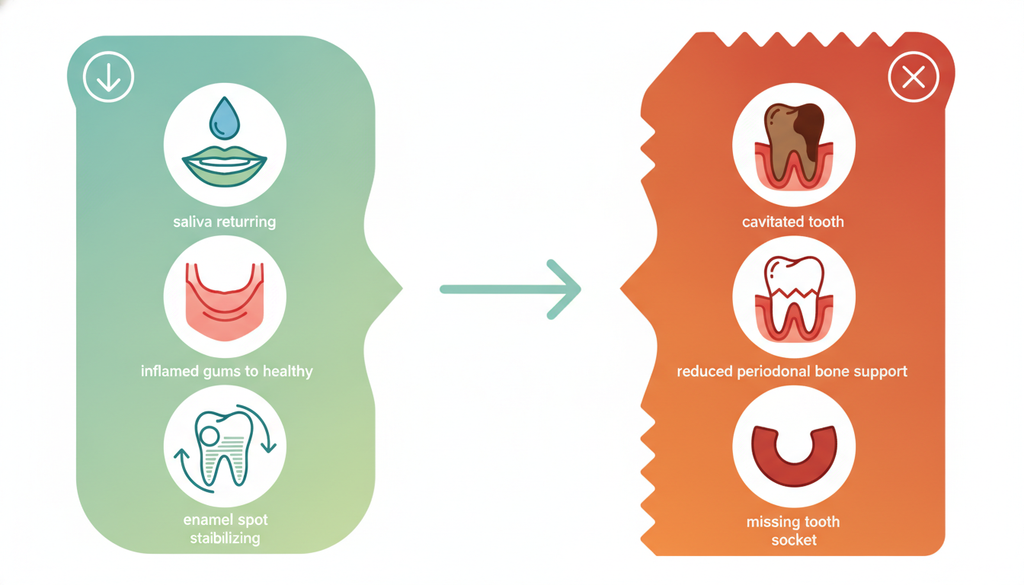
Meth mouth teeth may show up as brown or black cavities, broken edges, missing pieces, retained roots, loose teeth, swollen gums, bad breath, or pain with chewing. Some people have decay near the gumline. Others have decay between front teeth. Molars may be badly broken because they take heavy chewing and grinding forces.
The mouth may feel dry or sticky. The lips may crack. The person may need water at night or have trouble swallowing dry foods. Some people feel embarrassed to smile or speak, which can make it harder to look for work, go to treatment, or keep social support.
Still, you cannot prove meth use from teeth alone. Severe decay can also come from medication related dry mouth, reflux, vomiting, eating disorders, high sugar intake, limited dental care, radiation treatment, tobacco use, or other health problems. A dentist should ask about all of these in a calm, nonjudgmental way.
This is where stigma can do real harm. If a clinician assumes every broken or decayed tooth is caused by meth, they may miss reflux, medication effects, diabetes, eating disorder symptoms, or another cause of dry mouth. They may also make the patient less likely to tell the truth about substance use, which can affect dental safety.
Can Meth Mouth Get Better?
Yes, parts of meth mouth can get better, especially after meth use stops and dental care starts. But some damage cannot reverse on its own.
Gingivitis can often improve with cleaning and better plaque control. Early enamel changes may be arrested or partly remineralized if the surface has not broken open. Dry mouth risk may improve for some people after meth use stops, hydration improves, and sugar exposure drops.
But a cavity that has opened into the tooth will not refill itself. Lost enamel and dentin do not grow back. A missing tooth will not return. Bone loss from advanced gum disease usually needs long term management, and the goal is often to stop more loss rather than restore everything that was lost.
A small withdrawal study looked at saliva volume and pH during early recovery, but it does not prove that saliva always returns to normal on a set timeline after early withdrawal. So it is fair to hope for improvement, but not fair to promise that dry mouth will be fixed after a certain number of days.
| Problem | Can it improve after stopping meth? | What dental care may be needed |
| Dry mouth risk | Often may improve, but timing is not certain | Fluoride, hydration, saliva support, diet changes |
| Gingivitis | Usually yes with plaque removal and brushing | Cleaning, home care coaching, follow up visits |
| Early enamel spots | Sometimes can be stopped or partly repaired | Fluoride, less sugar, close monitoring |
| Open cavities | Risk can slow, but the hole stays | Fillings, crowns, root canal treatment, or extraction |
| Broken teeth | No natural repair | Restorations, crowns, smoothing, or removal if hopeless |
| Advanced gum bone loss | Inflammation can improve, lost support may not return | Deep cleaning, gum care, maintenance |
| Missing teeth | No | Dentures, bridges, implants when possible |
The hopeful part is this: stopping meth can make dental treatment work better. It can help you keep appointments, heal more safely, reduce new decay, and make restorations last longer.
When Dental Care Should Not Wait
Tooth pain and swelling are not just cosmetic problems. A dental infection can spread into the face, jaw, neck, or airway. If you have swelling under the tongue, swelling under the jaw, trouble breathing, trouble swallowing, drooling, fever with confusion, a muffled voice, eye swelling, or severe trouble opening your mouth, that is urgent.
Routine dental visits are not enough for those signs. Emergency medical care may be needed because airway assessment comes first in serious dental infections. Medical guidance on dental infections says airway safety is the top concern when swelling or deep infection may be present in dental infections.
For severe tooth pain without airway signs, same day urgent dental care is still wise. Antibiotics alone may calm symptoms for a short time, but they usually do not remove the source. A dentist may need to drain infection, treat the root canal system, or remove a tooth that cannot be saved.
Pain can also affect recovery. If someone is trying to stop meth but cannot sleep, eat, or think because of dental pain, that pain becomes a recovery issue. Good dental care should treat pain seriously without shaming the person for substance use.
Dental Safety During Meth Use or Early Recovery
A history of meth use should not automatically block dental care. People deserve treatment for pain, infection, and broken teeth. At the same time, dental teams need to know about recent use because meth can raise blood pressure, heart rate, anxiety, and the risk of unsafe reactions during some procedures.
Elective dental work may need to wait if someone is acutely intoxicated, very agitated, having chest pain, showing severe blood pressure changes, or unable to give clear consent. Dental guidance says the team should weigh current stability, intoxication, medical risk, and urgency rather than refuse care based only on a substance use history in dental teams.
Local anesthetic choices may also need care, especially when epinephrine is being considered. Sedation needs careful planning too. A dentist may ask when meth was last used, what other substances or medicines are involved, and whether the patient has heart symptoms. Those questions are about safety, not punishment.
If you are the patient, it helps to be honest. You can say, “I used recently, and I am worried you will refuse to treat me.” A good clinician should respond by finding the safest way to handle urgent needs and by planning elective work when your body is more stable.
What Treatment Usually Looks Like
Good care for meth mouth usually happens in stages. The first goal is relief from pain, infection, sharp broken teeth, and trouble eating. The next goal is to stop new disease with fluoride, brushing support, dry mouth care, and fewer sugary drinks. The final goal is repair, which may mean fillings, crowns, root canal treatment, gum therapy, extractions, dentures, or other tooth replacement.
A dentist may not fix every tooth at the first visit. That can feel frustrating, especially when you want your smile back. But staged care is often safer and smarter. It lets the dental team save teeth that have a good chance, remove teeth that cannot be saved, and avoid spending time or money on work that will fail because active decay and dry mouth are not controlled.
Small changes matter. Water helps more than soda for dry mouth. Fluoride toothpaste can protect exposed roots. A soft brush can reduce gum irritation. Short dental visits may be easier during early recovery than long ones. If anxiety is high, telling the dentist before treatment can help them slow down and explain each step.
If you have dentures already, they may need adjustment after infections are treated or teeth are removed. If many teeth are missing, replacement can improve chewing, speech, and confidence. Dental repair is not vanity. Being able to eat, sleep, smile, and speak without pain can support recovery in a very real way.
Paying for Care With Medicaid or No Insurance
Access is often the hardest part. Adult Medicaid dental coverage is optional under federal law, so coverage changes by state. Some states cover exams, cleanings, fillings, root canals, crowns, dentures, and extractions. Others limit adult dental care to emergencies or set caps that make larger treatment plans hard to finish. MACPAC explains that adult dental benefits vary widely under Medicaid coverage.
If you have Medicaid, do not stop at asking, “Do I have dental?” Ask what your exact plan covers, whether there is an annual cap, whether root canals or dentures need approval, and which dentists accept new adult Medicaid patients. A written treatment plan can help you use limited benefits in the right order.
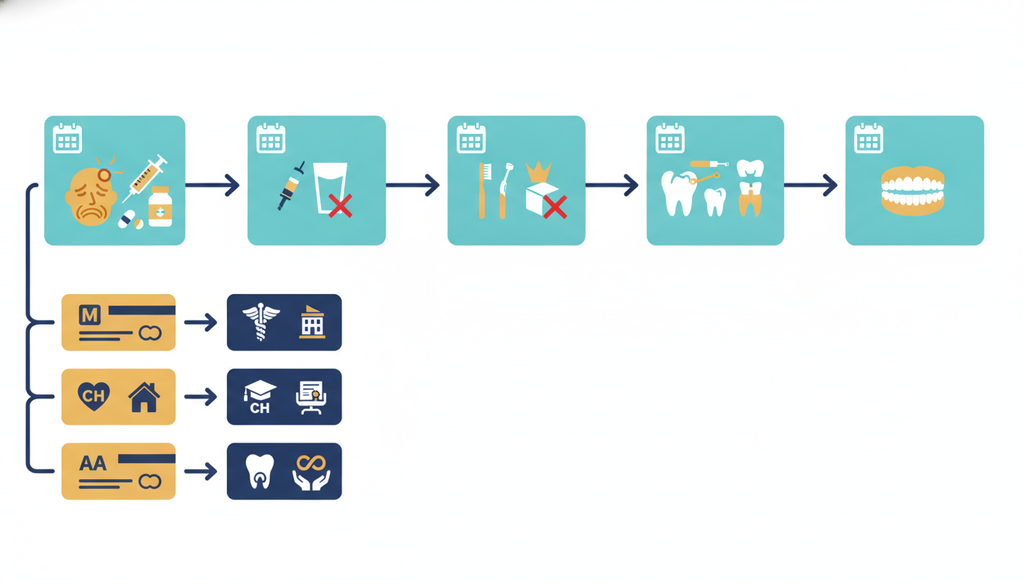
If you do not have insurance, look for clinics that use sliding fees, dental schools, community health centers, and local charity dental events. The American Dental Association lists community clinics and dental schools among places to look for affordable dental care when cost is a barrier.
Addiction treatment programs can help too when they know dental pain is part of the problem. Some programs build dental referrals into recovery care. NASHP describes oral health programs linked with substance use treatment and notes that dental care can support treatment completion and recovery related outcomes through oral health support.
Why This Matters for Recovery
Meth mouth can hurt more than teeth. It can affect sleep, nutrition, speech, work, relationships, and self respect. It can also keep someone stuck in a cycle of emergency pain visits, missed appointments, and shame.
The right message is balanced. Stopping meth is a major step because it lowers ongoing risk and makes dental work more likely to succeed. But stopping meth does not replace dental care. Teeth with open cavities, infected roots, broken crowns, or severe gum disease still need treatment.
If you love someone with meth teeth, try to lead with care rather than disgust. Offer help finding a dentist, checking benefits, getting to an appointment, or asking a treatment program for support. If you are dealing with this yourself, you are not beyond help. Even when some teeth cannot be saved, pain can be treated, infection can be controlled, and a staged plan can rebuild function.
Recovery is easier when your mouth is not in crisis. If meth use is affecting your health, teeth, or daily life, reach out to our team at Thoroughbred Wellness and Recovery for supportive care through a trusted detox program.


 Give Us A Call


