
 info@thoroughbredbhc.com
If you are wondering how long does a cocaine high last, the answer depends mostly on how cocaine is used. Smoked cocaine often feels intense for about 5 to 10 minutes, injected cocaine for about 10 to 20 minutes, and intranasal effects can last about 60 to 90 minutes. This guide explains the timeline, why redosing happens, and when symptoms call for medical or clinical support.
How Long Does a Cocaine High Last by Route?
The direct answer is that a cocaine high can last from a few minutes to more than an hour, depending on the route, dose, purity, tolerance, and whether more is used during the same session.
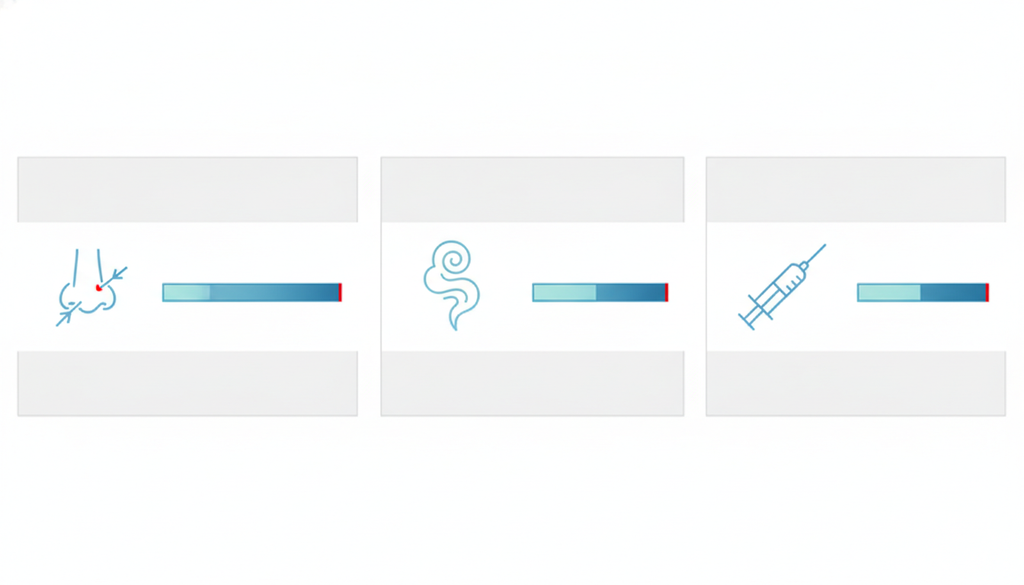
Route matters because it changes how fast cocaine reaches the bloodstream and brain. Smoking and injection create a much faster rush than snorting. Snorting usually comes on more slowly, but the felt effects may last longer.
A plain way to think about it is this:
- Snorting cocaine often starts after several minutes and may last about 60 to 90 minutes, smoking can start within seconds and may feel intense for about 5 to 10 minutes, and injection can create a rush within about 30 to 45 seconds that often lasts about 10 to 20 minutes.
These ranges are not safety rules. They are broad patterns. A person may feel the euphoria fade while cocaine is still affecting the heart, brain, mood, sleep, and judgment.
What Changes the Timeline?
Cocaine does not have one simple timeline. The same person may have a different experience on different days. Dose, purity, sleep, hydration, tolerance, physical health, alcohol use, opioid use, and recent abstinence can all change the way the high feels.
Controlled research comparing routes found that smoked cocaine produced stronger ratings of good effects and liking than intravenous cocaine, even when some body responses were similar at comparable blood levels. That finding from a route comparison study helps explain why the felt reward can differ from what blood concentration alone would predict.
This matters because people often judge risk by how they feel. If the high is gone, they may assume the drug is gone too. That is not a safe assumption.
Snorting Cocaine
Intranasal cocaine, often called snorting, has a slower onset because it must pass through the nasal tissue. The desired effects may begin after several minutes and can last much longer than smoked or injected cocaine.
The Centre for Addiction and Mental Health describes intranasal effects as slower and longer lasting, with a snorted high that may last about 60 to 90 minutes. That longer window can make snorting seem less risky, but it can still strain the heart, raise blood pressure, affect judgment, and lead to repeated use.
Snorting can also harm the nose and sinuses over time. Cocaine narrows blood vessels, including in nasal tissue. With repeated use, this can lead to irritation, bleeding, infection, reduced smell, and more serious tissue damage.
Smoking Cocaine
Smoked cocaine has a very fast onset. The high can begin within seconds, peak quickly, and fade fast. Many people describe this as a sharp rush followed by a strong urge to repeat the dose.
In a controlled study of smoked cocaine, peak blood levels occurred within minutes, and several subjective effects were highest right after use. The study on smoked cocaine also showed that felt effects do not always move in step with cocaine levels in the body.
That mismatch is a key point. A person may feel like the high has ended, yet the body may still be under stress. If they smoke more to bring back the rush, each dose can add to a nervous system and cardiovascular system that have not fully settled.
Injecting Cocaine
Injected cocaine reaches the bloodstream directly. The rush can happen very quickly, often within less than a minute. It is also short lived, which can lead to repeated dosing in a short window.
Injection brings more risks beyond cocaine itself. These include infection, vein injury, and transmission of HIV or hepatitis if equipment is shared. It also carries high acute risk because the dose enters the body so quickly.
Even when the rush fades, heart rate, blood pressure, agitation, anxiety, and other effects may continue. That is why the end of the rush should never be used as proof that it is safe to use more.
Why the High Fades Before the Risk Does
Cocaine’s rewarding effects can fade faster than its strain on the body. That gap is one reason cocaine use can become dangerous quickly.
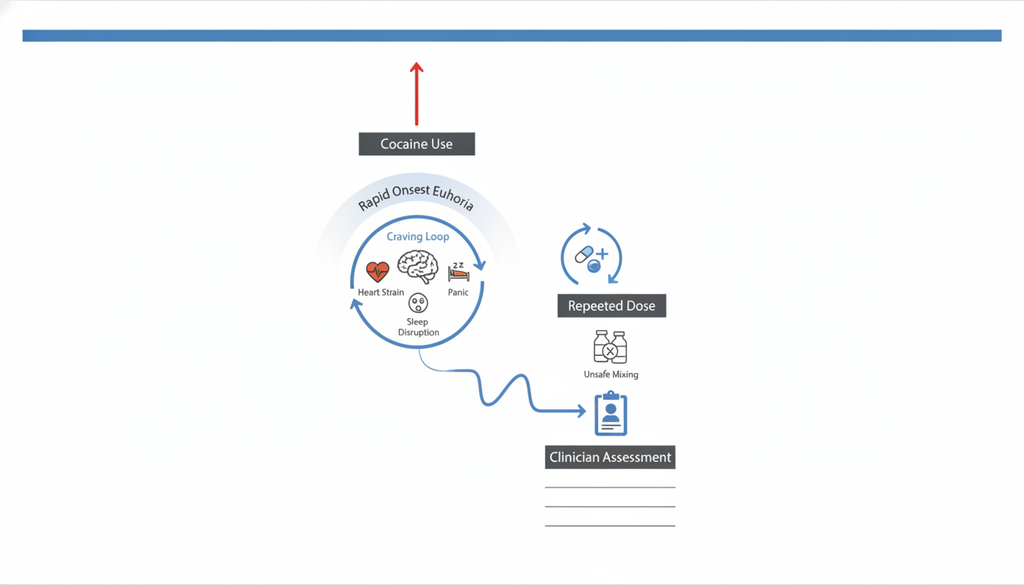
Smoked and injected cocaine can create a cycle of rush, fade, craving, and redosing. The person may not be chasing a long high. They may be trying to bring back a feeling that disappeared within minutes.
Brain imaging research found that smoked cocaine had an absorption half time of about 1.1 minutes, while intranasal cocaine had an absorption half time of about 11.7 minutes. Those absorption times show why smoking can feel so abrupt compared with snorting.
The crash can also begin soon after the high fades. That crash may include fatigue, low mood, irritability, anxiety, hunger, sleepiness, and strong craving. UF Health describes cocaine withdrawal as including strong craving, fatigue, depressed mood, sleep change, and irritability.
This is where confusion can happen. The person may think, “I just need a little more to feel normal.” But redosing can raise risk, especially if the body is already stressed.
Redosing Is a Risk Signal
Redosing means using more during the same session. It is common with short acting routes, especially smoking and injection. It is also one of the clearest signs that the situation needs attention.
Redosing does not automatically mean someone has cocaine use disorder. It does mean the person may be in a higher risk pattern.
The main danger is cumulative exposure. Each dose may feel like a separate event, but the body does not reset after every hit, line, or injection. Cocaine can keep raising strain on the heart and brain while judgment gets worse.
Risk rises further when cocaine is mixed with alcohol, opioids, sedatives, or other stimulants. It also rises after a period of abstinence because tolerance may be lower than the person expects.
If someone keeps using after chest pain, panic, severe paranoia, breathing trouble, or a frightening physical reaction, that is more concerning than duration alone. The timeline matters, but the pattern matters more.
When Redosing Points to a Disorder
Cocaine use disorder is not diagnosed by the number of doses in one night. It is diagnosed by a pattern over time.
DSM 5 TR aligned guidance says stimulant use disorder requires at least two criteria within the same 12 month period, along with clinically significant distress or problems in life. Cocaine is included under stimulant use disorder.
One key criterion is using more or for longer than intended. That means redosing may matter if someone planned to use once but kept going for hours, planned to spend a small amount but spent far more, or repeatedly promised themselves they would stop and could not.
Redosing may also connect to craving, failed efforts to cut down, hazardous use, tolerance, withdrawal, or continued use despite harm. But each point needs to be assessed. A single night of repeated use is not enough by itself to make a diagnosis.
This distinction matters because shame can stop people from getting help. You do not need to label yourself to take the pattern seriously. If cocaine use is becoming harder to control, support can start before a diagnosis is certain.
How Long Does a Cocaine High Last Compared With a Crash?
The high is usually much shorter than the crash. A smoked high may last minutes, but the comedown can last many hours. After a binge, low mood, fatigue, sleep changes, irritability, and cravings can continue into the next day or longer.
This is one reason the question “how long does cocaine high last” can be misleading. The euphoria may be brief, but the fallout may last much longer.
A crash may feel like depression, anxiety, or deep exhaustion. Some people sleep for long periods. Others cannot sleep at all, even when they feel drained. Some feel numb or hopeless. Others feel agitated and restless.
A crash is not always an emergency, but it deserves respect. Suicidal thoughts, severe paranoia, hallucinations, dangerous agitation, or inability to stay safe should lead to same day help or emergency care.
The end of the high is not the end of the risk.
When to Get Medical Help Now
Cocaine can cause serious problems quickly. The most urgent signs include chest pain, irregular heartbeat, fainting, severe shortness of breath, seizure, severe headache, weakness on one side, confusion, overheating, collapse, or loss of consciousness.
The CDC says suspected stimulant overdose can become a medical emergency and calls for emergency care rather than waiting for symptoms to pass.
Call emergency services if any of those symptoms appear after cocaine use. Do not wait to see whether the high wears off. Heart attack, stroke, seizure, dangerous overheating, and severe agitation can happen with cocaine.
There is another risk too. Cocaine may be mixed with opioids such as fentanyl, even when the person did not intend to take an opioid. Naloxone reverses opioid overdose, not cocaine toxicity, but SAMHSA notes that naloxone reverses opioid overdose and should be used when opioid exposure is possible.
Possible opioid overdose signs include unresponsiveness, slow or stopped breathing, blue or gray lips, and pinpoint pupils. If these happen, call emergency services, give naloxone if available, and stay with the person.
Screening Can Help Before Things Get Worse
You do not have to wait for a crisis to ask for help. If cocaine use is becoming more frequent, harder to stop, or tied to anxiety, depression, money problems, work problems, relationship strain, or health scares, screening is a reasonable next step.
The World Health Organization developed the ASSIST to identify substance related health risk and guide brief intervention or referral. The WHO ASSIST is a screening tool, not a diagnosis, but it can help sort low, moderate, and high risk use.
A good assessment should look at route of use, frequency, redosing, cravings, crash symptoms, other substances, medical history, mental health, and safety. It should also ask what the person wants. Some people want to stop. Some want to reduce harm first. Some are not sure yet.
That uncertainty is normal. A respectful clinician can meet the person where they are while still being honest about risk.
Treatment and Support
Stimulant use disorder can be treated. The right level of care depends on safety, medical risk, mental health needs, and how much support the person has at home.
The ASAM and AAAP guideline identifies contingency management as the current standard of care for stimulant use disorder. The stimulant guideline also stresses assessment for medical and psychiatric concerns, including agitation, psychosis, suicidality, and cardiovascular symptoms.
Treatment may include individual counseling, group therapy, family support, relapse prevention planning, mental health care, and help with sleep, mood, anxiety, trauma, or other co occurring concerns. If someone is using cocaine with alcohol, opioids, benzodiazepines, or other drugs, care should account for those risks too.
There is no single path that fits everyone. The best plan is practical, honest, and safe. It should reduce immediate risk while helping the person build enough support to change the pattern.
Why This Matters
A cocaine high may be brief, especially when smoked or injected. That short duration can make redosing feel urgent. But the body may still be under strain after the euphoria fades, and the crash can bring intense craving, low mood, and poor judgment.
So the better question is not only “how long does a cocaine high last?” It is also, “What happens after it fades, and is the pattern getting harder to control?”
If use is rare, the answer may be education, safer choices, and support. If use keeps going longer than planned, leads to redosing, causes health scares, or brings a painful crash, it is time to take it seriously.
You do not need to hit a dramatic bottom to deserve help. Cocaine related risk often shows up first as small warning signs: using more than intended, hiding use, feeling scared by symptoms, or promising to stop and then going back.
If cocaine use feels hard to stop, compassionate detox support at Thoroughbred Wellness and Recovery can help you take the next safe step.


 Give Us A Call


