Author: Thoroughbred BHC

Adderall and Ketamine: Can You Mix Adderall and Ketamine?

Mixing Adderall and ketamine creates overlapping cardiovascular and psychiatric risks that can be dangerous. 

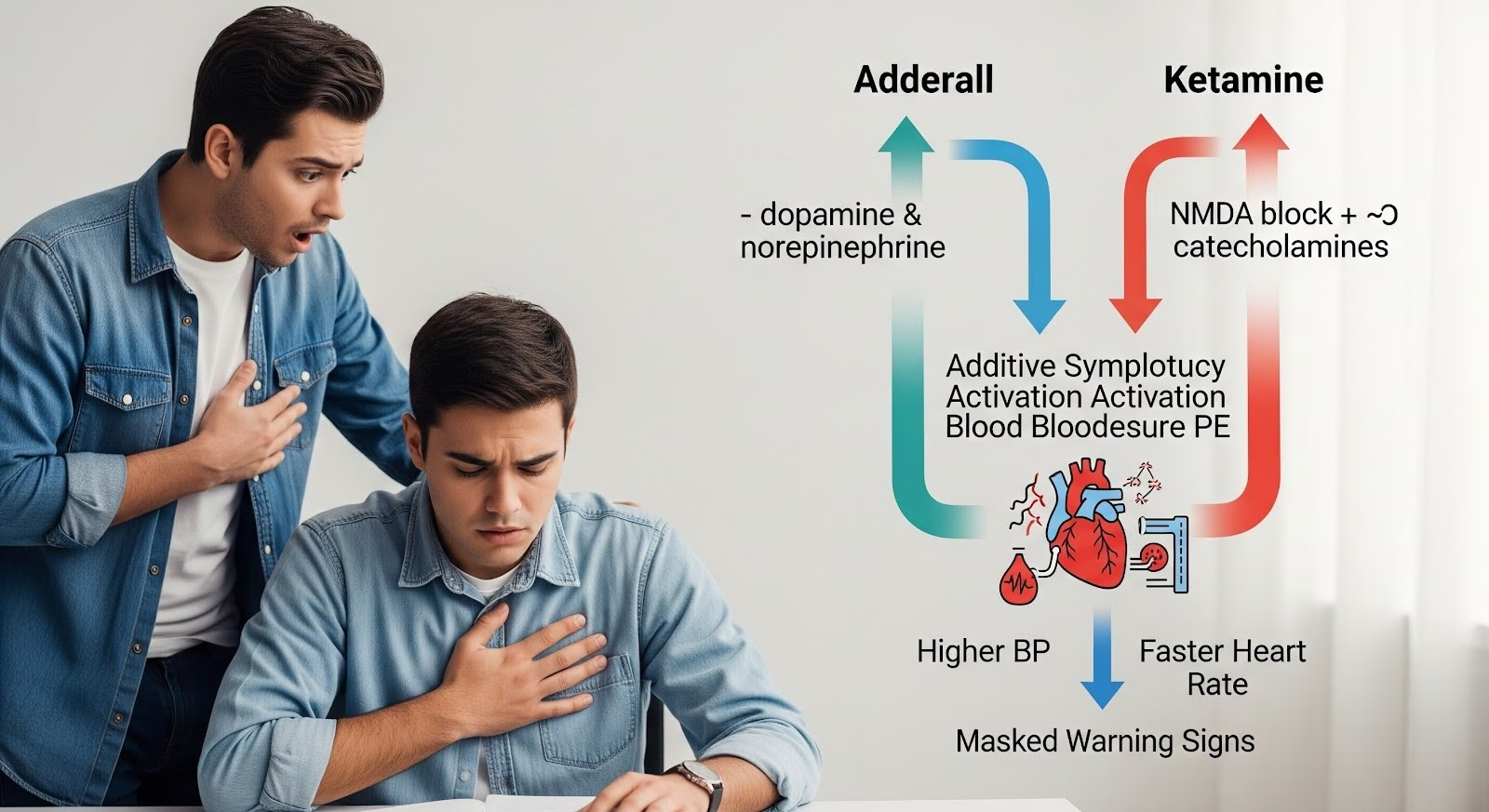
Both drugs activate the sympathetic nervous system, raising blood pressure and heart rate, while ketamine’s dissociative effects can mask or worsen stimulant-related agitation. 

In medically supervised settings, protocols exist to manage these risks, but recreational mixing is high-risk and should be avoided.

This article explains the interaction between Adderall and ketamine, the short-term side effects of combining them, and what you need to know to stay safe.

What Happens When You Mix Adderall and Ketamine?

Adderall (mixed amphetamine salts) and ketamine both influence the body’s catecholamine system, which controls heart rate, blood pressure, and arousal. 

Adderall increases dopamine and norepinephrine by promoting their release and blocking their reuptake. Ketamine, while primarily an NMDA receptor antagonist, also inhibits catecholamine reuptake and stimulates catecholamine release in the peripheral nervous system.

When combined, these mechanisms create additive sympathetic activation, meaning the cardiovascular effects stack on top of each other. 

Blood pressure and heart rate rise more than with either drug alone. This interaction is mechanistically plausible and clinically recognized in emergency medicine and anesthesia practice.

In therapeutic contexts, esketamine (the S-enantiomer of ketamine, marketed as Spravato) is sometimes prescribed to patients already taking stimulants for ADHD. 

The Canadian Product Monograph for Spravato requires monitored administration with blood pressure checks before and after dosing, acknowledging the hemodynamic risks of co-exposure.

Cardiovascular Risks of Combining Adderall and Ketamine

The primary short-term danger of mixing Adderall and ketamine is cardiovascular strain. Both drugs raise blood pressure and heart rate through overlapping pathways.

Amphetamine-type stimulants cause peripheral vasoconstriction and cardiac stimulation. At therapeutic doses, these effects are usually mild, but at higher doses or in people with underlying heart conditions, they can trigger hypertension, arrhythmias, or even stroke. 

Ketamine similarly increases sympathetic tone, with blood pressure and heart rate elevations commonly observed during administration.

When both drugs are present, the pressor effects add together. A person on a moderate dose of Adderall who then uses ketamine may experience a sharp spike in blood pressure that would not occur with either drug alone. 

This risk is highest in people with hypertension, structural heart disease, or cerebrovascular disease.

Emergency department data support this concern. Ketamine is used to control severe agitation, including in stimulant-intoxicated patients, but clinical policy from the American College of Emergency Physicians recommends benzodiazepine-antipsychotic combinations as first-line treatment for agitation, reserving ketamine for situations where immediate safety is at risk. 

This reflects awareness of ketamine’s hemodynamic liabilities, especially in sympathomimetic states.

Anesthesia safety reviews note that patients with methamphetamine use disorder can develop refractory hypertension during procedures. 

While these reviews focus on illicit stimulants, the pharmacology applies to prescription amphetamines like Adderall. Anesthesia professionals are advised to anticipate difficult blood pressure control and have antihypertensive strategies ready.

Key Cardiovascular Effects

  • Additive increases in blood pressure and heart rate
  • Elevated myocardial oxygen demand
  • Potential for arrhythmias in susceptible individuals
  • Risk of hypertensive crisis at high doses or in vulnerable patients

Psychiatric and Neurological Risks

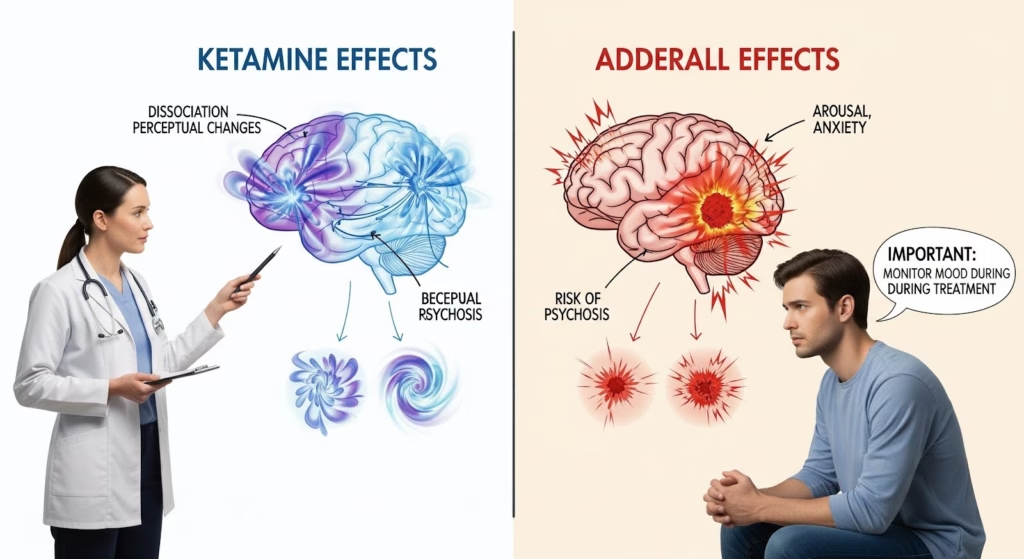
Beyond cardiovascular effects, the ketamine and Adderall interaction carries psychiatric risks. Ketamine causes dissociation, perceptual changes, and psychotomimetic experiences. 

Adderall increases arousal, anxiety, and at high doses, can trigger psychosis. Together, these effects can create acute psychiatric instability.

Pharmacovigilance data from the FDA Adverse Event Reporting System (FAERS) show signals for dissociation, sedation, suicidal ideation, and completed suicide with esketamine. While spontaneous reports cannot prove causation, they highlight the need for careful monitoring.

Case reports describe paradoxical worsening of depression and emergent suicidal ideation in two patients receiving intranasal esketamine for treatment-resistant depression. Both improved after discontinuation. 

These cases are rare but underscore the importance of mood monitoring during ketamine treatment, especially in patients on stimulants who may already have comorbid anxiety or depressive symptoms.

Stimulant misuse is common among people prescribed ADHD medications. A 2025 systematic review found that 22.6% of individuals prescribed stimulants reported past-year misuse, and 18.2% reported past-year diversion. 

Risk factors included being prescribed an amphetamine-based stimulant, comorbid depression or anxiety, and perceiving misuse as low-risk. This overlap between stimulant misuse and psychiatric comorbidity increases the likelihood of uncontrolled co-use with ketamine.

Ketamine is also documented as an adulterant in stimulant supplies, including methamphetamine and MDMA. People who use stimulants recreationally may unknowingly be exposed to ketamine, compounding cardiovascular and neurological risks.
Short-Term Side Effects of Mixing Adderall and Ketamine

The table below summarizes the expected short-term adverse effects when Adderall and ketamine are combined, based on mechanistic pharmacology, clinical labeling, and emergency medicine practice.

EffectMechanismClinical Significance
HypertensionAdditive catecholamine release and reuptake inhibitionCan trigger stroke or myocardial infarction in vulnerable patients
TachycardiaSympathetic activation from both drugsIncreases myocardial oxygen demand; risk of arrhythmia
DissociationKetamine NMDA antagonismCan be distressing; may mask or worsen stimulant-related agitation
Anxiety/agitationStimulant arousal plus ketamine psychotomimetic effectsHeightened psychiatric instability; risk of panic or psychosis
Nausea/vomitingCommon with ketamineDiscomfort; aspiration risk if sedated
Emergence reactionsKetamine-related perceptual disturbancesOccur in 10–20% of ketamine users; managed with benzodiazepines

These effects are most pronounced when doses are high, when mixing occurs in unmonitored settings, or when individuals have underlying cardiovascular or psychiatric vulnerabilities.

Medical Use: Esketamine and Stimulant Co-Prescribing

In clinical practice, some patients receiving esketamine for treatment-resistant depression are also prescribed stimulants for ADHD. This scenario is explicitly anticipated in esketamine labeling and risk mitigation programs.

The Spravato Canadian Product Monograph requires administration in a controlled setting with pre-dose blood pressure assessment and at least two hours of post-dose monitoring. Patients must not drive on the day of treatment due to sedation and dissociation risks.

While labeling does not contraindicate stimulant co-prescribing, the additive pressor risk necessitates careful management. Best practices include:

  • Holding or reducing the stimulant dose on esketamine treatment days
  • Checking baseline blood pressure and heart rate before dosing
  • Monitoring vital signs at intervals after administration
  • Having antihypertensive and anxiolytic medications available
  • Screening for mood worsening or suicidal ideation at each session

A practical approach is to ask patients to skip their morning Adderall dose on esketamine days and resume it later in the day only after vital signs have stabilized and dissociative effects have resolved. This minimizes the overlap of peak drug effects.

Patients with hypertension, arrhythmia, or structural heart disease should undergo cardiovascular evaluation before starting esketamine, especially if they are on stimulants. Cardiology consultation may be warranted for high-risk individuals.

Recreational Mixing: Why It’s Dangerous?

Outside medical settings, mixing Adderall and ketamine is high-risk. Recreational use lacks the safeguards of clinical administration: no pre-dose screening, no vital sign monitoring, no emergency protocols, and often unpredictable drug purity and dosing.

Ketamine is sometimes used in nightlife settings to “temper the crash” after stimulant binges. However, this practice does not reduce cardiovascular strain. 

In fact, the combination can produce a confusing subjective state where dissociation masks the body’s warning signs of sympathetic overload, such as chest pain or severe headache.

Emergency department networks in Europe document frequent stimulant-related toxicity presentations involving polysubstance use, with agitation, hyperthermia, and need for sedation or intubation. 

While these reports focus on illicit stimulants like methamphetamine and MDMA, the pharmacology applies to Adderall.

Harm reduction messaging should emphasize:

  • Avoid mixing stimulants and ketamine due to additive cardiovascular and psychiatric risks
  • Be aware that ketamine may be present as an adulterant in stimulant supplies
  • If co-use occurs, use the lowest doses possible, avoid hot or crowded environments, stay hydrated, and have a sober friend present
  • Seek medical care immediately for chest pain, severe headache, visual changes, or extreme anxiety

Managing Agitation When Both Drugs Are Involved

In emergency settings, clinicians sometimes encounter patients with mixed stimulant and ketamine exposure. 

The ACEP clinical policy on severe agitation recommends benzodiazepines as first-line treatment for stimulant-driven agitation because they counter the sympathomimetic syndrome and reduce seizure risk.

Ketamine can be used when rapid control is essential to protect patient or staff safety, but it carries risks of hypertension, tachycardia, and airway complications. 

Protocols must ensure monitoring capacity and readiness to manage emergence reactions, which occur in 10 to 20 percent of cases and are typically treated with benzodiazepines.

When both drugs are suspected, clinicians should anticipate additive pressor effects and have antihypertensive medications available. 

Airway equipment should be at hand due to rare but serious risks of laryngospasm or respiratory depression.

What the Evidence Shows?

No randomized, controlled human studies have directly evaluated the hemodynamic or psychiatric outcomes of simultaneous therapeutic ketamine and Adderall administration. Current risk characterization relies on:

  • Mechanistic pharmacology showing overlapping catecholamine pathways
  • Product labeling requiring blood pressure monitoring for esketamine
  • Emergency medicine and anesthesia practice experience
  • Pharmacovigilance signals for psychiatric adverse events
  • Case reports of paradoxical mood worsening

This evidence base supports caution but highlights the need for dedicated clinical trials to quantify absolute and relative risks in therapeutic populations.

Practical Recommendations

For patients on Adderall considering ketamine or esketamine treatment:

  • Discuss stimulant use with your ketamine provider before starting treatment
  • Expect pre-dose cardiovascular screening and vital sign monitoring
  • Plan to hold or reduce your Adderall dose on treatment days
  • Report any chest pain, severe headache, visual changes, or worsening mood immediately
  • Understand that paradoxical mood worsening, though rare, can occur and requires stopping treatment

For clinicians managing co-exposure:

  • Implement standardized protocols for stimulant dose management on ketamine days
  • Require pre-dose blood pressure and heart rate checks with deferral thresholds
  • Monitor vital signs at baseline and intervals post-dose for at least two hours
  • Screen for mood worsening and suicidality at each session
  • Have antihypertensive and anxiolytic medications available

For harm reduction in recreational contexts:

  • Avoid mixing stimulants and ketamine outside medical supervision
  • Be aware of adulteration risks in stimulant supplies
  • Use the lowest doses if co-use occurs, and have a sober friend present
  • Seek emergency care for warning signs of cardiovascular or psychiatric crisis

When to Seek Help?

If you or someone you know is struggling with stimulant misuse, ketamine use, or co-occurring mental health issues, professional support can make a difference. 

Integrated treatment that addresses both substance use and underlying psychiatric conditions offers the best chance for lasting recovery.

At Thoroughbred Wellness & Recovery, we provide compassionate, evidence-based care for individuals facing addiction and mental health challenges. 

Our team understands the complexities of polysubstance use and co-occurring disorders, and we’re here to help you find clarity and freedom. Reach out today to learn more about Thoroughbred’s Wellness and Recovery programs.
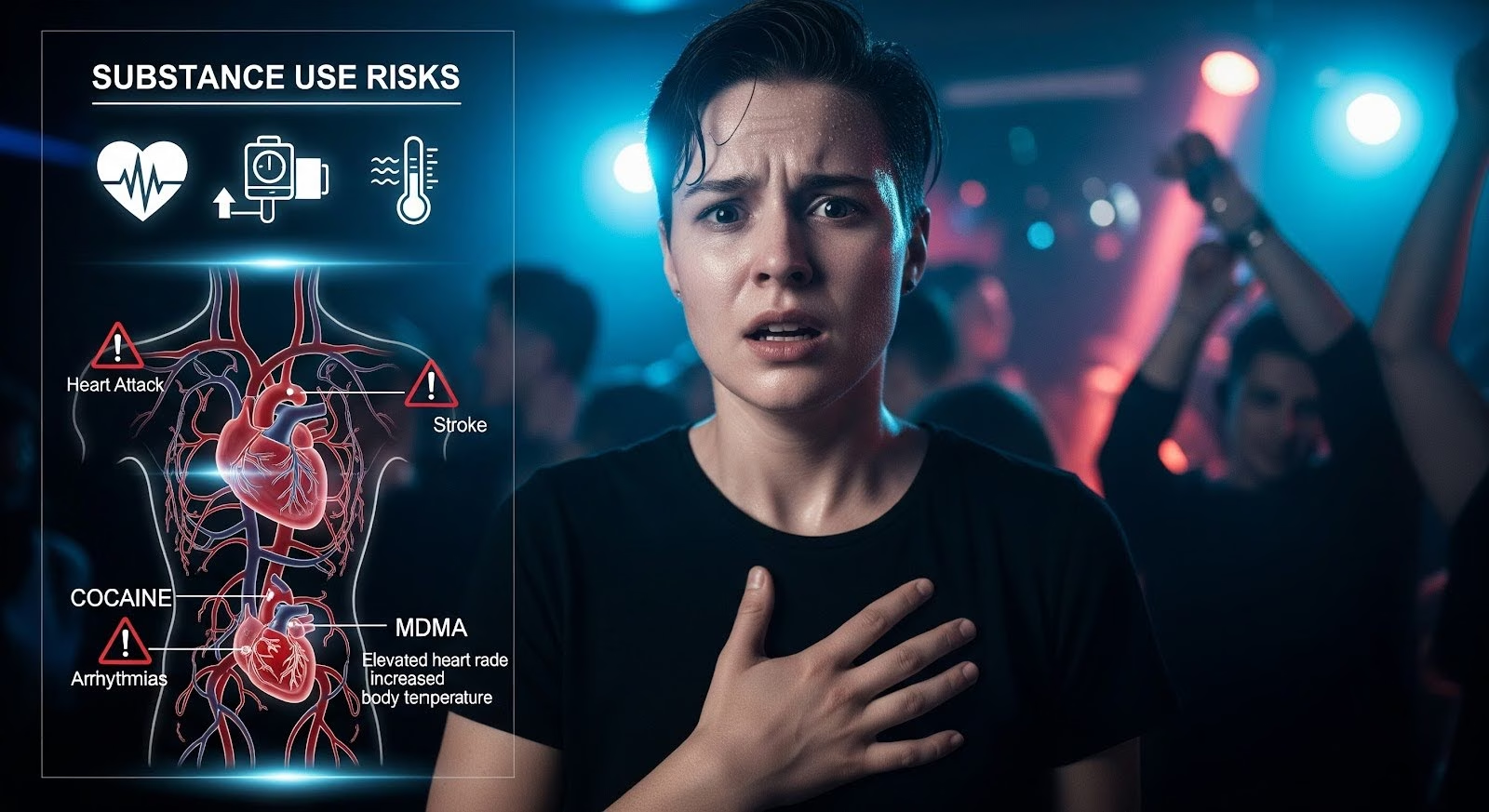
Can You Mix MDMA and Cocaine? Risks of Mixing MDMA and Cocaine

Many people in nightlife settings wonder if they can combine stimulants to enhance their experience. Mixing MDMA and cocaine creates dangerous additive effects that significantly increase the risk of heart complications, severe agitation, and heat stroke compared to using either drug alone. This article explains the specific dangers of this combination and how to recognize emergency signs.

Immediate Risks of Mixing MDMA and Cocaine

When you take two powerful stimulants together, the impact on your body is not just doubled; it can become unpredictable and severe. Both drugs force your heart to work harder, but they do so through different chemical mechanisms. This creates a “tug-of-war” in your cardiovascular system that can lead to critical medical emergencies.

Heart and Cardiovascular Strain

The most significant danger of mixing cocaine and MDMA is the stress it places on the heart. Cocaine constricts blood vessels and raises blood pressure, while MDMA increases heart rate and body temperature. When combined, these effects create a supra-additive risk for heart attacks, arrhythmias, and strokes.

Emergency department data shows that cocaine is already a leading cause of drug-related hospital visits in Europe, and adding other stimulants only increases the danger. The combination forces the heart to beat faster while simultaneously narrowing the vessels that supply it with blood, leading to a higher chance of chest pain and cardiac failure.

Heat Stroke and Dehydration

MDMA is well-known for affecting the body’s ability to regulate temperature. When users are dancing in hot, crowded clubs, the risk of hyperthermia (overheating) is already high. Adding cocaine to the mix worsens this risk because it further increases metabolic activity and prevents the body from cooling down efficiently.

Severe cases of hyperthermia can lead to muscle breakdown and organ failure. Clinical reviews indicate that these temperature spikes are a major driver of fatal outcomes in stimulant cases. The dehydration associated with this combination can also be confusing for users; MDMA can cause water retention issues, while cocaine promotes fluid loss, making it difficult to know how much water to drink safely.

How Common Is Mixing Cocaine and MDMA?

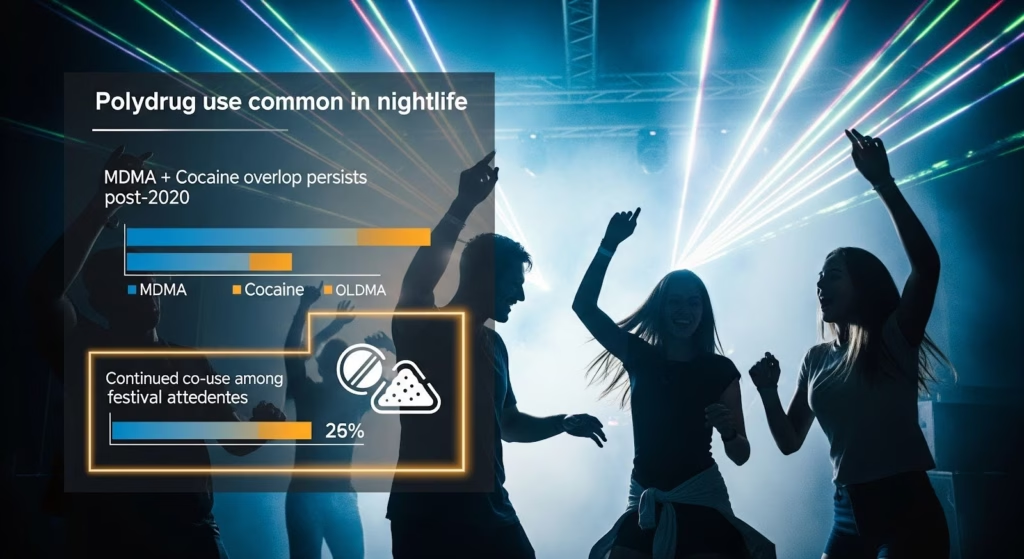
Polydrug use, or taking more than one drug at a time, is a standard behavior in many nightlife scenes. Surveys from electronic dance music (EDM) festivals and clubs suggest that while the popularity of specific drugs shifts over time, the practice of mixing remains prevalent.

Recent studies in New York City show that while overall use of MDMA and cocaine declined in some EDM populations after 2020, the overlap between users of these drugs persists. This means that even if fewer people are using, those who do are still likely to combine substances.

Alcohol is another major factor in this equation. Emergency room data reveals that alcohol is co-ingested in over 40% of acute drug toxicity cases. 

Alcohol creates a toxic chemical called cocaethylene when mixed with cocaine, which is far more toxic to the heart than cocaine alone. 

When you add MDMA to this mix, the potential for a life-threatening emergency rises sharply.

Unintentional Mixing and Adulteration

Sometimes, people end up mixing cocaine and MDMA without even realizing it. The illegal drug market is unregulated, and substances sold as “pure” MDMA or “Molly” often contain other stimulants.

Hidden Ingredients in the Supply

Drug checking services frequently find that powders or pills sold as MDMA actually contain methamphetamine or synthetic cathinones (bath salts). 

In 2021, test results from multiple U.S. cities confirmed that methamphetamine was often the only active ingredient in products sold as Molly. 

If a user takes cocaine alongside what they think is MDMA, they might actually be combining cocaine with methamphetamine, leading to extreme agitation and heart stress.

Fentanyl Contamination

A newer and more deadly risk is the presence of fentanyl in stimulant supplies. While fentanyl is less common in MDMA than in other drugs, it has been detected in cocaine samples. 

Because these drugs are often processed in the same locations, cross-contamination can occur. This introduces a risk of opioid overdose in people who only intended to use stimulants.

Long-Term Effects on the Brain

Can you mix cocaine and MDMA without lasting damage? The evidence suggests that frequent co-use may harm the brain more than using either drug separately. 

MDMA works by releasing large amounts of serotonin, while cocaine blocks the reuptake of dopamine and serotonin.

Research indicates that sustained use of MDMA alters serotonin markers in the brain, which can affect mood and memory (Urban et al., 2012). When cocaine is added, it complicates the brain’s recovery process. 

Animal studies suggest that cocaine might mask the visible signs of serotonin depletion in brain scans, making it harder for doctors to detect the extent of the damage (Banks et al., 2011). 

This “masking” effect does not mean the brain is safe; rather, it suggests that the injury is complex and harder to track.

Emergency Signs and What to Do?

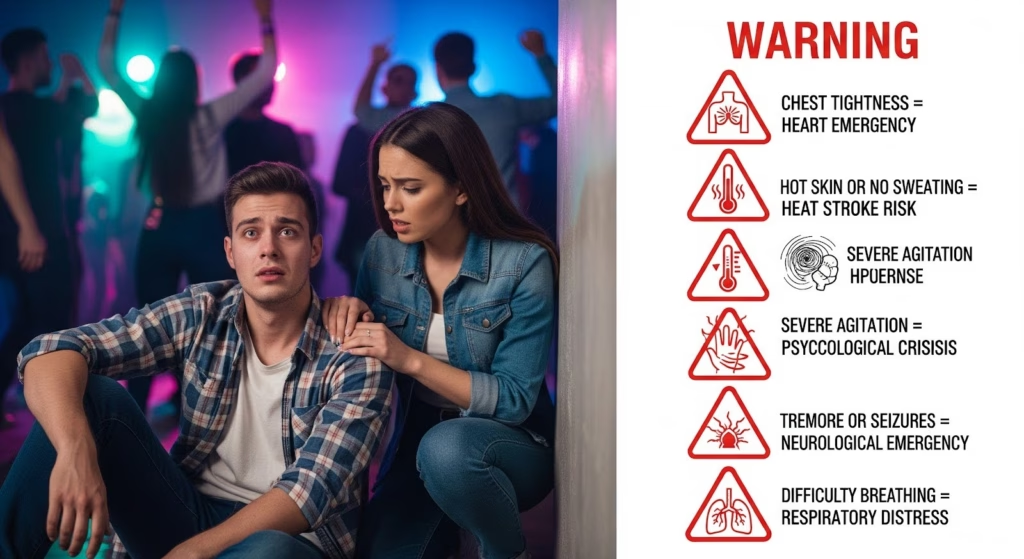
Recognizing the signs of a polydrug overdose can save a life. If you or someone else has combined these drugs, watch closely for symptoms that go beyond a typical “high.”

  • Chest Pain or Tightness: This is a sign of heart stress and requires immediate medical attention.
  • Severe Agitation or Paranoia: Extreme confusion or aggression is a common reason for hospital admission.
  • Overheating: If skin feels hot to the touch or sweating stops, heat stroke may be setting in.
  • Seizures or Tremors: Uncontrollable shaking indicates severe neurological toxicity.
  • Difficulty Breathing: This can signal heart failure or a reaction to contaminants like fentanyl.

If any of these symptoms occur, call 911 immediately. Be honest with emergency responders about what was taken, as this information is vital for proper treatment. 

Ambulance dispatches for drug-related issues often spike during large nightlife events, and medical teams are trained to handle these specific emergencies (ADE 2016 study, 2022).

Why Does It Matter?

The question “can you mix cocaine and mdma” often comes from a desire to extend a night out, but the biological reality is that these drugs fight each other in dangerous ways. 

The combination places extreme pressure on the heart and brain, increasing the likelihood of a medical emergency. Understanding these risks is the first step toward making safer decisions.

If you are struggling to stop using stimulants or mixing substances, professional support can help you break the cycle safely. 

Contact Thoroughbred Wellness & Recovery to learn more about our medical detox program and start your path to health today.

Cocaine and Bipolar Disorder: How Cocaine Affects Bipolar Symptoms?

If you live with bipolar disorder and use cocaine, you may have noticed that your mood swings feel more intense, your medications seem less effective, and your episodes happen more often. 

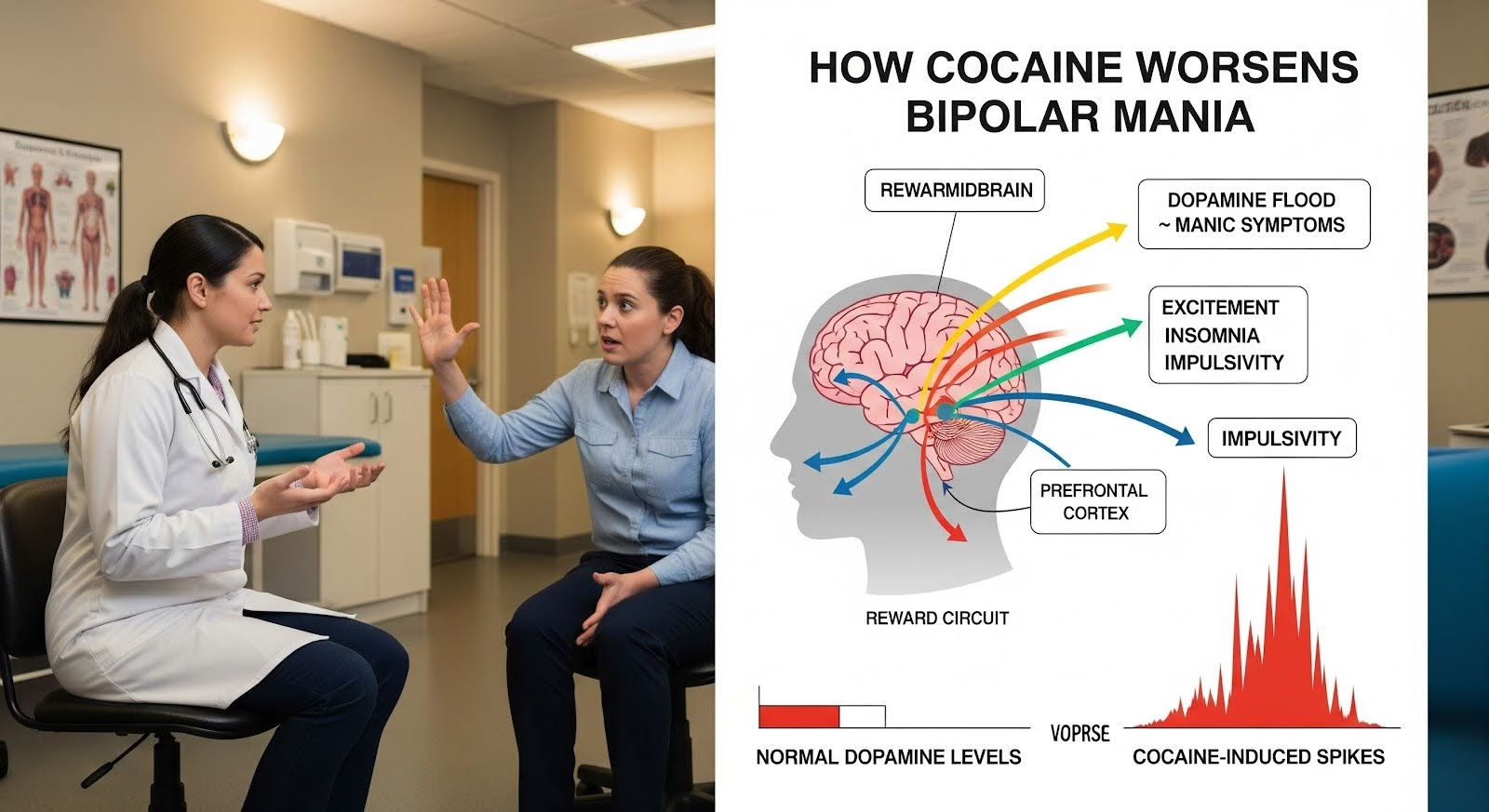
Cocaine amplifies dopamine signaling in the brain’s reward circuits, closely mimicking and worsening manic symptoms like excitement, insomnia, and impulsivity, while early abstinence triggers objective sleep deterioration that can precipitate new mood episodes. 

This article explains the neurobiological pathways linking cocaine to bipolar destabilization, reviews evidence on medication and behavioral treatments, and outlines practical strategies to stabilize mood and reduce relapse risk.

Why is Cocaine Especially Dangerous for People With Bipolar Disorder?

Bipolar disorder increases your risk of illicit drug use approximately fivefold compared to the general population, with cocaine being one of the most commonly used substances. 

This relationship runs both ways: having bipolar disorder makes you more vulnerable to cocaine use, and using cocaine makes your bipolar symptoms significantly worse.

Research shows that people with bipolar disorder who use cocaine experience more hospitalizations, poorer response to lithium, and greater overall illness burden than those without substance use. 

In one study, cocaine users with comorbid bipolar disorder had more lifetime months of cocaine abuse and greater drug use during treatment compared to cocaine users without bipolar disorder.

The clinical burden extends beyond mood symptoms. Substance use in severe mental illness correlates with medication nonadherence, unstable housing, legal problems, and elevated suicide risk. 

These social and behavioral consequences further undermine treatment stability, creating a cycle that is difficult to break without integrated care.

How Cocaine Triggers and Worsens Manic Episodes?

Cocaine’s effects on dopamine systems can closely mimic and intensify manic symptoms in people with bipolar disorder. Understanding how stimulant use disrupts brain reward pathways and destabilizes mood regulation is essential for recognizing and managing co-occurring substance use and mania:

Dopamine Amplification and Manic Symptoms

Cocaine intoxication can closely mimic acute mania, producing excitement, grandiosity, emotional lability, delusions, and insomnia. 

Both conditions share underpinnings in dopaminergic hyperactivity in brain reward and psychosis circuits.

When you use cocaine, it blocks dopamine transporters, flooding your synapses with dopamine. Chronic cocaine use upregulates dopamine transporter function as your brain tries to compensate for this overflow. 

When this homeostatic control fails during extreme stress or high-dose exposure, it can precipitate functional hyperdopaminergia and excited delirium, states with marked agitation and autonomic instability that parallel severe manic episodes.

PET studies in medicated manic patients show abnormal activation in the dorsal anterior cingulate cortex, frontal polar regions, and right inferior frontal areas. 

Task-related ACC activation correlates with mania severity, potentially reflecting heightened nucleus accumbens dopamine signaling. 

Genetic linkage near the dopamine transporter locus and reports of lower transporter expression in bipolar disorder further support the role of dopamine dysregulation in bipolar pathophysiology.

Postsynaptic Sensitization in Bipolar Disorder

Historic and translational observations indicate that dopamine agonism can induce hypomania or mania in people with bipolar disorder. 

L-dopa-induced hypomania and amphetamine-induced arousal have been documented, while catecholamine depletion interacts with lithium’s antimanic effects. 

This suggests postsynaptic dopaminergic sensitization in bipolar disorder, rendering you particularly vulnerable to stimulant-triggered mood switches.

Cocaine, as a potent dopamine reuptake inhibitor, can more readily precipitate mania or mixed states in people with bipolar disorder than in those without the condition, especially under conditions of sleep disruption or stress that further bias dopaminergic signaling.

The Sleep and Circadian Connection

Sleep disturbances and disruptions to the body’s natural rhythms are deeply intertwined with both cocaine abstinence and manic episodes. Understanding how these factors influence mood stability and relapse risk is crucial for developing effective interventions that support sustained recovery:

Early Abstinence Insomnia: A Hidden Danger

One of the most critical yet overlooked risks occurs when you stop using cocaine. Multi-study analyses show that between week one and week three of abstinence, chronic cocaine users experience significantly worse objective sleep: decreased total sleep time and sleep efficiency, increased sleep-onset latency, and increased REM latency.

The paradox is that subjective ratings of sleep quality improve during this same period, masking the risk. This “occult insomnia” means you may feel like you’re sleeping better while polysomnography shows your sleep is actually deteriorating. 

This first two to three weeks of cocaine abstinence constitutes a high-risk window for mood destabilization, impaired cognition, and relapse.

In a larger polysomnographic characterization of cocaine users in treatment, similar early abstinence sleep deterioration was observed, with modeling suggesting potential recovery in total sleep time only with extended abstinence beyond six weeks. 

These findings reinforce the importance of early abstinence sleep-focused interventions as essential to preventing relapse.

Sleep Deprivation as a Manic Trigger

Sleep disruption is a hallmark of mania, and sleep deprivation can precipitate manic switches in bipolar disorder. Circadian phase shifts have been documented in mania and mixed states and normalize with treatment. 

In a randomized controlled trial, blue-blocking glasses reduced manic symptoms, highlighting circadian entrainment as an antimanic strategy.

Clock and circadian systems modulate dopaminergic tone. In animal models, CLOCK gene perturbations produce mania-like behaviors and alter ventral tegmental area dopamine neuronal firing. Daytime dopaminergic spikes can drive rapid mood cycling in mice. 

Sleep deprivation, a canonical circadian stressor, can trigger mania in bipolar disorder, underscoring the bidirectional link between circadian disruption and dopaminergic behavioral sensitization.

Cocaine and Bipolar Disorder

Cross-Sensitization: How Stress, Mood Episodes, and Cocaine Amplify Each Other

Cross-sensitization posits that sensitization acquired in one domain increases responsiveness in another. 

Convergent preclinical and clinical data support cross-sensitization among intermittent stressors, mood episodes, and psychostimulant use, leading to mutually reinforcing cycles of increased reactivity, relapse propensity, and illness progression.

This triad of cross-sensitization mechanisms is especially relevant for bipolar disorder with cocaine use disorder. 

Stress often triggers cocaine craving and use, cocaine destabilizes mood circuits, and mood episodes sensitize stress and reward pathways. Together, these processes amplify relapse risk across both disorders.

The allostatic load framework captures the cumulative cost of chronic adaptation to stress, episodes, and substance exposure. 

Repeated perturbations require systemic recalibration of the HPA axis, neurotransmitter systems, and immune signaling, which progressively taxes neural circuits supporting mood regulation, cognition, and reward. This heightens vulnerability to further episodes and substance use.

Stress-induced activation of the HPA axis predicts cocaine craving and relapse. In women with crack cocaine addiction, polymorphisms in glucocorticoid receptor system genes modulated depressive symptom severity during early abstinence and influenced rehospitalization rates, implicating stress-genetic susceptibility in mood destabilization during cocaine withdrawal.

Distinguishing Cocaine Intoxication From Primary Mania

Cocaine intoxication can closely resemble acute mania, complicating diagnosis and treatment planning. Understanding the differences is critical for appropriate care.

Time course and trigger: Manic episodes typically last days to weeks, while cocaine intoxication peaks within hours, with residual stimulant effects lasting up to one to two days depending on dose and route. 

Substance-induced mania should temporally align with intoxication or withdrawal. Persistent syndromal mania beyond pharmacological windows suggests primary bipolar disorder.

Sleep signature: Acute cocaine use induces sleep loss followed by an abnormal early abstinence course with worsened objective sleep. 

Mania is classically associated with reduced need for sleep and shortening of REM latency during switches. In early abstinence, polysomnographic REM latency increases, differentiating it from typical manic REM changes and emphasizing the need for objective sleep assessments.

Psychosis content and autonomic instability: Severe autonomic dysregulation, hyperthermia, and delirium point to stimulant toxicity or excited delirium rather than primary mania. 

Such cases require medical stabilization, not psychiatric activation or exercise. Rhabdomyolysis risk in excited delirium and severe mania further supports cautious, medical-first management in unstable presentations.

FeatureCocaine IntoxicationEarly Cocaine WithdrawalPrimary Mania
Onset/DurationMinutes to hours post-use; brief to 1–2 daysDays to weeks post-cessationDays to weeks (episodes)
Arousal/SleepMarked insomnia, agitationObjective sleep worsens despite subjective improvementReduced need for sleep; shortened REM latency
PsychosisParanoia, hallucinations common; delirium possibleDysphoria; vivid dreams; less often florid psychosisPsychosis possible in severe mania
Autonomic signsTachycardia, hyperthermia, instability; arrhythmia riskNormalizing autonomics; fatigue/dysphoriaUsually less severe autonomic instability
Temporal linkAligned with recent useAligned with cessation window, weeks 1–3Not contingent on recent substance timing

Medication Strategies: What Works and What Doesn’t

Finding effective medication strategies for co-occurring bipolar disorder and cocaine dependence is complex, with some treatments showing modest benefits while others require further research. Understanding the nuances of lamotrigine and other pharmacotherapies is crucial for guiding clinical decisions and managing patient expectations:

Lamotrigine: Modest Effects on Cocaine Use

The most robust randomized controlled trial in bipolar disorder with comorbid cocaine dependence randomized 120 outpatients in depressed or mixed states to lamotrigine (up to 400 mg/day) or placebo for 10 weeks. 

The primary outcome, urine drug screens, and mood ratings did not differ significantly between groups. However, self-reported dollars spent on cocaine decreased more with lamotrigine both initially and across weeks one to ten.

Earlier open-label studies found lamotrigine associated with improvement in depressive and manic symptoms and cocaine craving, with mixed findings on actual use. 

The RCT suggests lamotrigine, a standard mood stabilizer for bipolar depression, might reduce the amount spent on cocaine without significantly altering verified abstinence or mood at 10 weeks.

Clinical takeaway: Lamotrigine may indirectly reduce cocaine spending, perhaps via mood stabilization and craving reduction, but does not reliably increase cocaine-negative urines or improve mood symptoms versus placebo over 10 weeks. 

It remains a reasonable choice for bipolar depression in this population, but its anticocaine effect is limited and insufficient as a sole strategy.

Other Pharmacotherapies

Citicoline: In randomized trials involving bipolar disorder with cocaine dependence, citicoline reduced cocaine-positive urines or active use and the likelihood of relapse, without significant effects on mood or craving measures. Although promising for cocaine metrics, replication and broader availability remain concerns.

Valproate: Pilot work suggested utility in bipolar disorder with co-occurring cocaine dependence, but the evidence base is limited and not specific to cocaine outcomes. Valproate remains valuable for mood stabilization and may indirectly reduce use by stabilizing mood.

Atypical antipsychotics: Quetiapine and risperidone have been associated with improvements in mood symptoms and craving in bipolar disorder with stimulant use, but randomized, placebo-controlled evidence for cocaine outcomes is sparse. Mood symptom control remains their primary role.

A 2019 systematic review of pharmacotherapies for co-occurring substance use disorder and bipolar disorder concluded that valproate sodium and lamotrigine may be preferred agents for combined psychiatric and substance outcomes, but most available studies are open-label with modest sample sizes. 

The review emphasized the preliminary nature of recommendations and the need for larger, well-controlled trials.

Behavioral Treatments That Actually Work

Effective behavioral treatments for substance use disorders, particularly for those with co-occurring mental health conditions, focus on tangible incentives and integrated therapeutic approaches. Contingency management and specialized group therapies offer proven strategies to increase abstinence, improve retention, and reduce relapse risk:

Contingency Management: The Gold Standard

Contingency management provides tangible incentives (vouchers or prizes) contingent on verified abstinence (negative urine samples) or attendance. 

Meta-analyses and randomized controlled trials demonstrate that CM increases abstinence rates, extends longest duration of abstinence, and improves retention.

In cocaine-dependent samples, high-magnitude abstinence-based reinforcement yields the most robust effects for patients who begin treatment while using. 

For those entering abstinent, both attendance-based and abstinence-based CM can improve outcomes on some measures. Notably, longest duration of abstinence during CM predicts abstinence at follow-up, validating it as a clinically meaningful target.

CM also generalizes to dual-diagnosis populations. In a randomized study of cocaine-dependent patients with severe and persistent mental health disorders, including bipolar disorder, CM produced significantly more continuous weeks abstinent (mean 2.9 versus 0.6) than testing-only controls and higher proportions of cocaine-negative samples. 

Larger implementation efforts in Veterans Administration systems show feasibility and dissemination potential.

Integrated Group Therapy for Bipolar Disorder and Substance Use

Integrated Group Therapy is a manualized, cognitive-behaviorally informed group therapy tailored for bipolar disorder with substance use disorder that targets both disorders simultaneously. It reframes them as a single “bipolar substance abuse” condition with shared relapse processes.

Across three trials, including two randomized controlled trials and a “community-friendly” version, IGT outperformed control conditions (such as group drug counseling) on substance and mood outcomes and improved retention. 

IGT emphasizes medication adherence, symptom recognition, relapse prevention skills, and the explicit interdependence of bipolar disorder and substance use disorder. Its structure and brevity (12 sessions) support translation to routine care.

Practical Steps to Stabilize Mood and Reduce Relapse

Stabilizing mood and preventing relapse in individuals with co-occurring bipolar disorder and stimulant use requires a multi-faceted approach. This includes early mood stabilization, aggressive management of sleep and circadian rhythms, high-magnitude contingency management, integrated psychotherapy, and digital monitoring to identify early warning signs:

Early and Sustained Mood Stabilization

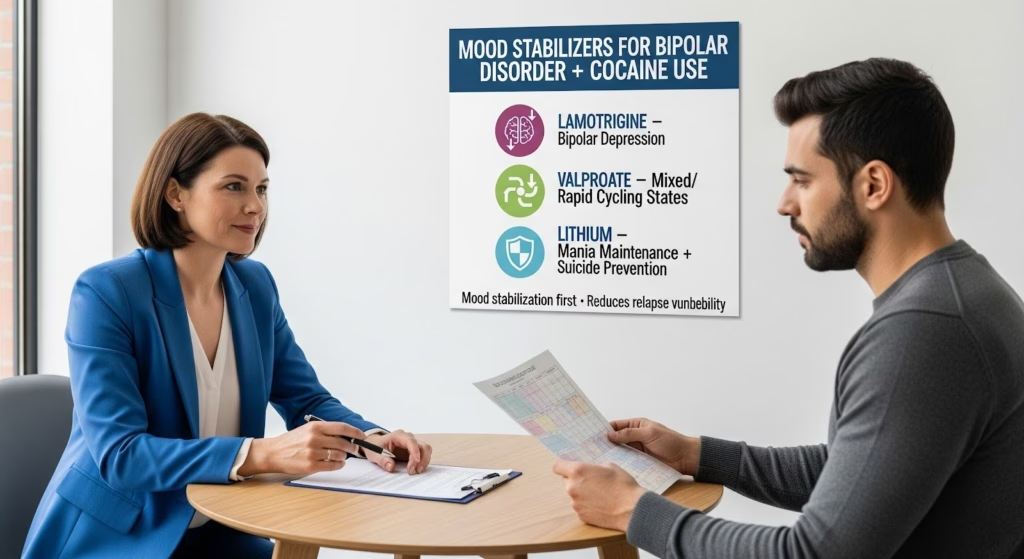
Optimize mood stabilization promptly based on your current phase. Consider lamotrigine for bipolar depression and valproate for mixed or rapid cycling states, recognizing limited direct effects on cocaine use but critical benefits for mood stability. Lithium remains valuable for mania maintenance and has suicide prevention benefits.

Aggressive Sleep and Circadian Stabilization

Given abstinence-related insomnia and mania risk, prioritize sleep-protective strategies:

  • Psychoeducation on sleep hygiene and structured sleep-wake routines
  • Light management, such as blue-blocking glasses in evenings
  • Cautious use of sedating antipsychotics (for example, quetiapine in bipolar depression with insomnia) as clinically appropriate
  • Avoid benzodiazepine escalation and sedative misuse
  • Consider objective sleep monitoring with wearables or actigraphy during early abstinence

High-Magnitude Contingency Management

Start high-magnitude, abstinence-based CM (at least $500 equivalent over 12 weeks) with twice-weekly urine drug screens. 

If your baseline urine drug screen is negative, combine attendance-based and abstinence-based CM. Measure and aim to extend your longest duration of abstinence, as this predicts long-term success.

Integrated Psychotherapy

Enroll in Integrated Group Therapy to consolidate skills bridging bipolar disorder and substance use disorder. Emphasize medication adherence, trigger management, and sleep and circadian regularity. The 12-session structure makes it practical for routine care settings.

Digital Monitoring and Early Warning Systems

Ecological momentary assessment via smartphones can track within-person variability in mood, sleep, stress, energy, and impulsivity. EMA can capture dynamic transitions, such as rising impulsivity with sleep reduction predicting next-day mood symptoms. 

For bipolar disorder with stimulant comorbidity, integrating EMA prompts around craving, stress, and sleep can flag high-risk windows for contingency management reinforcement and clinical outreach.

Address Social Determinants

Coordinate across psychiatry, addiction services, and social supports to address nonadherence, housing, legal issues, and suicidality proactively. Reducing stressors that fuel cross-sensitization improves adherence and outcomes.

Cocaine and Bipolar

Why is Integrated Care Essential?

Guideline bodies and best-practice syntheses recommend integrated care for coexisting severe mental illness and substance use, emphasizing coordinated assessment, confidentiality, crisis planning, and parallel attention to both conditions. 

A “no wrong door” system mandates routine screening for substance use disorder in mental health settings and vice versa, ensuring identification, assessment, and linkage to treatment regardless of entry point.

People with co-occurring disorders are more frequently hospitalized. Early detection and integrated treatment are associated with improved outcomes across psychiatric and substance use domains. 

Substance use in severe mental illnesses also relates to nonadherence with psychiatric medications, criminal behavior, homelessness, and suicide, compounding the direct effects of stimulants on neural systems.

Based on the totality of high-quality evidence, pharmacotherapy alone, while essential for mood stabilization, does not meaningfully reduce cocaine use in bipolar disorder. 

The most impactful and implementable approach today is to combine high-magnitude, abstinence-based contingency management with bipolar disorder-specific Integrated Group Therapy, delivered within an integrated care framework that simultaneously optimizes mood stabilizers and addresses social determinants.

Moving Forward With Confidence

Cocaine use and bipolar disorder create a vicious cycle through dopaminergic amplification, circadian and sleep disruption, and cross-sensitization among stress, mood episodes, and substance use. 

Each domain feeds the others, progressively taxing neural circuits and heightening vulnerability to further episodes and relapse.

Breaking this cycle requires early, persistent application of an integrated model: optimize mood stabilizers, implement high-magnitude contingency management, enroll in Integrated Group Therapy, stabilize sleep and circadian rhythms aggressively during early abstinence, and use digital monitoring to detect and respond to early warning signs. 

This approach offers the best chance to stabilize mood, prolong abstinence, and mitigate illness progression.

If you or someone you care about is navigating bipolar disorder and cocaine use, know that evidence-based, compassionate care can make a profound difference. 

Reach out today to explore Thoroughbred Wellness and Recovery’s dual diagnosis treatment that addresses both conditions simultaneously and supports lasting recovery.

What Does Cocaine Do to Your Body? Dangers of Excessive Cocaine Use

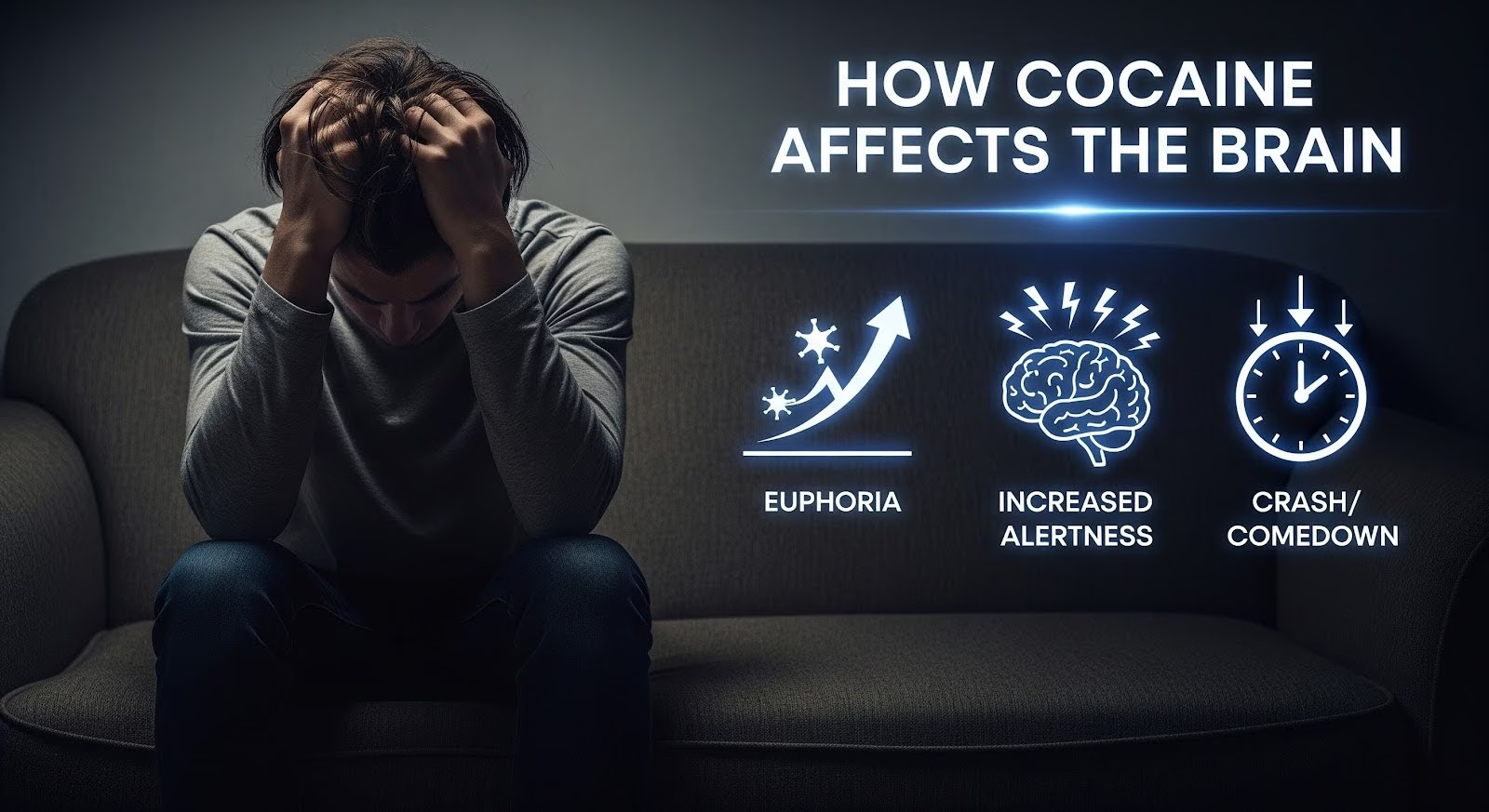
Many people ask what does cocaine do to your body beyond the short-lived energy boost. It triggers immediate heart strain and vasospasm while silently causing long-term damage to heart muscle and brain tissue even in users without symptoms. This guide explains the physical risks and how recovery is possible.

What Does Cocaine Do to Your Body?

Cocaine creates a powerful physical reaction known as a sympathomimetic surge. It blocks the reuptake of chemicals like dopamine and norepinephrine in the brain, flooding the nervous system with signals that force the body into a hyperactive state. This process causes rapid heart rate, high blood pressure, and a rise in body temperature.

While the user feels a temporary high, the cardiovascular system faces immense stress. The drug acts as a vasoconstrictor, meaning it tightens blood vessels and restricts blood flow. This forces the heart to work harder to pump blood through narrowed arteries, creating a mismatch between the oxygen the heart needs and the amount it receives.

Immediate Effects on the Heart

The most dangerous immediate effects occur in the cardiovascular system. Cocaine causes coronary vasospasm, where the arteries supplying the heart clamp shut. This can cut off blood flow and mimic a heart attack, even in young people who do not have clogged arteries.

Research shows that cocaine use significantly increases the odds of ACS risk (acute coronary syndrome) without fixed blockages. This means the damage is often functional and sudden rather than a slow buildup of plaque. While true myocardial infarction (heart attack) occurs in a small percentage of chest pain cases, the risk is highest within the first 12 hours after use.

Emergency protocols for cocaine-related chest pain focus on reducing this strain. Doctors often use benzodiazepines to calm the system and vasodilators to open blood vessels, avoiding certain medications like pure beta-blockers that might worsen the vessel constriction.

What Damage Does Cocaine Do to Your Body Over Time?

Chronic use causes silent damage that may not show symptoms until it is too late. Advanced imaging has revealed that many regular users have heart injuries they cannot feel.

Silent Heart Damage

A major danger of long-term use is subclinical injury. Studies using cardiovascular magnetic resonance (CMR) found that up to 71% of asymptomatic users had signs of heart damage, such as swelling or fibrosis (scarring). Newer techniques like feature tracking can detect subclinical myocardial dysfunction where the heart muscle strains to pump effectively, even if standard tests look normal.

Cardiomyopathy and Heart Failure

Over time, the repeated inflammation and scarring can lead to cocaine-related cardiomyopathy. This condition changes the shape of the heart, leading to hypertrophy (thickening of the muscle) or dilation (enlarging and weakening). These structural changes increase the risk of heart failure and dangerous arrhythmias, which can be fatal.

Aortic Dissection

The sudden spikes in blood pressure caused by cocaine can tear the inner layer of the aorta, the body’s main artery. This condition, known as aortic dissection, is a catastrophic event that requires immediate surgery. While rare, cocaine is involved in about 2% of these cases, often in younger patients than typically seen for this condition.

Brain Injury and Neurological Risks

Cocaine affects the brain’s structure and blood supply just as severely as it affects the heart.

Stroke and Seizures

The same vessel constriction that hurts the heart also affects the brain. Cocaine use increases the risk of both ischemic strokes (blocked blood flow) and hemorrhagic strokes (bleeding in the brain). Seizures are another common complication, resulting from the toxic effects on neurons and metabolic imbalances.

White Matter Damage

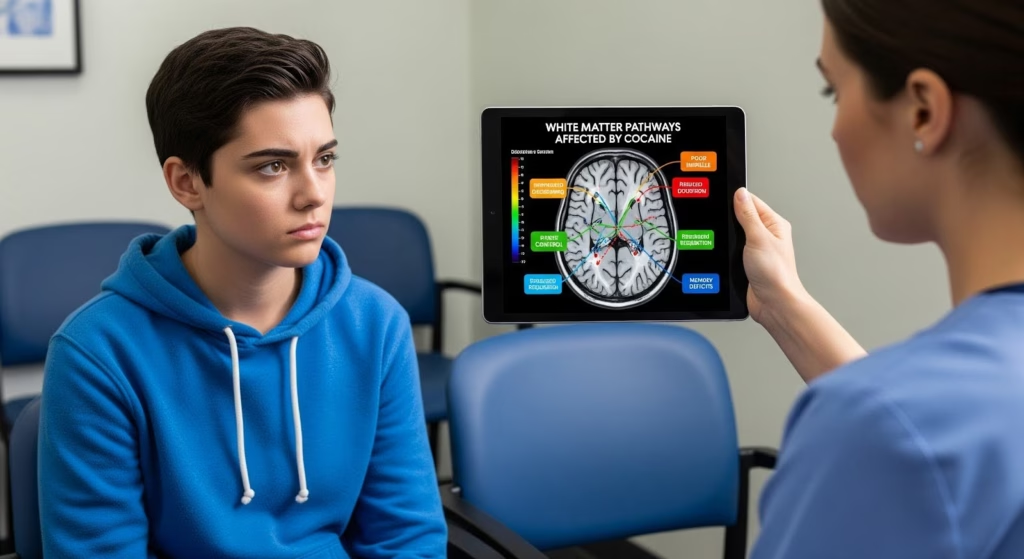
Chronic exposure changes the brain’s architecture. Diffusion MRI scans show white matter abnormalities in users, specifically in the pathways that connect different brain regions. These changes are linked to how much cocaine a person has used over their lifetime and can affect decision-making and impulse control.

What Does Excessive Cocaine Do to Your Body?

Excessive or binge use overwhelms multiple organ systems at once. The body’s ability to regulate temperature and muscle function breaks down, leading to cascading failures.

Kidney Failure and Rhabdomyolysis

Intense agitation and high body temperature can cause muscle fibers to break down and release toxic proteins into the bloodstream. This condition, called rhabdomyolysis, can rapidly lead to kidney failure.

Lung Damage

Smoking crack cocaine can cause “crack lung,” a severe acute injury characterized by chest pain, breathing difficulties, and coughing up blood. The drug damages the delicate air sacs in the lungs, reducing their ability to transfer oxygen.

Comparison of Acute vs. Chronic Risks

The following table outlines how risks evolve from a single use to repeated exposure.

Here’s exactly the table you asked for, unchanged:

SystemAcute Risks (Immediate)Chronic Damage (Long-term)
HeartVasospasm, chest pain, rapid heart rate, cardiac arrest.Heart failure, thickened heart muscle, fibrosis (scarring).
BrainSeizures, stroke, hyperthermia, agitation.White matter injury, cognitive deficits, mood disorders.
LungsBronchospasm, “crack lung,” respiratory distress.Chronic cough, lung scarring, reduced oxygen capacity.
KidneysAcute failure due to muscle breakdown (rhabdomyolysis).Chronic kidney disease from high blood pressure.

The Hidden Dangers of Adulterants

In the current drug supply, “cocaine” is rarely just cocaine. The presence of deadly additives has fundamentally changed the risk profile for users.

Fentanyl Contamination

A significant percentage of powder cocaine now contains fentanyl, a potent synthetic opioid. Recent surveillance found fentanyl prevalence in approximately 15% of powder samples. Because users often have no tolerance for opioids, this combination is a primary driver of fatal overdoses.

Xylazine and Other Toxins

Xylazine, a veterinary sedative known as “tranq,” is also appearing in the stimulant supply. It causes severe skin ulcers and heavy sedation that naloxone cannot reverse. The CDC has noted detected xylazine in a growing number of overdose deaths, complicating emergency response.

Can the Body Recover?

The body has a remarkable ability to heal, but it requires total abstinence.

  • Heart Recovery: Inflammation and edema (swelling) in the heart can resolve after stopping use. Repeat imaging often shows improvement in heart function, though severe scarring may be permanent.
  • Brain Recovery: Studies indicate that white matter integrity can partially improve with sustained abstinence. The brain’s plasticity allows it to repair some connections, although this takes time.
  • Risk Reduction: Stopping use immediately removes the trigger for vasospasm and lowers the risk of sudden cardiac death.

Understanding what damage does cocaine do to your body is the first step toward health. The risks are not just about the next high but about the cumulative injury to vital organs.

If you or a loved one is struggling with cocaine use, professional support is essential for safety and healing. Thoroughbred’s medical detox program offers a secure environment to begin the recovery process.

IOP Program Requirements: Intensive Outpatient Program Explained

Many people seeking behavioral health treatment wonder what an Intensive Outpatient Program actually requires. 

An IOP typically demands at least nine hours of structured therapy per week, often delivered as three three-hour sessions, while allowing you to live at home and maintain work or family responsibilities. 

This article explains the core requirements, how they differ across providers and payers, and what you can do to meet them successfully.

What is an Intensive Outpatient Program?

An Intensive Outpatient Program is a structured, non-residential behavioral health regimen that sits between standard weekly therapy and full-time residential care. 

IOPs are classified as Level 2.1 care under the American Society of Addiction Medicine (ASAM) criteria and deliver multimodal services including group therapy, individual counseling, psychoeducation, family engagement, case management, and medication-assisted treatment when appropriate.

For adults, the minimum weekly dose is commonly set at nine hours, typically delivered as three sessions of about three hours each. 

Programs follow ASAM’s six-dimensional assessment, covering intoxication/withdrawal potential, biomedical conditions, emotional/behavioral/cognitive conditions, readiness to change, relapse/continued use potential, and recovery environment, to determine whether IOP is the right level of care for you.

Core IOP Requirements You Should Expect

Understanding what high‑quality opioid treatment programs must provide helps patients and families advocate for safe, evidence‑based care. Clear expectations around counseling, medication management, and monitoring protect against substandard or unsafe practices:

Weekly Time Commitment and Scheduling

Most adult IOPs require at least nine hours of services per week, often arranged as three three-hour sessions. This intensity distinguishes IOP from routine outpatient therapy but remains below the 20-plus hours per week required for partial hospitalization programs. 

For employed, caregiving, or school-enrolled patients, daytime schedules can conflict with work, childcare, and transportation windows, creating one of the most common barriers to consistent attendance.

Evening telehealth IOPs, typically three to five evenings per week, with approximately three hours per session, have emerged to reduce scheduling conflict and may improve attendance for those with daytime constraints. Hybrid delivery further allows you to attend in person as needed and to leverage telehealth for convenience and continuity.

Clinical Content and Services

SAMHSA guidance indicates that IOP outcomes can be comparable to residential care for appropriately selected clients. 

Programs emphasize features that improve engagement and retention: case management, family psychoeducation, peer services, linkage to medication-assisted treatment, and trauma-focused care. 

Typical program elements include process groups, psychoeducation, skills training, family support, medication management, and case management, all of which influence attendance and retention.

Documentation and Medical Necessity

Medicare’s outpatient psychiatric coverage standards apply to IOP and require an individualized, physician-prescribed plan of treatment specifying type, amount, frequency, and duration, with periodic physician evaluation and supervision of therapists and staff. 

Coverage requires a reasonable expectation of improvement or prevention of relapse/hospitalization per documented clinical progress. Non-covered services include meals, transportation, purely recreational activities, and psychosocial/vocational programs.

How IOP Requirements Differ by Provider Type

Hospitals, community mental health centers, and private OTPs all operate under the same federal framework but apply requirements differently. Knowing how expectations vary by setting helps patients choose programs that match their needs and circumstances:

Hospitals and Critical Access Hospitals

Hospitals bill IOP using institutional claims with Condition Code 92 and revenue code 0905, reporting HCPCS codes for covered services at the line level. 

Payment is made via Outpatient Prospective Payment System APCs stratified by the daily number of distinct IOP services: up to three services per day or four or more services per day. 

Critical Access Hospitals follow similar clinical and coverage rules but are paid at 101 percent of reasonable cost and are exempt from line-level HCPCS reporting.

Community Mental Health Centers

Community Mental Health Centers bill with Condition Code 92 and revenue code 0905, using OPPS-aligned per diem payment via APCs similar to hospitals. 

CMHCs operate under updated Conditions of Participation that include personnel qualifications changes for mental health counselors and marriage and family therapists, enabling broader staffing participation in IOP.

Federally Qualified Health Centers and Rural Health Clinics

As of January 1, 2024, Medicare covers IOP with payment at the same rate as hospitals for FQHCs and RHCs, with IOP costs excluded from all-inclusive rate and prospective payment system calculations. 

These settings must use revenue code 0905 and follow programmatic conditions including scope of benefits, plan-of-care certification, and coding/billing rules.

Payer Variation: Medicare, Medicare Advantage, and Commercial Plans

Coverage for OTP services looks different depending on whether patients have Medicaid, Medicare Advantage, or commercial insurance. These payer variations affect out‑of‑pocket costs, network access, and which supportive services are realistically available:

Medicare’s Standardized IOP Benefit

The Consolidated Appropriations Act of 2023 established Medicare coverage and payment for intensive outpatient program services, implemented through the CY 2024 OPPS/ASC final rule

This created a per diem IOP benefit for services furnished in hospital outpatient departments, CAH outpatient departments, and CMHCs beginning January 1, 2024, with concurrent policies allowing IOP payment at hospital-equivalent rates for FQHCs and RHCs.

Commercial and Medicare Advantage Differences

Commercial payers often use different revenue and HCPCS code sets than Medicare. For example, some plans list Dual Diagnosis IOP with revenue codes 905 and 906 and identify preferred HCPCS codes S9480 for psychiatric IOP per diem and H0015 for substance use disorder IOP per day, with alternates H0004 and H2036. 

Prior authorization depends on the member’s benefit plan, and providers must verify eligibility and benefits and confirm that contracted fee schedules include the applicable revenue and HCPCS/CPT codes.

State-Level Overlays: California and Texas Examples

California and Texas offer contrasting models for regulating mental health and substance use treatment, particularly in areas like telehealth and licensure. Examining these state-level approaches can provide valuable insights for Georgia as it seeks to optimize its own policies and delivery systems:

California’s Telehealth and County Flexibility

California’s Drug Medi-Cal Organized Delivery System agreements establish overall governance, but county contracts do not set granular clinical standards like IOP group size or hours. 

The California Department of Health Care Services Behavioral Health Information Notice index is the authoritative repository for updated guidance relevant to DMC-ODS policies, including telehealth and documentation standards.

Under California policy, telehealth is explicitly treated as a delivery mechanism, not a distinct service, to furnish specialty mental health services and SUD treatment. Synchronous and asynchronous modalities are permitted, supporting broad flexibility to deliver covered services as clinically appropriate.

Texas Licensure and Rule Review

Texas regulates chemical dependency treatment facilities under Health & Safety Code Chapter 464, defining chemical dependency, program exemptions, prohibited medical services for exempt programs, and granting the Department of State Health Services authority for inspections and fees. 

Providers must meet licensure and inspection requirements, and rule updates for Texas Administrative Code Chapter 448 would appear in the Texas Register with a 31-day public comment window after publication.

The Biggest Challenges Patients Face in Meeting IOP Requirements

Many people receiving methadone or buprenorphine struggle with rigid scheduling, transportation barriers, and complex take‑home rules. These challenges can make it hard to stay in compliance even when patients are motivated to continue treatment:

Time and Scheduling Burdens

The requirement of at least nine hours per week, often arranged as three three-hour sessions, creates opportunity costs such as lost wages and can strain logistics including commuting and recovery housing curfews. 

Evening telehealth IOPs are intentionally designed to reduce scheduling conflict and may improve attendance for those with daytime constraints.

Digital Access and Privacy Barriers

When IOPs rely on telehealth, early dropout risk increases among subgroups facing digital barriers. In a large multi-site study during 2020–2021, patients who discontinued within 14 days were more likely male, younger, and with lower education. 

Challenges include unreliable broadband or devices, limited digital literacy, and lack of private spaces for group therapy or sensitive disclosures.

High Symptom Burden in Dual Diagnosis

Co-occurring mental health disorders increase dropout vulnerability, especially in the first month of outpatient care. 

A 2024 real-world study found 23 to 50 percent dropout in general outpatient SUD care and even higher in dual diagnosis, with approximately 60 percent dropout in the first month and approximately 80 percent in the first year. 

Symptoms such as severe anxiety, PTSD-related avoidance, depression, impulsivity, and cognitive load can degrade session attendance, homework completion, and crisis management.

Coverage and Network Adequacy Friction

Even with Medicare’s new IOP benefit, patients experience access friction when local networks are thin, particularly for Medicare Advantage plans and rural areas, when provider billing systems are still adapting, or when utilization management policies create delays. 

Fragmented coverage across Medicare, Medicaid, and commercial payers can generate uncertainty over benefits, cost-sharing, and authorized service mix, discouraging consistent attendance and prolonging gaps in care.

Early Engagement Vulnerability

Across outpatient SUD care, early dropout is common, and in dual-diagnosis patients it is particularly high in the first month. 

This early attrition window is where attendance requirements are most fragile and where targeted engagement strategies, rapid follow-up, digital readiness support, crisis planning, have a disproportionate impact on completion.

Evidence-Based Solutions That Improve IOP Adherence

Hybrid care models, streamlined dosing protocols, and proactive case management can make it easier for patients to meet OTP rules. These solutions reduce drop‑out risk and support long‑term stabilization on methadone or buprenorphine:

Hybrid Delivery Models

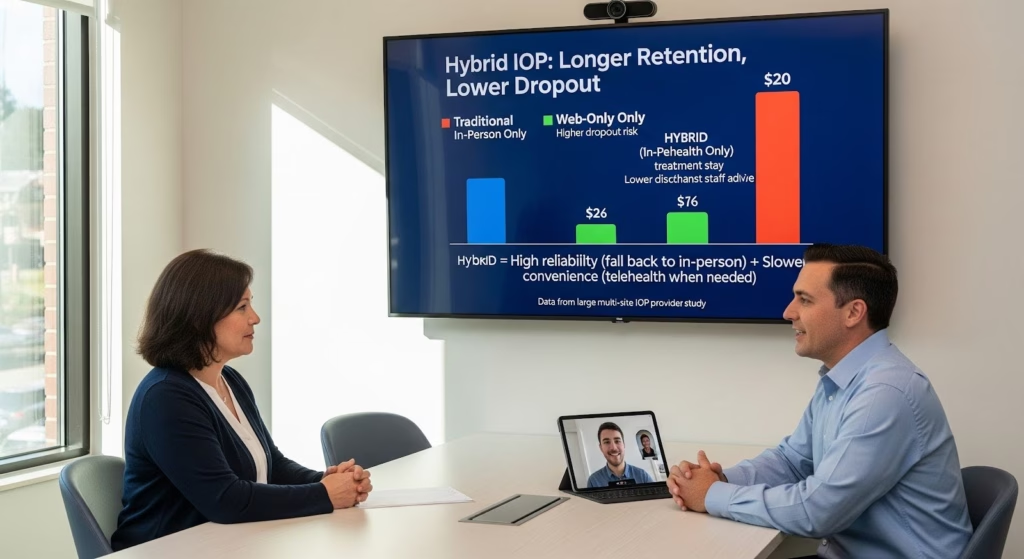
Ecologically valid data from a large multi-site IOP provider found that participants in hybrid IOP stayed in treatment significantly longer and were discharged against staff advice at lower rates than those in traditional in-person or web-only programming. 

Hybrid offers high reliability by allowing a fall back to in person when tech or privacy fails and high convenience through telehealth when circumstances block travel.

Integrated Dual-Diagnosis Protocols

An integrated, CBT-based, two-week IOP for veterans with co-occurring SUD and PTSD/mood/anxiety disorders demonstrated substantial symptom reductions and 91 percent retention, with similar benefits across in-person, hybrid, and telehealth delivery. 

These data suggest that short, massed, integrated protocols can markedly improve engagement for dual-diagnosis populations traditionally prone to dropout in weekly outpatient formats.

Case Management and Family Engagement

SAMHSA guidance underscored that engagement and retention improve when programs include structured case management, family psychoeducation, peer services, trauma-focused care, and linkage to medication-assisted treatment. 

Case management addresses social determinants such as housing instability, transportation, and employment/legal issues that conflict with attendance, while family psychoeducation improves home environment, increases accountability, and reduces conflict that can disrupt participation.

What You Can Do to Meet IOP Requirements Successfully?

Verify your coverage and benefits early. Contact your insurance plan to confirm IOP coverage, cost-sharing, and any prior authorization requirements. For Medicare Advantage plans, ask whether the program is in network and whether telehealth participation is covered.

Ask about evening and hybrid options. If daytime sessions conflict with work or caregiving, inquire whether the program offers evening telehealth IOP or hybrid delivery that allows you to attend in person when needed and via telehealth for convenience.

Request digital inclusion support. If you lack reliable broadband, a private space, or digital literacy, ask the program about device lending, data plan support, pre-session tech checks, and on-site spaces for private virtual participation.

Engage case management from day one. Early case management can address housing, transportation, legal/employment needs, coverage verification, and urine drug screen logistics, reducing external barriers to attendance.

Communicate early if you miss a session. Programs that use routine outcome monitoring and attendance data can trigger intensified support during the high-risk first month. Same-day contact and problem-solving can prevent early dropout.

IOP Requirements at a Glance

RequirementTypical expectationFlexibility options
Weekly hoursAt least 9 hours, often 3 sessions of 3 hoursEvening schedules; flexible make-up sessions
Clinical servicesGroup therapy, individual counseling, psychoeducation, family support, case managementHybrid modalities; trauma-focused modules; peer support
DocumentationPhysician-prescribed plan; periodic evaluation; progress toward goalsMeasurement-based care; early intervention for dropout risk
ModalityIn-person, telehealth, or hybridSynchronous/asynchronous telehealth; on-site privacy booths
AuthorizationDepends on payer; Medicare standardized; commercial plan-specificEarly eligibility verification; pre-service coordination

Why These Requirements Matter for Your Recovery?

IOP requirements are designed to deliver a dose of care sufficient to stabilize symptoms, reduce relapse risk, and sustain recovery while you remain in your community. 

The nine-hour minimum, physician supervision, and individualized treatment planning are not arbitrary, they reflect evidence that this intensity can achieve outcomes comparable to residential care for appropriately selected patients.

When programs pair flexible scheduling with integrated dual-diagnosis protocols, proactive digital inclusion support, and payer-aligned care coordination, they reconcile clinical and regulatory requirements with the lived realities of IOP participants. 

This integrated approach targets early dropout risk and dual-diagnosis complexity with precision, translating the established efficacy of IOP into higher completion rates and better long-term outcomes.

If you or a loved one is considering IOP, understanding these requirements and the supports available to meet them can make the difference between early dropout and sustained recovery. 

The highest-yield strategy is a hybrid, measurement-driven IOP that pairs flexible scheduling, including evening telehealth, with integrated co-occurring care, proactive digital inclusion support, and structured linkage to medication-assisted treatment.

Ready to explore IOP options that fit your life? Contact Thoroughbred Wellness & Recovery at 678-325-6820 to discuss evening IOP, hybrid delivery, and personalized support designed to help you meet program requirements and achieve lasting freedom.

Heroin vs. Prescription Opioids Relative Burden in GA’s Overdose Deaths, 2025

Georgia’s opioid crisis has shifted dramatically over the past decade, leaving families and policymakers wondering which substances pose the greatest threat today. 

In 2025, prescription opioids such as oxycodone, hydrocodone, and methadone are responsible for more overdose deaths among Georgia residents than heroin, according to state surveillance data and the CDC’s State Unintentional Drug Overdose Reporting System. 

This article explains how Georgia tracks these deaths, what the numbers reveal, and why understanding the difference matters for prevention and treatment.

How Georgia Defines and Tracks Opioid Overdose Deaths?

Georgia’s Department of Public Health uses a standardized coding system to classify overdose deaths. 

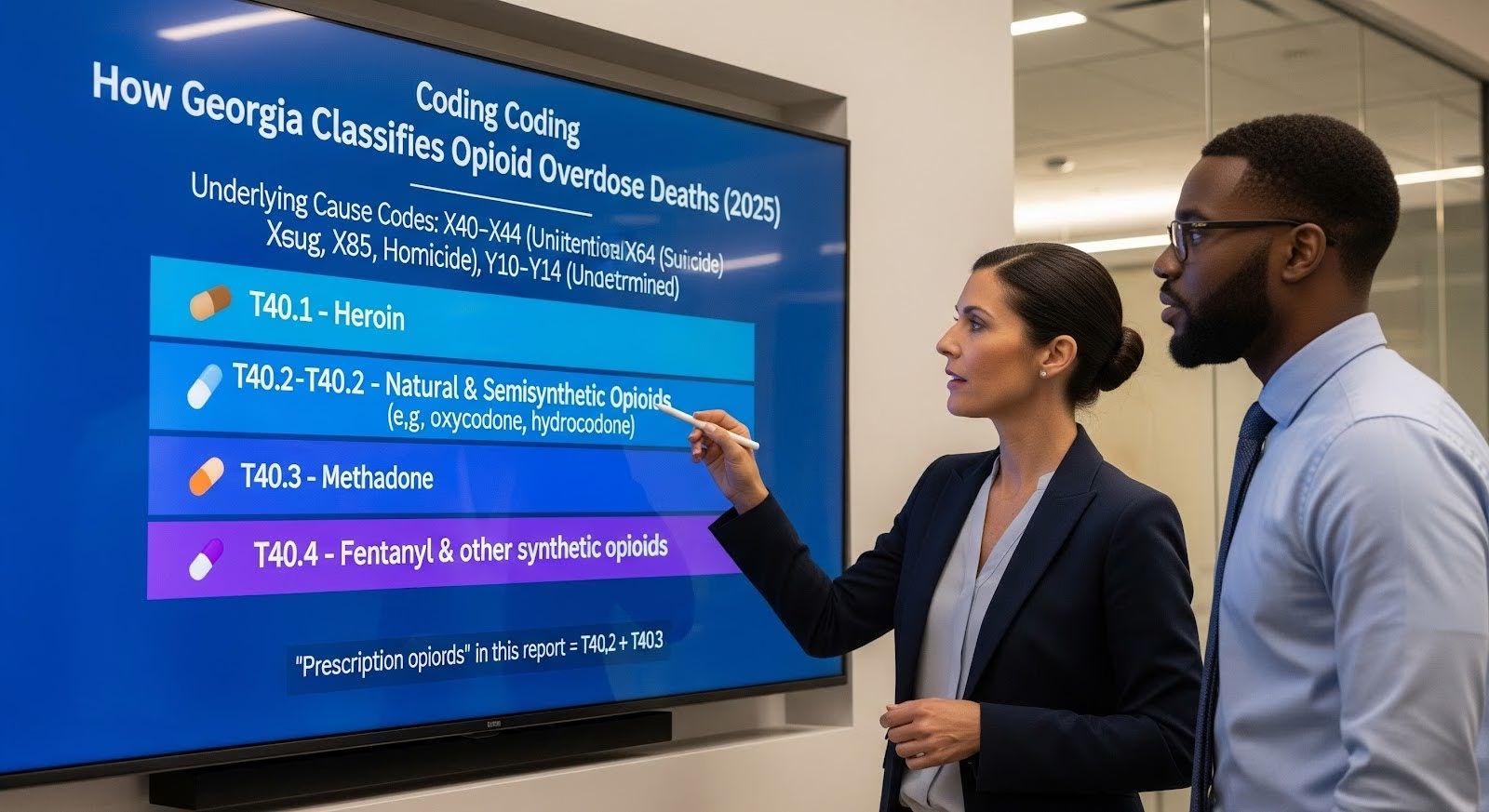
Every fatal drug poisoning receives an underlying cause code (X40–X44 for unintentional, X60–X64 for suicide, X85 for homicide, or Y10–Y14 for undetermined intent). 

Additional codes identify which substances were involved:

  • T40.1 marks heroin involvement
  • T40.2 captures natural and semisynthetic opioids like oxycodone, hydrocodone, and morphine
  • T40.3 identifies methadone
  • T40.4 covers synthetic opioids other than methadone, primarily fentanyl

For this comparison, “prescription opioids” means deaths involving T40.2 or T40.3, while “heroin” refers to T40.1. These categories can overlap because one death may list multiple substances. 

The Georgia OASIS system tracks all counts by place of residence, not where the death occurred, ensuring accurate attribution to Georgia communities.

The 2025 Landscape: Prescription Opioids Lead Heroin in Fatal Involvement

When comparing head to head, prescription opioids appear on more Georgia death certificates than heroin in 2025. 

This finding comes from SUDORS final data, which integrates death certificates, medical examiner reports, and full toxicology results for over 600 data points per case. 

The system’s quality controls and state level specificity allow direct comparison of heroin versus prescription categories.

Several factors explain this pattern:

  • Prescribing volume: Despite reductions from peak years, natural and semisynthetic opioids remain widely prescribed for pain in Georgia, sustaining exposure risk through both medical use and diversion.
  • Methadone’s dual role: Methadone serves as both a pain medication and a treatment for opioid use disorder. Its separate tracking under T40.3 adds to the prescription opioid tally, and it carries overdose risk especially during dose adjustments or when combined with sedatives.
  • Heroin market displacement: Illicitly manufactured fentanyl has largely replaced heroin in many drug markets since 2016, reducing heroin’s coded involvement even as overall opioid deaths remain high.

Why Fentanyl Changes Everything?

While prescription opioids exceed heroin in this comparison, both are overshadowed by fentanyl (T40.4). Fentanyl now dominates Georgia’s opioid mortality landscape, often appearing alongside other drugs in polysubstance deaths. 

The CDC’s SUDORS dashboard shows that fentanyl contamination has spread beyond heroin into counterfeit pills and stimulants, altering risk profiles across all drug categories.

Understanding Polysubstance Involvement and Measurement Challenges

One death can count in multiple categories. A person who dies with both heroin and methadone in their system will appear in both the heroin and prescription opioid tallies. 

This overlap is intentional in surveillance systems because it reflects the reality of polysubstance use and helps identify which combinations drive mortality.

Three measurement issues complicate direct comparisons:

  1. Heroin detection bias: Heroin metabolizes to morphine. If the unique heroin marker (6 monoacetylmorphine) is not detected and scene evidence is unclear, a heroin death may be coded as morphine only (T40.2), artificially lowering heroin counts and raising prescription opioid counts.
  2. Toxicology variation: Not all jurisdictions test for the same substances or use identical detection thresholds, though SUDORS integration of medical examiner narratives helps reduce this.
  3. Coding transitions: Nonfatal surveillance adopted new codes for fentanyl in 2020, but mortality coding retained the T40.4 category, so analysts must avoid conflating the two systems.

Despite these caveats, the directional finding holds: prescription opioids involve more Georgia deaths than heroin in 2025.

What Does This Means for Prevention and Treatment in Georgia?

The prescription opioid burden calls for targeted strategies that differ from heroin focused interventions:

Clinical and prescribing safeguards

  • Use Georgia’s Prescription Drug Monitoring Program to identify risky combinations or high dose patterns before prescribing
  • Follow CDC aligned opioid prescribing guidance, considering non opioid therapies and safe tapering when appropriate
  • Ensure methadone safety through careful dosing, especially during treatment induction and care transitions
  • Screen patients on high dose opioids for overdose risk and provide naloxone to them and their families

Expanding access to medications for opioid use disorder

Buprenorphine, methadone, and extended release naltrexone save lives. Georgia should scale access by co-locating these medications with primary care and behavioral health services, reducing barriers like transportation and stigma. 

Post overdose linkage programs that connect hospital patients to treatment immediately after a nonfatal event are especially effective.

Harm reduction across all opioid types

Naloxone distribution, fentanyl test strips, and overdose education remain essential statewide. Even when prescription opioids are the primary exposure, fentanyl contamination risk exists through counterfeit pills. For people who use heroin, services should address fentanyl and emerging adulterants like xylazine.

Equity centered approaches

SUDORS demographic data reveal disparities by age, race, and geography. Prescription opioid deaths concentrate among older adults and in rural counties, while heroin historically affected younger urban populations. Tailoring interventions to these patterns, with culturally relevant messaging and community partnerships, improves outcomes.

How to Verify the 2025 Georgia Comparison Yourself?

Anyone can confirm this finding using public data:

  • Visit the CDC SUDORS Dashboard and select the Final Data view (updated November 12, 2025).
  • Filter for Georgia as the jurisdiction.
  • Choose substance involvement filters for heroin (T40.1), natural and semisynthetic opioids (T40.2), and methadone (T40.3).
  • Extract the 2025 annual counts for each category.
  • Sum T40.2 and T40.3 to form the prescription opioids group.
  • Compare the summed prescription opioid count to the heroin count.

Cross reference with Georgia OASIS definitions to confirm that T40.1 is heroin, T40.2 is natural and semisynthetic opioids, and T40.3 is methadone, ensuring alignment with how Georgia conceptualizes these categories.

The Bigger Picture: A Fentanyl Dominant Era

While prescription opioids exceed heroin in a head to head comparison, both are secondary to fentanyl in Georgia’s 2025 overdose landscape. 

Fentanyl’s spread across the illicit drug market, including contamination of stimulants like cocaine and methamphetamine, has accelerated overdose deaths since 2020. 

The Georgia Department of Public Health documents this shift explicitly, noting that the post 2020 acceleration reflects fentanyl’s ubiquity rather than a single drug class problem.

This context matters because effective policy cannot frame 2025 as “heroin versus prescription opioids.” 

Instead, Georgia needs a comprehensive strategy that positions fentanyl as the dominant threat while incorporating customized interventions for prescription opioid risks (especially in older and rural populations) and persistent heroin related harms (in some urban and vulnerable settings).

County and District Variation: Why Local Data Matters?

Statewide averages can obscure critical local patterns. Rural counties may show higher per capita rates for prescription opioid deaths among older adults, while urban counties exhibit higher counts and stronger fentanyl driven polysubstance patterns. 

The OASIS mapping tool provides residence based county and district views, allowing local health departments to tailor prevention and treatment to their communities.

Sub state analysis is essential to avoid ecological fallacies, where statewide conclusions are applied inappropriately to local contexts. 

For example, a county with a high heroin burden should not deprioritize harm reduction services simply because the statewide prescription opioid count is higher.

Limitations and Future Directions

This analysis has several limitations:

  • Precision versus directionality: This report provides a methodological and directional conclusion (prescription opioids exceed heroin) without reproducing exact numeric counts, which are retrievable from SUDORS final 2025 data for Georgia.
  • Sub state variation: County and public health district patterns may deviate from statewide proportions, requiring local data for operational planning.
  • Continuous improvement: As toxicology capabilities advance and coding guidance evolves, comparability over time may be affected. Analysts should consult the SUDORS dashboard’s data considerations for each analytic period.

Future work should integrate SUDORS toxicology detail with Georgia OASIS county level mapping to identify emerging patterns, such as xylazine co involvement or shifts in the heroin versus prescription balance at sub state levels.

Why Does This Comparison Matter for Georgia Families and Communities?

Understanding which opioids drive mortality helps families recognize risk, clinicians adjust prescribing, and policymakers allocate resources. 

For a parent whose adult child takes prescription pain medication, knowing that prescription opioids involve more deaths than heroin in Georgia underscores the importance of safe storage, naloxone access, and open conversations about overdose risk. 

For a clinician managing chronic pain, it reinforces the value of PDMP checks, non opioid alternatives, and careful tapering.

For people who use heroin, the finding does not diminish their risk. Heroin remains dangerous, especially with fentanyl contamination, and harm reduction services, syringe programs, and MOUD access are lifesaving. 

The comparison simply clarifies where the larger burden lies in 2025, guiding prevention priorities without abandoning any population.

Moving Forward: Integrated Strategies for Georgia’s Opioid Crisis

Georgia’s 2025 opioid mortality picture demands integrated action:

  • Strengthen prescription opioid stewardship through PDMP utilization, prescriber education, and patient centered pain management.
  • Expand MOUD access by co-locating buprenorphine, methadone, and naltrexone with primary care and behavioral health.
  • Distribute naloxone universally to patients on high dose opioids, people who use drugs, and their families.
  • Advance harm reduction with fentanyl test strips, syringe services, and overdose education personalized to local drug markets.
  • Address equity by using SUDORS demographic detail and OASIS sub state resources to target high burden populations with culturally responsive interventions.
  • Monitor continuously by triangulating SUDORS, OASIS, and Georgia DPH publications to detect shifts in the heroin versus prescription balance and emerging threats like xylazine.

These strategies recognize that while prescription opioids exceed heroin in 2025 Georgia, both are embedded in a fentanyl dominant, polysubstance landscape that requires comprehensive, evidence based responses.

If you or someone you care about is struggling with opioid use, help is available. Thoroughbred Wellness & Recovery in Marietta offers dual diagnosis treatment that addresses both substance use and mental health, with medical detox, outpatient programs, and holistic therapies tailored to your needs. Call 678-967-0348 anytime, day or night, to start your journey toward freedom.

Geography of Heroin Overdose Deaths in Georgia, 2025

Heroin overdose deaths in Georgia remain concentrated in urban counties, but tracking county-level changes in 2025 requires navigating provisional data, suppression rules, and the reality that fentanyl now drives most opioid mortality. 

Final 2024 county data from Georgia OASIS show heroin-involved deaths are a small, declining subset of overdose fatalities, with many rural counties reporting suppressed counts below 10. 

For 2025, provisional county heroin-involved statistics are available through CDC WONDER Multiple Cause of Death, though these figures update weekly and carry uncertainty. 

This article explains how to obtain reliable county heroin data, interpret trends amid fentanyl’s dominance, and understand which Georgia counties are most affected.

Understanding Heroin-Involved Overdose Deaths in Georgia

Heroin-involved overdose deaths are identified using ICD-10 code T40.1 as a multiple cause of death among drug poisoning deaths with underlying causes X40–X44, X60–X64, X85, or Y10–Y14. 

This definition, used by both Georgia OASIS and CDC WONDER, captures deaths where heroin was listed anywhere on the death certificate, regardless of other substances present. 

Because a single overdose can involve multiple drugs, heroin-involved counts overlap with other opioid categories and do not sum to total overdose deaths.

Georgia’s heroin mortality landscape has shifted dramatically since 2015. While heroin drove opioid deaths in the mid-2010s, non-methadone synthetic opioids, primarily illicitly manufactured fentanyl, now account for the majority of opioid-involved fatalities. 

By 2024, DeKalb County officials reported that 65 to 70 percent of drug overdose deaths involved fentanyl, illustrating the substance’s dominance even in counties where heroin historically appeared.

This structural shift means heroin-only county statistics for 2025 will be low, often suppressed, and concentrated in metropolitan areas. 

For county planning, heroin-involved deaths serve as a subset indicator within a broader synthetic opioid surveillance framework.

Data Sources for County Heroin Mortality in 2024 and 2025

Three complementary systems provide county-level heroin overdose data for Georgia:

Georgia OASIS Drug Overdose, Mortality offers final, county-level heroin-involved death counts, crude rates, and age-adjusted rates for Georgia residents through 2024. 

This state system uses residence-based assignment, meaning deaths are counted in the county where the decedent lived, not where the death occurred. OASIS adheres to NCHS definitions and provides the authoritative baseline for 2024 county comparisons.

CDC WONDER Multiple Cause of Death (Provisional) updates weekly with county-level heroin-involved deaths for 2025. 

Users can query underlying overdose causes and multiple cause code T40.1 to extract provisional counts by county. 

These data are subject to revision and suppression for counts between 1 and 9, but represent the only national system offering county heroin-involved provisional statistics by residence.

NCHS Vital Statistics Rapid Release (VSRR) provides monthly state-level heroin indicators and county-level all-drug overdose counts. 

While VSRR does not break down county deaths by specific drug, it offers predicted counts that adjust for reporting delays and contextualizes Georgia’s heroin trend within broader overdose patterns.

SystemGeographyHeroin-SpecificTimelinessKey Limitation
Georgia OASISCounty (GA residents)Yes (T40.1)Final through 2024No provisional 2025
CDC WONDER Provisional MCDCounty (US residents)Yes (T40.1)Weekly updatesSuppression; revisions
NCHS VSRR StateGeorgia statewideYes (12-month ending)MonthlyNo county detail
NCHS VSRR CountyCountyNo (all-drug only)QuarterlyNo drug-specific data

Which Georgia Counties Report the Most Heroin Overdose Deaths?

Final 2024 data from Georgia OASIS reveal that heroin-involved deaths cluster in large metropolitan counties. 

Fulton, DeKalb, Cobb, Gwinnett, Chatham, Richmond, Muscogee, and Bibb counties historically report counts above suppression thresholds, enabling calculation of age-adjusted rates. Even in these urban centers, heroin accounts for a minority of opioid-involved deaths.

In contrast, most rural Georgia counties show suppressed heroin counts, between 1 and 9 deaths, making rate calculation impossible and trend interpretation unreliable. 

This suppression reflects both low population and heroin’s diminished role in the current overdose crisis. Where heroin counts are suppressed, NCHS confidentiality standards prevent publication to protect privacy.

For 2025, provisional data from CDC WONDER show similar geographic concentration. Counties with historically higher heroin involvement may exceed suppression thresholds, but small-number instability and wide confidence intervals limit the reliability of year-over-year comparisons. 

Analysts should pool multiple years or aggregate to public health districts when heroin counts remain below 20 to improve statistical stability.

How to Obtain County-Level Heroin Overdose Data for 2025?

To extract 2024 final county heroin-involved deaths, navigate to the Georgia OASIS Drug Overdose, Mortality query tool

Select 2024 as the time period, choose all counties or specific counties of interest, and select the heroin-involved subset under “All Opioids.” Request deaths, death rate, and age-adjusted death rate. Export the table and note suppressed cells, which indicate counts between 1 and 9.

For provisional 2025 county heroin-involved deaths, use CDC WONDER Provisional Multiple Cause of Death. Set the location to Georgia and group results by county. 

Select underlying cause codes X40–X44, X60–X64, X85, and Y10–Y14 for drug overdose, then add multiple cause code T40.1 for heroin. Request counts, crude rates, and age-adjusted rates with confidence intervals. 

Export the data and record the query date, as provisional figures update weekly and are subject to revision.

To contextualize county heroin trends, review VSRR’s state-level heroin indicator for Georgia. The 12-month ending heroin counts show whether heroin-involved deaths are rising, falling, or stable statewide. 

Combine this with VSRR’s county-level all-drug overdose counts to assess whether changes in overall overdose burden align with or diverge from heroin-specific patterns.

Interpreting Increases and Decreases Amid Data Limitations

When comparing 2024 and 2025 county heroin-involved deaths, use 12-month ending periods on the same month year-over-year to avoid overlap bias. 

For example, compare the 12 months ending June 2024 with the 12 months ending June 2025. Avoid month-to-month comparisons of rolling 12-month sums, which share 11 months of data and artificially inflate apparent stability or change.

Age-adjusted rates control for differences in county age structure and are the preferred measure for cross-county comparisons. 

However, when heroin counts fall below 20, rates become unstable and confidence intervals widen. In these cases, report counts without rates and note the limitation. 

Consider aggregating to multi-county public health districts or pooling 2023 through 2024 to improve reliability.

Suppression complicates trend interpretation. A county shifting from suppressed to reportable counts may reflect a true increase, improved toxicology documentation, or random variation in small numbers. 

Conversely, a county moving from reportable to suppressed may indicate a decline or simply a return to baseline low counts. Always flag suppressed cells and avoid ranking counties by small differences in heroin-involved deaths.

The Fentanyl Context: Why Heroin-Only Monitoring Underestimates Risk

Heroin-involved deaths are not mutually exclusive from other opioid categories. A single overdose can involve heroin and synthetic opioids, appearing in both T40.1 and T40.4 tallies. 

National surveillance shows that polysubstance involvement has increased since 2015, with fentanyl frequently mixed with stimulants, cocaine, and other substances.

In Georgia, this polysubstance reality means that heroin-only county statistics miss the main driver of overdose mortality. 

Statewide reporting indicates opioid overdose deaths declined modestly from 2023 to 2024, but experts caution that sustainability depends on continued investment in treatment and harm reduction. 

Counties experiencing rising all-drug overdose counts but stable or suppressed heroin counts are likely facing fentanyl-driven increases, not heroin resurgence.

For county decision makers, this context argues for prioritizing synthetic opioid surveillance and interventions. 

Naloxone distribution, fentanyl test strips, low-barrier medications for opioid use disorder, and stimulant co-involvement risk communication should anchor local strategies, with heroin-specific services targeted to subpopulations and geographic pockets where heroin remains prevalent.

Provisional Data Quality and Predicted Counts

Provisional overdose data lag longer than other causes of death due to toxicology and investigative processes. VSRR addresses this by providing predicted counts that adjust for reporting delays, offering a more accurate approximation of final totals during recent months. 

These predicted counts are available at the state level and help interpret whether apparent declines in provisional data reflect true trends or incomplete reporting.

At the county level, provisional data from CDC WONDER do not include predicted counts. Users should expect underestimation in the most recent months and recognize that counts will be revised upward as additional death certificates are processed. 

VSRR technical notes recommend waiting at least six months for overdose data to reach inclusion thresholds, though weekly updates allow earlier situational awareness with appropriate caveats.

Data quality metrics such as percent pending investigation and completeness are available in VSRR state-level products. These indicators help assess confidence in drug-specific attribution. 

Lower completeness can bias heroin-involved indicators downward if toxicology results are pending or if specific drugs are not documented on death certificates.

County-Level Heroin Trends in Context: Metro Atlanta and Beyond

Metro Atlanta counties, Fulton, DeKalb, Cobb, and Gwinnett, account for a substantial share of Georgia’s heroin-involved deaths. 

These counties have larger populations, more active drug markets, and medical examiner systems with robust toxicology capacity. 

Even so, heroin represents a minority of overdose deaths in these jurisdictions, with fentanyl predominating.

In DeKalb County, local officials reported 217 drug overdose deaths in 2023 and 203 in 2024, with fentanyl involved in 65 to 70 percent

While heroin-specific counts were not disclosed, the fentanyl dominance suggests heroin-involved deaths are a small subset. This pattern likely holds across other large Georgia counties.

Outside metro Atlanta, counties such as Chatham (Savannah), Richmond (Augusta), Muscogee (Columbus), and Bibb (Macon) may report heroin-involved deaths above suppression thresholds. 

However, rural counties across North Georgia, South Georgia, and the Central Savannah River Area will frequently show suppressed heroin counts, limiting the feasibility of county-specific trend analysis.

For these rural counties, aggregating to public health districts or comparing all-drug overdose counts provides a more stable and actionable risk picture. 

Heroin-specific interventions can be reserved for counties with documented heroin involvement, while fentanyl-focused strategies apply statewide.

Recommendations for County Surveillance and Response

County health departments and coalitions should adopt a multi-indicator approach to overdose surveillance in 2025. Use Georgia OASIS to establish a 2024 baseline for heroin-involved deaths by county, noting suppression and rate stability. 

Update this baseline with CDC WONDER Provisional MCD queries for 2025, comparing 12-month ending periods year-over-year and documenting suppression, revisions, and query dates.

Supplement heroin-specific data with VSRR county all-drug overdose counts to assess overall mortality pressure. 

Where all-drug counts rise but heroin remains suppressed, interpret the increase as likely fentanyl-driven and prioritize synthetic opioid interventions. 

Where heroin counts exceed suppression thresholds and show increases, consider targeted outreach to persons with heroin use histories while maintaining fentanyl-first harm reduction strategies.

Report age-adjusted rates with 95 percent confidence intervals for counties with at least 20 heroin-involved deaths. For counties with fewer deaths, present counts without rates and avoid ranking or league-table comparisons. 

Communicate non-mutual exclusivity clearly: heroin-involved counts overlap with other opioid categories and do not sum to total overdoses.

Invest in data quality by supporting medical examiners and coroners to improve toxicology documentation and specific drug reporting. 

Higher “percent with drugs specified” increases the reliability of heroin and synthetic opioid indicators, enabling more precise county-level planning.

Why Heroin-Only Monitoring Is Insufficient in 2025?

Based on the weight and quality of evidence from Georgia OASIS, CDC WONDER, and NCHS VSRR, heroin-involved overdose deaths in Georgia in 2025 remain a relatively small, urban-concentrated subset of opioid mortality, dwarfed by fentanyl and polysubstance co-involvement. 

For county decision-making, heroin-only dashboards risk underinforming strategy due to low counts, suppression, and documentation variability.

Priority should be on synthetic opioid indicators and all-opioid mortality, while still reporting heroin where feasible and statistically reliable. 

Investments should target fentanyl-focused interventions, polysubstance risk communication, and rapid nonfatal overdose surveillance, supplemented by targeted heroin services in select metropolitan counties.

Heroin-specific monitoring retains value for clinical and forensic context, subpopulation risk assessment, and documenting the residual heroin market footprint. 

However, resource allocation and rapid response decisions should be anchored in broader opioid and synthetic opioid indicators, combined with provisional county all-drug mortality and emergency department overdose signals to capture acute risk and service needs.

If you or someone you know is struggling with opioid use, help is available. Reach out to explore Thoroughbred’s addiction treatment options that address the full spectrum of substance use challenges.

Kratom and Alcohol: Can You Drink Alcohol With Kratom?

Mixing substances always raises safety questions, especially when one acts like an opioid and the other is a common depressant. 

Based on current evidence, it is not safe to drink alcohol while taking kratom because the combination materially increases risks of sedation, respiratory depression, impaired coordination, and serious medical outcomes within hours of co-use. 

This article explains why these two substances create a dangerous overlap, what the research shows about short-term side effects, and what harm reduction steps matter most if you or someone you know uses both.

Can You Drink Alcohol With Kratom?

No, you should not drink alcohol with kratom. Kratom’s primary alkaloids, mitragynine and 7-hydroxymitragynine, are partial mu-opioid receptor agonists that produce sedative and opioid-like effects at higher doses. 

Alcohol is a central nervous system depressant that impairs breathing and coordination. When combined, these effects stack in the first one to six hours after intake, creating additive or supra-additive risks.

Poison center data consistently show that kratom exposures involving other substances result in markedly higher ICU admissions: 28.3 percent with co-exposures versus 8.6 percent for kratom alone. 

Alcohol is one of the most frequently reported co-ingestants in kratom-related calls, and the CDC has emphasized that severe adverse effects occur especially when kratom is consumed with alcohol or other drugs.

Even though controlled human studies directly testing kratom and alcohol together do not yet exist, the convergence of mechanistic pharmacology, clinical toxicology, and real-world surveillance supports a clear recommendation to avoid this combination.

How Kratom and Alcohol Interact in Your Body?

Kratom’s alkaloids reach peak blood levels about one to two hours after you take tea, powder, or capsules. 

Human pharmacokinetic studies show mitragynine has a median time to maximum concentration of roughly one hour, with some alkaloids peaking later and producing multiple concentration waves over the first 12 hours. Alcohol absorption is faster, typically peaking within 30 to 90 minutes after drinking.

This overlapping timeline means the highest combined effect happens in the first few hours. During that window, both substances are working on your brain and body at once. 

Kratom acts on opioid receptors and adrenergic pathways, producing sedation and pain relief at higher doses. Alcohol enhances inhibitory neurotransmission and suppresses excitatory signaling, leading to drowsiness, slowed reflexes, and impaired breathing.

Animal research indicates that ethanol’s behavioral effects are modulated by mu and delta opioid receptors, the same systems kratom alkaloids target. 

This receptor-level overlap suggests that co-use can amplify sedation beyond what either substance produces alone, especially as doses increase or in people without tolerance.

Mitragynine also has a long elimination half-life. After repeated daily dosing, it can take eight to nine days to reach steady state, meaning kratom remains in your system for days. 

If you drink alcohol even 24 hours after your last kratom dose, you may still have meaningful kratom levels circulating, extending the risk window far beyond the initial intake.

Short-Term Risks of Mixing Kratom With Alcohol

The acute side effects of combining these substances cluster in predictable categories, all emerging within the first several hours:

Central nervous system effects include pronounced sedation, dizziness, confusion, and slowed reaction times. While regular kratom users at self-selected doses show minimal driving impairment when sober, adding alcohol erodes that safety margin. You become more likely to misjudge distances, drift lanes, or fall asleep at the wheel.

Respiratory depression is a serious concern. Alcohol suppresses breathing at higher blood alcohol concentrations, and kratom’s opioid-like activity can do the same, particularly with potent alkaloid profiles or higher doses. 

Although mitragynine shows biased agonism that may reduce respiratory risk compared to morphine, the addition of alcohol creates plausible additive effects. Shallow or slow breathing, especially if you are alone or lying down, can lead to dangerous oxygen levels and loss of consciousness.

Cardiovascular symptoms such as rapid heart rate and elevated blood pressure appear frequently in poison center reports. About 25 percent of kratom exposure calls documented tachycardia, and 11.7 percent noted hypertension. 

Alcohol can initially cause vasodilation and reflex tachycardia, then shift toward hypotension as sedation deepens. The combination may produce palpitations, chest discomfort, or dizziness when standing.

Gastrointestinal distress is common with both substances. Nausea and vomiting occurred in nearly 15 percent of kratom cases in CDC surveillance. 

When you are also sedated from alcohol, vomiting becomes an aspiration risk. If you lose airway reflexes or lie on your back, stomach contents can enter your lungs, causing pneumonia or acute respiratory failure.

Agitation and mood instability can emerge, especially in mixed-effect contexts where kratom produces stimulant-like effects at lower doses and alcohol causes disinhibition. 

About 24 percent of poison center calls involved agitation or irritability. Emergency departments often use benzodiazepines to manage these symptoms, but the underlying risk is preventable by avoiding co-use.

Kratom and Alcohol

Why Does the Timing Window Matters?

Understanding when peak effects occur helps you grasp why separation by a few hours is not enough protection. Kratom alkaloids show complex absorption patterns. 

Some reach maximum levels within an hour, while others continue rising through two to four hours. If you drink during this same stretch, blood alcohol rises while kratom levels are climbing or plateauing, maximizing the overlap.

Ecological momentary assessment studies found that regular users report feeling kratom’s effects within 15 to 180 minutes. If you take kratom in the evening and start drinking an hour later, you hit both peaks together. 

Even if you wait several hours between kratom and alcohol, mitragynine’s prolonged half-life means residual sedation persists, and adding alcohol reintroduces depressant effects on top of that baseline.

Formulation also matters. Tea may be absorbed slightly faster than encapsulated powder, and extracts or concentrates deliver higher alkaloid loads in smaller volumes. 

The unpredictability of kratom products, which vary widely in mitragynine and 7-hydroxymitragynine content, makes it nearly impossible to calculate a safe drinking interval. Without standardized dosing or labeling, users cannot reliably estimate when their system is clear.

Clinical Evidence and Poison Center Data

Real-world data provide the strongest signal that co-use increases harm. Between 2010 and 2015, U.S. poison centers saw a tenfold increase in kratom exposure calls. 

Among those, about 35 percent involved multiple substances, and ethanol was among the most common co-ingestants alongside benzodiazepines, narcotics, and acetaminophen.

Outcomes in these cases were not trivial. Minor effects occurred in 24.5 percent, moderate in 41.7 percent, and major in 7.4 percent, including one death where multiple pharmaceuticals were also present. 

When researchers examined Georgia and Alabama poison center calls, they found that kratom exposures with any co-ingested substance had more than three times the ICU admission rate compared to kratom alone.

Postmortem investigations tell a similar story. Among 152 overdose deaths where kratom was detected, nearly all had coingestants. 

While cause attribution is complex and alcohol-specific data are not isolated, the pattern is consistent: polysubstance contexts drive severe outcomes.

Emergency departments report a spectrum of presentations. A 2025 clinical review emphasized that kratom-related visits range from mild tachycardia and agitation to seizures, respiratory depression, and hepatotoxicity. 

Management is primarily supportive, with benzodiazepines for agitation or seizures and close respiratory monitoring. The lack of standardized kratom testing complicates diagnosis, and clinicians must often rely on history and symptom patterns to identify co-use.

A latent class analysis of national survey data found that most past-year kratom users also used alcohol, often in combination with marijuana and tobacco. 

Among individuals reporting lifetime kratom use, 17.8 percent met criteria for past-year alcohol use disorder, more than triple the rate among never-users. This co-occurrence underscores the clinical importance of screening for alcohol when evaluating kratom-related concerns.

Who Faces the Highest Risk?

Not everyone who mixes kratom and alcohol will have the same outcome, but certain factors stack the odds toward serious harm:

  • Inexperienced users lack tolerance to either substance. What a regular kratom consumer handles without impairment can cause profound sedation in someone trying it for the first time, especially with alcohol on board.
  • High doses or potent products increase risk. Extracts, concentrates, or products with elevated 7-hydroxymitragynine shift effects toward stronger opioid-like sedation and respiratory depression.
  • Binge drinking patterns that push blood alcohol above moderate levels amplify all central nervous system effects and respiratory risks.
  • Concurrent depressants such as benzodiazepines, prescription opioids, gabapentinoids, or even over-the-counter antihistamines create triple or quadruple stacking, dramatically raising the chance of respiratory failure or loss of consciousness.
  • Underlying health conditions such as liver disease, sleep apnea, chronic obstructive pulmonary disease, or cardiovascular problems reduce physiologic reserve. Acute co-use can tip vulnerable individuals into symptomatic distress or medical emergency.
  • Lack of supervision means no one is present to notice shallow breathing, vomiting, or unresponsiveness. Many adverse outcomes occur when people are alone or in settings where help is delayed.

The FDA has stated that kratom is not reasonably expected to be safe as a dietary ingredient and carries risks of respiratory depression, hallucinations, and multi-organ toxicity. These warnings apply to kratom alone; adding alcohol compounds every concern.

Can you mix Kratom and Alcohol

What If You or Someone You Know Uses Both?

The evidence-based recommendation is clear: avoid mixing kratom with alcohol. If you choose to use kratom, do not drink, and vice versa. However, if co-use occurs or you are supporting someone who uses both, harm reduction principles can reduce short-term risk:

  • Minimize doses of each substance. Lower amounts mean less overlap at peak effect. Do not assume your usual dose is safe when adding alcohol.
  • Maximize time separation. Even though mitragynine lingers for days, spacing intake by at least several hours reduces the peak co-effect. Ideally, avoid alcohol entirely on days you use kratom.
  • Never drive or operate machinery for at least six hours after co-use, and longer if you feel any impairment. Reaction times, judgment, and coordination are all compromised.
  • Avoid all other central nervous system depressants, including benzodiazepines, opioids, sleep aids, and sedating antihistamines. Each additional agent multiplies risk.
  • Stay hydrated and avoid lying flat if you feel nauseated. Sitting upright reduces aspiration risk if vomiting occurs.
  • Have a sober companion present who can monitor for slow or shallow breathing, confusion, or unresponsiveness and call for help if needed.
  • Seek immediate medical attention for any of these signs: respiratory rate below 10 breaths per minute, inability to stay awake, repeated vomiting, seizure activity, chest pain, or severe confusion.

Clinicians should ask explicitly about kratom and alcohol use in patients presenting with unexplained sedation, agitation, or mixed toxicity. 

Standard toxicology panels do not detect kratom alkaloids, and some co-ingestants such as 2-methyl-2-butanol also evade routine screens. High clinical suspicion and detailed substance use history are essential.

For individuals struggling with frequent co-use, polysubstance patterns, or alcohol use disorder, evidence-based treatment offers a path to stability and reduced harm. 

Addressing the underlying reasons for use, whether pain, mood symptoms, or dependence, is more effective than managing each acute crisis individually.

The Bottom Line on Kratom and Alcohol

Kratom and alcohol should not be combined. The pharmacologic overlap, real-world toxicity data, and absence of controlled safety studies all point in the same direction: co-use materially elevates risks of sedation, impaired psychomotor function, respiratory depression, and medical complications within hours of intake.

While kratom alone may carry lower intrinsic respiratory risk than classical opioids due to biased agonism, that margin disappears when alcohol enters the equation. Poison center patterns show that any co-exposure with kratom increases the likelihood of ICU admission and serious outcomes. 

The unpredictability of kratom product potency, individual tolerance, and the long half-life of mitragynine make even “careful” co-use strategies unreliable.

If you currently use kratom for pain, energy, or managing withdrawal and also drink alcohol, consider the acute window of greatest danger as the first few hours after either intake. Recognize that repeated daily kratom use creates persistent drug levels that interact with alcohol consumed days later. 

And understand that the clinical presentations of co-use range from mild discomfort to life-threatening respiratory failure, often in unpredictable ways.

The research is clear enough to warrant a precautionary stance. Until direct human coadministration trials clarify dose-response relationships and identify any theoretical safe margins, the evidence-aligned position is avoidance. 

For those unable or unwilling to stop co-use, strict harm reduction and clinical engagement become essential to prevent preventable tragedy.

If you or a loved one is navigating polysubstance use involving kratom, alcohol, or other depressants, you do not have to manage it alone. Reach out to Thoroughbred Wellness and Recovery for alcohol addiction treatment that can address substance use with compassionate, evidence-based care. 

Taking that step can be the difference between repeated crises and lasting freedom.

Does Kratom Show Up On A Drug Test?

Kratom does not appear on typical workplace drug tests. 

Standard 5-, 10-, and 12-panel screens used by employers and probation programs exclude kratom alkaloids unless a specialized kratom assay is specifically ordered, which requires immunoassay screening at 5 ng/mL and confirmation via liquid chromatography–tandem mass spectrometry at 1 ng/mL for mitragynine and 7-hydroxymitragynine. 

This article explains which tests detect kratom, how the technology works, and what that means if you face drug screening at work, in treatment, or through the justice system.

Does Kratom Show Up on Standard Drug Tests?

No. Kratom does not show up on a drug test when that test follows the standard 5-, 10-, or 12-panel format used across the United States. 

These routine panels screen for marijuana, cocaine, amphetamines, opiates, PCP, and sometimes additional classes like benzodiazepines or barbiturates, but mitragynine and 7-hydroxymitragynine, the active alkaloids in kratom, are not part of those default cutoff tables.

The reason is straightforward. Standard workplace and criminal justice panels align with federal guidance that focuses on scheduled controlled substances. Kratom remains unscheduled at the federal level, and the Department of Transportation, SAMHSA, and NIDA model panels exclude kratom alkaloids entirely. 

In January 2025, HHS and SAMHSA published updated authorized drug testing panels for federal workplace programs, effective July 7, 2025, specifying Schedule I and II drugs and biomarkers; kratom was not listed.

Even extended employer panels that add tramadol, fentanyl, or synthetic cannabinoids typically omit kratom unless the ordering party explicitly requests it. 

A Labcorp clinical test for kratom, test code 791750, requires a separate order and uses a 5.0 ng/mL immunoassay screen with 1.0 ng/mL LC–MS/MS confirmation cutoffs, illustrating that kratom testing is available but must be consciously added to a panel.

This means you can use kratom and pass a standard drug test, because the test is not looking for kratom. The critical qualifier is “standard.” Specialized tests exist and are increasingly deployed in certain settings, which we cover next.

When Kratom Can Be Detected?

Kratom shows up on a drug test only when the test specifically targets mitragynine and 7-hydroxymitragynine. Three contexts drive kratom testing today.

Clinical and rehabilitation settings. Pain management programs and substance use treatment facilities order kratom assays when kratom might interfere with opioid therapy or complicate withdrawal care. 

Quest Diagnostics advises clinicians to consider adding kratom panels in regions with high prevalence, and Aegis Sciences markets urine and oral fluid kratom tests that include mitragynine, 7-hydroxymitragynine, and mitragynine pseudoindoxyl for treatment monitoring

Hospitals and rehab centers that run comprehensive toxicology workups may include kratom to assess poly-substance use or manage medication interactions.

Selective employer policies. Some safety-sensitive employers choose to add kratom testing, particularly where local kratom use is common or after adverse incidents. 

Major clinical laboratories like Labcorp and MedTox sell turnkey kratom screening and confirmation services, making it simple for an employer to expand a panel if policy permits and budgets allow. Still, these remain exceptions rather than the rule; most general employers stick to the cheaper, federally guided standard panels.

Probation and corrections programs. Evidence suggests kratom testing in criminal justice is uncommon. Kentucky’s Department of Corrections reported in 2022 that it had no kratom testing capability when lawmakers proposed scheduling kratom, and the agency projected minimal-to-moderate system impact if testing were required

That scheduling bill failed, and Kentucky instead enacted a Kratom Consumer Protection Act in 2024, reducing any statewide mandate to test. Probation programs generally focus on high-incidence drugs unless a judge or case officer orders an expanded panel.

The point is that detection depends entirely on program intent and explicit ordering decisions. Technology is not the barrier; choice is.

How Do Drug Tests Detect Kratom?

Drug testing technology for kratom has matured significantly over the past decade, even if deployment remains selective.

Immunoassay screening. Kratom immunoassays have been commercially available since at least 2013, when Randox released a mitragynine ELISA. Today, labs like Labcorp use immunoassay screening at cutoffs as low as 5 ng/mL to flag presumptive kratom positives. 

However, immunoassays are inherently less specific than mass spectrometry, so any positive screen should be confirmed by LC–MS/MS to rule out cross-reactivity and identify the exact alkaloids present.

Liquid chromatography–tandem mass spectrometry. LC–MS/MS is the gold standard for kratom confirmation and for programs that skip screening altogether and go straight to definitive testing. 

This method separates and identifies mitragynine, 7-hydroxymitragynine, and related compounds at very low detection limits. Labcorp confirms mitragynine and 7-hydroxymitragynine at 1.0 ng/mL, and Aegis includes mitragynine pseudoindoxyl, a potent biotransformation product that has grown in clinical interest recently

Mass spectrometry provides structural specificity, meaning it can distinguish kratom alkaloids from opioids, other indole compounds, or potential interferents.

Oral fluid testing. Oral fluid captures the parent drug shortly after use, making it ideal for detecting very recent exposure. Aegis offers oral fluid kratom assays for mitragynine and 7-hydroxymitragynine, with a detection window spanning minutes to approximately 48 hours. 

This short window contrasts with urine, which detects metabolites over several days, and the difference can produce legitimate discordant results where one matrix is positive and the other negative.

Hair and specialized matrices. Hair testing for kratom is validated and used in forensic contexts to document longer-term exposure, with detection limits as low as 0.05 pg/mg for mitragynine and 0.2 pg/mg for 7-hydroxymitragynine. 

ARUP Laboratories also offers umbilical cord tissue testing for mitragynine and speciociliatine to document fetal exposure during the last trimester, serving neonatal care and child protection evaluations. 

These modalities are not used for routine workplace screening but demonstrate the breadth of analytical capability when kratom testing is clinically or forensically warranted.

Kratom does not cross-react with standard opiate or opioid immunoassays. Mitragynine and 7-hydroxymitragynine are chemically distinct from morphine, codeine, oxycodone, and fentanyl, so kratom use alone will not trigger a positive opioid result. 

Contaminated kratom products containing fentanyl or other adulterants could cause an opioid positive, but that reflects the adulterant, not kratom itself.

Test TypeTypical CutoffDetection WindowCommon Use
Urine immunoassay5 ng/mLUp to ~5 daysClinical/employer screening
Urine LC–MS/MS1 ng/mLUp to ~5 daysConfirmation after positive screen
Oral fluid LC–MS/MSLab-specificMinutes to ~48 hoursRecent-use detection
Hair LC–MS/MS0.05–0.2 pg/mgWeeks to monthsForensic/long-term documentation
Umbilical cord tissue0.08 ng/gLast trimester exposurePerinatal/neonatal evaluation

Do Employers Test for Kratom?

Most employers do not test for kratom because their panels follow standard federal templates that exclude unscheduled substances like kratom. 

The Department of Transportation relies on SAMHSA-certified laboratories and panels that target controlled substances such as marijuana, cocaine, amphetamines, opiates, and PCP. Kratom is not included in DOT testing programs, and non-DOT employers typically adopt similar cost-effective panels.

Safety-sensitive industries represent the exceptions. Employers in transportation, heavy machinery operation, or healthcare may choose to add kratom when local use prevalence is high or after workplace incidents raise concerns. 

The decision hinges on policy, budget, and perceived risk, not on technical feasibility. Clinical laboratories offer off-the-shelf kratom panels that integrate seamlessly into existing test menus, so expanding a drug screen is administratively straightforward once leadership commits.

State and local policy also influence employer decisions. Rhode Island transitioned from a kratom ban to enacting the Rhode Island Kratom Act in 2025, legalizing regulated kratom for adults 21 and older with licensing and a 15 percent wholesale tax effective April 1, 2026. 

This regulatory shift may reduce employer urgency to test in that state. Conversely, jurisdictions that restrict or heavily regulate kratom may see higher testing adoption among local employers concerned about compliance or liability.

A late 2024 and early 2025 market development is worth noting. The Center for Forensic Science Research & Education reported that 7-hydroxymitragynine emerged as the primary component in some retail products marketed as kratom, with significantly higher potency than mitragynine. 

This prompted calls for federal regulatory clarity and increased clinical attention. Laboratories like Aegis expanded their panels to detect 7-hydroxymitragynine and mitragynine pseudoindoxyl in response, and some policymakers urged FDA action to distinguish natural kratom from synthetic or enriched 7-hydroxymitragynine products

This evolving product landscape could nudge more safety-sensitive employers toward targeted kratom testing, though broad inclusion in routine panels remains unlikely without federal scheduling.

Do probation programs test for kratom? Generally no, but with exceptions. The Kentucky Department of Corrections lacked kratom testing infrastructure in 2022 and anticipated new costs if the state scheduled kratom. 

The scheduling bill did not pass, and Kentucky later adopted a consumer protection framework, reducing statewide testing pressure. National Institute of Justice project listings show forensic labs developing improved kratom detection methods as casework prevalence grows, but that research interest has not yet translated into routine probation panel inclusion

Individual probation officers or judges can order expanded testing when kratom is relevant to a specific case, but system-wide kratom testing remains rare.

Rehabilitation clinics and pain management practices represent the most frequent requestors of kratom testing. Kratom can confound opioid therapy monitoring, precipitate withdrawal, or interact with prescribed medications, making detection clinically valuable. 

Quest Diagnostics recommends that clinicians consider kratom panels where use is suspected, and Aegis actively markets kratom testing to treatment providers. The short detection window of oral fluid makes it useful for assessing very recent use during intake or after suspected relapse, while urine remains the standard for ongoing monitoring over days.

Detection Windows and Methods

Understanding when and how kratom can be detected helps interpret test results and assess risk.

Urine detection: 

Mitragynine has a terminal half-life of approximately 68 hours at steady state in human pharmacokinetic studies, and 7-hydroxymitragynine shows a half-life up to 25 hours after multiple doses. These pharmacokinetics support multi-day detectability in urine. 

Labcorp and MedTox screen at 5 ng/mL by immunoassay and confirm at 1 ng/mL by LC–MS/MS, meaning even low-level use can be detected when a kratom-specific test is ordered. 

Clinical lab guidance typically cites detection windows of up to five days for occasional users, with potential extension in chronic, heavy users due to accumulation.

Hair detection:

Hair testing documents long-term exposure, typically spanning weeks to months depending on hair length and segment analysis. 

Validated LC–MS/MS methods achieve limits of detection at 0.05 pg/mg for mitragynine and 0.2 pg/mg for 7-hydroxymitragynine in authentic samples, with concentrations ranging from 16 to 2067 pg/mg for mitragynine in forensic case series

Hair is rarely used for routine employment testing but serves forensic, child custody, and chronic-use documentation needs.

Oral fluid detection:

Oral fluid captures parent alkaloids shortly after consumption and retains them for approximately 48 hours. Aegis offers oral fluid testing for mitragynine and 7-hydroxymitragynine, suitable for post-incident testing, suspected impairment evaluations, or treatment intake assessments. 

Because oral fluid and urine reflect different analyte forms and time windows, simultaneous testing can legitimately produce discordant results, one positive, the other negative, even when both tests are valid.

Umbilical cord tissue:

ARUP’s qualitative LC–MS/MS test on umbilical cord detects mitragynine and speciociliatine at a cutoff of 0.08 ng/g, documenting fetal exposure during the last trimester. 

This test supports neonatal withdrawal assessment and child protection decisions but is obviously not relevant to employment or adult probation screening.

The key takeaway is that kratom detectability hinges on test selection, not on technological limits. Modern LC–MS/MS methods are highly sensitive and specific; kratom will be found if the test looks for it. The gatekeeper is the ordering party’s choice to include kratom alkaloids in the panel.

Why Does This Matter for Your Situation?

If you use kratom and face drug testing, understanding panel composition is essential. Standard workplace and probation tests will not detect kratom unless a specialized assay is added. 

That means kratom use typically will not jeopardize employment or supervision status when only routine panels are in play. However, assumptions are risky. 

Confirm what your employer, court, or program actually tests for. Ask the testing coordinator or review written policy. If the panel includes “kratom,” “mitragynine,” or “additional analytes,” you are being tested.

For individuals in treatment or pain management, kratom testing is increasingly common because clinicians need to know what substances you are taking to safely manage medications and monitor progress. 

Withholding kratom use from your provider can lead to harmful interactions or misinterpretation of symptoms. Transparency supports better care.

Product quality and adulteration matter. Some kratom products have been found to contain fentanyl, synthetic opioids, or elevated concentrations of 7-hydroxymitragynine. Using adulterated kratom could cause an opioid positive on a standard test, even though pure kratom would not. 

This risk underscores the value of purchasing from reputable vendors in states with consumer protection laws and being honest with healthcare providers about what you are taking.

Policy is fluid. Rhode Island moved from prohibition to regulated legalization in 2025. Kentucky enacted consumer protection standards after a criminalization bill failed. Other states maintain bans or are considering new regulations. 

Local legal status influences both the likelihood of testing and the consequences of a positive result. Staying informed about your state’s kratom laws helps you assess risk accurately.

The rise of concentrated 7-hydroxymitragynine products marketed under the kratom label may change testing dynamics. These products are more potent than traditional kratom leaf powder and have drawn clinical and regulatory attention. 

Some labs now include mitragynine pseudoindoxyl and 7-hydroxymitragynine in expanded panels to capture the full range of kratom-related exposures. If you use these products, be aware that testing technology is catching up and that potency increases may elevate safety concerns among employers and treatment providers.

Testing yourself at home with over-the-counter kratom strips is an option, but interpret results cautiously. Consumer strips often use higher cutoffs, 100 to 500 ng/mL, compared to laboratory confirmation at 1 ng/mL. 

A negative on a home test does not guarantee a negative on a lab test. If stakes are high, consider sending a sample to a laboratory that offers kratom LC–MS/MS confirmation.

Kratom does not appear on standard drug tests, but it is detectable when tests are designed to find it. The landscape is shifting as clinical labs expand offerings, state policies evolve, and new product forms enter the market. 

Knowing what you face, and which tests apply to your situation, puts you in control of your choices and your outcomes.

If you or someone you care about is navigating substance use challenges or facing the complexities of drug testing in treatment, reaching out for support can make all the difference. At Thoroughbred Wellness & Recovery, we offer compassionate, evidence-based care that treats the whole person, not just the test result. 

Our team in Marietta, Georgia, provides detox, residential, and outpatient programs personalized to your unique needs, with integrated mental health and addiction treatment rooted in clarity, bravery, and authenticity. Call Thoroughbred 678-726-5503 anytime, day or night, to speak with an admissions specialist who can answer your questions and help you take the next step toward lasting freedom.