Author: Thoroughbred BHC

Mitragynine Pseudoindoxyl Withdrawal: Detox & Side Effects

Mitragynine pseudoindoxyl withdrawal can feel overwhelming, especially when you’re unsure what to expect.

This potent compound, derived from kratom alkaloids, produces opioid-like dependence that typically begins 12 to 24 hours after your last dose and peaks around days two to three.

This article explains the detox timeline, side effects, and withdrawal symptoms based on current research, so you can understand what lies ahead and how to get help.

What is Mitragynine Pseudoindoxyl?

Mitragynine pseudoindoxyl (MPO or MGPI) is a high-potency compound formed when your body converts 7-hydroxymitragynine, a kratom alkaloid, into a more powerful substance.

Research shows that human plasma converts 7-hydroxymitragynine to mitragynine pseudoindoxyl rapidly and irreversibly, reaching about 54% conversion within two hours. This conversion happens uniquely in humans, not in mice, rats, dogs, or monkeys, which makes animal studies less reliable for predicting human effects.

MPO acts as a strong mu-opioid receptor agonist and delta-opioid receptor antagonist. In laboratory tests, it activates opioid receptors without recruiting β-arrestin-2, a signaling protein linked to some opioid side effects.

While early research suggested this “biased signaling” might reduce risks like respiratory depression, recent analyses caution that reduced adverse effects often reflect low intrinsic efficacy rather than bias alone, and β-arrestin2 knockout models still show opioid respiratory depression.

The compound has recently appeared in concentrated kratom products marketed as “7-OH” or similar names.

A 2025 study documented the emergence of commercial products explicitly containing mitragynine pseudoindoxyl and 7-hydroxymitragynine, raising public health concerns about potent opioid action without clinical safety data.

How Pseudoindoxyl Differs from Regular Kratom?

Traditional kratom powder or tea contains mostly mitragynine, a weaker partial opioid agonist with mixed effects. Mitragynine pseudoindoxyl is far more potent.

Animal studies show that chronic exposure to mitragynine produces minimal spontaneous withdrawal, while MGPI exhibits greater mu-opioid receptor potency and elicits more withdrawal than mitragynine or whole kratom extracts, though still less than morphine when dependence is tested.

Respiratory studies in rats reveal stark differences among kratom alkaloids. 7-Hydroxymitragynine produced robust respiratory depression that was rapidly reversed by naloxone, similar to morphine. In contrast, mitragynine increased respiratory frequency without reducing minute ventilation, and naloxone did not block this effect.

While MPO’s respiratory profile in humans remains uncharacterized, its potent mu-opioid agonism suggests it likely depresses breathing at sufficient exposure and would respond to naloxone.

Mitragynine Pseudoindoxyl Side Effects

The side effects of mitragynine pseudoindoxyl mirror those of other opioid agonists, though the full human profile is still emerging. Understanding these risks is essential, especially as concentrated products reach consumers without medical oversight.

Physical Side Effects

Common physical effects include:

  • Respiratory depression: While mouse data showed reduced respiratory depression compared to morphine at equal pain relief doses, MPO’s strong mu-opioid activity means breathing suppression remains a real risk at higher exposures.
  • Gastrointestinal slowing: MPO reduced GI transit inhibition relative to morphine in mice, but opioid agonism inherently slows digestion. Constipation, nausea, and abdominal discomfort are plausible.
  • Sedation and drowsiness: Though preclinical work reported less sedation than morphine at equal analgesia, individual responses vary widely.
  • Autonomic effects: Sweating, changes in heart rate, and blood pressure fluctuations can occur with opioid receptor activation.

Hepatotoxicity and Liver Injury

Kratom-associated drug-induced liver injury (DILI) has been documented in prospective cohorts.

The U.S. Drug-Induced Liver Injury Network identified 11 kratom-related liver injury cases with a median onset of 14 days, frequently cholestatic or mixed patterns, and all patients recovered after stopping kratom.

Additional case series describe cholestatic injury after one to eight weeks of use, with symptoms like pruritus, jaundice, and dark urine.

While no direct evidence links mitragynine pseudoindoxyl alone to liver damage, MPO sold in kratom-branded products may be consumed alongside other alkaloids that inhibit CYP2D6, a liver enzyme that metabolizes about 25% of prescription drugs. This raises the risk of drug interactions and potential hepatotoxicity.

Central Nervous System Effects

MPO’s opioid activity affects brain function. Users may experience:

  • Euphoria or mood changes
  • Cognitive slowing or confusion
  • Dizziness and balance problems
  • Risk of overdose with high doses or when combined with other central nervous system depressants like benzodiazepines or alcohol

Drug Interactions

In vitro studies show that mitragynine and corynantheidine potently inhibit CYP2D6. If you consume MPO alongside mitragynine-rich kratom, interactions with tricyclic antidepressants, SSRIs, antipsychotics, beta-blockers, and opioid prodrugs like codeine or tramadol may occur, raising toxicity or reducing effectiveness.

Pseudoindoxyl Withdrawal Symptoms

Withdrawal from mitragynine pseudoindoxyl presents as an opioid-like syndrome. Because MPO is a potent mu-opioid receptor agonist, stopping regular use triggers the body’s compensatory mechanisms, producing uncomfortable and sometimes severe symptoms.

Common Withdrawal Symptoms

Based on kratom withdrawal research and opioid pharmacology, expect:

  • Physical symptoms: Muscle and bone aches, sweating, chills, gooseflesh, tremor, nausea, vomiting, diarrhea, abdominal cramping, runny nose, tearing, and dilated pupils.
  • Autonomic hyperactivity: Increased heart rate, elevated blood pressure, and restlessness.
  • Psychological symptoms: Anxiety, irritability, dysphoria, depression, insomnia, anhedonia (inability to feel pleasure), and strong cravings.

A recent inpatient case documented a patient who escalated from kratom to daily 7-hydroxymitragynine use and developed tolerance and withdrawal consistent with opioid syndrome, with a peak Clinical Opiate Withdrawal Scale (COWS) score of 14, indicating moderate severity.

Pseudoindoxyl

Severity and Individual Variation

Withdrawal severity depends on several factors:

  • Daily intake and duration: Higher doses and longer use increase severity.
  • Product potency: Concentrated 7-OH or MPO products likely produce more intense withdrawal than mitragynine-dominant kratom powder.
  • Polysubstance use: Co-use of benzodiazepines, alcohol, or other opioids complicates withdrawal.
  • Co-morbid conditions: Psychiatric disorders, chronic pain, and medical illness amplify symptoms.
  • Individual conversion: Because human plasma conversion of 7-OH to MPO varies, people ingesting similar doses may experience different effective MPO exposure and withdrawal intensity.

Population data from Southeast Asian kratom users associate longer duration and higher daily use with greater odds of dependence, more severe withdrawal, and stronger craving, establishing a dose-duration relationship that likely applies to high-potency products.

Pseudoindoxyl Withdrawal Symptoms Timeline

Understanding the withdrawal timeline helps you prepare and seek appropriate support. The following stages are based on opioid withdrawal patterns, kratom case series, and the 7-hydroxymitragynine inpatient case.

Onset: 12 to 24 Hours

Withdrawal typically begins 12 to 24 hours after your last dose of short-acting mitragynine pseudoindoxyl or 7-hydroxymitragynine products. If you’ve been using extended-release formulations or stacking doses throughout the day, onset may be delayed as plasma concentrations gradually fall.

Early symptoms include restlessness, anxiety, muscle aches, watery eyes, runny nose, and insomnia. You may also notice increased sweating and yawning.

Peak: Days 2 to 3

Symptoms usually peak around days two to three. During this phase, you may experience:

  • Severe muscle and bone pain
  • Intense nausea, vomiting, and diarrhea
  • Profuse sweating and chills
  • Elevated heart rate and blood pressure
  • High anxiety, irritability, and dysphoria
  • Strong cravings for the substance

COWS scores often reach moderate to moderately severe ranges during this window. The 7-OH inpatient case showed peak COWS of 14 around this timeframe.

Physical Resolution: Days 5 to 10

Most physical symptoms gradually improve by days five to ten. Gastrointestinal upset, sweating, and autonomic hyperactivity typically subside first. Muscle aches and sleep disturbances may linger longer.

Patients with heavy, chronic, high-potency exposure may show protracted somatic symptoms beyond this window.

Protracted Symptoms: Weeks to Months

Psychological symptoms often persist for weeks or even months after physical withdrawal resolves. These include:

  • Anxiety and depression
  • Insomnia and sleep disturbances
  • Anhedonia and low motivation
  • Persistent cravings

Protracted symptoms are more common in individuals with co-occurring psychiatric disorders or polysubstance use. Ongoing support and treatment are essential during this phase.

Pseudoindoxyl Detox and Treatment Options

Detoxification from mitragynine pseudoindoxyl should be treated as an opioid-like withdrawal syndrome, with individualized care based on your use pattern, co-substances, and medical or psychiatric needs.

Medical Detox and Assessment

A validated withdrawal assessment tool like the Clinical Opiate Withdrawal Scale (COWS) helps clinicians time interventions and track your response. Baseline vital signs, hydration status, and laboratory tests (electrolytes, liver panel if symptomatic) guide safe management.

Inpatient medical detox is recommended for moderate to severe withdrawal, especially if you have:

  • High daily intake and long duration of use
  • Polysubstance co-use (benzodiazepines, alcohol, other opioids)
  • Co-morbid medical or psychiatric illness
  • Pregnancy
  • Previous failed outpatient attempts

Buprenorphine Treatment

Buprenorphine, a high-affinity partial mu-opioid receptor agonist, is the best-supported medication for kratom and mitragynine pseudoindoxyl withdrawal.

It alleviates symptoms by displacing MPO from receptors and providing partial agonism. However, timing is critical because starting buprenorphine too early can precipitate withdrawal.

Standard induction involves waiting for COWS ≥8 to 12 (mild to moderate withdrawal) before the first buprenorphine dose.

A case series suggested starting doses of 4/1 to 8/2 mg daily for less than 20 grams per day of kratom, and 12/3 to 16/4 mg for more than 40 grams per day, though these heuristics were derived for mitragynine-dominant kratom and may underestimate needs for high-potency MPO exposures.

Micro-induction (also called the Bernese method) is preferred for heavy 7-OH or MPO exposure, uncertain abstinence timing, or polysubstance use.

This approach starts with very low buprenorphine doses (0.2 to 0.5 mg) while allowing continued agonist use or overlap, gradually escalating buprenorphine as the agonist is tapered. Emergency department and inpatient protocols have demonstrated feasibility, and a randomized controlled trial protocol is underway to compare micro-induction versus standard induction.

The 7-hydroxymitragynine inpatient case used effective daily buprenorphine doses of 2 to 8 mg with symptom-based adjustments, followed by a taper when maintenance was declined.

Pseudoindoxyl withdrawal

Symptomatic and Supportive Care

Alpha-2 agonists like clonidine or lofexidine reduce noradrenergic symptoms such as sweating, rapid heart rate, and anxiety. Additional supportive measures include:

  • Antiemetics for nausea and vomiting
  • Antidiarrheals and antispasmodics for GI upset
  • NSAIDs or acetaminophen for muscle aches
  • Short-course sleep aids for insomnia
  • Hydration and nutritional support

Serial COWS assessments help titrate therapy. Screen for dehydration, electrolyte abnormalities, and rare kratom-induced hepatotoxicity. Toxicology consultation can be valuable for complex presentations.

Maintenance Versus Taper

Maintenance buprenorphine is preferred if you have ongoing cravings, relapse risk, or co-occurring opioid use disorder. Tapering may be considered if you strongly prefer discontinuation and have adequate psychosocial supports.

Case reports document both approaches, with maintenance potentially improving retention and lowering relapse risk.

Regulatory Actions and Public Health Concerns

The rapid emergence of mitragynine pseudoindoxyl-containing products has prompted regulatory responses. Ohio enacted an emergency rule effective December 12, 2025, classifying “mitragynine-related compounds” as Schedule I controlled substances, expressly listing 7-hydroxymitragynine and mitragynine pseudoindoxyl along with derivatives, prodrugs, isomers, esters, ethers, and salts.

The rule reflects concerns over high mu-opioid receptor potency, marketing practices outside medical supervision, and public health risk.

Mitragynine itself was excluded from the emergency rule while the Ohio Board of Pharmacy pursued separate rulemaking to classify mitragynine as Schedule I under the state’s eight-factor analysis framework.

These actions signal credible, near-term public health hazards. The documented adulteration of commercial kratom products with elevated 7-hydroxymitragynine levels, up to fivefold above natural content, highlights a pattern of fortification to enhance opioid effects and risk.

Overdose Risk and Naloxone Response

Given mitragynine pseudoindoxyl’s mu-opioid agonism, overdose is a real concern, especially with high doses, polysubstance co-use, or product variability. Suspected MPO or 7-OH overdoses should be managed like high-potency opioid exposures.

Naloxone, the opioid antagonist, rapidly reverses respiratory depression from 7-hydroxymitragynine in rats, similar to morphine. While MPO-specific human respiratory data are lacking, its potent mu-opioid activity suggests naloxone would be effective. Emergency management includes:

  • Airway support and ventilation as needed
  • Titrated naloxone boluses (0.4 to 2 mg IV or IM, repeated every 2 to 3 minutes)
  • Naloxone infusion for re-narcotization if needed
  • Monitoring for recurrent depression due to pharmacokinetic mismatch
  • Vigilance for co-intoxicants like benzodiazepines or alcohol

Why Professional Help Matters?

Mitragynine pseudoindoxyl withdrawal can be unpredictable and uncomfortable. Professional detox and treatment offer several advantages:

  • Safety: Medical monitoring prevents complications like dehydration, electrolyte imbalances, and severe psychiatric symptoms.
  • Symptom relief: Medications like buprenorphine and clonidine significantly reduce discomfort.
  • Individualized care: Clinicians tailor treatment to your dose, duration, co-substances, and health status.
  • Continuity: Transitioning from detox to outpatient or residential programs supports long-term recovery.
  • Support for co-occurring conditions: Dual diagnosis treatment addresses mental health issues like anxiety, depression, and PTSD alongside substance use.

If you or someone you care about is struggling with mitragynine pseudoindoxyl or kratom dependence, reaching out for help is the first step toward freedom. Compassionate, evidence-based care can guide you through withdrawal and into lasting recovery—contact Thoroughbred’s drug rehab center in Atlanta, today.

Partial Hospitalization Program Cost in 2026 Guide

Paying for intensive mental health or substance use treatment can feel overwhelming, especially when you’re already navigating a crisis.

Most insured adults who attend a Partial Hospitalization Program in 2025 paid tens to low hundreds of dollars per day in coinsurance after meeting part of their deductible, with total out‑of‑pocket costs for a typical 5 to 10 day episode ranging from the low hundreds to low thousands of dollars.

This article explains how PHP is billed, what Medicare and commercial plans actually pay, and which factors drive your final cost so you can plan ahead with confidence.

What is a Partial Hospitalization Program and How Is It Paid?

A Partial Hospitalization Program is an intensive, structured outpatient behavioral health service designed as an alternative to inpatient psychiatric hospitalization.

Under Medicare’s Outpatient Prospective Payment System, PHP is paid on a per diem basis, bundling multiple therapy and support services into a single daily payment.

To qualify, programs must provide at least 20 hours of PHP services per week and deliver a minimum of three covered services each day.

Medicare distinguishes two payment tiers per provider type: one for days with three services and one for days with four or more services. This structure rewards higher daily intensity and reflects the resource demands of running a comprehensive program.

For calendar year 2025, CMS maintained this framework using claims from 2023 and recent cost reports to set rates.

The 2026 proposed rule continues the same approach with updated data, ensuring stability for hospitals, community mental health centers, and patients alike.

Why per diem bundling matters to you?

Because PHP is adjudicated per day once the service intensity threshold is met, your liability is assessed against one allowed amount per day rather than dozens of separate therapy lines.

This collapses cost sharing into a smaller number of daily events and limits the chance that small coding errors trigger separate denials and surprise bills.

Commercial policies that mirror per diem bundling reinforce this predictability, making it easier to estimate your total episode cost upfront.

How Medicare Pays for PHP and What Beneficiaries Owe?

Medicare sets PHP rates through the OPPS using geometric mean costs and relative weights derived from hospital claims and cost report data.

For 2025, the methodology used CY 2023 claims; for 2026, CMS proposes using CY 2024 claims with normalization to a benchmark Ambulatory Payment Classification.

Although the fact sheets do not list dollar rates in their summaries, the method ensures that PHP payments are grounded in observed hospital cost patterns and scaled consistently across APCs.

Deductible and coinsurance rules

For Medicare PHP, the outpatient mental health treatment limitation does not apply. However, the Part B deductible and 20 percent coinsurance do apply.

In practice, your out‑of‑pocket per day is any remaining Part B deductible if not yet met in the calendar year, plus 20 percent of the Medicare allowed per diem for that day.

Coinsurance applies whether the day is classified in the three services APC or the four or more services APC; allowed amounts differ by APC, so raw dollar coinsurance will vary.

Beneficiaries who carry a Medicare Supplement or have secondary coverage may see further reductions in their net out‑of‑pocket.

If you have fully met the Part B deductible, a hypothetical allowed per diem of $400 would yield $80 in coinsurance, while a $600 per diem would yield $120. For a 10 day episode with an even split of day types, coinsurance would be roughly $1,000 to $1,200 total.

How Commercial Plans Pay for PHP and What Members Owe?

Commercial policies often align with the per diem concept. For example, Blue Cross NC specifies that PHP codes H0035 or S0201 are allowed on facility claims as a per diem and include all facility, professional, ancillary, and other services rendered to the member.

This explicitly signals that member cost sharing is assessed against one bundled daily amount, rather than piecemeal CPTs.

That policy also maps commonly used revenue codes such as 0912 and 0913 to less or more intense partial hospitalization day types, similar in spirit to Medicare’s three versus four or more services APCs.

Negotiated rate transparency snapshots

Under federal Transparency in Coverage rules, payers publish in network negotiated rates via machine readable files. Third party aggregators display these data.

For PHP like revenue codes, examples visible in 2025 to 2026 files illustrate the order of magnitude. For revenue code 0913, often used commercially for more intense partial hospitalization, a UnitedHealthcare negotiated rate of $424.00 is displayed for a Massachusetts provider.

For revenue code 0912, often used commercially for less intense partial hospitalization, a UnitedHealthcare negotiated rate of $545.00 is displayed for a California psychiatric hospital.

These are individual contract examples, not averages, and do not reflect all markets, payers, or facility types. They do, however, anchor plausible member cost sharing calculations for 2025 in the absence of public cash or self pay rates. Members subject to deductibles and coinsurance would cost share against these allowed amounts.

Marketplace cost caps and cost sharing reductions

ACA Marketplace plans cap annual in network out‑of‑pocket for essential health benefits. In 2025, the maximum out‑of‑pocket was $9,200 for an individual and $18,400 for a family. After you reach this MOOP, the plan pays 100 percent of covered in network services.

Enrollees eligible for cost sharing reductions in silver plan variants have substantially lower MOOPs, providing important protection for low and moderate income patients who require multi day PHP episodes.

Worked Examples of Commercial Out‑of‑Pocket Costs

To illustrate 2025 commercial out‑of‑pocket mechanics, we combine the per diem concept with observed allowed amount examples from transparency files. These are illustrative only.

Scenario A: Employer plan with deductible remaining
Allowed amount per day: $450. Member status: $1,000 deductible remaining; 20 percent coinsurance afterward.

Day 1: $450 applied to deductible. Days 2 and 3: $550 remaining deductible plus 20 percent of each day’s remainder. Five day episode out‑of‑pocket: approximately $1,450. Exact sequencing depends on deductible met timing.

Scenario B: Employer plan with deductible met
Allowed amount per day: $550. Member status: deductible met; 20 percent coinsurance. Out‑of‑pocket per day: $110. Five day episode out‑of‑pocket: $550. Per diem bundling simplifies forecasting.

Scenario C: Marketplace silver plan
Allowed amount per day: $500. Member status: deductible met; 30 percent coinsurance; MOOP far from reached. Out‑of‑pocket per day: $150. Five day episode out‑of‑pocket: $750. CSR variants may yield lower coinsurance or MOOP.

Scenario D: Marketplace silver plan near MOOP
Allowed amount per day: $500. Member status: only $300 left to MOOP. Days 1 and 2: $150 each. Day 3 onward: $0 after MOOP. Five day episode out‑of‑pocket: $300. After MOOP, no further out‑of‑pocket for covered in network care.

These examples show how per diem allowed amounts in the low to mid hundreds of dollars map into per day coinsurance in the tens to low hundreds of dollars. Total episode out‑of‑pocket scales with the number of days and your proximity to the deductible and MOOP.

Medicaid Coverage and Out‑of‑Pocket Expectations

Medicaid PHP coverage and member cost sharing are state specific. State fee schedules and managed care contracts determine provider reimbursement; many Medicaid programs apply nominal or zero cost sharing for intensive behavioral health services, but details vary.

For example, California’s Medi Cal Day Services rates and other behavioral health fee schedules are publicly posted, though our citations focus on payer reimbursements rather than beneficiary out‑of‑pocket.

Patients and providers should consult the specific Medicaid plan’s member materials for 2025 cost sharing rules.

As a general matter, Medicaid imposes strict limits on cost sharing for low income enrollees, making PHP more financially accessible than commercial or Medicare coverage for eligible individuals.

Uninsured and Self‑Pay: Bounding a Difficult‑to‑Observe Market

Self pay PHP prices are not consistently published. Unlike in network negotiated rates required in machine readable files, hospitals and community mental health centers are not uniformly posting PHP cash prices in easily comparable formats.

However, MRFs provide a floor for expectations. When negotiated per diem allowed amounts for certain providers and plans are in the $400 to $550 range, uninsured cash prices may be equal to, lower than via prompt pay discounts, or higher than those amounts depending on the provider’s pricing policy.

Hospital affiliated programs frequently list higher gross charges, with self pay discounts negotiated case by case.

As of late 2025 and early 2026, CMS’s Transparency in Coverage schema 2.0, finalized October 1, 2025 with enforcement beginning February 2, 2026, did not directly compel publication of cash prices for PHP per diem.

It did, however, significantly improve the structure and comparability of negotiated rate data that can be used as a reference point in price discussions.

Patients without insurance should request a good faith estimate and ask for a self pay discount referenced to the program’s in network negotiated per diem rates for similar services.

What Changes Out‑of‑Pocket the Most?

  • Deductible status dominates. If you hit PHP early in the plan year with an unmet deductible, per diem allowed amounts flow directly into out‑of‑pocket until the deductible is met. The same episode in October could cost you only coinsurance if the deductible was already met.
  • Allowed amount level. A 20 percent coinsurance on $550 is $110; on $800, it is $160. Differences in contracted per diem rates across facilities and payers propagate into member out‑of‑pocket. Negotiated transparency data empower you and referring clinicians to anticipate this before admission.
  • Service intensity day type. Where payers differentiate less intense and more intense days, the allowed amount can differ accordingly, similar to Medicare’s three versus four or more services APCs. You face higher dollar coinsurance on higher intensity days.
  • MOOP proximity. Once you approach your MOOP, subsequent PHP days may be free at point of service for covered in network care. Conversely, early episode days accrue out‑of‑pocket until the MOOP is reached.

Policy Shifts Affecting Cost Visibility and Predictability

CMS finalized Transparency in Coverage schema version 2.0 on October 1, 2025, with enforcement beginning February 2, 2026.

Schema 2.0 tightened and clarified how payers must publish in network negotiated rates, including internal only provider group references, clearer plan level identifiers, a new setting field to distinguish inpatient versus outpatient, and clarifications around institutional versus professional billing class.

These changes made MRFs more usable for benchmarking outpatient program rates and, by extension, estimating PHP out‑of‑pocket more accurately.

CMS’s 2026 Notice of Benefit and Payment Parameters, effective January 15, 2025, introduced policies to improve consumer understanding of costs and to strengthen oversight of agents and brokers. While largely prospective for plan year 2026, these measures add context.

Marketplace enrollees considering PHP in late 2025 and 2026 are likely to benefit from clearer plan displays and standardized information that can aid cost estimation and plan selection, reducing surprise bills relative to covered in network per diem services like PHP.

CMS’s 2024 Interoperability and Prior Authorization Final Rule requires impacted payers, including QHP issuers on Federally Facilitated Exchanges, Medicaid managed care, and MA organizations, to stand up APIs and accelerate PA decision timeframes.

For PHP, where preauthorization is commonly required, better electronic PA can reduce denial risk and time to care, which in turn reduces financial exposure due to inadvertent out of network use or administratively denied days.

Why This Matters for Your Recovery?

Across Medicare and commercial markets, 2025 PHP out‑of‑pocket for most insured patients clustered at levels that, while non trivial, were far more predictable and generally lower than inpatient psychiatric hospitalization out‑of‑pocket.

This is thanks to per diem bundling and annual MOOP caps for commercial coverage. Negotiated per diem amounts observed in transparency files in the low to mid hundreds for some outpatient facilities imply coinsurance that is manageable across a typical 5 to 10 day episode for many households, especially later in the plan year after deductibles are met.

The chief equity risk resides with uninsured patients and with members who encounter authorization or network status pitfalls.

This underscores the value of 2025 to 2026 transparency, Marketplace safeguards, and interoperability reforms to reduce administrative failure modes that can trigger avoidable financial harm.

Practical Takeaways

Patients with Medicare: Expect to pay the Part B deductible if still unmet and then about 20 percent of the Medicare allowed per diem per PHP day. Ask the facility’s billing office which APC your program days typically map to and whether your Medigap or secondary plan reduces coinsurance.

Patients with employer or Marketplace plans: Verify whether PHP is subject to prior authorization and whether the intended program is in network. Ask the provider to share the payer’s publicly posted in network per diem for PHP related revenue codes as a planning benchmark. If you are near your MOOP, later days may be paid at 100 percent.

Medicaid beneficiaries: Confirm coverage and any nominal copay with your plan. Many programs minimize cost sharing for PHP.

Uninsured individuals: Request a good faith estimate and a self pay discount referenced to the program’s in network negotiated per diem rates visible in MRFs. Compare per diem across facilities; per diem bundling reduces the chance of surprise add on bills for the day’s therapies.

Providers: Standardize upfront estimates using published negotiated rates and the member’s deductible or coinsurance status. Embed PA checks early and leverage the payer’s APIs as they come online under CMS 0057 F to reduce denial related financial surprises.

If you or a loved one is considering PHP and want personalized guidance on coverage, costs, and next steps, reach out to Thoroughbred Wellness & Recovery. Our team can verify your insurance, explain your benefits, and help you start treatment with clarity and confidence.

Alcohol Detox & Withdrawal: Timeline, Symptoms & Costs

Stopping alcohol after heavy use can trigger dangerous withdrawal symptoms within hours.

Most people complete medically supervised acute detox in about 3 to 5 days, though severe cases may extend to a week.

This article explains the alcohol withdrawal timeline, what symptoms to expect at each stage, how much detox costs, and why professional support can save your life.

How Long Does Alcohol Detox Take?

The acute phase of alcohol detox typically lasts 3 to 5 days for most people under medical supervision, with symptoms peaking around 24 to 72 hours after the last drink. Severe withdrawal, including delirium tremens, can extend the timeline to about a week.

However, detox is not a single event. Recovery unfolds in overlapping phases: acute stabilization over several days, early abstinence spanning weeks, and protracted withdrawal symptoms that can persist for months.

The Three Phases of Alcohol Withdrawal

Acute withdrawal begins within 6 to 24 hours of your last drink. Tremor, anxiety, nausea, and sweating appear first, escalating over the next day or two. Seizures and delirium tremens often emerge around 48 to 96 hours and require immediate medical attention.

Symptom-triggered protocols using benzodiazepines or phenobarbital can safely compress this phase to roughly three days in many cases.

Early abstinence covers the first few weeks after acute symptoms resolve. Negative mood, cravings, sleep disruption, and cognitive fog remain common.

These symptoms are not leftovers; they reflect ongoing neurobiological rebalancing and predict relapse risk.

Protracted alcohol withdrawal can last 1 to 6 months or longer. Insomnia frequently persists up to six months, while anhedonia, irritability, and craving fluctuate.

Targeted treatments like cognitive behavioral therapy for insomnia and craving-focused medications can accelerate symptom relief, achieving in weeks what might otherwise take months.

Alcohol Withdrawal Symptoms Timeline

Withdrawal symptoms follow a predictable arc, though individual experiences vary based on drinking history, health status, and prior withdrawal episodes.

Early Symptoms (6 to 24 Hours)

Within hours of your last drink, you may notice trembling hands, sweating, rapid heartbeat, nausea, vomiting, headache, and intense anxiety. Insomnia is nearly universal.

These early signs reflect your nervous system’s hyperexcitability as alcohol’s sedative effects wear off.

Peak Symptoms (24 to 72 Hours)

Symptoms intensify during this window. Visual, auditory, or tactile hallucinations can occur. Agitation and confusion worsen. Seizures may happen, even in people with no seizure history.

Delirium tremens, the most dangerous complication, brings severe disorientation, fluctuating consciousness, fever, and autonomic instability. Without treatment, DTs can be fatal.

Resolution (3 to 7 Days)

For uncomplicated cases under medical care, acute symptoms begin to ease by day three and largely resolve within five days.

Severe withdrawal may require up to a week of intensive monitoring and medication adjustments.

Post-Acute Symptoms (Weeks to Months)

After acute detox, many people face lingering challenges. Sleep disturbance, mood swings, cravings, and difficulty concentrating are common. Insomnia often extends to approximately six months.

These protracted symptoms are significant relapse triggers and deserve active treatment.

Alcohol Detox Symptoms by Severity

The Clinical Institute Withdrawal Assessment for Alcohol, Revised (CIWA-Ar) is a validated tool that scores ten symptom domains to guide treatment.

Scores below 8 indicate mild withdrawal; 8 to 15 suggest moderate symptoms; and 15 or higher signal severe withdrawal or impending delirium tremens.

  • Mild withdrawal: Tremor, mild anxiety, nausea, sweating, headache. Outpatient monitoring may be appropriate with close follow-up.
  • Moderate withdrawal: Worsening tremor, agitation, hallucinations, elevated heart rate and blood pressure. Medication and frequent reassessment are essential.
  • Severe withdrawal: Profound confusion, severe agitation, seizures, delirium tremens. Hospitalization and intensive care are often required.

How Much Does Alcohol Detox Cost?

Detox costs vary widely by setting, location, insurance coverage, and length of stay. Understanding the payment structures can help you plan and avoid surprise bills.

Inpatient Hospital Detox

In Georgia, Medicaid reimburses inpatient detox admissions through diagnosis-related group (DRG) bundled payments rather than itemized per-day charges. This means the hospital receives a fixed amount based on the severity and complexity of your case, not a simple daily rate.

For uninsured or self-pay patients, hospital detox can range from several thousand to over ten thousand dollars for a typical stay, depending on complications and intensive care needs.

Residential Sub-Acute Detox

Non-hospital residential programs typically bill using HCPCS codes like H0010 for sub-acute detox in a 24-hour residential setting.

Per-day rates vary by facility and payer, with some negotiated rates in the $35 to $60 range per unit in certain markets, though actual costs depend on local contracts and services provided.

A typical 3 to 5 day residential detox stay might cost $1,500 to $5,000 or more out of pocket without insurance.

Outpatient and Telemedicine Detox

Ambulatory detox programs offer lower-cost alternatives for people with mild to moderate withdrawal risk.

Telemedicine-delivered symptom-triggered detox has shown feasibility and safety in selected patients, with most completing treatment at home over three days without escalation to higher care.

Costs are generally lower than inpatient settings, though close monitoring and medication access are still required.

Insurance and Transparency

Most major insurers, including Aetna, Blue Cross Blue Shield, Cigna, Humana, and UnitedHealthcare, cover medically necessary detox.

Under the federal No Surprises Act, providers must give uninsured or self-pay patients a Good Faith Estimate outlining expected charges before treatment.

Ask for this estimate upfront and clarify what services are included, potential escalations, and aftercare costs.

Alcohol Withdrawal Death Rate and Risks

Untreated severe alcohol withdrawal carries a significant mortality risk.

Delirium tremens has historically been associated with death rates of 5 to 15 percent without treatment, though modern medical care has reduced this substantially.

Seizures, aspiration pneumonia, cardiac arrhythmias, and electrolyte imbalances are the primary causes of death.

Risks in Correctional Settings

Jails and prisons face heightened withdrawal risks due to systemic screening failures, delayed emergency response, and inadequate medical protocols.

A 2003 case in New York documented an inmate death from untreated delirium tremens after inappropriate medication and absent monitoring.

More recently, litigation in DeKalb County, Georgia, alleged that an Army veteran died after being left unresponsive for over three hours without CPR or naloxone, despite inmate pleas for help.

These cases underscore the need for standardized screening, rapid medical escalation, and stigma-free care in custody environments.

Home Detox Death Rate

Attempting alcohol detox at home without medical supervision is dangerous. The unpredictability of withdrawal severity, risk of seizures, and potential for delirium tremens make unsupervised detox life-threatening.

Even mild initial symptoms can escalate rapidly. Professional monitoring, medication management, and emergency protocols are essential safeguards.

Treatment Approaches: Benzodiazepines vs Phenobarbital

Benzodiazepines have long been the standard medication for alcohol withdrawal, working by enhancing the brain’s calming GABA receptors.

Symptom-triggered dosing using CIWA-Ar scores reduces total medication use and shortens hospital stays compared to fixed schedules.

Phenobarbital, a long-acting barbiturate, has emerged as a safe and effective alternative. A 2023 systematic review of ICU-managed withdrawal found phenobarbital protocols associated with shorter hospital stays, averaging 2.6 days less than benzodiazepine-based care.

In emergency departments, phenobarbital showed equivalence to benzodiazepines on safety and admission rates. Hospital-wide phenobarbital order sets have been successfully implemented with improved symptom control and reduced time to discharge.

Both medications require careful monitoring to avoid oversedation and respiratory depression. The choice depends on severity, prior treatment response, and institutional protocols.

Post-Acute Care: Treating Insomnia and Cravings

Completing acute detox is only the first step. Addressing protracted withdrawal symptoms significantly improves long-term outcomes.

Cognitive Behavioral Therapy for Insomnia

A 2025 meta-analysis of eight randomized trials found that CBT-I produced large, durable reductions in insomnia severity among people with alcohol use disorder, with benefits maintained at six months. Improving sleep quality also correlated with reduced cravings in early recovery.

Craving-Targeted Medications

Pharmacologic treatment for protracted withdrawal can accelerate symptom reduction, achieving in roughly three weeks results otherwise seen at six months.

The clearest benefit is for craving relief, though individual responses vary. Medications should be chosen based on your health profile and treatment goals.

Cognitive Recovery

Neuropsychological function often lags in early abstinence. A 2024 systematic review found that focused attention and executive functions typically improve over months, with many domains normalizing by 6 to 12 months. Structured supports, realistic expectations, and patience are key during this recovery window.

What to Expect During Medical Detox?

Medical detox begins with a comprehensive assessment of your drinking history, withdrawal risk, medical conditions, and mental health. Vital signs, lab work, and symptom scales guide initial treatment decisions.

Monitoring: Nurses assess your symptoms every few hours using standardized tools. Medication doses adjust based on your scores and clinical response.

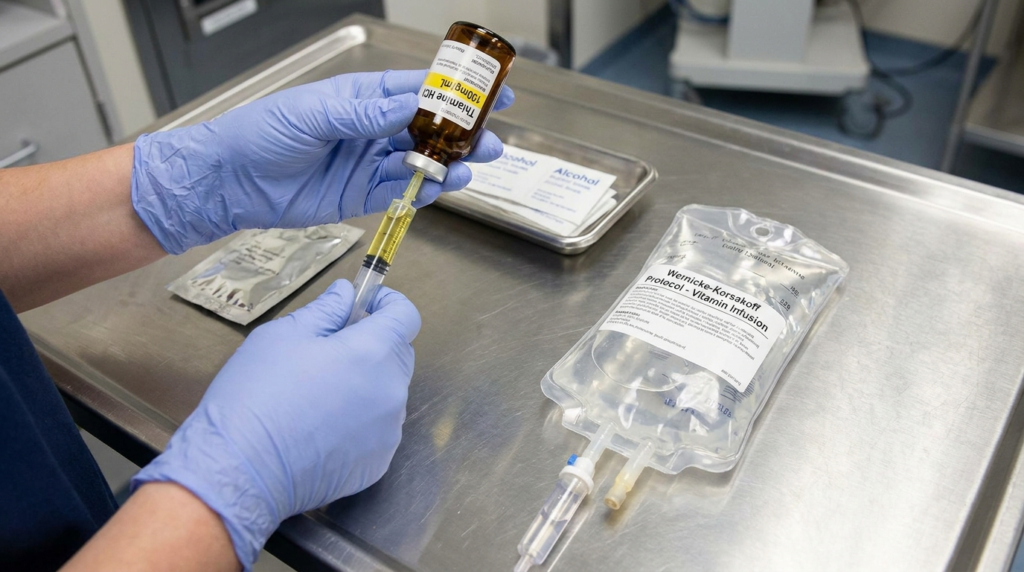
Medications: Benzodiazepines or phenobarbital control withdrawal symptoms. Thiamine prevents Wernicke encephalopathy, a serious brain complication. Magnesium, anti-nausea drugs, and other supports are added as needed.

Escalation: If symptoms worsen despite treatment, you may transfer to intensive care for closer observation and higher medication doses.

Aftercare planning: Before discharge, your team should connect you with ongoing treatment, including therapy, support groups, and medications for alcohol use disorder.

Why Professional Detox Matters?

Alcohol withdrawal is unpredictable. Symptoms that start mild can escalate to seizures or delirium tremens within hours. Medical detox provides:

  • Safety: Continuous monitoring catches complications early.
  • Comfort: Medications reduce suffering and help you complete detox.
  • Support: Counselors and peers offer encouragement and practical guidance.
  • Continuity: Structured transitions to ongoing treatment reduce relapse risk.

Attempting detox alone or in unsupervised settings puts your life at risk and makes relapse more likely.

Finding the Right Detox Program

When choosing a detox program, consider these factors:

  • Medical staffing: 24/7 nursing and physician availability.
  • Evidence-based protocols: Use of validated tools like CIWA-Ar and symptom-triggered medication.
  • Dual diagnosis capability: Treatment for co-occurring mental health conditions like anxiety, depression, or PTSD.
  • Aftercare integration: Clear pathways to residential, partial hospitalization, intensive outpatient, or standard outpatient programs.
  • Insurance and cost transparency: Verification of coverage and upfront estimates.

Ask about the facility’s approach to protracted withdrawal, including insomnia treatment and craving management, to ensure comprehensive support beyond the acute phase.

If you or someone you care about is struggling with alcohol dependence, professional detox is the safest first step toward recovery.

Reach out to our detox program today to discuss your options and start your journey to freedom.

Meth Detox & Withdrawal: Symptoms, Timeline & Risks

Methamphetamine withdrawal can feel overwhelming, but understanding what to expect makes the process less frightening.

The acute detox period typically lasts about one week, with peak symptoms appearing within the first 2 to 7 days after last use.

While methamphetamine withdrawal is rarely life threatening on its own, the intense mood changes, sleep disruption, and craving can drive relapse or create indirect risks like suicidality and cardiovascular complications.

This article walks you through the withdrawal timeline, common symptoms, and evidence based strategies to support safe recovery.

What is Meth Withdrawal?

Methamphetamine withdrawal is the body’s response when someone who has been using meth regularly stops or sharply reduces their intake.

The syndrome is highly prevalent among people with methamphetamine dependence, with research showing that roughly 88% of those with dependence report six or more withdrawal signs when the drug becomes unavailable.

Withdrawal begins within 24 hours of last use and unfolds in distinct phases. The initial crash phase resolves in approximately one week, followed by subacute symptoms that can extend for 2 to 3 weeks. Some individuals experience protracted symptoms, including mood disturbances and cognitive deficits, that persist intermittently for 8 to 16 weeks.

Unlike alcohol withdrawal, which can cause delirium tremens with a measurable mortality risk of roughly 2% even with treatment, direct death from methamphetamine withdrawal alone appears rare. However, withdrawal is not benign.

The period carries indirect risks through suicidality, cardiovascular events in those with underlying heart disease, and polysubstance exposure, particularly fentanyl contamination in the current drug supply.

Common Meth Withdrawal Symptoms

Methamphetamine withdrawal produces a constellation of physical, emotional, and cognitive symptoms that vary in intensity depending on patterns of use, individual health, and co occurring conditions.

Early Crash Phase (Days 1 to 7)

The first week after stopping meth is marked by profound fatigue and a rebound effect as the brain adjusts to the absence of the drug. Common symptoms during this phase include:

  • Hypersomnia or paradoxical insomnia
  • Extreme fatigue and psychomotor slowing
  • Depression, dysphoria, and anhedonia
  • Irritability and anxiety
  • Increased appetite (hyperphagia)
  • Intense craving for methamphetamine

Some individuals experience transient psychotic features, particularly after heavy or chronic use, though frank psychosis is more typical of intoxication than uncomplicated withdrawal.

Subacute Phase (Weeks 2 to 3)

As the crash resolves, a second wave of symptoms emerges. These include:

  • Persistent low mood and anxiety
  • Sleep fragmentation and vivid dreams
  • Cognitive deficits in attention, executive function, and memory
  • Lingering low energy and motivation
  • Continued craving

Protracted Symptoms (8 to 16 Weeks)

A subset of individuals experience extended symptoms that can last several months. These protracted symptoms are inconsistently measured across studies but are clinically important because they elevate relapse risk. They include:

  • Recurrent anxiety or depression
  • Sleep irregularities
  • Heightened stress reactivity
  • Cue driven craving triggered by people, places, or situations associated with past use

Women who use methamphetamine report more sleep problems than men and show stronger links between internalizing symptoms like anxiety and craving, suggesting that sex specific treatment approaches may improve outcomes.

Meth Withdrawal Timeline

Understanding the withdrawal timeline helps set realistic expectations and guides treatment planning.

PhaseTime WindowKey SymptomsClinical Focus
OnsetWithin 24 hoursInitial mood changes, fatigue, sleep disruption, cravingSafety assessment, hydration, suicide risk screening
Early CrashDays 1 to 7Hypersomnia/insomnia, profound fatigue, depression, anxiety, increased appetiteSleep support, mood stabilization, craving management, contingency management initiation
SubacuteWeeks 2 to 3+Persistent mood disturbance, sleep irregularities, cognitive slowing, low motivationBehavioral therapies, relapse prevention, address co occurring disorders
Protracted8 to 16 weeksIntermittent anxiety/depression, stress reactivity, cue induced cravingLong term relapse prevention, cognitive rehabilitation, ongoing support

The acute detox period, when symptoms are most intense, typically spans 5 to 10 days. Functional symptoms commonly continue for 2 to 4 weeks.

Measurable neurobehavioral vulnerabilities can extend 6 to 12 months, requiring structured relapse prevention strategies even after classic vegetative symptoms fade.

How Long Does It Take to Detox from Meth?

The answer depends on how you define detox. If detox means the period of most intense physical and emotional discomfort, that window is roughly one week. If it means the time needed for major functional stabilization, plan for up to one month.

For full neurobehavioral recovery, including restoration of cognitive function and stress resilience, the process can take 6 to 12 months.

Symptom intensity and duration vary widely based on dose, frequency, route of use (smoking or injection versus oral), binge patterns, sleep debt, psychiatric comorbidities, and polysubstance exposure.

Heavy, high frequency use with smoking or injection typically produces more severe and prolonged withdrawal than lighter, less frequent use.

The drug supply itself has changed. Since 2011, U.S. methamphetamine seizures have reached historically high purity, often exceeding 90%, which may intensify acute withdrawal and craving.

Additionally, fentanyl co occurrence with methamphetamine, while nationally low at roughly 1%, exceeds 10% in several Northeastern states, creating geographically concentrated contamination risks that necessitate universal opioid screening and naloxone distribution during detox.

Meth Withdrawal Death Rate

Direct mortality attributable solely to methamphetamine withdrawal is likely rare compared to alcohol withdrawal delirium, which carries a 2% death rate with treatment and up to 25% without. However, the withdrawal period is not without serious risks.

Indirect Risks During Withdrawal

The highest near term dangers during meth detox stem from:

  • Suicidality: Severe depression, anhedonia, and anxiety peak in the crash and subacute periods. Lack of longitudinal tracking in clinical trials should not be interpreted as absence of risk. Vigilant screening and safety planning are essential.
  • Cardiovascular complications: National surveillance data show that stimulant involved overdose deaths without opioids more frequently involve documented cardiovascular disease (38.7% versus 21.2% in stimulant–opioid co involved deaths). Individuals with underlying heart conditions face elevated risk during withdrawal, particularly when agitation, insomnia, and anxiety trigger sympathetic surges.
  • Polysubstance exposure: Between January 2021 and June 2024, 59% of overdose deaths involved stimulants, with 31% involving methamphetamine. Many of these deaths also involved opioids, especially fentanyl. During early abstinence, individuals may relapse or substitute substances, shifting acute overdose risk.
  • Environmental hazards: Dehydration, poor nutrition, unsafe living conditions, and sleep deprivation compound withdrawal risks, especially for those experiencing homelessness or domestic violence.

Atlanta and Georgia Context

While specific methamphetamine withdrawal death rates for metro Atlanta are not readily available in public facing dashboards, Georgia’s surveillance infrastructure tracks substance related outcomes.

Analysts seeking county level emergency department and hospital discharge statistics on stimulant withdrawal in Fulton, DeKalb, and neighboring counties should use ICD 10 CM codes F15.23 (other stimulant dependence with withdrawal) and F15.93 (other stimulant use, unspecified with withdrawal) in Georgia Department of Public Health OASIS interfaces and apply CDC ESSENCE compatible query logic to generate reliable burden estimates.

Managing Meth Withdrawal Safely

There is no FDA approved medication specifically for methamphetamine withdrawal, but a combination of behavioral interventions, supportive care, and selective pharmacotherapy can ease symptoms and reduce relapse risk.

Behavioral Interventions

Contingency management has the strongest evidence base among behavioral treatments for stimulant use disorders.

This approach provides immediate, tangible rewards (such as vouchers or prizes) for objective evidence of abstinence, typically confirmed through urine drug screens.

A real world analysis of Veterans with stimulant use disorder found that contingency management exposure was associated with a 41% lower risk of death at one year, a clinically significant mortality benefit that justifies prioritizing access in detox and continuing care pathways.

Cognitive behavioral therapy and the Matrix Model, which combines CBT, relapse prevention, family education, and social support, are effective as standalone or adjunct therapies.

These approaches enhance coping skills and address the cognitive and emotional drivers of relapse.

Pharmacotherapy

No single medication has proven universally effective for methamphetamine withdrawal, but several agents show modest, phase dependent benefits:

  • Mirtazapine: May help with severe insomnia and anxiety during the acute phase, though evidence is mixed. Use cautiously and only when opioid exposure is ruled out.
  • Bupropion: A 300 mg per day sustained release formulation showed a trend toward reduced methamphetamine use in one trial, with significant benefit in men with low to moderate baseline use. It may help attenuate dysphoria and craving in early abstinence, particularly when combined with contingency management or CBT.
  • Naltrexone: In combination with bupropion, naltrexone demonstrated efficacy for methamphetamine use disorder in a phase III trial. While not tested as a withdrawal treatment per se, it may support early recovery and relapse prevention, especially in patients with co occurring alcohol use.
  • Modafinil: Mixed results, with some signals of symptom relief during inpatient withdrawal but no clear abstinence efficacy.

Pharmacotherapy should be individualized, time limited, and closely monitored, particularly in polysubstance contexts where drug interactions and side effects can complicate care.

Supportive Care and Harm Reduction

Practical detox components include:

  • Suicide risk screening and safety planning
  • Blood pressure and heart rate monitoring, especially in those with cardiovascular disease
  • Sleep hygiene and nutrition support
  • Naloxone distribution and education about fentanyl contamination risks
  • Hydration and treatment of dehydration or malnutrition
  • Warm handoffs to outpatient contingency management, CBT, peer recovery coaching, and co occurring disorder care

Choosing the Right Level of Care

Not everyone needs inpatient detox. The American Society of Addiction Medicine Criteria, Fourth Edition, provides a structured, dimension based framework to match individuals with the appropriate level of care based on withdrawal risk, biomedical and psychiatric comorbidities, relapse potential, and recovery environment.

Inpatient withdrawal management may be safer for individuals with:

  • Severe polysubstance use, particularly involving opioids or benzodiazepines
  • Acute psychiatric symptoms, including suicidality or psychosis
  • Unstable or harmful social circumstances, such as homelessness or domestic violence
  • Significant cardiovascular disease

Many others can be managed safely in outpatient settings with appropriate monitoring, crisis planning, phone or video check ins, and rapid linkage to behavioral supports like contingency management.

Why Detox is Just the Beginning?

Detox stabilizes the body and brain, but it does not address the underlying drivers of methamphetamine use disorder.

The protracted phase, lasting 6 to 12 months, is marked by cognitive inefficiency, anhedonia, stress reactivity, and episodic craving. These vulnerabilities are clinically meaningful and sustain relapse risk well beyond the resolution of acute symptoms.

Effective recovery requires a continuum of care that spans acute stabilization in the first week, functional recovery consolidation over 2 to 4 weeks, and structured relapse prevention and cognitive rehabilitation for at least 6 to 12 months.

Programs should incorporate phase specific supports, vigilantly screen for opioid exposure, deploy contingency management, and consider selective pharmacotherapeutic adjuncts where indicated.

If you or someone you care about is facing methamphetamine withdrawal, know that safe, compassionate support is available.

Thoroughbred Wellness & Recovery in Marietta offers evidence based medical detox with personalized care designed to guide you toward lasting freedom.

IOP Program Cost: How Much Does Intensive Outpatient Treatment Cost?

Intensive outpatient treatment costs vary widely, but understanding the real numbers can help you plan.

A Missouri hospital’s 2025 transparency file shows IOP per‑diem rates of $189 for self‑pay and $225–$285 for most commercial insurance plans, with Medicare patients typically paying 20% coinsurance after their deductible.

This article breaks down what drives IOP costs, what your insurance will cover, and how to minimize your out‑of‑pocket expenses.

What is an Intensive Outpatient Program?

Intensive Outpatient Programs deliver structured behavioral health treatment for people who need more than weekly therapy but don’t require 24‑hour care. Most IOPs run about 3 hours per day, 3 days per week, for 4 to 12 weeks.

You’ll receive psychiatric assessments, medication management, group therapy using approaches like CBT or DBT, individual counseling, family sessions, and care coordination, all while living at home and maintaining work or school.

IOPs treat moderate to severe mental health and substance use disorders. SAMHSA guidance describes core services including individual and group therapy, family psychoeducation, and case management, with outcomes for appropriate patients comparable to residential care at lower cost.

Settings include hospital outpatient departments, community mental health centers, and licensed freestanding programs, delivered in person, virtually, or in a hybrid format.

How Much Does an IOP Program Cost Without Insurance?

Hospital‑based IOPs often offer substantial self‑pay discounts. CenterPointe Hospital of Columbia’s 2025 machine‑readable file shows a gross chargemaster price of $596 per day but a discounted cash price of $189 per day. For a typical 8‑week program at 3 days per week (24 total days), that’s about $4,536 out of pocket.

Many private, non‑hospital IOPs still list retail self‑pay rates between $250 and $500 per day. However, hospital transparency data reveal that comparable hospital‑based programs often run lower, frequently $150 to $200 per day for self‑pay patients.

This price dispersion by site and ownership type means shopping around can save thousands. Always ask about financial assistance programs, sliding‑scale fees, and prompt‑pay discounts before committing.

How Much Does IOP Cost With Insurance?

Your insurance coverage for IOP depends on your plan type, network status, and benefit design. Here’s what to expect across major payer categories.

Commercial Insurance IOP Costs

Most commercial plans cover IOP as an outpatient mental health or substance use benefit. Hospital transparency files show negotiated per‑diem rates commonly cluster between $225 and $285. Your out‑of‑pocket cost depends on your plan’s design:

  • Coinsurance model: If your plan has 20% coinsurance on a $260 allowed amount, you’ll pay about $52 per day, or roughly $1,248 for a 24‑day program.
  • Copay model: Many plans charge a flat copay of $40 to $75 per IOP session‑day, totaling $960 to $1,800 for 24 days.

These amounts assume you’ve met your deductible and are using an in‑network provider. Prior authorization is typically required, and parity regulations under the Mental Health Parity and Addiction Equity Act limit how restrictive insurers can be with behavioral health benefits compared to medical services.

Medicare IOP Costs

Medicare established IOP coverage effective January 1, 2024, paying hospital outpatient departments and community mental health centers on a per‑diem basis under the Outpatient Prospective Payment System. Medicare uses two payment tiers based on the number of services delivered per day (3 services versus 4 or more).

Beneficiaries typically owe 20% Part B coinsurance on the allowed per‑diem amount after meeting the annual deductible.

Using a $260 per‑diem as a proxy, that’s about $52 per day, or roughly $1,248 for a 24‑day program plus any remaining deductible. Medigap or Medicare Advantage plans may reduce your coinsurance, so check your supplemental coverage.

Medicaid IOP Costs

Medicaid managed care plans typically cover IOP with prior authorization and minimal or zero patient cost‑sharing.

MaineCare’s published rates show per‑diem amounts ranging from $188.84 for DBT‑IOP to $316.53 for developmental disability/behavioral health IOP, with most tracks around $231 to $248 per day. Patient out‑of‑pocket is usually limited, though provider networks and utilization controls vary by state.

What Drives the Cost of Intensive Outpatient Programs?

Several factors determine your total IOP cost beyond the base per‑diem rate.

Program Intensity and Duration

IOPs must deliver at least 9 hours per week for adults under ASAM Level 2.1 criteria. Some payers define one billing unit as a 3‑hour block, allowing two units per 6‑hour day, while others require a single per‑diem daily unit.

The number of days you attend, whether 12 days over 4 weeks or 36 days over 12 weeks, scales your total cost linearly.

Billing Codes and Revenue Categories

Hospitals and treatment centers use different billing codes depending on the type of IOP:

  • H0015: Alcohol and drug services IOP, billed per diem, widely used for substance use disorder programs
  • S9480: Intensive outpatient psychiatric services per diem, common for mental health IOP with commercial payers
  • H2036: Substance dependence treatment program per diem, required by some payers for granular categorization

Medicare and Medicaid typically don’t accept S‑codes, channeling providers to H0015 or H2036. Commercial payers often accept S9480 paired with revenue code 0905 for psychiatric IOP. Mismatched code use produces denials and lost revenue, affecting what you ultimately pay.

Telehealth Modality and Payment Rules

Telehealth has expanded IOP access, but reimbursement rules vary. Blue Cross NC pays audio‑video telehealth at parity with in‑person but reimburses audio‑only services at 75% of the allowed amount, a 25% reduction that can lower a 12‑day episode by hundreds of dollars.

In contrast, Horizon BCBSNJ pays audio‑only behavioral health telehealth at the in‑person rate under New Jersey’s parity law.

This single policy variable can shift total allowed amounts significantly. If your plan reduces audio‑only payments, you may face lower out‑of‑pocket costs but also risk access barriers if you lack reliable internet or video equipment.

Network Status and Plan Design

In‑network providers have negotiated rates and lower member cost‑sharing. Out‑of‑network IOPs may charge higher rates, and your plan may cover only a percentage (often 60–70%) after a higher deductible.

Parity regulations require plans offering out‑of‑network medical benefits to also offer out‑of‑network mental health and substance use benefits, but your coinsurance and balance billing exposure can still be substantial.

Program Specialization

Specialized IOP tracks often carry different per‑diem rates. MaineCare’s rate structure shows DBT‑IOP at $188.84 per day, general mental health IOP at $231.11, and eating disorder IOP at $247.81. Commercial contracts may similarly assign distinct rates by track or modifier, reflecting higher staffing ratios or specialized clinical expertise.

Hidden Costs Beyond the IOP Per‑Diem

The per‑diem rate often bundles group and individual therapy, but several services may be billed separately:

  • Medication management and psychiatric evaluation: Frequently billed outside the IOP per‑diem, subject to your plan’s behavioral health professional copays or coinsurance
  • Labs and diagnostics: Rarely a large component but can appear as separate charges under lab benefits
  • Intake or administrative fees: Some private programs charge intake fees or late‑cancellation fees not captured in per‑diem quotes

Ask explicitly: “What exactly is included in the per‑diem? What services are billed separately?” Bundling rules vary, and payers often disallow separate billing of psychotherapy CPT codes on the same day as an IOP per‑diem to prevent duplicate charges.

How to Minimize Your IOP Costs?

Verify Coverage and Authorization Before You Start

Call your insurance company to confirm IOP coverage, in‑network providers, prior authorization requirements, and your specific cost‑sharing (copay, coinsurance, deductible). Ask whether telehealth is covered and if audio‑only sessions are reimbursed at parity. Document the representative’s name, date, and reference number.

Use Hospital Price Transparency Files

Federal rules require hospitals to publish machine‑readable files showing negotiated rates by payer. Search for “machine‑readable file” or “price transparency” on the hospital’s website, then filter by IOP revenue codes (0905 for psychiatric IOP, 0906 for chemical dependency IOP). Compare your plan’s negotiated rate to the self‑pay cash price and other payers’ rates.

Ask About Financial Assistance

If you’re uninsured or underinsured, request a financial assistance application. Many hospitals offer charity care or sliding‑scale discounts based on income. Prompt‑pay discounts for paying the full self‑pay amount upfront can also reduce your bill.

Consider Telehealth Options

If your plan reimburses telehealth at parity and you have reliable internet, virtual IOP can eliminate transportation costs and scheduling conflicts. However, verify whether your plan applies a payment reduction for audio‑only sessions before relying on phone‑only participation.

Track Your Days and Documentation

Keep a personal log of IOP days attended and services received. If your insurer denies coverage citing lack of medical necessity, compare the denial rationale to how they handle similar outpatient medical services. Parity regulations require comparable processes and evidentiary standards, and you may have grounds for appeal if behavioral health is treated more restrictively.

What to Expect in 2026 and Beyond?

The CY 2026 hospital price transparency final rule requires hospitals to publish actual allowed amounts and distribution percentiles (10th, median, 90th) computed from claims data.

This will further normalize IOP pricing and reduce uncertainty for patients and purchasers. Expect tighter clustering around market medians and increased pressure on outlier prices.

Federal parity enforcement is also shifting toward data‑driven oversight, requiring plans to analyze the real‑world impact of utilization management on mental health and substance use benefits.

Better alignment of prior authorization processes and denial rates with medical services should improve access and reduce administrative delays that inflate costs.

Real‑World IOP Cost Scenarios

Scenario A: Commercial HMO member, in‑network, coinsurance model
Allowed $260/day; 20% coinsurance; 8 weeks × 3 days/week (24 days). Out‑of‑pocket per day: $52. Total: $1,248 (deductible already met). Risk: denial if authorization lapses; out‑of‑network claims not covered.

Scenario B: Medicare beneficiary, hospital outpatient IOP
OPPS per‑diem $260 (proxy); 20% coinsurance after Part B deductible. Out‑of‑pocket per day: $52. 24‑day total: $1,248 plus any remaining deductible. Medigap or Medicare Advantage may reduce coinsurance.

Scenario C: Medicaid managed care
Prior authorization obtained; member cost‑sharing $0 (plan design). Out‑of‑pocket ≈ $0 for per‑diem; separate services usually covered with minimal cost‑sharing.

Scenario D: Uninsured self‑pay, hospital
Hospital cash price $189/day; 24 days = $4,536. Request financial assistance or charity care; prepay discounts may reduce cost further.

Scenario E: Commercial PPO, audio‑only telehealth in North Carolina
Allowed $260/day for audio‑video; 75% for audio‑only = $195/day. 20% coinsurance on audio‑only: $39/day. 24‑day total: $936 versus $1,248 for audio‑video—$312 difference due to modality.

The Bottom Line on IOP Program Costs

The real 2025 market‑clearing price for hospital‑based IOP per‑diem commonly falls between $240 and $280 in commercial allowed amounts, with self‑pay bundles often $150 to $200 per day.

In‑network patient out‑of‑pocket typically runs $40 to $85 per day depending on plan design. Medicare beneficiaries face roughly $50 to $70 per day coinsurance post‑deductible, and Medicaid managed care patients frequently pay minimal amounts.

This aligns poorly with many consumer‑facing articles quoting $250 to $500 per day self‑pay in 2025. Transparency files indicate substantial pockets of lower hospital‑based pricing in practice.

The 2026 transparency rule requiring standardized allowed‑amount distributions will further validate these observed clusters and pressure outlier prices toward median market levels.

Total IOP cost is an engineered outcome of billing architecture, payer rules, and regulatory constraints, all superimposed on clinical program intensity.

Providers that align codes, modifiers, and documentation precisely, and patients who verify coverage, compare prices, and monitor authorization, will best manage both revenue integrity and affordability.

If you or a loved one needs compassionate, evidence‑based care, explore our IOP programs to find the right level of support for lasting recovery.

Cocaine Detox & Withdrawal: Symptoms, Timeline & Risks

Stopping cocaine after heavy use triggers a withdrawal syndrome that can feel overwhelming.

The acute phase typically lasts one to two weeks, with fatigue, intense cravings, and mood swings peaking in the first few days. Many people experience lingering symptoms like sleep trouble and depression for two to three months.

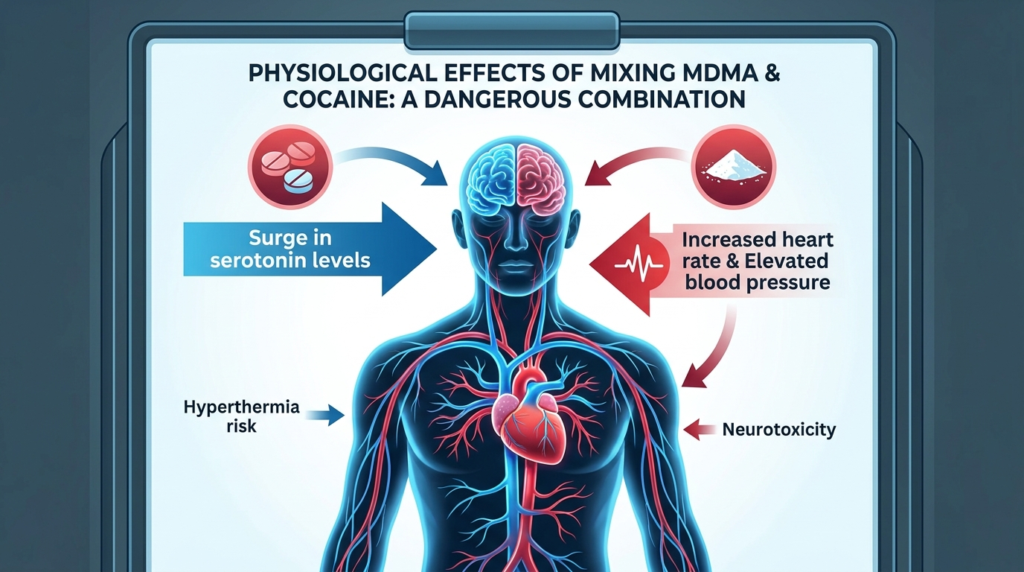
This article explains what to expect during cocaine detox, how long withdrawal lasts, which symptoms require medical attention, and how to reduce the risk of relapse and overdose in today’s fentanyl-contaminated drug supply.

What Happens During Cocaine Withdrawal?

Cocaine withdrawal is dominated by psychological and sleep-related symptoms rather than the dangerous physical instability seen with alcohol or benzodiazepine withdrawal.

When you stop using cocaine, your brain’s dopamine system, which cocaine has overstimulated, needs time to recalibrate. This neurobiological reset produces a cluster of symptoms that evolve over weeks to months.

The most common withdrawal symptoms include intense cravings, severe fatigue, depression or anhedonia (inability to feel pleasure), anxiety and irritability, insomnia or excessive sleeping, vivid unpleasant dreams, slowed thinking, increased appetite, and occasional paranoia or hallucinations in heavy users.

These symptoms reflect persistent changes across neurotransmitter systems and brain circuits that do not reverse instantly after cessation.

Women who primarily smoke crack cocaine may experience more severe withdrawal, especially if they also use cannabis.

longitudinal study of women with cocaine use disorder found that recent cannabis use was associated with higher withdrawal and depressive symptom severity during early abstinence, and that long-term cannabis abuse predicted greater rehospitalization risk over two and a half years.

How Long Does Cocaine Detox Take?

The answer depends on what you mean by detox. Medical stabilization of acute withdrawal typically takes about one week, but clinically meaningful symptoms often persist for two to four weeks, and some people experience protracted withdrawal lasting months.

Acute Phase: 24 Hours to Two Weeks

The first 24 to 72 hours bring peak intensity, especially for people who smoke crack. You may feel crushing fatigue, profound sadness, and overwhelming cravings.

review of psychostimulant withdrawal concluded that acute symptoms generally improve within four to seven days, though mood and sleep disturbances often extend into the second week.

Early Protracted Phase: Weeks Two to Four

By the second week, the worst physical exhaustion usually lifts, but residual anxiety, depression, fragmented sleep, low motivation, and episodic cravings remain common.

Many treatment programs measure outcomes over eight to sixteen weeks, reflecting the realistic timeline for substantial symptom relief.

Late Protracted Withdrawal: One to Three Months or Longer

Post-acute withdrawal syndrome (PAWS) can include mood swings, anhedonia, ongoing sleep disruption, stress sensitivity, and cue-triggered cravings. Objective sleep studies show that sleep architecture disturbances improve gradually but incompletely over months, with large individual variation.

study of women completing three weeks of inpatient detox found that significant withdrawal symptoms often persisted at discharge, underscoring that a standard two to three week detox does not guarantee symptom resolution for everyone.

PhaseTypical Time FrameDominant Symptoms
Acute24–72 hours peak, up to 1–2 weeksIntense craving, severe fatigue, depression, anxiety, insomnia or hypersomnia, vivid dreams
Early protractedWeeks 2–4Residual anxiety and depression, sleep fragmentation, low motivation, episodic cravings
Late protracted (PAWS)1–3+ monthsMood lability, anhedonia, sleep disruption, stress reactivity, cue-triggered cravings

Cocaine Detox Symptoms and Warning Signs

Most cocaine withdrawal symptoms are uncomfortable but not medically dangerous. However, certain red flags require immediate attention.

Severe Depression and Suicidality

A subset of people experience profound depression with suicidal thoughts during early withdrawal. Pooled estimates among cocaine users in treatment show very high rates of suicidal ideation and attempts.

Routine suicide screening using validated tools is essential during the first week of detox, and anyone expressing suicidal thoughts needs urgent psychiatric evaluation and safety planning.

Psychosis-Like Features

Heavy crack use, especially combined with sleep deprivation, can trigger transient paranoia, hallucinations, and agitation.

These symptoms require careful assessment to distinguish acute intoxication, withdrawal, polysubstance effects, or an underlying psychotic disorder. Environmental safety and, when necessary, short-term antipsychotic medication may be needed.

Cardiovascular Concerns

While cardiovascular complications are more common during active cocaine use, people with chronic cocaine use often have underlying heart disease.

If you experience chest pain, palpitations, or severe high blood pressure during detox, seek medical evaluation promptly.

Skin Lesions and Unexplained Illness

Levamisole, a common cocaine adulterant, can cause a serious condition called thrombotic vasculopathy, marked by skin necrosis (especially on the ears), joint pain, and dangerously low white blood cell counts.

case review of levamisole-adulterated cocaine emphasized that diagnosis relies on exposure history and skin biopsy rather than blood tests alone. If you develop unusual skin lesions or feel severely ill during detox, tell your medical team immediately.

Cocaine Withdrawal Death Rate and Overdose Risk

Cocaine withdrawal itself is rarely life-threatening from a physiologic standpoint. The real danger lies in what happens after detox: relapse into a drug supply contaminated with fentanyl and other potent opioids.

National Overdose Trends

Stimulant-involved overdose deaths have surged since 2011. CDC surveillance data show that cocaine deaths rose from 4,681 in 2011 to 29,449 in 2023, and psychostimulant deaths (mostly methamphetamine) increased from 2,266 to 34,855 over the same period.

Although provisional 2024 data show declines, levels remain far above 2011 baselines. Among 309,274 overdose deaths from January 2021 through June 2024, 59 percent involved stimulants, with 30 percent involving cocaine specifically.

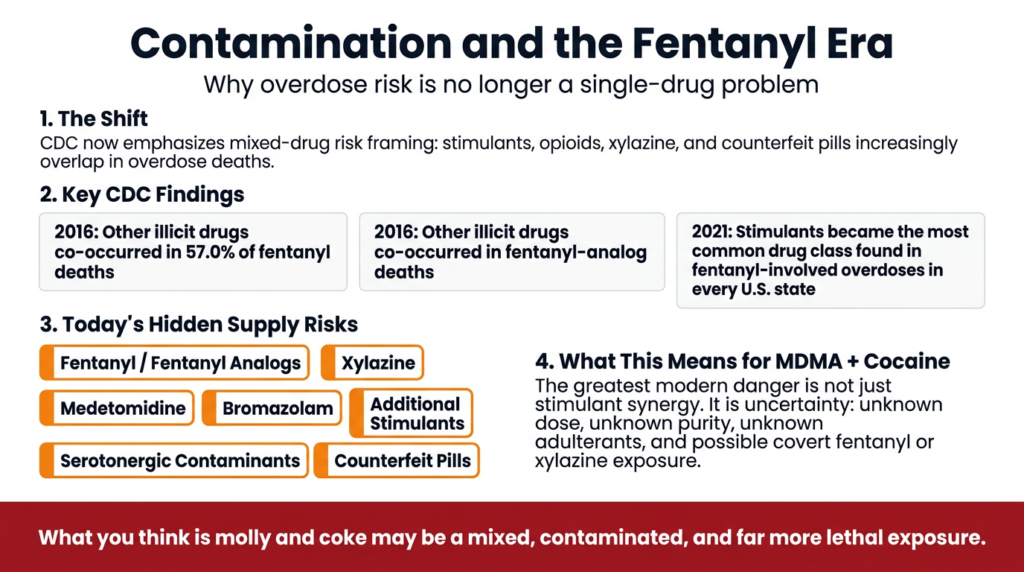
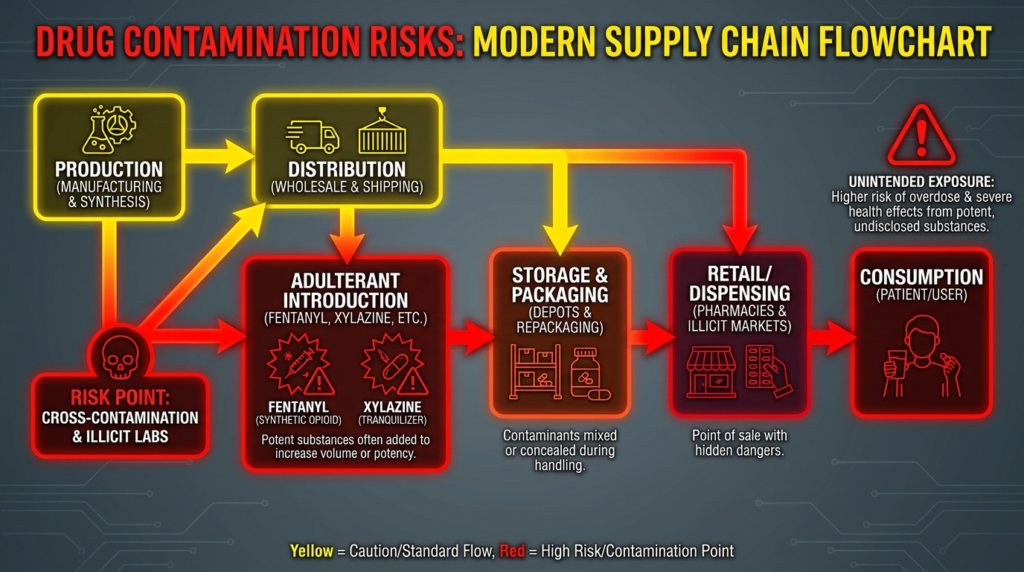
The primary driver of these increases is opioid co-involvement. Illicitly manufactured fentanyls have extensively infiltrated cocaine and methamphetamine supplies, making relapse after stimulant detox unusually lethal.

Some people who identify as stimulant-only users unknowingly consume opioid-adulterated drugs; emergency departments have documented “stimulant overdoses” reversing with naloxone, direct evidence of hidden fentanyl exposure.

Cocaine Withdrawal Death Rate in Atlanta, Georgia

Georgia Department of Public Health surveillance aligns with national patterns. In March 2022, Georgia DPH issued an alert following increased overdoses from fentanyl-laced cocaine, methamphetamine, and counterfeit pills, documenting at least 66 emergency department visits in a six-week period.

Metro Atlanta county data reveal geographic and racial disparities. DeKalb County saw total overdose deaths rise from 142 in 2020 to 217 in 2023 before declining to 203 in 2024, with cocaine–fentanyl co-involvement common.

Suburban counties including Cobb, Gwinnett, Cherokee, Henry, and Clayton experienced peaks in 2022 followed by stabilization or decline in 2023 and 2024, attributed to expanded naloxone distribution and early fentanyl test strip integration.

However, the polysubstance environment remains entrenched, complicated by emerging adulterants like xylazine and nitazenes.

Regional analyses highlight that cocaine–fentanyl co-involvement risk is elevated in Black communities, particularly in southern and eastern Gwinnett, south Cobb, and Clayton County. These patterns underscore the need for culturally tailored harm reduction and treatment access.

Loss of Tolerance After Detox

Even a brief period of abstinence reduces your tolerance to both stimulants and opioids. If you relapse after detox, the same dose that you previously used can be fatal, especially if it contains fentanyl.

This dynamic is well documented in opioid users post-detox and applies equally in polysubstance environments where stimulant users may inadvertently undergo an opioid tolerance reset.

Who Should Consider Inpatient Detox?

Outpatient detox works well for many people with reliable support and no severe psychiatric instability. However, inpatient or residential detox is recommended when:

  • You have severe withdrawal symptoms, including high scores on validated scales like the Cocaine Selective Severity Assessment (CSSA), profound depression, or suicidal thoughts.
  • You use multiple substances, especially if opioid involvement is likely (intentional or unintended).
  • You have significant psychiatric conditions such as major depression, PTSD, bipolar disorder, or a history of psychosis.
  • You have medical issues requiring monitoring, such as unstable cardiovascular disease or pregnancy.
  • You have repeatedly tried to quit in outpatient settings without success, or your home environment is filled with triggers.

study of women with cocaine use disorder emphasized that early identification of severe or persistent withdrawal is clinically important because it predicts poorer long-term outcomes.

Standardized assessment at intake helps clinicians decide on the right level of care and plan extended support for high-severity patients.

Managing Cocaine Withdrawal Symptoms

There is no FDA-approved medication specifically for cocaine withdrawal. Management relies on symptomatic treatment, behavioral therapies, and close monitoring.

Symptom-Targeted Medications

Clinicians commonly use off-label medications to address specific symptoms:

  • Anxiety and autonomic arousal: Clonidine or propranolol can reduce anxiety, rapid heart rate, and blood pressure spikes. Providers monitor for low blood pressure and avoid propranolol in people with asthma or very slow heart rates.
  • Insomnia: Trazodone or low-dose quetiapine may be prescribed short-term. Sleep hygiene and behavioral sleep interventions are first-line, given that sleep architecture disturbances persist for months and contribute to mood instability and relapse risk.
  • Agitation or psychosis-like features: Antipsychotics such as haloperidol or atypical agents may be used cautiously, with careful assessment to rule out intoxication or a primary psychotic disorder.
  • Neuropathic discomfort and anxiety: Gabapentin is sometimes used off-label, though providers monitor for misuse potential.
  • Depression: If major depression is diagnosed, SSRIs or SNRIs may be started, with close monitoring for suicidality and attention to distinguishing substance-induced depression from independent mood disorders.

These medications are symptomatic supports rather than anti-craving agents. The strongest evidence for promoting abstinence and retention comes from behavioral therapies.

Behavioral Therapies

Contingency management (CM) consistently demonstrates the best outcomes for stimulant use disorder. CM provides tangible rewards (vouchers, prizes) for verified abstinence, reinforcing positive behavior change.

When paired with cognitive behavioral therapy (CBT) or community reinforcement approaches, CM helps people identify triggers, develop coping skills, and build a recovery-supportive lifestyle.

Polysubstance and Opioid Use Disorder Integration

For patients with concurrent or suspected opioid use, initiating medications for opioid use disorder (buprenorphine or methadone) is critical to reduce overdose and relapse risk.

This is essential even in “stimulant-primary” populations due to fentanyl contamination dynamics. Reviews of opioid withdrawal management in the fentanyl era emphasize low-barrier access to these medications.

Reducing Overdose Risk After Detox

The period immediately after detox is the highest-risk window for fatal overdose. Comprehensive discharge planning should include:

  • Naloxone for everyone: All patients and their household members should receive naloxone (Narcan) and training on overdose recognition and response, regardless of reported opioid use. Pre-fentanyl-era surveillance documented that 62.7 percent of overdose deaths had at least one potential opportunity for intervention, signaling practical room for prevention.
  • Fentanyl test strips: Provide test strips with clear instructions tailored to stimulant use patterns. While not foolproof, they can detect fentanyl in cocaine and methamphetamine samples and prompt safer use decisions.
  • Medications for opioid use disorder: Screen all stimulant detox patients for opioid use disorder and offer immediate initiation or referral to buprenorphine or methadone for any positive screen or suspected exposure.
  • Frequent early follow-up: Schedule weekly contacts (in person or telehealth) during the first eight to twelve weeks post-detox to reinforce contingency management and CBT, monitor sleep and mood, and reassess relapse risk.
  • Culturally tailored linkages: In metro Atlanta, connect patients from high-burden areas to trusted community resources distributing naloxone and test strips, and coordinate with county-level harm reduction initiatives.

Predictors of Severe or Prolonged Withdrawal

Certain factors increase the likelihood of intense or long-lasting withdrawal symptoms:

  • Early severity: Higher scores on the Cocaine Selective Severity Assessment (CSSA) at treatment entry predict worse abstinence outcomes and justify extended support.
  • Depressive symptom burden: Greater depression correlates with heightened withdrawal severity and poorer trajectories.
  • Recent and historical cannabis use: Among women with smoked cocaine use disorder, recent cannabis consumption associates with greater withdrawal and depressive severity during early abstinence, and long-term cannabis abuse predicts higher rehospitalization risk.
  • Polysubstance co-use: Frequent upper-downer co-use (stimulants and opioids) can mask or distort classic withdrawal syndromes and increase relapse risk for either drug class.
  • Sleep disturbance: Severe insomnia or fragmented sleep during detox may signal the need for early sleep-focused interventions, as persisting sleep abnormalities correlate with mood and relapse risk.
  • Psychosocial factors: Unstable housing, trauma history, lack of social support, and co-occurring mental health conditions all intensify withdrawal experiences and complicate care.

Incorporating these predictors into early triage improves risk stratification and helps allocate resources effectively.

A Realistic Timeline for Recovery

For most people, the acute medical stabilization phase of cocaine detox lasts about one week. However, a realistic care plan should anticipate two to four weeks for major symptom improvement and commit to at least eight to twelve weeks of structured support to address persistent symptoms, relapse risk, and safety needs.

Days 0–7: Expect peak fatigue, cravings, and mood swings. Daily contact, suicide screening, sleep hygiene coaching, and initiation of contingency management are essential. If you use alcohol with cocaine, cardiovascular monitoring may be needed due to cocaethylene formation.

Weeks 2–4: Acute exhaustion typically lifts, but residual anxiety, depression, sleep fragmentation, and episodic cravings remain common. Continue contingency management and CBT, focusing on trigger mapping and coping skills. Monitor mood closely and evaluate for major depressive disorder or anxiety disorders if symptoms are severe or persistent.

Months 2–3 and beyond: Protracted withdrawal symptoms can fluctuate for months. Maintain longer-term supports such as community reinforcement approaches, peer recovery groups, and relapse prevention planning. Address co-occurring disorders and refresh skills before high-risk events.

When to Seek Help?

You should seek professional help for cocaine detox if:

  • You have tried to quit on your own and experienced severe depression, suicidal thoughts, or intense cravings that led to relapse.
  • You use cocaine with other substances, especially opioids or alcohol.
  • You have a history of mental health conditions such as depression, anxiety, PTSD, or bipolar disorder.
  • You have medical issues like heart disease or high blood pressure.
  • Your home environment is unstable or filled with triggers.

Professional detox programs provide medical monitoring, symptom management, suicide risk assessment, and a structured transition to ongoing treatment.

Inpatient settings offer 24-hour support and a protected environment to break cycles and plan aftercare.

Moving Forward

Cocaine withdrawal is a neurobiologically mediated, protracted syndrome with individually variable trajectories.

The acute phase typically resolves within one to two weeks, but clinically meaningful symptoms often extend for two to four weeks, and some people experience post-acute withdrawal lasting months. The most consequential mortality threat is not withdrawal physiology itself but relapse into a fentanyl-saturated drug supply.

Evidence-informed detox in 2026 must bundle naloxone and fentanyl test strips for all stimulant users, integrate on-demand medications for opioid use disorder for concurrent or suspected opioid use, and deliver contingency management and cognitive behavioral therapy with sleep-focused supports.

Early identification of severe withdrawal, attention to co-use modifiers like cannabis, and proactive mood and suicide risk management improve outcomes.

If you or someone you care about is struggling with cocaine use, know that effective treatment exists. With the right support, medical care, and behavioral therapies, recovery is possible.

If you’re ready to take the next step, explore Thoroughbred Wellness and Recovery’s detox programs to learn how personalized, compassionate care can guide you toward lasting freedom.

Heroin Detox & Withdrawal: Symptoms, Timeline & Risks

Heroin withdrawal feels overwhelming, but understanding what to expect can reduce fear and help you plan.

Acute withdrawal from short‑acting heroin typically lasts five to seven days, though fentanyl exposure can extend symptoms to two weeks or more.

This article explains the withdrawal timeline, common symptoms, medical risks, and evidence‑based treatments that make detox safer and more successful.

What Happens During Heroin Withdrawal?

Heroin withdrawal is the body’s response when you stop using after physical dependence has developed. Within hours of your last dose, your nervous system rebounds from opioid suppression, triggering a cascade of uncomfortable physical and emotional symptoms.

The syndrome is rarely fatal on its own, but it drives intense cravings and relapse risk, and complications like dehydration or aspiration can become serious without medical support.

The Clinical Opiate Withdrawal Scale quantifies severity using eleven observable signs, from pupil dilation and sweating to restlessness and gastrointestinal distress.

Scores guide treatment decisions: mild withdrawal (5–12 points) may be managed with comfort medications, while moderate to severe scores (13 or higher) often warrant medications for opioid use disorder to prevent complications and improve outcomes.

Why Fentanyl Changes the Picture?

Today’s illicit opioid supply is dominated by fentanyl, not traditional heroin. Fentanyl’s high potency and prolonged tissue retention can delay withdrawal onset, push peak symptoms to three to seven days after last use, and extend the acute phase beyond the classical week‑long window.

Many people who believe they are detoxing from heroin are actually withdrawing from fentanyl, which complicates timing for medications like buprenorphine and increases the risk of precipitated withdrawal if treatment starts too early.

Heroin Withdrawal Symptoms: What to Expect?

Symptoms unfold in predictable waves, though individual experiences vary based on use patterns, opioid type, and overall health.

Early symptoms (6–12 hours for heroin; later for fentanyl):

  • Anxiety and restlessness
  • Yawning and tearing
  • Sweating and runny nose
  • Muscle aches
  • Dilated pupils
  • Insomnia

Peak symptoms (24–72 hours for heroin; 3–7 days for fentanyl):

  • Severe muscle and bone pain
  • Nausea, vomiting, and diarrhea
  • Abdominal cramping
  • Rapid heartbeat and elevated blood pressure
  • Chills alternating with sweats
  • Intense cravings and agitation

Late acute phase (days 3–10):

  • Gradual improvement in physical symptoms
  • Persistent insomnia and fatigue
  • Mood swings and irritability
  • Low appetite
  • Episodic cravings

Protracted symptoms (weeks to months):

  • Anxiety and depression
  • Sleep disturbances
  • Impaired concentration
  • Low energy and anhedonia
  • Ongoing cravings

The DSM‑5 diagnostic criteria for opioid withdrawal require clinically significant distress or impairment alongside these physical signs, underscoring that withdrawal is a medical syndrome deserving structured care, not willpower alone.

How Long Does Heroin Detox Take?

For short‑acting heroin without fentanyl involvement, acute withdrawal usually resolves in four to ten days, with most people feeling substantially better by day five to seven.

However, in fentanyl‑dominant markets, many patients experience a longer course: onset delayed to 24–72 hours, peak intensity at three to seven days, and meaningful symptoms persisting for seven to fourteen days or more.

Planning for up to two weeks of significant discomfort in fentanyl contexts is realistic and reduces the risk of premature discharge from care.

Protracted symptoms, sleep problems, mood instability, cognitive fog, and cravings, can linger for weeks to months and are best managed with ongoing medications for opioid use disorder, therapy, and structured recovery support.

PhaseTypical Timing (Heroin)Prominent Symptoms
Early6–24 hoursAnxiety, sweating, muscle aches, yawning, dilated pupils
Peak24–72 hoursSevere pain, nausea/vomiting/diarrhea, tachycardia, intense cravings
Late AcuteDays 3–10Improving physical symptoms; insomnia, fatigue, mood swings persist
ProtractedWeeks–monthsAnxiety, depression, low energy, impaired focus, cravings

Can You Die from Heroin Withdrawal?

Heroin withdrawal itself is rarely fatal, but serious complications can occur. The greatest lethal risk is not the withdrawal syndrome but what follows: relapse after tolerance has dropped. Returning to pre‑detox doses with reduced tolerance is a leading cause of post‑detox overdose deaths.

Direct withdrawal‑related deaths are uncommon but documented, typically through:

  • Dehydration and electrolyte imbalances: Persistent vomiting and diarrhea can cause severe dehydration and hypernatremia, stressing the heart and kidneys, especially in people with cardiovascular disease or other comorbidities.
  • Aspiration: Repeated emesis raises the risk of inhaling stomach contents, which can lead to aspiration pneumonia.
  • Cardiac stress: Autonomic instability, tachycardia and hypertension, can unmask underlying heart conditions.
  • Polysubstance withdrawal: Co‑withdrawal from alcohol or benzodiazepines can trigger seizures, compounding risk.

Rapid or anesthesia‑assisted detox methods have been linked to serious adverse events, including arrhythmias, pulmonary edema, and deaths, and are not recommended by expert consensus.

Medically supervised detox with medications for opioid use disorder is the safest, most effective approach.

Evidence‑Based Treatment for Heroin Withdrawal

The most effective way to manage withdrawal and reduce long‑term risks is to initiate medications for opioid use disorder (MOUD) during or immediately after detox.

Buprenorphine and methadone not only ease acute symptoms but also lower relapse and overdose mortality when continued as maintenance treatment.

Buprenorphine

Buprenorphine is a partial opioid agonist that relieves withdrawal and cravings without the euphoria of full agonists. It is the preferred first‑line medication for many patients and can be started in emergency departments, outpatient clinics, or inpatient settings.

Timing is critical: buprenorphine should begin only when moderate withdrawal is evident (typically a Clinical Opiate Withdrawal Scale score of 6 or higher) to reduce the risk of precipitated withdrawal, a sudden worsening of symptoms caused by displacing fentanyl from opioid receptors too early.

In fentanyl‑exposed patients, two strategies have proven helpful:

  • High‑dose buprenorphine rescue: If precipitated withdrawal occurs, administering higher cumulative doses of buprenorphine rapidly overcomes receptor imbalance and relieves symptoms safely under medical supervision.
  • Micro‑induction (Bernese method): Overlapping small, escalating doses of buprenorphine with a full agonist opioid minimizes precipitated withdrawal risk and is particularly useful in inpatient settings for patients with heavy fentanyl use or complex medical needs.

Methadone

Methadone is a full opioid agonist that provides robust relief of withdrawal and cravings. It is especially effective for patients with high opioid tolerance or those who do not tolerate buprenorphine.

Methadone initiation requires enrollment in a federally regulated opioid treatment program and careful dose titration to avoid QT prolongation and other risks, but it remains a cornerstone of evidence‑based care.

Adjunctive Medications

Non‑opioid medications target specific symptoms and improve comfort during detox:

  • Alpha‑2 agonists (clonidine, lofexidine) reduce sweating, anxiety, and rapid heart rate.
  • Antiemetics control nausea and vomiting.
  • Antidiarrheals (loperamide) ease gastrointestinal distress.
  • NSAIDs and acetaminophen relieve muscle and bone pain.
  • Sleep aids (trazodone) address insomnia.

These adjuncts improve tolerability but do not replace MOUD for long‑term outcomes.

Multimodal Protocols for Complex Withdrawal

In markets where fentanyl is adulterated with sedatives like xylazine, withdrawal can include pronounced sympathetic activation, severe tachycardia, hypertension, and protracted vomiting.

multimodal emergency department protocol combining buprenorphine, alpha‑2 agonists, pain management, and symptom‑targeted medications reduced withdrawal severity and patient‑directed discharges in one cohort, suggesting that flexible, comprehensive care improves retention and comfort in complex cases.

Risks After Detox: The Overdose Window

The most dangerous period surrounding heroin withdrawal is not the acute phase but the days and weeks after detox, when tolerance has dropped. Returning to opioid use at previous doses can be fatal.

This risk is why detoxification alone, without transition to MOUD, is associated with higher relapse and mortality rates.

Harm reduction strategies are essential:

  • Naloxone access: Carry naloxone and educate family or friends on how to use it.
  • Never use alone: Use with someone present or via virtual overdose prevention services.
  • Start low: If relapse occurs, use a much smaller dose than before detox.
  • Fentanyl test strips: Where legal, test substances for fentanyl and other adulterants.

Continuing buprenorphine or methadone maintenance after detox is the most effective way to prevent relapse and overdose.

What About Xylazine and Other Adulterants?

Xylazine, a veterinary sedative, has been detected in fentanyl supplies in some U.S. cities, prompting concerns about a distinct “xylazine withdrawal syndrome.”

However, recent human cohort studies have not identified a consistent, reproducible xylazine withdrawal pattern. Symptoms previously attributed to xylazine, such as agitation, tachycardia, and hypertension, often overlap with opioid withdrawal or other co‑exposures.

In Atlanta, drug surveillance data from mid‑2025 showed zero detections of xylazine or medetomidine in recent law enforcement seizures, suggesting that local withdrawal protocols should prioritize fentanyl‑focused management while remaining alert for novel benzodiazepines and other adulterants.

Clinicians should treat symptoms as they present, using multimodal care when autonomic instability or protracted vomiting suggests sedative involvement, rather than assuming a separate withdrawal syndrome.

Medical Detox vs. Outpatient Support

Medical detox provides 24‑hour supervision, intravenous hydration, and immediate access to medications and monitoring.

It is appropriate for people with severe withdrawal, medical comorbidities, polysubstance use, or limited social support. Detox programs should transition patients to outpatient MOUD and counseling to sustain gains.

Outpatient detox with MOUD initiation is safe and effective for many patients, especially when withdrawal is mild to moderate and social support is in place.

Emergency departments increasingly offer buprenorphine initiation, which improves engagement and reduces relapse compared to referral alone.

Choosing the right setting depends on withdrawal severity, medical history, substance use patterns, and personal circumstances. Both pathways should lead to ongoing MOUD and recovery support.

Protracted Withdrawal and Long‑Term Recovery

After acute symptoms resolve, many people experience weeks to months of protracted withdrawal: anxiety, depression, sleep disturbances, low energy, impaired concentration, and cravings.

This phase is sometimes called post‑acute withdrawal syndrome (PAWS), though the term is not a formal diagnosis and evidence varies by substance.

Managing protracted symptoms requires:

  • Continued MOUD: Buprenorphine or methadone at adequate doses suppresses cravings and stabilizes mood.
  • Psychotherapy: Cognitive‑behavioral therapy, mindfulness, and trauma‑focused approaches address underlying issues and build coping skills.
  • Sleep hygiene: Consistent routines, limiting screens, and sleep aids when needed.
  • Structured activities: Work, school, exercise, and peer support provide purpose and reduce isolation.
  • Treatment of co‑occurring mental health conditions: Anxiety, depression, and PTSD are common and respond to integrated care.

Protracted symptoms improve non‑linearly, good days and bad days are normal. Patience, support, and ongoing treatment reduce relapse risk and support functional recovery.

Coding and Surveillance: Improving Data Quality

Accurate diagnostic coding helps track withdrawal trends, allocate resources, and evaluate treatment effectiveness. The ICD‑10‑CM codes for opioid withdrawal are:

  • F11.23: Opioid dependence with withdrawal (billable, effective October 2025).
  • F11.93: Opioid use, unspecified with withdrawal (billable, effective October 2025).

These codes exclude opioid intoxication and poisoning, improving specificity when isolating withdrawal cohorts for research and quality improvement.

Pairing clinical severity metrics like the Clinical Opiate Withdrawal Scale with these codes enhances surveillance in emergency and inpatient settings.

Policy and Access: Georgia’s Landscape

Georgia has expanded access to medications for opioid use disorder through several initiatives:

  • Prescription Drug Monitoring Program (PDMP): Georgia’s PDMP requires reporting of dispensed controlled substances within 24 hours and supports prescriber queries to inform treatment decisions and reduce overlapping prescriptions.
  • E‑prescribing rules: Georgia permits electronic transmission of prescriptions directly from prescribers or compliant formatters, with DEA rules governing controlled substances and teleprescribing.
  • Naloxone standing order and fentanyl test strips: Georgia’s standing order for naloxone and legalization of fentanyl test strips support harm reduction statewide.
  • Opioid treatment programs (OTPs): Federal guidelines emphasize safe methadone and buprenorphine practices, patient‑centered dosing, and integration with counseling and recovery support.

Atlanta‑area health systems, including Emory and Grady, have launched programs to expand MOUD access. The REAL TIME program supports rural emergency departments via telehealth and the Georgia Poison Center’s on‑call toxicologist, assisting with acute withdrawal and buprenorphine initiation.

Grady’s Medication for Alcohol and Opioid Treatment Clinic provides outpatient MOUD, counseling, and wraparound services, with recent settlement funds expanding capacity.

Payer policies from UnitedHealthcare and Aetna cover extended‑release buprenorphine formulations like Sublocade and Brixadi under specified criteria, offering an option to reduce early relapse risk after short stabilization on sublingual buprenorphine.

Practical Steps for Safe Withdrawal

If you or someone you care about is facing heroin withdrawal, these steps can improve safety and outcomes:

1. Seek medical evaluation: A brief assessment can determine the appropriate level of care and identify comorbidities.

2. Start MOUD early: Buprenorphine or methadone initiated during withdrawal reduces symptoms, cravings, and relapse risk.

3. Stay hydrated: Drink fluids and replace electrolytes; seek medical attention if vomiting or diarrhea is severe.

4. Use adjunctive medications: Ask about clonidine, antiemetics, antidiarrheals, and pain relievers to ease specific symptoms.

5. Plan for continuity: Schedule outpatient MOUD follow‑up, counseling, and peer support before leaving detox.

6. Carry naloxone: Obtain naloxone and educate loved ones on overdose reversal.

7. Avoid rapid detox: Anesthesia‑assisted detox carries serious risks and is not recommended.

8. Address co‑occurring conditions: Treat anxiety, depression, trauma, and other mental health issues alongside opioid use disorder.

Why is MOUD the Standard of Care?

Decades of research confirm that buprenorphine and methadone are superior to detoxification alone for retention in treatment, reduction in illicit opioid use, and lower overdose mortality.

Short‑term detox without ongoing MOUD is associated with high relapse rates and increased overdose risk due to lost tolerance.

MOUD is not “replacing one drug with another”, it is evidence‑based medicine that stabilizes brain chemistry, reduces cravings, and allows people to rebuild their lives.

Combined with counseling, peer support, and holistic therapies, MOUD offers the best chance for long‑term recovery.

Moving Forward with Confidence

Heroin withdrawal is uncomfortable and challenging, but it is manageable with the right support. Understanding the timeline, roughly one week for heroin, up to two weeks or more for fentanyl, helps set realistic expectations. Knowing the symptoms, risks, and evidence‑based treatments empowers you to make informed decisions and advocate for quality care.

The greatest danger is not the withdrawal itself but the period after detox, when tolerance is low and relapse risk is high. Medications for opioid use disorder, harm reduction education, and ongoing recovery support dramatically reduce this risk and improve long‑term outcomes.

If you or a loved one is ready to take the next step, reach out to Thoroughbred’s medical detox program that offers compassionate, evidence‑based care and a clear path to sustained recovery.

Painkiller Withdrawal: Symptoms, Detox Timeline & Risks

Stopping painkillers after weeks or months of use triggers a predictable set of physical and psychological symptoms that can feel overwhelming.

In the fentanyl era, withdrawal often lasts longer and feels more intense than classic timelines suggest, with acute symptoms typically resolving in 4 to 10 days for short-acting opioids but extending beyond two weeks for long-acting agents and frequently behaving unpredictably when fentanyl is involved.

This article explains what to expect during painkiller withdrawal, how modern detox strategies reduce risk, and why linking to ongoing medication treatment is essential to prevent relapse and overdose.

What Happens During Painkiller Withdrawal?

Opioid withdrawal results when chronic exposure to painkillers is reduced or stopped, causing a deficit in mu-opioid receptor signaling and triggering a hyperadrenergic state.

The body reacts with a constellation of autonomic, gastrointestinal, musculoskeletal, and neuropsychiatric symptoms. While uncomfortable and distressing, adult opioid withdrawal is rarely life threatening in isolation, though catecholamine surges can stress comorbid conditions.

Core withdrawal symptoms include tachycardia, hypertension, sweating, dilated pupils, agitation, anxiety, intense cravings, nausea, vomiting, diarrhea, abdominal cramping, muscle aches, chills, dysphoria, irritability, insomnia, and restlessness.

The intensity and timing depend on the opioid’s half-life, receptor dynamics, dose, duration of use, and individual physiology.

Clinicians use validated tools to measure severity. The Clinical Opiate Withdrawal Scale (COWS) is an observer-rated instrument scoring objective and subjective signs to stratify severity and guide treatment dosing.

A COWS score of 8 or higher indicates at least mild to moderate withdrawal, with many protocols preferring 12 or above before standard buprenorphine initiation to reduce precipitated withdrawal risk. The Subjective Opiate Withdrawal Scale (SOWS) complements COWS as a patient-reported measure, with 2 to 4 points considered a clinically meaningful change.

Painkiller Withdrawal Timeline by Opioid Type

For pharmaceutical-grade opioids, withdrawal onset correlates with pharmacokinetics. Short-acting painkillers such as heroin, morphine, hydrocodone, and immediate-release oxycodone typically produce moderate withdrawal within 12 to 16 hours after the last dose.

Intermediate-acting formulations onset around 17 to 24 hours. Long-acting opioids like methadone onset later, around 30 to 48 hours or more.

These estimates assume known products. Illicit supplies contaminated with unknown substances, notably fentanyl analogues, can delay onset or alter course, rendering the clock less reliable than symptom-triggered approaches.

The British Columbia provincial OUD guideline emphasizes relying on symptoms and objective signs rather than rigid abstinence clocks, especially important with fentanyl-adulterated supplies.

Short-Acting Opioids

Withdrawal from short-acting painkillers often begins within 8 to 24 hours, commonly around 12 to 16 hours for pharmaceutical-grade products.

Symptoms typically peak over 24 to 72 hours and abate over 4 to 10 days. This timeline remains broadly valid for known pharmaceutical opioids.

Long-Acting Opioids

Methadone’s long and variable half-life results in later-onset, prolonged withdrawal. Classic resources cite onset around 24 to 72 hours and duration of 10 to 20 days or more, with peak often later than short-acting agents.

Clinically, many protocols require 72 hours or more of abstinence before standard buprenorphine induction when transitioning from methadone to reduce precipitated withdrawal risk.

Buprenorphine itself, as a partial agonist with high receptor affinity, produces a relatively delayed and often milder abstinence syndrome upon cessation compared with full agonists.

Its long half-life means abrupt cessation can yield subacute symptoms that persist, complicating a simple stopwatch narrative.

How Fentanyl Changes the Withdrawal Picture?

Fentanyl’s lipophilicity enables rapid brain uptake but also extensive distribution to muscle and fat, with slow redistribution and elimination. Chronic, high-frequency use typical in illicit contexts leads to tissue reservoirs and protracted renal clearance. 

Urine fentanyl and norfentanyl can remain detectable for a week or more following last use in frequent users, translating into ongoing receptor occupancy even after subjective withdrawal begins.

Clinically, this means withdrawal may onset around 8 to 24 hours, but the intensity and duration are more variable. A subset experiences prolonged or rebound symptoms as fentanyl trickles out of tissue stores.

Standard abstinence times to be safe for buprenorphine, such as 12 to 24 hours, understate risk. In practice, 24 hours or more is often necessary, and even prolonged abstinence may not prevent precipitated withdrawal.

quasi-experimental comparison under identical morphine stabilization protocols before versus after fentanyl market penetration found the fentanyl-era cohort exhibited higher peak withdrawal scores on multiple days.

A larger proportion rated withdrawal as severe on days 2 through 5, with 48 percent versus 16 percent on day 2, 47 percent versus 8 percent on day 3, 37 percent versus 6 percent on day 4, and 27 percent versus 6 percent on day 5, suggesting more intense and persistent withdrawal at least through day 5 or 6.

These observations underpin modern recommendations to verify definite withdrawal with COWS of 8 to 12 or higher with objective signs and, when risk is high or uncertainty persists, to use microinduction or delay initiation with supportive medications rather than forcing the clock.

Precipitated Withdrawal and Safer Induction Strategies

Buprenorphine is a high-affinity partial opioid agonist. When administered in the presence of full agonists such as fentanyl, methadone, or heroin, it displaces them and reduces net receptor activation, triggering an abrupt precipitated withdrawal.

This is typically most likely when initiation occurs before moderate to severe withdrawal is present. In fentanyl users, even standard thresholds can fail due to persistent tissue-derived fentanyl causing ongoing receptor activation.

In a retrospective three-hospital cohort of emergency department and inpatient initiations, precipitated withdrawal incidence was 11.5 percent overall and 16.3 percent among those with confirmed fentanyl.

Higher urine fentanyl concentration of 200 nanograms per milliliter or more and body mass index of 30 or higher were associated with increased precipitated withdrawal odds.

Low-Dose and Microinduction Approaches

Low-dose initiation, or microinduction, starts buprenorphine in microdoses while continuing a full agonist, either prescribed or ongoing use, titrating buprenorphine upward over days until sufficient receptor occupancy is achieved, then tapering the full agonist.

Hospital cohorts with intravenous or sublingual low-dose protocols show high completion and acceptable tolerability, with 91.5 percent completion and 72.9 percent meeting tolerability criteria in a hospitalized cohort with prevalent fentanyl exposure.

Ultra-rapid low-dose induction with concurrent short-acting full agonist gives small, frequent sublingual buprenorphine doses with as-needed hydromorphone to treat breakthrough symptoms, achieving therapeutic buprenorphine maintenance within 24 to 72 hours and facilitating discharge. Case series demonstrate good tolerability and discharge on therapeutic doses within 1 to 3 days.

A simplified rapid low-dose induction using standard 8-2 milligram films in an outpatient safety-net clinic achieved 77.8 percent successful initiation at one week among fentanyl-using patients, with good tolerability and patient-friendly logistics.

This same-day, approximately 8-hour schedule minimizes complexity and access barriers of multi-formulation microdosing.

Rapid induction onto extended-release buprenorphine after overdose uses brief sublingual buprenorphine to prime receptors then administers a 300-milligram extended-release injection within 7 days of emergency department presentation.

case series observed no precipitated withdrawal or serious adverse events during induction and no repeat overdoses or deaths within 6 months among inductees.

Detox Risks and the Importance of Ongoing Treatment

Withdrawal management, or detox, refers to short-term, non-bridged taper processes that do not transition to long-term opioid agonist therapy.

Contemporary guidelines strongly discourage detox-only because it increases relapse risk, risky post-discharge behaviors, and overdose deaths, particularly with loss of tolerance.

Opioid agonist therapy with buprenorphine, methadone, slow-release oral morphine, or injectable options consistently outperforms detox-only in retention, abstinence, and mortality.

A Massachusetts detox cohort of 30,681 patients and 61,819 detox episodes from 2012 to 2014 found that 12 months post-detox, 41 percent received medication for opioid use disorder with a median of 3 months, 35 percent received residential treatment with a median of 2 months, and 13 percent received both with a median of 5 months.

On-treatment analyses showed all-cause mortality was 66 percent lower with medication versus no treatment, 37 percent lower with residential treatment, and 89 percent lower with both. With-discontinuation analyses showed medication reduced mortality by 48 percent, residential by 24 percent, and both by 79 percent. Results were similar for opioid-related overdose mortality.

A scoping review of hospitalization and linkage found inpatient medication initiation associated with lower odds of discharge against medical advice, lower 30-day readmission, and higher post-discharge medication adherence.

Adherent patients had fewer emergency department visits and opioid overdoses in the 90 days post-discharge. Initiating medication within 7 days of an opioid use disorder-related hospital visit was associated with a 37 percent reduction in adjusted odds of fatal or nonfatal overdose at 6 months.

Polysubstance Risks: Xylazine and Medetomidine

Xylazine, a non-opioid alpha-2 agonist, is increasingly detected in illicitly manufactured fentanyl-involved overdose deaths.

A Centers for Disease Control and Prevention analysis across 21 jurisdictions, including Georgia, documented a 276 percent rise in the monthly proportion of fentanyl-involved deaths with xylazine detected from January 2019 at 2.9 percent to June 2022 at 10.9 percent.

Clinical cohorts in Philadelphia demonstrated feasibility of multimodal fentanyl and xylazine withdrawal protocols, including microdosed buprenorphine, short-acting opioids, and adjuncts, with reductions in median COWS from 12 to 4 and low rates of discharge against medical advice at 3.9 percent versus baseline 10.7 percent.

Medetomidine, an emerging non-opioid sedative adulterant, was detected in 2024 to 2025 in Philadelphia cohorts. Withdrawal and intoxication phenotypes were associated with variable xylazine co-detection and universal fentanyl and norfentanyl detection.

Paired intoxication and withdrawal samples over 13 to 48 hours showed rapid elimination of fentanyl, norfentanyl, and medetomidine, creating rapidly shifting toxidromes that complicate timing of induction and adjunctive management.

Adjunctive Medications: Benefits and Limits

Non-opioid symptomatic management such as alpha-2 agonists like clonidine or lofexidine, antiemetics, antidiarrheals, nonsteroidal anti-inflammatory drugs, and sleep aids can reduce distress.

However, increasing evidence suggests that fentanyl-related withdrawal often responds poorly to non-opioid regimens alone, introductory methadone, or standard slow-release oral morphine dosing. This reinforces a medication-centered strategy rather than short-term withdrawal management.

Gabapentinoids, including gabapentin and pregabalin, have been explored as adjuncts in some withdrawal contexts, but growing literature highlights misuse, dependence, and withdrawal syndromes upon discontinuation, including neuropsychiatric phenomena such as transient psychosis and seizures in chronic kidney disease.

Given widespread misuse among populations with opioid use disorder and their potential to potentiate respiratory depression when combined with opioids, routine gabapentinoid use for opioid withdrawal should be approached cautiously, targeted to clear indications such as neuropathic pain with safeguards.

What to Expect: A Practical Timeline

Acute withdrawal duration varies by agent, dosing pattern, and individual physiology. In contemporary practice, short-acting opioids such as heroin and immediate-release oxycodone typically produce moderate withdrawal within 8 to 24 hours, with acute symptoms often resolving within 4 to 10 days.

Long-acting opioids such as methadone begin later, around 30 to 48 hours or more, and last longer, often 10 to 20 days or more.

Fentanyl frequently behaves as a long-acting agent, with protracted and unpredictable timelines due to tissue sequestration and slow elimination, making abstinence-based buprenorphine initiation riskier than classical teaching suggests.

Duration estimates must be framed as ranges, with explicit caveats for fentanyl, and induction should be guided by objective withdrawal scores and patient experience, not rigid clock time.

Sleep disturbance is prevalent at treatment entry and often persists, relates to craving, and may contribute to relapse. Extended-release naltrexone may be associated with lower persistent insomnia than buprenorphine in some trials.

Sleep-disordered breathing is common in methadone-maintained patients. Preclinical work suggests sleep-targeted approaches such as orexin antagonists could mitigate relapse risk, though human translational studies are needed.

Why Medication Treatment Saves Lives?

To reduce harm and improve retention, clinicians should avoid detox-only pathways, leverage microinduction and flexible dosing, including high-dose strategies when indicated and monitored, and identify and treat persistent sleep disturbance as part of post-acute care.

This approach better reflects the high-potency, adulterated opioid supply characterizing the current landscape and aligns with the strongest and most recent evidence from emergency, inpatient, and primary care settings.

The question is not merely how long withdrawal lasts but how to help patients get through it safely and stay well afterward. The data recommend long-term opioid agonist therapy, flexible initiation, and sleep-targeted aftercare as core elements.

Detox without transition to maintenance medication is a preventable pathway to death in the fentanyl era. Systems that fail to adapt are taking unacceptable risks with patients’ lives.

If you or someone you care about is facing painkiller withdrawal, compassionate, evidence-based support can make all the difference. Reach out to explore Thoroughbred Wellness and Recovery’s medication treatment options that prioritize safety, dignity, and lasting recovery.

Oxycodone Withdrawal: Symptoms, Detox Timeline & Risks

Stopping oxycodone after regular use can trigger a cascade of uncomfortable physical and psychological symptoms that many people find overwhelming.

Acute withdrawal from immediate-release oxycodone typically begins within 8–24 hours of the last dose, peaks around days 2–3, and resolves within 7–10 days, though extended-release formulations delay onset to 12–48 hours and can prolong symptoms to 10–20 days.

This article explains what to expect during oxycodone withdrawal, how long detox takes, which factors influence severity, and why evidence-based medical support, especially medications for opioid use disorder, dramatically improves safety and outcomes compared to detox alone.

What is Oxycodone Withdrawal?

Oxycodone is a semisynthetic opioid that binds strongly to μ-opioid receptors in the brain and body. When you take oxycodone regularly for more than a few days, your nervous system adapts to its presence.

Physical dependence can develop quickly, and when the drug is reduced or stopped, your body reacts with withdrawal symptoms that reflect the sudden absence of opioid activity at those receptors.

Withdrawal is not the same as addiction, though the two often overlap. Anyone who has taken oxycodone consistently, whether for legitimate pain management or misuse, can experience withdrawal when stopping.

The severity and duration depend on dose, formulation, length of use, and individual factors like metabolism and co-occurring conditions.

Common Oxycodone Withdrawal Symptoms

Oxycodone withdrawal produces a predictable cluster of autonomic, gastrointestinal, and neuropsychiatric symptoms.

While rarely life-threatening in otherwise healthy adults, the discomfort can be intense enough to derail recovery efforts without proper support.

Physical Symptoms

  • Sweating and chills
  • Rapid heartbeat and elevated blood pressure
  • Dilated pupils
  • Runny nose and watery eyes
  • Muscle aches and joint pain
  • Abdominal cramping
  • Nausea, vomiting, and diarrhea
  • Restlessness and tremors

Psychological Symptoms

  • Anxiety and irritability
  • Insomnia and sleep disturbance
  • Dysphoria and low mood
  • Difficulty concentrating
  • Intense cravings for opioids

Clinicians often use the Clinical Opiate Withdrawal Scale (COWS) to quantify severity and guide treatment decisions.

Higher COWS scores indicate more severe withdrawal and typically warrant more intensive medical management.

How Long Does Oxycodone Detox Take?

The timeline for oxycodone withdrawal varies by formulation, dose, duration of use, and individual metabolism. Understanding these differences helps set realistic expectations and plan appropriate support.

Immediate-Release Oxycodone Timeline

For short-acting oxycodone products, withdrawal follows a relatively rapid course:

  • Hours 8–24: Early symptoms emerge, yawning, watery eyes, runny nose, anxiety, restlessness, mild gastrointestinal discomfort, and early insomnia.
  • Days 2–3: Peak severity, muscle aches, abdominal cramping, nausea, vomiting, diarrhea, rapid heartbeat, sweating, chills, significant insomnia, and heightened anxiety.
  • Days 4–7: Physical symptoms gradually fade, though sleep remains poor and mood symptoms like dysphoria and anhedonia persist.
  • Days 7–10: Most acute physical symptoms resolve, but psychological symptoms and cravings can linger.

Extended-Release Oxycodone Timeline

Extended-release formulations like OxyContin have longer half-lives and delayed withdrawal onset:

  • Hours 12–48 (up to 72): Onset is delayed compared to immediate-release; prodromal symptoms slowly emerge.
  • Days 3–4: Peak withdrawal intensity, often with prolonged gastrointestinal and autonomic symptoms.
  • Days 5–14 (sometimes up to 20): Physical symptoms fade slowly; insomnia, anxiety, dysphoria, and cravings may intensify after the first week.

Protracted Withdrawal

After acute symptoms resolve, many people experience protracted or post-acute withdrawal syndrome (PAWS) for weeks to months.

Common features include persistent insomnia, mood instability, difficulty experiencing pleasure, heightened stress sensitivity, and ongoing cravings. Sleep disturbance is especially problematic because it drives craving and relapse risk.

Factors That Influence Withdrawal Severity and Duration

Not everyone experiences oxycodone withdrawal the same way. Several factors determine how intense and prolonged your symptoms will be:

  • Dose and duration: Higher daily doses and longer exposure increase symptom burden.
  • Formulation: Extended-release products delay onset and extend the acute phase.
  • Co-occurring sedative use: Benzodiazepines and other sedatives complicate withdrawal and raise overdose risk if re-use occurs.
  • Fentanyl exposure: Illicitly manufactured fentanyls are now common in counterfeit “oxycodone” pills. Fentanyl’s high potency and lipophilicity prolong clearance and increase the risk of severe withdrawal when transitioning to medications like buprenorphine.
  • Medical comorbidities: Frail patients or those with cardiovascular, hepatic, or renal impairment may experience more severe physiologic stress during withdrawal.

Risks and Complications of Oxycodone Withdrawal

While opioid withdrawal itself is rarely fatal in healthy adults, complications can be serious, especially in vulnerable populations and institutional settings.

Medical Complications

Severe vomiting and diarrhea can lead to dehydration, electrolyte imbalances, and hemodynamic instability in frail or medically complex patients. Withdrawal also acts as a physiologic stressor that can destabilize underlying conditions.

Psychological and Relapse Risks

Untreated withdrawal drives intense cravings and relapse. Because tolerance drops during abstinence, returning to previous opioid doses, especially with fentanyl-contaminated supplies, carries high overdose risk. Sleep disturbance during and after withdrawal is a powerful predictor of relapse.

Institutional Risks: Hospitals and Jails

A thematic analysis of UK coroner reports found that opioid-related deaths during hospitalization or within 14 days of discharge often involved undertreated withdrawal and pain, zero-tolerance drug policies that pushed concealed use into unsafe spaces, and discharge to unstable settings.

Similar patterns occur in jails, where failure to treat withdrawal promptly can result in serious harm or death, and mortality risk spikes in the first two weeks after release.

Evidence-Based Management of Oxycodone Withdrawal

Safe, effective withdrawal management prioritizes individualized care, symptom relief, and transition to long-term treatment rather than detox as an endpoint.

Slow, Individualized Tapering

For patients on prescribed oxycodone for chronic pain, the CDC recommends slow tapers, starting around 10% of the original dose per week, or 10% per month for long-term therapy, with frequent reassessment and flexibility to pause or slow the taper if withdrawal symptoms impair function. Abrupt discontinuation is discouraged because it increases harm without benefit.

Symptomatic Support

Non-opioid medications can ease specific withdrawal symptoms:

  • Alpha-2 agonists (clonidine or FDA-approved lofexidine) reduce autonomic hyperactivity like sweating, rapid heartbeat, and anxiety.
  • Antiemetics and antidiarrheals manage gastrointestinal symptoms.
  • NSAIDs and acetaminophen address muscle aches and pain.
  • Sleep hygiene and behavioral interventions target insomnia, though severe cases may warrant careful pharmacologic support.

Medications for Opioid Use Disorder (MOUD)

For patients with opioid use disorder, buprenorphine or methadone is first-line care. These medications improve retention, reduce illicit opioid use, and lower overdose risk compared to detox alone.

Buprenorphine is typically started when objective withdrawal is present (COWS ≥ 8–13) to avoid precipitated withdrawal due to its high receptor affinity.

In the fentanyl era, standard buprenorphine induction can trigger severe precipitated withdrawal because residual fentanyl occupies receptors despite outward signs of withdrawal. 

Low-dose buprenorphine initiation (microinduction) offers a safer alternative: microgram-to-low-milligram doses are introduced while continuing full-agonist opioids, then the full agonist is discontinued after sufficient partial-agonist coverage develops, often within 5–7 days.

Multicenter case series show this approach successfully transitions hospitalized patients on IV hydromorphone, oral oxycodone, or extended-release morphine to depot buprenorphine with minimal precipitated withdrawal.

Harm Reduction and Overdose Prevention

Every withdrawal management plan should include naloxone distribution, overdose education, and linkage to community supports. Given the prevalence of fentanyl in counterfeit pills, presuming fentanyl exposure and adjusting protocols accordingly is prudent.

Oxycodone Withdrawal in Atlanta and Georgia

Georgia has experienced a 302% increase in opioid-involved overdose deaths from 2010 to 2022, driven largely by fentanyl. Fentanyl-involved deaths rose 308% from 2019 to 2022, underscoring the urgency of fentanyl-adapted withdrawal management and MOUD access.

Fulton County has appointed an Opioid Coordinator and collaborates with Grady Behavioral Health to provide MOUD at multiple sites.

County initiatives include drug disposal campaigns, school-based crisis text lines, and coordination of opioid abatement settlement funds. Public messaging recognizes that buprenorphine and methadone reduce mortality by up to 50%, a critical fact for discharge and re-entry planning.

For Atlanta-area residents, expanding hospital-to-community MOUD pathways, scaling naloxone distribution, and modernizing opioid treatment program (OTP) protocols to preserve methadone take-home flexibility are essential steps to reduce withdrawal-related harms and overdose deaths.

Practical Pathways for Safe Oxycodone Detox

Outpatient Taper Example

  • Week 0: Establish goals, non-opioid analgesia plan, behavioral supports, sleep hygiene; prescribe naloxone; review benzodiazepine status.
  • Weeks 1–4: Reduce total daily oxycodone by ~10% per week; adjust more slowly if symptoms impede function.
  • Weeks 5–8+: Continue 10% decrements; when at very low doses, extend dosing intervals; stop when dosing is less than daily.
  • At any point: Offer transition to MOUD if pain control, function, or withdrawal burden is problematic.

Inpatient Microinduction Pathway

  • Day 0–1: Continue current full-agonist regimen for pain; initiate microdoses of buprenorphine per hospital protocol.
  • Day 2–5: Gradually increase buprenorphine while maintaining full-agonist dosing; monitor COWS twice daily.
  • Day 5–7: Achieve therapeutic buprenorphine dose; discontinue full agonists or administer depot buprenorphine with post-dose monitoring.
  • Discharge: Provide follow-up MOUD appointment within 3–7 days; reconcile analgesia; ensure naloxone and harm-reduction supplies.

Why Detox Alone is Not Enough?

Focusing solely on “how long detox takes” risks trivializing the real determinants of success. Withdrawal timelines matter, but outcomes improve most when care aligns with neurobiology: using MOUD to stabilize physiology, tapering slowly and flexibly for chronic pain patients, addressing sleep explicitly to reduce craving and relapse, and embedding relapse-prevention skills like mindfulness-based approaches.

Detox done well is less about counting days and more about compassionate, evidence-based care that supports long-term recovery.
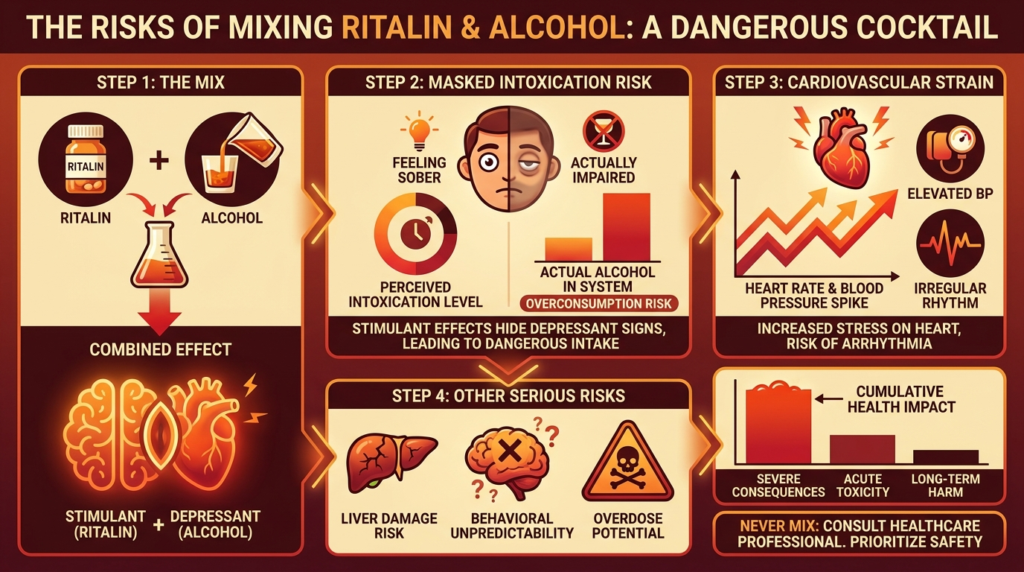
When to Seek Professional Help?

You should seek professional support for oxycodone withdrawal if you:

  • Have been using oxycodone regularly for more than a few days
  • Experience severe withdrawal symptoms that interfere with daily function
  • Have co-occurring medical or psychiatric conditions
  • Have a history of relapse after previous detox attempts
  • Are using other substances, especially benzodiazepines or alcohol
  • Suspect fentanyl exposure in your opioid supply

Medical supervision improves safety, comfort, and the likelihood of successful transition to long-term treatment.

Conclusion

Oxycodone withdrawal follows a predictable timeline, typically 7–10 days for immediate-release formulations and 10–20 days for extended-release products, but individual experiences vary widely based on dose, duration, formulation, co-occurring conditions, and fentanyl exposure.

While acute physical symptoms resolve within days to weeks, protracted psychological symptoms and sleep disturbance can persist for months and drive relapse risk.

The evidence is clear: slow, individualized tapers minimize withdrawal severity; medications for opioid use disorder improve retention and reduce overdose risk far better than detox alone; and fentanyl-era realities demand adapted protocols like microinduction to safely transition patients to buprenorphine.

Hospital and jail systems that treat withdrawal proactively, provide MOUD, and avoid punitive policies save lives.

If you or someone you care about is facing oxycodone withdrawal, compassionate, evidence-based support is available.

Reach out to Thoroughbred’s addiction counseling professionals who can guide you through safe detox and into lasting recovery.