Author: Thoroughbred BHC

Can You Overdose on Cocaine? Risks, Symptoms & Safety

Cocaine overdose is not simply a matter of taking too much. A person can experience life-threatening toxicity from cocaine through multiple pathways: rapid cardiovascular collapse, severe hyperthermia, seizures, stroke, or arrhythmia, often within seconds to minutes of use.

The most dangerous reality is that cocaine’s lethal effects are fundamentally unpredictable at the individual level because toxicity emerges from the interaction of dose, route, metabolism, alcohol co-use, hidden adulterants like fentanyl, and underlying health vulnerabilities.

This article explains how cocaine overdose happens, what signs to watch for, and what steps can save a life.

What Makes Cocaine Overdose Possible?

Cocaine acts as both a powerful stimulant and a cardiac toxin. It blocks the reuptake of catecholamines like norepinephrine and dopamine, flooding the nervous system with signals that drive heart rate, blood pressure, body temperature, and agitation to dangerous extremes.

At the same time, cocaine impairs electrical conduction in the heart through sodium channel blockade, setting the stage for life-threatening arrhythmias and sudden cardiac arrest.

The result is a toxidrome where the cardiovascular system, brain, and thermoregulatory mechanisms can all fail at once.

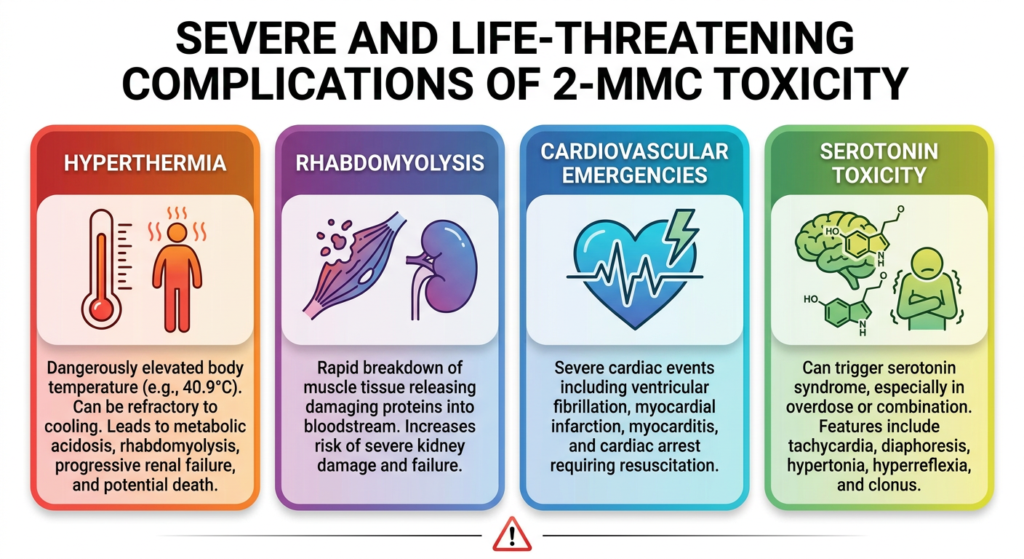
Death may occur from coronary vasospasm, ventricular fibrillation, intracranial hemorrhage, hyperthermic organ failure, or respiratory collapse, often while the person is still awake and agitated rather than sedated or unconscious.

Why Dose Alone Does Not Predict Overdose?

One of the most important scientific truths about cocaine toxicity is that there is no universally safe dose.

Some individuals have died from amounts far below average lethal benchmarks, while others tolerate much larger exposures. This unpredictability arises from several interacting factors:

  • Route of administration changes how quickly cocaine reaches the brain and how much is converted to active metabolites
  • Purity and contamination vary widely in street cocaine, especially with fentanyl adulteration
  • Alcohol co-use creates cocaethylene, a longer-lasting and more cardiotoxic metabolite
  • Underlying cardiac or neurologic disease may be silent until cocaine exposes the vulnerability
  • Tolerance to subjective effects does not reliably protect against lethal cardiovascular or hyperthermic complications
  • Repeated dosing during binges stacks physiologic stress before prior doses clear

The convergence of these variables means that overdose risk cannot be reduced to a simple milligram threshold.

How Alcohol Changes Cocaine Toxicity?

When cocaine and alcohol are used together, the liver produces cocaethylene, a psychoactive metabolite with similar behavioral effects to cocaine but a longer plasma half-life of about two hours compared to cocaine’s one hour.

Human studies show that approximately 17 to 24 percent of cocaine is converted to cocaethylene when ethanol is present, with the proportion varying by route of administration.

Cocaethylene intensifies subjective intoxication and cardiovascular stress. Users report greater liking and greater total intoxication after the cocaine-alcohol combination than after either drug alone, which can promote repeated dosing.

Meanwhile, cocaethylene prolongs active toxicity and is associated with greater concern for cardiovascular injury than cocaine alone.

Older review literature reports an 18 to 25-fold increase in risk of immediate death when cocaine and alcohol are combined, a figure that appears consistently across cocaethylene research.

The practical implication is clear: concurrent alcohol use is one of the most underappreciated biological multipliers of cocaine overdose risk.

This is not simply because users become more impaired behaviorally, but because ethanol creates an additional active toxicant that persists longer and intensifies cardiovascular danger.

Recognizing the Signs of Cocaine Overdose

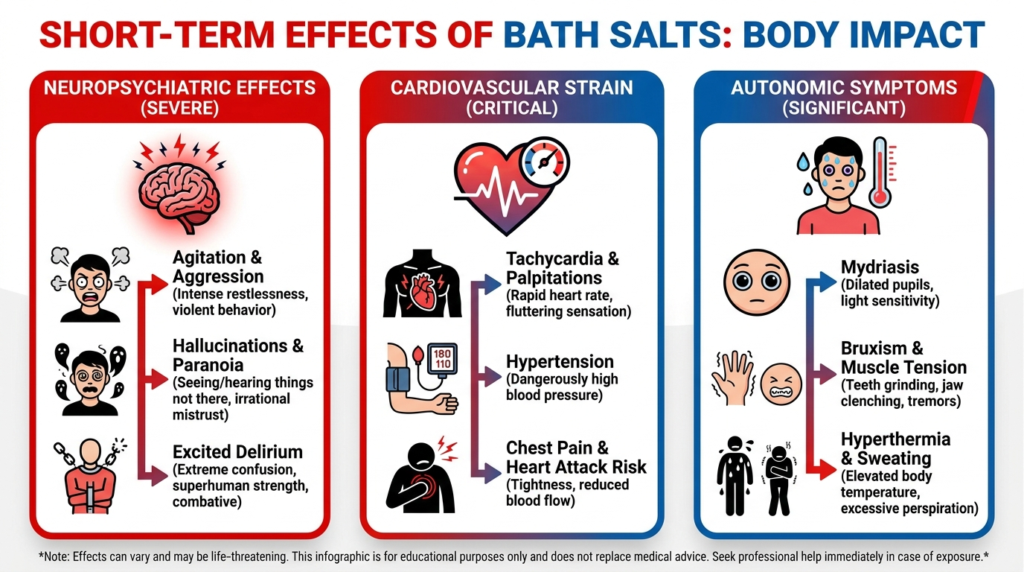
Cocaine overdose often begins with signs of extreme sympathetic nervous system activation rather than sedation or unconsciousness. Early manifestations include:

  • Severe agitation, paranoia, or hallucinations
  • Rapid heart rate and dangerously high blood pressure
  • Dilated pupils
  • Profuse sweating
  • Chest pain or palpitations
  • Elevated body temperature
  • Headache and confusion

As toxicity progresses, more severe complications emerge:

  • Seizures
  • Arrhythmias or irregular heartbeat
  • Stroke symptoms such as weakness, facial droop, or severe headache
  • Hyperthermia with core temperatures that can become extreme
  • Altered mental status or loss of consciousness
  • Respiratory distress or irregular breathing
  • Cardiovascular collapse

The most dangerous presentations include excited delirium, characterized by extreme agitation, hyperthermia, unusual strength, and risk of sudden death, and cocaine-associated chest pain, which may reflect coronary vasospasm or true myocardial infarction even in young adults without traditional heart disease risk factors.

Stages of Acute Cocaine Toxicity

Medical references describe a three-stage progression, though patients may move rapidly between stages or skip stages entirely:

Stage 1: Early sympathetic activation

Headache, nausea, dilated pupils, twitching, increased blood pressure, rapid breathing, hyperthermia, paranoia, aggression, and agitation.

Stage 2: Established severe toxicity

Encephalopathy, seizures, increased reflexes, hypertension, arrhythmias, gasping or irregular breathing, and persistent hyperthermia.

Stage 3: Terminal decompensation

Coma, fixed and dilated pupils, loss of vital functions, hypotension, ventricular fibrillation, cardiac arrest, apnea, and respiratory failure.

The transition between these stages may be rapid, particularly after smoked or intravenous use. Effects can appear within three to five seconds when inhaled, 10 to 60 seconds when injected intravenously, and four to five minutes when snorted.

Why Cocaine Overdose is Unpredictable?

The deeper scientific reason cocaine overdose remains unpredictable is not ignorance of cocaine’s mechanisms, but rather the convergence of well-understood mechanisms inside highly variable real-world conditions.

Cocaine’s most lethal effects are cardiovascular, but the pathway to death is shaped by factors that clinicians and users often cannot measure in real time.

The Role of Polysubstance Exposure

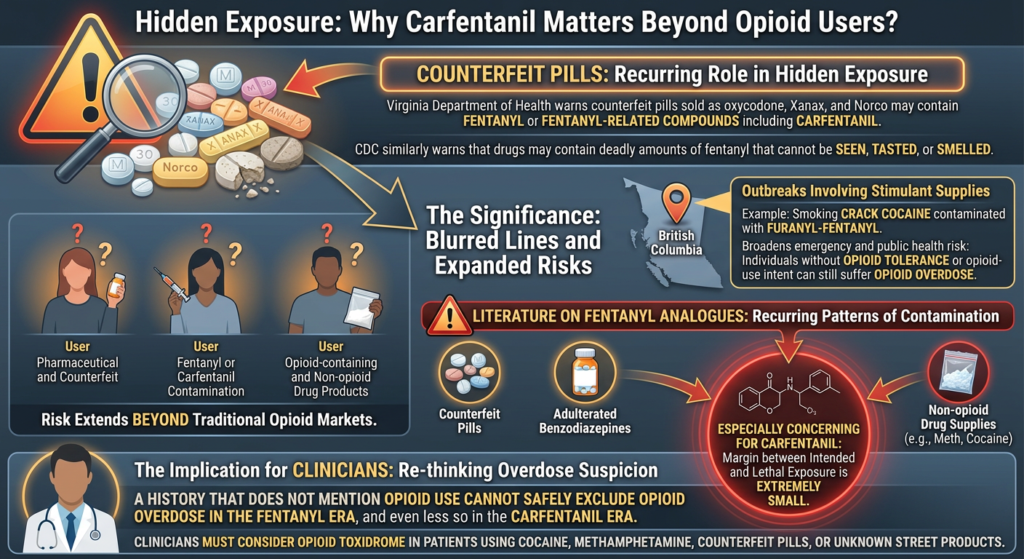
Real-world cocaine overdose science must be built around interaction, not isolated drug models. Forensic data show that most cocaine-related deaths involve multiple drugs. In one New York City postmortem dataset of cocaethylene-positive cases, opioids were present in 96.9 percent of cases, with fentanyl especially common.

This pattern links cocaethylene research with the modern overdose crisis: many cocaine overdoses are better understood as cocaine-centered mixed toxic syndromes.

The CDC explicitly notes that drugs including cocaine and methamphetamine may be mixed with fentanyl, which changes both recognition and response strategies because respiratory depression may indicate opioid involvement rather than pure stimulant toxicity.

Individual Vulnerability and Hidden Disease

A person may have undiagnosed structural heart disease, channelopathy, hypertension, cerebrovascular fragility, or coronary disease. Cocaine’s acute vasoconstrictive and arrhythmogenic effects can expose those vulnerabilities suddenly.

This contributes to the apparent randomness of overdose: some users survive many exposures, while another suffers fatal dysrhythmia or stroke after a smaller dose.

Tolerance to some effects develops with chronic use, but tolerance is incomplete and uneven. Users may interpret tolerance as safety, yet tolerance to euphoria or certain hemodynamic responses does not ensure protection from coronary vasospasm, arrhythmia, stroke, hyperthermia, cocaethylene-mediated risk, or fentanyl contamination.

What to Do If You Suspect Cocaine Overdose?

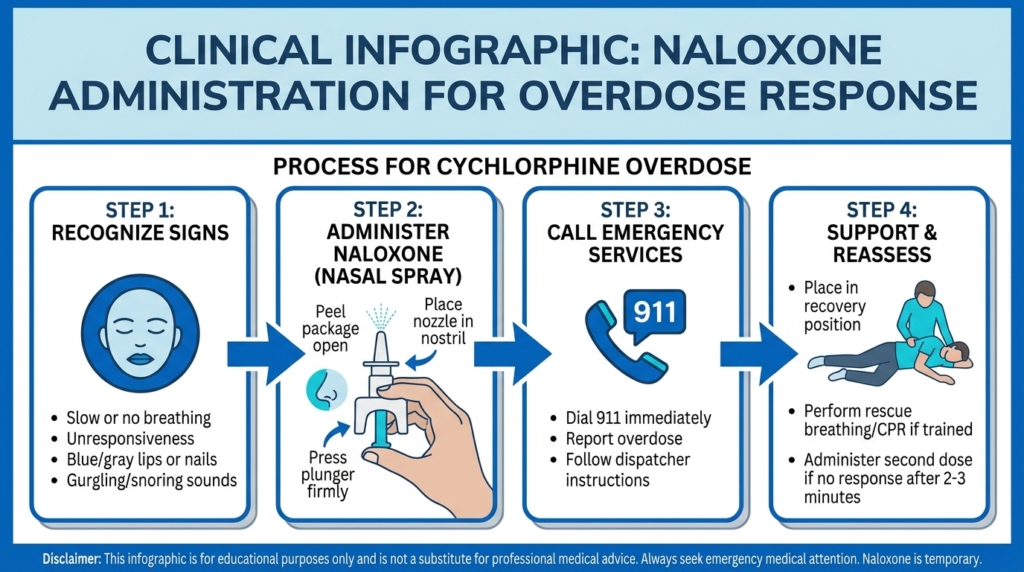
Immediate action can save a life. Call emergency services right away if any of the following are present:

  • Chest pain
  • Seizure
  • Severe agitation, confusion, or delirium
  • Very high body temperature with profuse sweating
  • Collapse, syncope, or unresponsiveness
  • Trouble breathing, cyanosis, or irregular breathing
  • Signs of stroke such as weakness, facial droop, severe headache, or speech changes

While waiting for emergency responders:

  • Keep the person as calm and cool as possible
  • Avoid escalating confrontation
  • If unresponsive but breathing, place in the recovery position
  • If not breathing normally, follow emergency dispatcher instructions and provide rescue breathing or CPR as directed
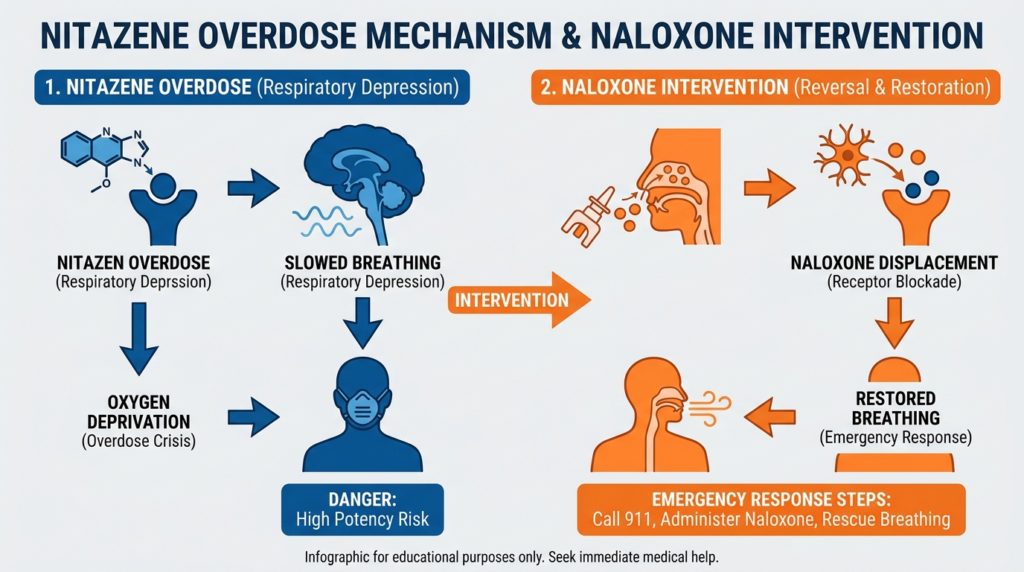
  • If opioid contamination is possible and naloxone is available, give naloxone when the person is unresponsive or breathing poorly

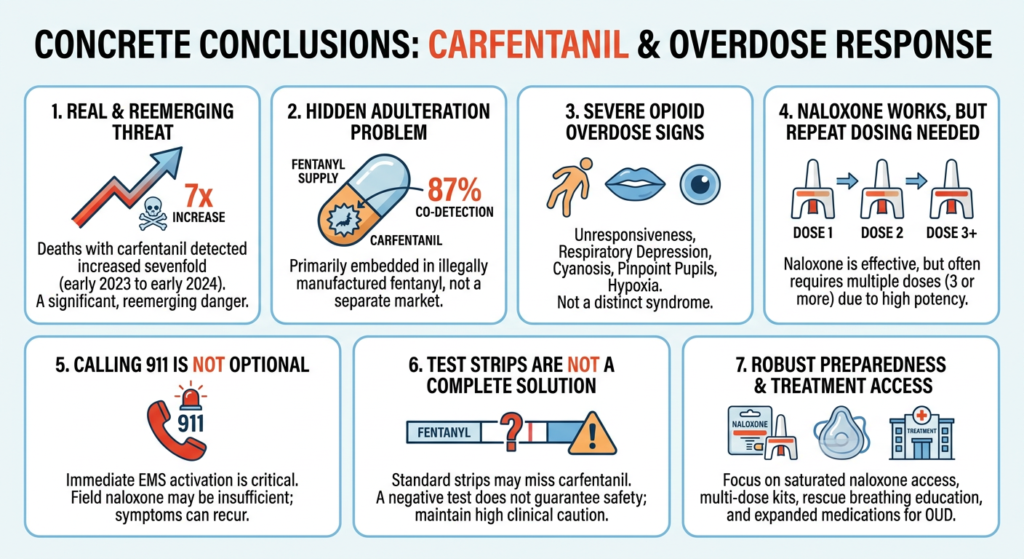
Naloxone will not reverse cocaine itself, but it can reverse opioid effects if fentanyl or another opioid is present. The CDC notes that naloxone can reverse an opioid overdose and should be widely available, even among people who use stimulants.

Do not assume the person will “sleep it off.” Do not delay calling because the person is still awake. Violent agitation, chest pain, seizure, or overheating after cocaine use are emergency signs even if the person is still conscious.

Medical Treatment for Cocaine Overdose

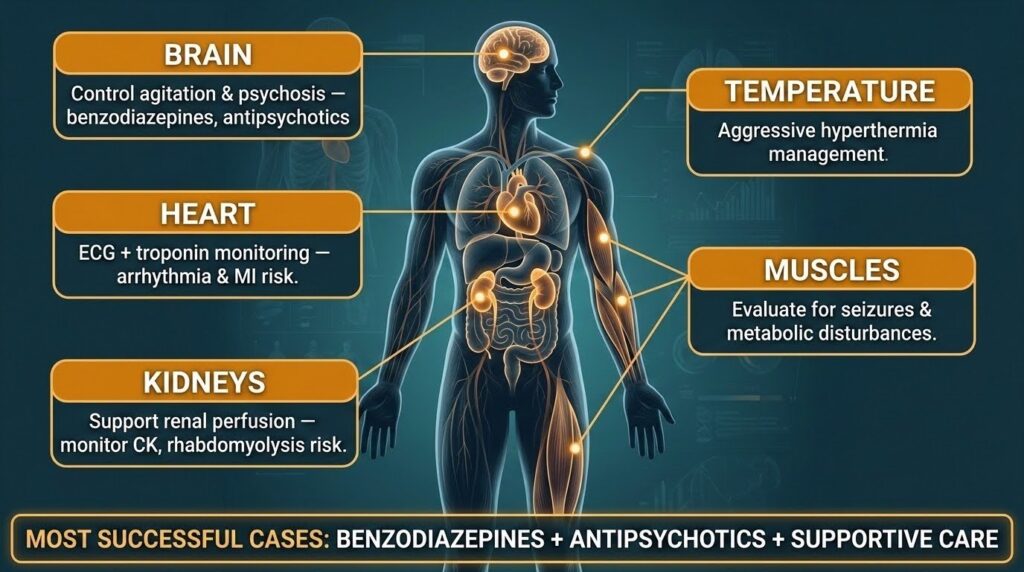
There is no specific antidote for cocaine toxicity. Management is supportive and targets complications as they emerge. Emergency treatment typically includes:

  • Airway support and oxygen as needed
  • Intravenous access and cardiac monitoring
  • Benzodiazepines for agitation and seizures, which are first-line therapy and reportedly effective in 75 to 90 percent of cocaine-induced seizures
  • Aggressive cooling measures for hyperthermia
  • Fluids to maintain urine output and mitigate rhabdomyolysis-associated renal injury
  • Nitrates, aspirin, and other agents for chest pain and acute coronary syndrome
  • Sodium bicarbonate for QRS widening and ventricular arrhythmias related to sodium channel blockade

Physical restraint should be avoided if possible because it may worsen rhabdomyolysis and hyperthermia. Beta-blockers are generally avoided in acute cocaine toxicity due to concern for unopposed alpha stimulation, which can worsen vasoconstriction and hypertension.

Evaluation in the emergency department may include ECG, troponin, creatine kinase, renal and hepatic function tests, urinalysis, urine toxicology screen, chest imaging, and head CT when indicated. However, clinical recognition and treatment should not wait for laboratory confirmation.

Long-Term Risks and Recovery

Cocaine use carries serious long-term health risks beyond acute overdose. Chronic use can lead to:

  • Cardiovascular disease including cardiomyopathy and increased risk of heart attack and stroke
  • Neurologic damage including cognitive impairment and movement disorders
  • Nasal and sinus damage from snorting
  • Lung injury from smoking
  • Infectious disease risk from injection use
  • Mental health complications including anxiety, depression, and psychosis

Recovery from cocaine use disorder is possible with comprehensive treatment. Evidence-based approaches include behavioral therapies such as cognitive behavioral therapy and contingency management, along with treatment for co-occurring mental health conditions.

While there are currently no FDA-approved medications specifically for cocaine use disorder, research continues in this area.

The Bottom Line

Cocaine overdose is unpredictable because toxicity is generated by interacting systems, not dose alone. Those systems are destabilized further by alcohol-derived cocaethylene, route-specific exposure patterns, hidden co-ingestants like fentanyl, and large differences in host vulnerability.

The most lethal effects are usually cardiovascular, but neurologic and thermoregulatory complications are equally capable of precipitating collapse.

The most clinically important skill in cocaine overdose is recognizing that agitated, sweating, hypertensive, hot, and irrational behavior is already a potentially life-threatening overdose pattern, not a precursor to one.

Waiting for unconsciousness or respiratory arrest means responding late to a syndrome that has already advanced to severe neurologic, cardiac, or metabolic injury.

If you or someone you know is struggling with cocaine use, professional help is available. Thoroughbred Wellness & Recovery offers comprehensive dual diagnosis treatment that addresses both substance use and co-occurring mental health conditions through evidence-based and holistic approaches. Call 770-564-4856 to speak with a compassionate team member 24/7.

Cocaine Addiction Symptoms & Signs of Cocaine Use

Wondering whether your cocaine use or a loved one’s has crossed a line can feel confusing and isolating.

About 1 million Americans met criteria for cocaine use disorder in a single recent year, and the clearest warning sign is not how much someone uses but whether cocaine has started to control their behavior, mood, and daily choices.

This article breaks down every major symptom category so you can spot the problem early and take action.

Recognizing Cocaine Addiction Symptoms

Cocaine addiction, clinically called cocaine use disorder, is defined by compulsive use despite medical, psychological, and social harm.

A 2022 clinical review found that about 2.2 million people in the United States use cocaine regularly, and roughly 20% of U.S. drug overdose deaths in 2017 involved the drug.

Many people assume cocaine addiction always looks dramatic. They picture someone who has lost everything. The truth is more subtle.

Cocaine addiction symptoms often show up as shifts in mood, sleep, finances, relationships, and decision making long before a crisis hits. Others assume cocaine is less dangerous than substances with obvious physical withdrawal.

That assumption is also wrong. Cocaine intoxication can cause arrhythmias, heart attack, stroke, seizures, and sudden death.

The most reliable way to identify a problem is to look across several areas of a person’s life rather than waiting for a single unmistakable sign.

How Cocaine Use Disorder is Defined?

The clinical term “cocaine use disorder” shifts attention away from how much or how often someone uses. Instead, it focuses on whether cocaine has become behaviorally dominant. Diagnostic criteria cluster into four groups:

  • Physiologic features such as craving, tolerance, and withdrawal
  • Loss of control over cocaine use
  • Cocaine taking priority over responsibilities and activities
  • Continued use despite negative consequences

Severity depends on how many criteria a person meets. Two to three symptoms point to a mild disorder, four to five suggest moderate, and six or more indicate severe substance use disorder.

This means a person does not need to hit rock bottom to have a real, diagnosable problem.

Psychological and Emotional Signs of Cocaine Addiction

Cocaine initially produces euphoria, energy, and confidence. Over time, though, emotional instability becomes one of the strongest signs of cocaine addiction.

Common psychological symptoms include irritability, restlessness, anxiety, panic, paranoia, mood swings, and depression between uses.

These are not minor side effects. Among U.S. survey respondents, 45% of cocaine users reported a lifetime mood disorder and 31% reported a lifetime anxiety disorder.

Current cocaine use was linked to nearly triple the risk of depression and more than double the risk of anxiety disorders compared with people who had never used.

A key shift happens when someone starts using cocaine not just to feel good but to escape feeling bad. Once the drug becomes a way to manage low mood, emptiness, or exhaustion, addiction risk deepens significantly.

Behavioral Warning Signs

Behavioral change is often the most visible category for friends and family. These signs of cocaine use turning into a disorder include:

  • Using more cocaine or for longer than planned
  • Repeated failed attempts to cut down or stop
  • Spending large amounts of time getting, using, or recovering from cocaine
  • Binge episodes that last hours or days
  • Neglecting work, school, or family duties
  • Increasing secrecy, lying, or defensiveness
  • Borrowing or stealing money
  • Abandoning hobbies and social activities unrelated to cocaine
  • Legal or financial trouble tied to use
  • Continuing to use despite clear harm

A 2025 study on cocaine use metrics found that frequency alone does not capture the full picture. Amount spent, weekday patterns, variability, and trajectory of use also matter for outcomes.

Someone who binges only on weekends can still have a serious use disorder if the pattern is escalating, financially damaging, or functionally destabilizing.

The clearest behavioral red flag is compulsion. If a person repeatedly uses despite promises not to, structures their schedule around access, or sacrifices ordinary responsibilities to keep using, cocaine has become a problem regardless of outward appearances.

Cognitive Signs

Cocaine addiction often impairs thinking in ways that are easy to overlook. Signs include difficulty concentrating, slowed thinking after binges, poor judgment, memory problems, and mental fog during withdrawal or early abstinence.

Research on sleep and cognition found that chronic cocaine users experience sleep disturbances during abstinence that parallel cognitive performance deficits. These deficits can undermine treatment retention and promote relapse.

A person may not look intoxicated all the time yet still be impaired by the cocaine cycle. Post binge mental slowing, impulsive decisions, and narrowed attention toward getting the drug can quietly erode work performance and relationship stability.

Physical Signs of Cocaine Use

Although cocaine addiction is especially behavioral and psychiatric in presentation, physical signs are common and sometimes route specific.

Physical SignWhat It Suggests
Dilated pupilsSympathetic nervous system activation from recent use
Rapid heart rate and high blood pressureCatecholamine excess during intoxication
Nosebleeds or chronic runny noseDamage from snorting powder cocaine
Burned lips or fingertipsSmoking crack cocaine
Decreased appetite during use, rebound hunger afterStimulant effect followed by crash
Insomnia or erratic sleepDisrupted sleep architecture from repeated use
Chest pain or palpitationsPossible coronary vasospasm or arrhythmia
Elevated body temperatureSevere intoxication or toxicity risk
Weight loss over timeChronic appetite suppression

StatPearls notes that excess norepinephrine and dopamine can produce mydriasis, tachycardia, hypertension, seizures, hyperthermia, rhabdomyolysis, and cardiovascular collapse in severe cases.

Physical signs are often episodic. A person may deny a problem because they “only use on weekends,” but if those weekends repeatedly involve palpitations, overheating, insomnia, or nasal injury, the medical risk is already real.

Signs of Crack Cocaine Addiction

Crack cocaine is the smokable freebase form of cocaine. It reaches the brain within seconds, produces a brief but intense high, and wears off quickly.

That rapid cycle of reward and crash makes crack especially tied to compulsive redosing and binge patterns.

The signs of crack cocaine addiction overlap with powder cocaine addiction but tend to be more intense and faster to develop. The most distinctive pattern is the binge crash cycle: smoke, brief high, craving, redose, repeat until resources or physical endurance run out, then crash into fatigue, depression, and intense craving.

Research on crack users found they “rarely stop with one hit” and often consume as much as resources allow before crashing.

What Makes Crack Addiction Different?

Route of use is one of the strongest practical distinctions. Smokers and injectors are more likely to become dependent than people using slower routes. Crack’s smoked delivery intensifies both reward and the speed of dependence progression.

The short duration of the high means the person cycles between stimulation and crash far more often in a single session. This amplifies agitation, suspiciousness, impulsivity, emotional swings, and depression during withdrawal.

It also shifts motivation from positive reinforcement (“to get high”) toward negative reinforcement (“to escape the crash”), which is a hallmark of severe addiction.

The Withdrawal and Crash Pattern

One reason cocaine addiction gets underestimated is that withdrawal looks different from what people expect. There is usually no vomiting, shaking, or seizure risk the way there can be with alcohol.

MedlinePlus notes that cocaine withdrawal often lacks visible physical signs but includes strong craving, fatigue, lack of pleasure, anxiety, irritability, sleepiness, agitation, and paranoid thinking.

StatPearls adds that stimulant withdrawal typically involves marked depression, excessive sleep, hunger, dysphoria, and severe psychomotor slowing while vital signs stay mostly stable. Recovery can be slow, and depression may last weeks.

Why This Still Matters?

The absence of dramatic physical withdrawal does not mean cocaine addiction is mild. Psychiatric danger remains real. During the first one to two weeks of stimulant withdrawal, some patients experience suicidality and need close monitoring.

Protracted withdrawal can involve persistent depression, inability to feel pleasure, and breakthrough craving for months.

If someone repeatedly crashes after use, sleeping excessively, becoming depressed, hungry, irritable, and craving more, that pattern strongly suggests the brain has adapted to cocaine. At that point, use has moved well past casual experimentation.

Psychiatric Conditions That Travel With Cocaine Addiction

Cocaine addiction rarely exists alone. It often overlaps with depression, anxiety, PTSD, bipolar disorder, and suicidal thinking.

The 2022 clinical review reports a striking finding: the lifetime prevalence of bipolar disorder among people with cocaine use disorder ranges from 11% to 28%, compared with about 1% to 3% in the general population. Polysubstance use is also extremely common.

In one study, 77.8% of cocaine users reported using multiple substances at the same time, with cocaine and alcohol being the most frequent combination.

A 2023 observational study found that people with high polysubstance use were at elevated risk of unstable housing, unemployment, depression, anxiety, PTSD, self harm, and overdose events.

If cocaine use is accompanied by deepening depression, panic, paranoia, trauma related distress, or suicidal thoughts, the situation should be treated as a serious clinical problem.

The question is no longer whether it “counts” as addiction but how urgently evaluation and treatment are needed.

When Cocaine Use Becomes an Emergency?

Some symptoms go beyond warning signs and demand immediate medical attention. These include chest pain, irregular heartbeat, seizure, stroke symptoms such as sudden weakness or speech difficulty, severe confusion, hallucinations, extreme agitation, high fever, difficulty breathing, and loss of consciousness.

Cocaine related overdose deaths in the United States rose from 1.3 per 100,000 in 2001 to 7.3 per 100,000 in 2021. These numbers make it clear that acute toxicity is not rare.

For crisis support, SAMHSA directs people to the 988 Suicide and Crisis Lifeline and the National Helpline at 1 800 662 HELP.

Why Early Recognition Changes Outcomes?

Waiting for overdose, psychosis, or total collapse before calling it addiction is not supported by the evidence.

Mild and moderate cocaine use disorder are still clinically important because early action leads to better results, while chronic use and psychiatric comorbidity make recovery harder over time.

Cocaine use should be considered a genuine problem as soon as it begins to reorganize a person’s life around craving, binge and crash cycles, concealment, missed obligations, or continued use despite mood, cardiovascular, cognitive, legal, or relational damage.

That threshold can be reached earlier than most people think. A person does not need to use every day, lose a job, or end up in the emergency room to have a real disorder.

The most defensible clinical dividing line is functional and compulsive, not cosmetic. If cocaine repeatedly causes someone to chase the drug, recover from the drug, hide the drug, spend beyond their means, or reorganize mood and daily life around the drug, then cocaine use has already become a meaningful problem, even if the person still appears employed, social, or outwardly composed.

If you or someone you care about is showing these signs, reaching out for professional support is the most important next step.

Contact Thoroughbred Wellness & Recovery to speak with a team that treats both addiction and the mental health conditions that often come with it.

Adderall Addiction: Signs, Symptoms, Effects & Treatment

Adderall addiction can develop even in people who start with a valid prescription, and recognizing it early makes a real difference in outcomes.

About 4.3 million people in the United States had a stimulant use disorder in a recent year, and prescription stimulant misuse has become a growing public health concern, especially among young adults.

This article walks through the clearest signs, physical and psychological symptoms, long-term effects, withdrawal, and the treatments with the strongest evidence behind them.

Adderall Addiction Signs You Should Know

Adderall is a Schedule II prescription stimulant containing mixed amphetamine salts. It is FDA-approved for ADHD and narcolepsy, and it works by increasing dopamine and norepinephrine activity in the brain. That same mechanism is what makes it effective and what makes it risky when misused.

The clearest marker that use has become a problem is not “taking Adderall” but losing control over it. Stimulant use disorder is diagnosed when a person meets at least two of eleven clinical criteria within a twelve-month period, including inability to reduce use, cravings, continuing use despite relationship problems, and needing increasing amounts to get the same effect.

A valid prescription does not remove that risk. Someone can develop Adderall addiction even while using it as prescribed, particularly when doses escalate, use spreads beyond its intended purpose, or the person begins to feel unable to function without it.

Behavioral Warning Signs

The behavioral signs of Adderall addiction tend to appear before the physical ones become obvious:

  • Taking larger amounts or using more often than intended
  • Repeated failed attempts to cut back or stop
  • Spending a lot of time getting, using, or recovering from Adderall
  • Running out of a prescription early
  • Using someone else’s prescription
  • Hiding use or lying about how much is being taken
  • Continuing to use despite knowing it is causing physical or psychological harm
  • Giving up activities, hobbies, or relationships that once mattered

Doctor shopping deserves special attention because it appears in both clinical and treatment-oriented sources as a recognized misuse indicator. 

StatPearls notes that pharmacists should monitor prescribing patterns and alert clinicians to potential doctor shopping as a sign of medication misuse.

Snorting or injecting Adderall is another serious behavioral marker. It signals a higher-intensity pattern of use driven by the pursuit of rapid onset and euphoria, and it substantially raises the risk of overdose and addiction.

Who is Most at Risk?

Young adults and college students face the highest risk of nonmedical Adderall use. In 2018, over 4.6 million people misused prescription amphetamine products in the past year, and young adults aged 18 to 25 made up 56 percent of those taking them for nonmedical reasons.

Full-time college students are twice as likely to use Adderall non-medically as same-age peers who are not in school.

Other elevated-risk groups include people under academic or professional pressure, those with a history of substance misuse, and people with co-occurring mood disorders such as depression or anxiety.

Adderall Addiction Symptoms: Physical and Psychological

Adderall addiction symptoms span the body and the mind. Physical symptoms alone do not confirm addiction, but when they appear alongside loss of control and continued use despite harm, the picture becomes much clearer.

Physical Symptoms

  • Insomnia or severely disrupted sleep
  • Significant appetite suppression and weight loss
  • Rapid heartbeat or irregular heart rhythm
  • High blood pressure
  • Chest pain
  • Headaches, nausea, or stomach upset
  • Tremor or muscle tension
  • Dry mouth
  • Dilated pupils

Cardiovascular symptoms deserve particular emphasis. Yale Medicine notes that heavy stimulant use can cause irregular heartbeat, heart failure, seizures, and death.

StatPearls warns that sudden death and severe cardiovascular events are major concerns with amphetamine use in patients with structural cardiac abnormalities. Chest pain, marked rapid heartbeat, or severe high blood pressure should never be dismissed as ordinary stimulant side effects.

Psychological and Adderall Addiction Symptoms

  • Anxiety and irritability
  • Mood swings, often cycling between euphoria during use and deep dysphoria when it wears off
  • Depression or emotional flatness
  • Difficulty concentrating or slowed thinking as tolerance builds
  • Paranoia
  • In severe cases, hallucinations or psychosis

The mood cycling pattern is clinically important. Someone who felt sharp and energized while using Adderall may feel profoundly low, foggy, and unmotivated between doses. That contrast reinforces continued use and makes stopping feel impossible.

Paranoia, hallucinations, and psychosis are not late but routine signs. They are severe warning signs that need urgent psychiatric assessment.

Adderall Addiction Side Effects on Daily Life

Beyond the body and mind, Adderall addiction side effects ripple into every area of functioning:

  • Declining performance at work or school
  • Missed deadlines, absences, or neglected responsibilities
  • Social withdrawal and shrinking relationships
  • Financial problems from spending money on the drug
  • Neglect of personal hygiene and basic self-care
  • Relationship conflict and erosion of trust

When functioning declines in these ways, the practical costs of use are already established. Waiting for a more dramatic crisis before seeking help is not supported by the evidence.

Adderall Addiction Withdrawal Symptoms

When someone who has been using Adderall heavily stops or sharply reduces use, the brain, which has adapted to the drug’s presence, no longer has the same external drive.

The result is a withdrawal syndrome that is less about dramatic physical collapse and more about a profound neuropsychological crash.

The Cochrane review on amphetamine withdrawal describes the initial crash as involving severe dysphoria, irritability, anxiety, hypersomnia, marked fatigue, intense craving, and in some cases paranoia. Adderall addiction withdrawal symptoms typically follow a rough progression:

  • Within 12 to 24 hours: sleepiness and irritability begin as catecholamine levels drop
  • First week: profound fatigue, sleeping much more than usual, increased appetite, depressed mood, anxiety, poor sleep quality, and strong cravings
  • One to three weeks: ongoing fatigue, concentration problems, insomnia, anxiety, and continued craving
  • Weeks to months: post-acute symptoms including depression, anxiety, insomnia, paranoia, and low motivation that can persist long after the acute phase ends
Adderall addiction signs

The 2024 ASAM/AAAP clinical practice guideline on stimulant use disorder confirms that post-acute withdrawal symptoms can last for weeks to months and raise the risk of relapse and psychiatric decompensation if left unaddressed.

Suicidal thoughts and attempts have been reported during amphetamine withdrawal. Anyone experiencing severe depression, thoughts of self-harm, psychosis, or chest pain during withdrawal needs immediate medical or psychiatric evaluation.

Adderall Addiction Treatment: What the Evidence Shows?

The most important thing to understand about adderall addiction treatment is that detox alone is not enough. Stopping the drug is the beginning, not the solution.

The strongest evidence points to structured behavioral treatment as the foundation of recovery, not medication.

Contingency Management: The Current Standard of Care

The ASAM/AAAP guideline calls contingency management the current standard of care for stimulant use disorder. A systematic review of reviews on stimulant use disorder treatments found sufficient evidence to support contingency management, while evidence for most pharmacologic approaches was insufficient.

Contingency management uses positive reinforcement, such as vouchers, prizes, or gift cards, for desired behaviors like stimulant-negative urine tests or consistent treatment attendance.

In a randomized controlled trial in community mental health settings, participants in contingency management were 2.4 times more likely to submit stimulant-free urine samples during treatment and had 40 percent more substance-free samples after treatment, along with fewer psychiatric hospitalizations.

This approach works especially well for stimulant addiction because it directly competes with the immediate reinforcement that the drug provides.

Cognitive Behavioral Therapy

CBT helps people identify triggers, challenge distorted thinking, build coping skills, and develop relapse prevention strategies.

For Adderall specifically, it can address beliefs like “I cannot study or work without it,” manage high-pressure situations that drove use, and rebuild daily routines after dependence.

CBT is most effective when combined with contingency management. CM helps generate early abstinence and engagement; CBT builds the skills that sustain recovery once external rewards taper.

Other Behavioral Approaches

The Community Reinforcement Approach aims to make sober living more rewarding than drug use by addressing social, vocational, and environmental factors.

The Matrix Model combines structured counseling, CBT, family education, and relapse prevention, and evidence suggests it improves treatment retention and during-treatment abstinence.

Motivational interviewing and family involvement are useful adjuncts, particularly for younger adults where family dynamics and academic pressure intersect with stimulant misuse.

Adderall Addiction Treatment and Medication

There is currently no FDA-approved medication specifically for stimulant use disorder. The ASAM/AAAP guideline is clear on this point, and the systematic review of reviews found insufficient evidence to support most pharmacologic options as primary treatment.

Medications can still play a supportive role. Clinicians may use them to manage specific withdrawal symptoms such as insomnia, depression, anxiety, agitation, or psychosis.

In carefully selected cases with co-occurring ADHD, a specialist may consider prescribed psychostimulants under close monitoring, including pill counts, drug testing, and more frequent clinical contact. But medication is not the main answer for most people seeking Adderall addiction recovery.

Levels of Care

Treatment intensity should match clinical need. Options include:

  • Inpatient or residential treatment for 24-hour monitoring and structured support
  • Partial hospitalization programs for intensive daily treatment without overnight stays
  • Intensive outpatient programs for structured therapy while living at home
  • Standard outpatient programs for ongoing therapy and monitoring
  • Continuing care and aftercare planning to support long-term recovery

People with suicidal thoughts, psychosis, severe functional collapse, or repeated relapse may need higher levels of care.

Stable individuals with strong support systems may recover effectively in outpatient settings if evidence-based therapies are available.

Adderall addiction symptoms

Adderall Addiction Recovery: What to Expect?

Adderall addiction recovery is not a straight line. The post-acute phase, which can last weeks to months, often brings depression, insomnia, anxiety, cognitive slowing, low motivation, and intermittent cravings. Many people feel that sobriety itself feels empty or mentally impaired during this period.

That is why SAMHSA’s SBIRT framework emphasizes early identification and intervention before severe consequences develop. Waiting for catastrophic outcomes before seeking help is neither evidence-based nor necessary.

Recovery plans that only address the first week of withdrawal are inadequate. The strongest treatment models assume that the person may not feel normal quickly and plan for that reality with continuing care, psychiatric monitoring, and structured behavioral support.

The most defensible conclusion from the evidence is this: Adderall use has become a problem when the drug controls the person more than the person controls the drug.

And the most effective path forward is not willpower or detox alone, but a structured, multi-phase care plan centered on contingency management, CBT, and close attention to co-occurring mental health needs.

If you or someone you care about is showing signs of Adderall addiction, reaching out to a Adderall addiction treatment team is the most important next step.

Thoroughbred Wellness and Recovery offers a full continuum of care, from medical detox in Atlanta, through outpatient programs, with dual diagnosis support and evidence-based therapies. You can learn more or start the conversation with our team today!

Kratom Addiction Signs, Withdrawal & Treatment Guide

If you suspect kratom has shifted from a choice to a need, you are not alone and you are not imagining it.

Research shows that about one third of regular U.S. kratom users in one online convenience sample met criteria for kratom use disorder.

This guide will help you spot the signs of kratom addiction, understand what withdrawal feels like, and learn which treatment paths have the strongest evidence behind them.

Recognizing Kratom Addiction Signs

Kratom does not have its own standalone diagnosis in the DSM-5, which makes it easy to dismiss growing dependence as “just a supplement habit.” But the pharmacology tells a different story.

The plant’s main alkaloids, mitragynine and 7-hydroxymitragynine, act on mu-opioid receptors. That same receptor activity that can ease pain or calm withdrawal is also what creates tolerance, physical dependence, and craving over time.

A 2023 scientific expert forum concluded that kratom dependence is real, underrecognized, and most visible in people who dose multiple times daily, use concentrated extracts, or rely on kratom as an opioid substitute.

The risk is not all or nothing. It sits on a spectrum shaped by dose, frequency, duration, product potency, and personal vulnerability.

Behavioral and Physical Warning Signs

The clearest signs of kratom addiction mirror patterns seen across substance use disorders, but they carry a few kratom-specific twists.

  • Needing higher doses or stronger products (such as extract shots) to feel the same effect
  • Dosing mainly to avoid feeling sick, achy, or anxious rather than to gain any positive benefit
  • Repeated failed attempts to cut back or quit
  • Structuring the day around dosing times and feeling panicked when supply runs low
  • Hiding use from partners, family, or doctors, often rationalizing it as “just a supplement”
  • Continuing use despite worsening sleep, mood, liver function, weight loss, or relationships
  • Switching from traditional leaf powder to concentrated 7-hydroxymitragynine products because plain kratom “stopped working”
  • Using kratom to self-treat opioid withdrawal, then becoming dependent on kratom itself

That last point shows up repeatedly in case literature. One early report documented a patient who began kratom for opioid withdrawal and chronic pain, only to develop a new dependence pattern on kratom.

Later cases describe the same cycle with escalating severity, including psychiatric destabilization and emergency hospitalization.

When “Use” Becomes “Addicted to Kratom”?

Not every person who tries kratom becomes addicted. A practical way to think about it is a four-stage continuum.

StageTypical FeaturesAddiction Likelihood
Occasional useInfrequent, no withdrawal, no impairmentLow
Regular useRepeated dosing for pain, mood, or energy; still feels controlledVariable
Physical dependenceWithdrawal on stopping, tolerance, frequent dosingModerate to high
Addiction / kratom use disorderCompulsive use, failed quit attempts, cravings, continued use despite harmHigh

You are likely addicted to kratom if you cannot comfortably stop, your use has escalated, you get withdrawal symptoms, you have lost control over the pattern, and you keep using despite clear harm. That cluster, not any single symptom, is the most reliable indicator.

How Kratom Withdrawal Feels?

Withdrawal is often the moment a person realizes kratom has become a problem. The symptom profile resembles opioid withdrawal, though a scientific expert forum found it is often milder on average and more variable from person to person.

Physical Symptoms

Commonly reported physical symptoms include muscle aches, joint pain, sweating, chills, nausea, diarrhea, abdominal cramps, runny nose, watery eyes, tremors, loss of appetite, and feverish sensations. These tend to peak within the first few days after stopping.

Psychological Symptoms

Anxiety, irritability, restlessness, depressed mood, insomnia, difficulty concentrating, and intense cravings are frequently described across field studies and clinical reviews.

For people who started kratom to manage anxiety or depression, withdrawal can feel like a return of the original condition layered on top of new discomfort.

Severity Depends on the Details

Withdrawal intensity is not uniform. Frequency of use may predict dependence more reliably than dose size alone. Someone dosing multiple times every day for months, especially with concentrated extracts, faces a harder withdrawal than someone who used plain leaf tea a few times a week.

A 2025 case involving concentrated 7-hydroxymitragynine products resulted in severe withdrawal with psychosis and respiratory compromise that needed intensive care. That outcome is rare, but it shows that newer high-potency products can shift the risk profile well beyond what older assumptions about kratom would suggest.

Kratom Withdrawal Treatment Options

There are no FDA-approved medications specifically for kratom withdrawal, and no randomized controlled trials have been completed.

That does not mean clinicians are guessing. The case literature and expert commentary are now consistent enough to support a stepped-care approach matched to severity.

Tapering and Symptomatic Care

For mild to moderate withdrawal, gradual tapering is one of the most consistently endorsed strategies. The 2023 expert forum specifically recommended evaluating gradual kratom dose reduction alongside non-opioid agents like clonidine and lofexidine for autonomic symptoms.

Practical symptom management often includes anti-nausea medication, sleep aids, analgesics for body aches, and hydration monitoring.

Tapering works best when the person uses a consistent product, can measure and reduce intake, and has a stable environment.

It works poorly when the product potency varies batch to batch, cravings are overwhelming, or an untreated pain or psychiatric condition keeps pulling the person back.

Buprenorphine for Severe Cases

Buprenorphine-naloxone is the most promising medication option for people with severe kratom withdrawal, repeated failed quit attempts, or overlapping opioid use disorder.

A 28-patient case series found that most patients stabilized on 8 to 16 mg of buprenorphine-naloxone, with 82% testing negative for mitragynine at both 8 and 12 weeks. Twenty of the 28 patients stayed in treatment for 5 to 22 months.

Earlier case reports showed similar results. Two patients with chronic pain who had turned to kratom after losing opioid prescriptions were successfully transitioned to buprenorphine-naloxone, which controlled both withdrawal and pain.

Buprenorphine is especially appropriate when kratom use is really an extension of opioid use disorder. In those situations, treating only the kratom layer while ignoring the underlying opioid dependence sets the person up for relapse to illicit opioids.

Other Medication Options

Methadone appears in a small number of inpatient cases, typically paired with clonidine for symptom-driven dosing. Naltrexone has been used after successful detox in selected patients.

Clonidine and lofexidine remain the best-supported non-opioid adjuncts for autonomic symptoms like sweating, agitation, and elevated heart rate. None of these options has as much practical support in the current literature as buprenorphine for persistent, severe kratom use disorder.

Behavioral and Psychosocial Support

Quitting kratom without addressing the reason you started is a recipe for relapse. Cognitive behavioral therapy, motivational interviewing, peer support groups, and relapse-prevention planning all play a role.

A recent review noted that psychotherapy and contingency management are unlikely to cause harm and may be reasonable for any severity level of kratom use disorder.

This matters because kratom often fills a gap. If that gap is chronic pain, untreated anxiety, depression, or trauma, the gap will still be there after detox unless someone treats it directly.

Matching Treatment to Your Situation

The strongest recent evidence supports sorting people into clinical tracks rather than applying one protocol to everyone.

Mild isolated withdrawal, first quit attempt. Outpatient tapering, symptomatic medications, and behavioral follow-up are usually enough.

Moderate withdrawal without opioid use disorder history. Structured outpatient or intensive outpatient care with clonidine or lofexidine, therapy, and frequent check-ins.

Severe withdrawal, repeated relapses, or high-dose long-term use. Buprenorphine-naloxone should be actively considered, not reserved as a last resort.

Kratom used to self-treat opioid withdrawal or known opioid use disorder. Treat the opioid use disorder directly. Buprenorphine is often the most evidence-consistent choice.

Significant medical or psychiatric instability, polysubstance use, or unsafe home environment. A higher level of care such as residential or inpatient withdrawal management is safer.

Why Detox Alone is Not Enough?

ASAM’s broader treatment principles make a point that applies directly to kratom: withdrawal management by itself is not effective treatment. It should be the start of ongoing care, not the finish line.

SAMHSA defines recovery as a process of change through which people improve health, live self-directed lives, and work toward their full potential.

For someone quitting kratom, durable success depends on treating the underlying drivers of use, whether that is chronic pain, anxiety, depression, PTSD, or opioid dependence. It also depends on stable housing, social support, relapse-prevention skills, and continued follow-up.

Detox clears the substance from your body. Everything after detox determines whether it stays cleared.

Moving Forward With Confidence

Kratom addiction is real, it is underrecognized, and it responds to structured treatment. If you see yourself in the signs described here, that awareness is already a step forward.

The evidence says you do not have to white-knuckle through withdrawal alone, and you do not have to figure out the right level of care by yourself.

If you or someone you care about is struggling with kratom or any substance, reaching out for professional guidance can make the difference between another failed attempt and lasting change.

Contact Thoroughbred Wellness & Recovery to talk through your options with a team that treats addiction and mental health together.

Dual Diagnosis vs Co-Occurring, Concurrent Disorders & Comorbidity

When you’re searching for mental health and addiction treatment, the terms you encounter, dual diagnosis, co-occurring disorders, comorbidity, concurrent disorders, can feel like a maze.

You might wonder if these labels mean the same thing or if choosing the wrong one will send you to the wrong program. The truth is simpler than the jargon suggests: all these terms describe having both a mental health condition and a substance use disorder at the same time.

What matters most is finding a provider who treats both conditions together, not the exact label they use. This article will clarify the differences, explain why the terminology debate exists, and show you how to navigate insurance and treatment options with confidence.

What Dual Diagnosis and Co-Occurring Disorders Really Mean?

The U.S. Substance Abuse and Mental Health Services Administration (SAMHSA) defines co-occurring disorders as the presence of at least one mental health disorder and at least one substance use disorder in the same person.

This definition is intentionally broad because there are no special or unique combinations that define co-occurrence. You might have depression and alcohol use disorder, PTSD and opioid dependence, or bipolar disorder and stimulant addiction. Each pairing is valid and requires integrated care.

“Dual diagnosis” is an older term that became popular in the 1980s and 1990s to describe the same reality. It entered clinical programs and research to signal that someone had both a serious mental illness and a substance use disorder.

The phrase stuck in marketing and everyday conversation, but it has a subtle problem: “dual” implies exactly two disorders, which can be misleading when someone has multiple mental health conditions or uses several substances.

SAMHSA’s shift to “co-occurring disorders” was deliberate. The agency wanted to avoid implying “only two” and to clarify that each disorder must be established independently, not just as a symptom of the other.

For example, if your anxiety only appears when you’re intoxicated and disappears when you’re sober, that’s substance-induced anxiety, not a co-occurring disorder. True co-occurrence means both conditions exist on their own and influence each other.

Why the Labels Vary Across Organizations?

International bodies and professional groups use different terms, which adds to the confusion. The World Health Organization and the European Monitoring Centre for Drugs and Drug Addiction have historically used “dual diagnosis” and “comorbidity” interchangeably, sometimes even applying “dual diagnosis” to any two psychiatric disorders.

The World Association on Dual Disorders advocates for “dual disorder” as a unified term to reduce stigma and support research that views the conditions as a single complex problem rather than two separate issues.

In the United States, the American Society of Addiction Medicine (ASAM) uses “dual diagnosis” and “co-occurring disorders” variably across its criteria documents.

This inconsistency isn’t just academic. It shapes how treatment programs describe themselves, how insurance companies write policies, and how professionals assess and place patients.

Comorbidity vs Dual Diagnosis: A Subtle but Important Distinction

“Comorbidity” is a general medical term for having multiple conditions at the same time. It’s used across all of healthcare to describe patients with, say, diabetes and heart disease or chronic kidney disease and anemia. In behavioral health, comorbidity can refer to any combination of mental health and substance use disorders, but it doesn’t carry the same clinical specificity as “dual diagnosis” or “co-occurring disorders.”

Insurance companies and payment systems use comorbidity to refine case-mix and estimate resource use. When a plan frames your case as general comorbidity, it may push you into separate treatment tracks, one for mental health, another for substance use, rather than recognizing that you need integrated care. This framing can lead to fragmented services, duplicated assessments, and authorization delays.

In contrast, when providers use “dual diagnosis” or “co-occurring disorders,” they signal that your mental health and substance use conditions are intertwined and require coordinated treatment. This framing supports billing for integrated services like the Collaborative Care Model and behavioral health integration codes, which Medicare and many private payers now reimburse.

Concurrent Disorders: The Canadian and International Perspective

“Concurrent disorders” is the preferred term in Canada and some other countries. It means the same thing as co-occurring disorders: having a mental health disorder and a substance use disorder at the same time.

The Canadian Centre on Substance Use and Addiction and provincial health systems use this language in their clinical guidelines and public health campaigns.

If you’re researching treatment or reading international literature, you’ll see “concurrent disorders” frequently. It’s not a different clinical concept, just a regional preference.

The important takeaway is that all these terms, dual diagnosis, co-occurring disorders, concurrent disorders, and comorbidity, point to the same need: integrated treatment that addresses both your mental health and substance use together.

Why Terminology Confusion Creates Real Treatment Gaps?

The lack of a single standard term has real-world consequences. Professionals who don’t know which label to use when ordering assessments, drafting prior authorization requests, or coding for reimbursement can inadvertently trigger denials or delays. Here’s how the confusion plays out:

  • Assessment inconsistency: A primary care doctor refers you for “dual diagnosis IOP,” but the treatment center’s intake form asks about “co-occurring disorders,” and the insurance portal lists “comorbid mental health and SUD.” Each system expects different documentation, and missing the right keyword can stall your admission.
  • Fragmented care: When a plan treats your case as general comorbidity, it may require separate authorizations for mental health therapy and substance use counseling, forcing you to see different providers in different locations. This violates the integrated care model that evidence supports.
  • Coding errors: Billing staff who document “dual diagnosis” in narrative notes but fail to assign specific ICD-10-CM codes for both the mental disorder and the substance use disorder can generate claim denials. Payers don’t recognize “dual diagnosis” as a billable diagnosis; they need precise codes like F33.1 for major depressive disorder, recurrent, moderate, and F10.20 for alcohol dependence.
  • Authorization denials: Insurance reviewers trained on ASAM criteria expect documentation using ASAM’s six dimensions (withdrawal risk, biomedical conditions, emotional/behavioral issues, readiness to change, relapse potential, and recovery environment). If your provider’s request uses “dual diagnosis” language without mapping to ASAM dimensions, the reviewer may deny the request as not meeting medical necessity.

systematic review of randomized controlled trials on dual diagnosis treatment found that integrated care, where the same team treats both conditions concurrently, tends to produce significantly greater reductions in psychiatric symptoms, especially PTSD, compared to non-integrated care.

Yet the review also noted that terminology ambiguity and inconsistent service definitions across studies made it harder to compare outcomes and implement best practices.

How Insurance Companies Use Labels to Control Coverage?

Insurance plans operationalize these labels through utilization management (UM) tactics: prior authorization, internal coverage criteria, and nonquantitative treatment limitations (NQTLs).

The 2024 Medicare Advantage prior authorization reforms and the 2024 final mental health parity rules have narrowed some of these tactics, but gaps remain.

Prior Authorization and Medical Necessity

Medicare Advantage plans must now limit prior authorization to confirming diagnoses and ensuring medical necessity.

Approvals must remain valid as long as medically necessary, and plans must provide a 90-day transition period without new prior authorization when you switch plans mid-treatment. Despite these protections, plans still exploit documentation ambiguities.

For example, if your provider bills psychotherapy add-on with an evaluation and management (E/M) visit (CPT code 90833) but doesn’t clearly document that the psychotherapy and medical management were significant and separately identifiable, the claim will be denied as “not separately identifiable.”

This denial pattern is common in co-occurring disorder treatment, where a single visit might include medication management for depression and psychotherapy for trauma related to substance use.

Internal Coverage Criteria and ASAM Alignment

Most major payers, Optum/UnitedHealthcare, Cigna, Aetna, and many Blue Cross plans, have adopted ASAM Criteria as the national framework for substance use disorder levels of care.

State laws in North Carolina, Maryland, Illinois, and West Virginia require commercial plans to use ASAM for placement decisions.

ASAM doesn’t mandate a specific term like “dual diagnosis” or “co-occurring disorders,” but it does require documentation across six dimensions.

If your provider writes “dual diagnosis IOP” without detailing your relapse history, recovery environment risks, or emotional/behavioral conditions, the utilization reviewer may deny the request even though you clearly need integrated care.

The Parity Enforcement Opportunity

The 2024 final mental health parity rules prohibit plans from using processes, strategies, or evidentiary standards for mental health and substance use benefits that are more stringent than those for medical/surgical benefits.

Plans must conduct documented comparative analyses showing that their NQTLs are comparable and not discriminatory.

If your plan denies integrated co-occurring disorder treatment by splitting your care into separate mental health and SUD tracks, while allowing integrated care for medical conditions like diabetes with kidney disease, you can challenge that denial under parity.

The plan must prove its UM processes are comparable, and it must collect and review outcomes data to ensure its NQTLs don’t worsen access.

Coding and Documentation: The Technical Side of the Label Problem

Behind every label is a set of codes that determine payment. The U.S. healthcare system uses ICD-10-CM diagnosis codes and CPT/HCPCS procedure codes. Neither “dual diagnosis” nor “co-occurring disorders” appears as a billable code. Instead, providers must assign specific codes for each condition and link them to the services billed.

ICD-10-CM Diagnosis Sequencing

Your medical record should list both your mental health disorder (for example, F33.1 for major depressive disorder, recurrent, moderate) and your substance use disorder (for example, F11.20 for opioid dependence). The order matters: the primary diagnosis should reflect the main focus of the visit, and secondary diagnoses capture other active conditions.

Payers use diagnosis sequencing to validate medical necessity. If you’re billed for psychotherapy but only the substance use disorder is listed, the claim may be denied because psychotherapy typically requires a mental health diagnosis. Conversely, if you’re in an opioid treatment program and the claim omits the opioid use disorder diagnosis, it will be rejected.

CPT/HCPCS Codes for Integrated Care

Medicare and many private payers reimburse integrated behavioral health services through specific codes:

  • CPT 99484 (general behavioral health integration) and 99492–99494 (psychiatric Collaborative Care Model) describe monthly team-based services with a behavioral health care manager and psychiatric consultant.
  • HCPCS G2214 was created in 2021 to capture shorter-interval Collaborative Care when the usual monthly time thresholds aren’t met, addressing a common denial pattern for patients who are hospitalized or referred mid-month.
  • Psychotherapy add-on with E/M (CPT 90833) requires documentation showing both the psychotherapy and the medical management were significant and separately identifiable, with total time recorded.

Opioid treatment programs (OTPs) have their own billing rules. Every OTP claim must include an opioid use disorder diagnosis, use place of service code 58, and append telehealth modifiers (95 for audio-video, 93 for audio-only) when applicable. Missing any of these elements triggers automatic denials.

The DSM-5 vs ICD-10-CM Friction

The Diagnostic and Statistical Manual of Mental Disorders, Fifth Edition (DSM-5) unified “substance abuse” and “dependence” into a single “substance use disorder” with severity levels (mild, moderate, severe) based on symptom counts.

ICD-10-CM, however, still uses an older structure that approximates abuse versus dependence. This mismatch forces a crosswalk: mild SUD maps to abuse codes, and moderate/severe SUD maps to dependence codes.

Providers often document DSM-5 severity in narrative notes but fail to translate it into the correct ICD-10-CM code. Without structured templates that count DSM-5 criteria and suggest corresponding ICD-10-CM codes, miscoding is common.

The American Psychiatric Association maintains an updated portal for DSM–ICD-10-CM code changes, with 2025 updates effective October 1, 2025.

What the Evidence Says About Integrated vs Non-Integrated Care?

The clinical case for integrated treatment is strong. A synthesis of randomized trials from 2009 to 2018 found that integrated treatment tends to yield significantly greater reductions in psychiatric symptoms, especially PTSD, compared to non-integrated care.

Substance use outcomes and treatment retention were comparable between integrated and non-integrated models in some trials, but integrated care remained the preferred standard due to symptom reductions, patient satisfaction, lower acute care utilization, and cost-effectiveness.

SAMHSA reports that approximately 21.2 million adults had co-occurring mental illness and substance use disorder in 2024. The scale of need and the bidirectional influence of these conditions, where one disorder often worsens or maintains the other, support the rationale for integrated care that addresses both together.

Early integrated program research in the 1990s showed effectiveness but also highlighted risks. Some psychiatric-first settings undertreated substance use while overtreating psychiatric symptoms, underscoring the need for balanced, competency-based integrated teams. Modern integrated models like the Collaborative Care Model address this by requiring psychiatric consultation, measurement-based care, and care manager coordination.

Practical Strategies to Navigate the Label Problem

You don’t need to become a coding expert, but understanding a few key strategies can prevent denials and delays.

Ask Your Provider to Use “Co-Occurring Disorders” in Documentation

When your provider writes referrals, prior authorization requests, and clinical notes, ask them to use “co-occurring disorders” or “COD” rather than “dual diagnosis.”

This aligns with SAMHSA’s standard and signals to payers that you need integrated care. The documentation should explicitly state that you have at least one mental health disorder and at least one substance use disorder, each established independently.

Ensure ASAM Dimensions Are Documented

If you’re seeking intensive outpatient (IOP), partial hospitalization (PHP), residential, or detox services, your provider’s authorization request should address all six ASAM dimensions with specific evidence.

For example, “Dimension 5 (relapse potential): multiple relapses despite prior IOP; failed to maintain abstinence in non-24-hour settings; residential level indicated to interrupt high-risk environment.”

Verify Coding Accuracy

Ask your billing staff to confirm that both your mental health and substance use diagnoses are coded on every claim and linked to the services billed. For integrated visits, ensure psychotherapy time and E/M decision-making are documented separately, and that total time is recorded.

For opioid treatment, verify that place of service 58 and the opioid use disorder diagnosis are on every claim.

Use Your Appeal Rights

If your claim is denied, request the plan’s internal coverage criteria and demand that it be publicly accessible and evidence-based. Under the 2024 Medicare Advantage rules, plans must make internal criteria available to the public, not behind paywalls.

If the criteria diverge from Traditional Medicare coverage or apply more stringent standards to mental health and substance use than to medical/surgical services, challenge the denial under parity.

For Medicare Advantage, cite the 90-day transition period if you switched plans mid-treatment, and assert that prior authorization approvals must remain valid as long as medically necessary.

For all plans, request the documented comparative analysis showing that the plan’s utilization management for co-occurring disorder treatment is comparable to its UM for integrated medical conditions.

The Path Forward: A Clear Position on Labels and Coverage

Based on the regulatory and clinical evidence, my position is clear: in 2026, when a plan uses “comorbidity” labeling to splinter or deny integrated mental health and substance use treatment, that approach conflicts with federal policy.

The 2024 Medicare Advantage prior authorization reforms limit prior authorization to necessary clinical verifications and require continuity. The 2024 parity NQTL rules explicitly prohibit discriminatory processes and demand comparability, transparency, and outcomes accountability.

CMS payment policies for the Collaborative Care Model, behavioral health integration, and opioid treatment programs operationalize integrated care. The creation of HCPCS G2214 neutralized a common denial tactic related to time thresholds.

Opioid treatment program billing rules clarify place of service, telehealth modifiers, and multi-OTP scenarios, further limiting technical denials.

The clinically accurate “dual diagnosis” or “co-occurring disorders” frame, implemented via precise ICD-10-CM sequencing and integrated CPT/HCPCS coding, should prevail in coverage determinations.

However, compliance is not automatic. Plans continue to exploit documentation gaps, technical coding lapses, and opaque internal criteria.

The path to coverage runs through three disciplines: impeccable integrated coding and documentation, assertive application of Medicare Advantage prior authorization rights and parity NQTL demands, and strategic use of Collaborative Care Model, behavioral health integration, and opioid treatment program codes calibrated to real-world intervals and modalities.

When providers rigorously implement this approach, denials predicated on “the label” become indefensible, and integrated care becomes not only clinically necessary but also administratively inescapable under federal rules.

Why It Matters: Real Outcomes for Real People

The terminology debate isn’t just about words. It’s about whether you receive coordinated care from a team that understands how your depression fuels your drinking, or whether you’re shuttled between a therapist who won’t discuss your substance use and a counselor who won’t address your trauma.

It’s about whether your insurance approves 30 days of residential treatment or denies it because the request didn’t use the right ASAM language. It’s about whether your opioid treatment program can bill for telehealth counseling or whether a missing modifier triggers a recoupment.

Approximately 21.2 million adults need integrated care for co-occurring mental health and substance use disorders. The evidence supports integrated treatment.

Federal policy increasingly mandates it. Yet the label problem persists, creating avoidable gaps for professionals and patients who don’t know what to ask for.

The solution is not to wait for the field to settle on a single term. The solution is to understand that “dual diagnosis,” “co-occurring disorders,” “concurrent disorders,” and “comorbidity” all describe the same clinical reality, and to ensure that your documentation, coding, and appeals leverage the regulatory protections now in place. When you do, the label becomes less important than the care you receive.

If you or someone you care about is navigating co-occurring mental health and substance use challenges, don’t let terminology confusion delay treatment.

Reach out to a provider who offers integrated care, verify that your insurance will cover it, and advocate for the coordinated services you deserve. Your recovery depends on it.

Need integrated treatment for co-occurring mental health and substance use disorders? Contact Thoroughbred Wellness & Recovery to learn how our dual diagnosis programs can support your path to lasting freedom.

Equine-Assisted Therapy: Equine Therapy Cost & Insurance Coverage

Families searching for equine therapy often face a frustrating gap between clinical promise and insurance reality. Most major health plans classify hippotherapy and equine-assisted services as investigational or complementary medicine, triggering automatic denials when billed under equine-specific codes.

However, when licensed therapists integrate equine movement into medically necessary occupational, physical, or speech therapy, and code those sessions using standard therapy CPT codes, many insurers will cover the service, provided documentation and medical necessity requirements are met.

This article explains how equine therapy coverage actually works, what sessions typically cost, which coding strategies succeed, and how to navigate denials and out-of-network penalties to access care.

What Determines Whether Equine Therapy is Covered by Insurance?

Insurance coverage for equine-assisted interventions hinges on how the service is defined, delivered, and coded, not simply on the presence of a horse. Hippotherapy is a treatment tool used within occupational therapy, physical therapy, or speech-language pathology by licensed clinicians to address functional motor, sensory, balance, and communication goals.

It is not a standalone service. When therapists manipulate equine movement to elicit therapeutic responses aligned to measurable outcomes, the session is billed using standard therapy CPT codes that reflect the skilled intervention, such as therapeutic exercises or neuromuscular reeducation, rather than an equine-specific code.

In contrast, equine-assisted psychotherapy may qualify under psychotherapy CPT codes when delivered by licensed mental health professionals and when session content and time meet psychotherapy criteria.

Equine-assisted learning and therapeutic riding are typically educational or recreational programs led by instructors or coaches, and they fall outside covered healthcare benefits.

The critical distinction is professional licensure, clinical goals, documentation, and correct coding. Payers reimburse covered professional services, not tools or settings.

Major Payer Positions on Hippotherapy and Equine-Specific Codes

Aetna’s Clinical Policy Bulletin 0151 explicitly classifies hippotherapy as experimental, investigational, or unproven for all listed indications and all other indications, citing insufficient evidence of effectiveness.

This blanket investigational label drives denials across Aetna’s lines of business unless a contractual exception applies.

Multiple Blue Cross Blue Shield plans adopt similar stances. Blue Cross Blue Shield of Mississippi deems hippotherapy investigational and explicitly lists HCPCS S8940, the code for equestrian or hippotherapy per session, as investigational. 

Blue Cross Blue Shield of Texas policy THE803.022 also classified hippotherapy as experimental, investigational, or unproven before the policy became inactive in June 2025, indicating the service remains noncovered under other frameworks.

Medicare does not have a National Coverage Determination for hippotherapy, and S-codes like S8940 are generally unrecognized by Medicare.

Medicare Advantage plans frequently mirror Original Medicare’s coverage scope and exclude complementary and integrative services, making S8940 claims nonpayable in those plans as well.

The operational effect is clear: billing hippotherapy using equine-specific codes results in automatic denials based on code categorization, regardless of clinical documentation or medical necessity arguments.

How Much Does Equine Therapy Cost Per Session?

Equine-assisted services carry higher overhead than traditional clinic-based therapy due to horse care, facility costs, specialized staffing, liability insurance, and continuing education.

These structural costs drive market prices above typical talk-therapy benchmarks.

Typical U.S. cash price ranges by service type are:

  • Hippotherapy: $120 to $250 per session
  • Equine-assisted psychotherapy: $90 to $200 per session
  • Therapeutic or adaptive riding: $40 to $90 per lesson
  • Equine-assisted learning: $50 to $100 per individual session

These ranges vary by staffing model, facility type, session format, and regional cost of living. 

Industry education platforms and advocacy organizations report that families frequently rely on Medicaid waivers, VA programs, grants, or school partnerships as alternative funding when insurance denies coverage.

Hidden Clinical Fees and Structural Overhead

Horse welfare is an embedded, ongoing cost that does not map to CPT codes and remains unreimbursed. Feed, veterinary care, farrier services, tack, conditioning, and rest are substantial and continuous expenses.

Equine facility access, arena maintenance, and specialized liability coverage for animal-assisted environments add further fixed costs.

Many sessions require a licensed clinician plus an equine specialist and sometimes side-walkers for safety, increasing personnel cost per hour compared with a single-clinician office visit.

Professional development and certification, such as PATH International’s Equine Specialist in Mental Health and Learning workshop at $650 plus related travel and food, adds to fixed overhead spread across sessions.

These structural realities explain why cash rates for equine-assisted therapy sit at the upper end of therapy pricing and why diversified funding streams are essential for program viability.

equine therapy cost

The CPT Code Pathway: How Hippotherapy Can Be Covered as Standard Therapy?

The American Hippotherapy Association clarifies that hippotherapy is not a distinct service line but a treatment tool within covered therapy services.

When medically necessary occupational, physical, or speech therapy is delivered by licensed therapists, documented under a plan of care with measurable goals, it should be coded using standard therapy CPT codes, because the clinical service is therapy, regardless of the tool used.

In this framework, the horse is analogous to other therapy tools such as therapy balls or swings, albeit with unique biomechanical properties.

This is not a semantic dodge. It is a coding alignment: payers do not pay for tools; they pay for covered professional services. When a licensed therapist furnishes medically necessary therapy services, the appropriate CPT code describes the clinical work, not the device or setting.

Common CPT code families relevant to therapy using equine movement include therapeutic exercises, neuromuscular reeducation, therapeutic activities, and self-care or home management training.

These are time-based codes billed in 15-minute units and subject to Medicare’s National Correct Coding Initiative edits. Therapy claims to Medicare and aligned commercial payers require discipline-specific therapy modifiers: GP for physical therapy, GO for occupational therapy, and GN for speech-language pathology.

Documentation Essentials to Sustain Payment

To sustain payments under therapy benefit rules, documentation should include a clear diagnosis with functional impairments amenable to therapy, a plan of care with measurable and time-bound functional goals, objective baseline and progress measures, rationale for using equine movement relative to the goals, description of skilled therapist interventions, assessment of response, and plan for the next session. Safety screening and risk mitigation given the nontraditional venue should also be documented.

The presence of a horse or barn is not the service; the skilled therapeutic process is. Documentation must foreground clinical reasoning, not recreational participation.

Equine-Assisted Psychotherapy and Psychotherapy Code Requirements

Equine-assisted psychotherapy may qualify under psychotherapy CPT codes when delivered by licensed mental health professionals and when session content and time meet psychotherapy criteria. 

Federal Medicare billing guidance defines time-based psychotherapy without evaluation and management services as 16 to 37 minutes for CPT 90832, 38 to 52 minutes for CPT 90834, and 53 or more minutes for CPT 90837. Documentation must include start and stop times or total time, and psychotherapy of less than 16 minutes cannot be reported.

Psychotherapy codes are payable in all settings, so a barn or arena is permissible if clinical content and documentation requirements are met. However, non-psychotherapy activities, such as teaching grooming, recreational or experiential content without therapeutic processing, or safety tasks, cannot be counted toward psychotherapy time.

This is vital in equine-assisted sessions where horsemanship and safety tasks consume substantial minutes, potentially reducing billable psychotherapy time bands. For example, a 60-minute session with 20 minutes of grooming and setup may yield only 40 minutes of psychotherapy content, qualifying as CPT 90834 instead of 90837. 

Billing resources aligned with payer expectations stress that 90834 typically pays 70 to 80 percent of a 90837 session, incentivizing accurate time documentation and session design that maximizes psychotherapy content.

Add-on psychotherapy codes paired with evaluation and management services are restricted to physicians, physician assistants, nurse practitioners, and clinical nurse specialists.

Psychotherapy time must be documented separately from evaluation and management time, and most behavioral health professionals cannot use these add-on codes.

Why Therapy Visit Caps and Out-of-Network Penalties Compress Revenue?

Even when clinical coding is appropriate, administrative constraints and network status can limit reimbursement. Cigna’s Occupational Therapy policy limits outpatient occupational therapy to a maximum of four timed codes, about one hour, per date of service, capping revenue per encounter regardless of equine overhead.

Reimbursement occurs only when claims include covered diagnosis and procedure codes under the plan; services billed without covered codes are denied.

Programs that are out of network may face reduced allowed amounts, balance billing complexities, and lower collection rates. Equine-specific codes like S8940 are commonly denied outright, shifting the entire cost to families.

Denials are more likely when documentation fails to segregate psychotherapy time from equine activities or when therapy plans of care do not clearly tie interventions to functional goals.

The mismatch between equine overhead and therapy code ceilings implies that sustainable programs will price cash services at the high end of national ranges and build diversified funding pipelines.

Attempting to rely solely on insurance reimbursement, especially under out-of-network penalties and unit caps, is, in most local markets, not viable.

Equine Therapy Insurance: Practical Billing and Appeals Strategies

Correct coding posture is essential. Bill standard therapy CPT codes aligned to the skilled intervention and documented functional goals; do not code hippotherapy as a distinct service.

Equine-specific labels and codes trigger investigational denials across major payers.

For psychotherapy, design sessions to maximize psychotherapy content time, ideally 53 or more minutes for CPT 90837 when clinically appropriate, and clearly exclude non-psychotherapy activities from timed documentation.

Document start and stop times or total time, and ensure session notes reflect psychotherapy content, not horsemanship education.

For occupational, physical, or speech therapy, engineer care plans to ensure each 15-minute unit reflects distinct skilled interventions tied to goals, improving defensibility and unit capture within plan caps.

Always append discipline-specific therapy modifiers and apply distinct service modifiers only when documentation supports separate, non-overlapping services in the same session.

Appealing Denials and Verifying Coverage

If claims are denied for missing modifiers, correct with the appropriate therapy modifier and resubmit. If denied for bundling, provide annotated time logs and distinct goals to justify separate codes.

When appealing investigational denials, argue that the clinical service is standard therapy or psychotherapy, not equine therapy, and provide plan-of-care evidence. Cite the American Hippotherapy Association’s position that hippotherapy is a therapy tool within scope, not a separate service.

Before beginning treatment, verify coverage by contacting the payer to confirm whether the specific therapy CPT codes and diagnosis combinations are covered under the member’s plan.

Ask whether there are visit limits, prior authorization requirements, or site-of-service restrictions. Do not assume equine-specific codes will pay; if the payer mentions S8940 or hippotherapy by name, clarify that the service will be billed as standard therapy using therapy CPT codes.

Equine Therapy CPT Code: Selecting the Right Codes for Reimbursement

The viable billing path for hippotherapy is to integrate equine movement into medically necessary therapy plans and code standard occupational, physical, or speech therapy procedures that match documented goals and skilled interventions. Common CPT codes include:

  • 97110 – Therapeutic exercises to develop strength, endurance, range of motion, and flexibility
  • 97112 – Neuromuscular reeducation of movement, balance, coordination, kinesthetic sense, posture, and proprioception
  • 97530 – Therapeutic activities, direct one-on-one patient contact to improve functional performance
  • 97535 – Self-care or home management training

These codes are billed in 15-minute units and require discipline-specific modifiers. Documentation must support the time billed and the skilled nature of the intervention.

The horse’s movement is manipulated by the therapist to elicit specific therapeutic responses aligned to measurable functional goals; this clinical rationale must be clear in the plan of care and session notes.

For psychotherapy, the primary codes are CPT 90832, 90834, and 90837, based on time bands. Family psychotherapy codes 90846 and 90847 require at least 26 minutes and do not include consultation with paid staff. Group therapy is coded as 90853, with interactive complexity add-on 90785 if medically necessary.

Do not use HCPCS S8940 unless a plan explicitly covers it, which is rare. S8940 functions as a denial trigger under investigational and complementary medicine policies across major payers.

Cost of Equine Therapy: Balancing Cash Pricing and Insurance Reimbursement

Given current payer positions and coding constraints, sustainable reimbursement for equine-assisted therapy hinges on coding strictly within covered benefit frameworks, setting cash prices at the upper end of published ranges to reflect true overhead, and diversifying funding through Medicaid waivers, VA programs, grants, and school partnerships.

Programs that rely on hippotherapy-specific codes or attempt to count horsemanship as psychotherapy time face chronic underpayment or denials.

Transparent communication with families about pricing, value, and funding options is essential. Offering sliding scale or scholarship slots supported by grants and external funding protects access while maintaining financial viability.

Equine-assisted therapy delivers unique clinical benefits, but the economics require careful alignment of clinical practice, coding discipline, and diversified revenue streams.

The structural mismatch between equine overhead and therapy code ceilings means that cash rates for equine-assisted psychotherapy and hippotherapy sit above typical talk-therapy rates, and programs must plan accordingly.

is equine therapy covered by insurance

Finding Equine-Assisted Therapy That Accepts Insurance

When searching for equine-assisted therapy, ask providers whether they are in network with your insurance plan and whether they bill therapy or psychotherapy CPT codes rather than equine-specific codes.

Verify that the clinician is a licensed occupational therapist, physical therapist, speech-language pathologist, or mental health professional, as licensure is essential for insurance coverage.

Request a superbill or detailed invoice that includes CPT codes, diagnosis codes, dates of service, and provider credentials.

This documentation is necessary for submitting claims to insurance or appealing denials. Confirm whether the program requires prior authorization or a physician referral, as some plans mandate these steps for therapy services.

If you are seeking equine-assisted therapy as part of a comprehensive treatment plan for substance use or co-occurring mental health disorders, look for programs that integrate holistic modalities within evidence-based care.

Thoroughbred Wellness & Recovery in Atlanta, Georgia, offers equine-assisted therapy alongside dual diagnosis treatment, individual and group counseling, and trauma-focused therapies, all delivered by licensed professionals within a continuum of care that includes detox, inpatient, partial hospitalization, intensive outpatient, and standard outpatient programs.

If you or a loved one is navigating the intersection of addiction, mental health, and innovative therapies like equine-assisted therapy in Atlanta, GA, reach out to explore Thoroughbred’s treatment options that honor both clinical rigor and compassionate, personalized support.

Marijuana Detox & Withdrawal: Symptoms, Timeline, & What to Expect?

Quitting marijuana after heavy use can feel overwhelming, especially when sleep disappears and irritability spikes.

Most heavy daily users experience withdrawal symptoms that begin within 24 to 48 hours, peak around days 2 to 6, and largely resolve within 2 to 3 weeks, though sleep disturbances often persist for 4 to 6 weeks.

This article explains what to expect during marijuana detox, how long symptoms last, and what evidence-based strategies can help you get through it.

What is Marijuana Withdrawal Syndrome?

Cannabis withdrawal syndrome is a recognized medical condition included in the DSM-5, the standard diagnostic manual used by mental health professionals.

It occurs when someone who has used marijuana heavily or daily for an extended period suddenly stops or significantly reduces their use.

The syndrome includes a cluster of symptoms: irritability or anger, anxiety, sleep difficulty including vivid dreams, decreased appetite or weight loss, restlessness, depressed mood, and at least one physical symptom such as abdominal pain, tremors, sweating, fever, chills, or headache.

These symptoms must cause clinically significant distress or impairment and cannot be better explained by another medical or psychiatric condition.

Research shows that cannabis withdrawal is common, affecting about 47% of regular or dependent users in pooled analyses of more than 20,000 individuals.

Rates vary by setting: community samples report around 17%, outpatient clinical samples around 54%, and inpatient clinical samples as high as 87%.

The higher rates in treatment settings reflect the fact that people seeking help typically have more severe patterns of use and greater symptom burden.

How Long Does Marijuana Detox Take?

The timeline for marijuana detox follows a predictable pattern for most heavy users, though individual experiences vary based on frequency of use, potency of products, and personal factors.

Onset: 24 to 48 Hours

Withdrawal symptoms typically begin within one to two days after your last use. You may notice early signs like restlessness, mild anxiety, or difficulty falling asleep.

Appetite may start to decrease, and some people report feeling irritable or on edge.

Peak: Days 2 to 6

Most symptoms reach their highest intensity between days 2 and 6 after cessation. This is when irritability, anxiety, insomnia, and mood changes are most pronounced.

Sleep disruption becomes especially noticeable during this window, with many people experiencing prolonged time to fall asleep, frequent awakenings, and vivid or disturbing dreams.

Resolution: 2 to 3 Weeks for Most Symptoms

For many heavy daily users, the majority of withdrawal symptoms substantially improve within 2 to 3 weeks.

Mood stabilizes, appetite returns, and daytime functioning improves. However, this timeline can extend in people with very heavy use patterns, those who used high-potency concentrates, or individuals with co-occurring mental health conditions.

The Long Tail: Sleep Disturbances Up to 6 Weeks

Sleep problems are often the last symptoms to resolve. Insomnia and abnormal dreams can persist for 30 to 45 days or longer in some cases. 

Objective sleep studies using polysomnography show that cannabis withdrawal decreases sleep efficiency and total sleep time while increasing REM sleep and shortening REM latency, a pattern that takes weeks to normalize.

Common Marijuana Withdrawal Symptoms

Understanding what you might experience can help you prepare and recognize that these symptoms are temporary and part of the recovery process.

  • Irritability and anger: One of the most common complaints, often peaking in the first week and gradually subsiding.
  • Anxiety and restlessness: Feelings of nervousness, tension, or being on edge are frequent during early withdrawal.
  • Insomnia and vivid dreams: Sleep disruption is both common and functionally impairing, often driving relapse attempts.
  • Depressed mood: Low mood, lack of motivation, or anhedonia can occur, especially in the first two weeks.
  • Decreased appetite and weight loss: Many people lose interest in food during the first week, though appetite typically returns by week two.
  • Physical symptoms: Abdominal discomfort, nausea, sweating, chills, headache, and tremors are generally milder than withdrawal from alcohol or benzodiazepines but still contribute to distress.
  • Cravings: Urges to use cannabis can be intense, particularly in the first week, and are often triggered by environmental cues or the desire to relieve withdrawal discomfort.

These symptoms are validated by standardized assessment tools like the Marijuana Withdrawal Checklist and the Cannabis Withdrawal Scale, which clinicians use to monitor severity and guide treatment decisions.

Why Withdrawal Happens: The Neurobiology of Recovery

Chronic marijuana use downregulates cannabinoid type-1 receptors in the brain. These CB1 receptors are part of the endocannabinoid system, which regulates mood, sleep, appetite, and stress response.

When you use marijuana heavily, your brain adapts by reducing the number and sensitivity of these receptors.

When you stop using, your brain is left with a depleted receptor system and must work to restore balance. PET imaging studies using specialized tracers show that CB1 receptor availability is reduced in chronic users but begins to increase rapidly during early abstinence.

By approximately 28 days, receptor availability approaches normal baseline levels in many individuals.

This neurobiological recovery timeline closely mirrors the clinical symptom timeline. Early in abstinence, around day 2, lower CB1 receptor availability correlates with higher withdrawal severity.

As receptors recover over the following weeks, symptoms improve. This mechanism-informed understanding supports the expectation that most people will see major symptom relief within 2 to 3 weeks and near-complete normalization by 4 to 6 weeks.

Marijuana Detox Symptoms Timeline: A Week-by-Week Guide

Time PeriodWhat to ExpectManagement Focus
Days 0–2Onset of restlessness, mild anxiety, early sleep difficulty, decreased appetitePsychoeducation, sleep hygiene, hydration, structured daily routine
Days 2–6Peak irritability, anxiety, insomnia, vivid dreams, mood changes, physical discomfortCoping skills, short-term sleep support if needed, frequent check-ins, relapse prevention planning
Days 7–14Gradual improvement in mood and appetite; sleep still fragile; cravings may persistTaper any short-term medications, intensify behavioral therapy, reinforce daytime structure
Days 14–28Most acute symptoms resolve; lingering sleep abnormalities and dreams improve; relapse risk declinesMaintain psychosocial support, transition to relapse prevention focus, review triggers
30–45+ DaysSleep normalizes for most; residual symptoms rare; focus shifts to long-term recoveryOngoing therapy, lifestyle consolidation, community support

Factors That Influence Withdrawal Severity and Duration

Not everyone experiences withdrawal the same way. Several factors predict more severe or prolonged symptoms.

Frequency and Intensity of Use

Daily or near-daily use is consistently associated with greater withdrawal severity. The more frequently and heavily you used marijuana, the more pronounced your symptoms are likely to be.

Potency and Route of Use

High-potency cannabis products, especially concentrates like dabs, shatter, or wax, often contain 80% THC or more, compared to 10 to 25% in typical flower.

Regular use of concentrates is linked to higher tolerance and, anecdotally and observationally, more severe withdrawal experiences. This likely reflects deeper CB1 receptor downregulation from sustained high-THC exposure.

While rigorous causal studies are limited, clinical experience suggests that people who primarily used concentrates should anticipate greater symptom intensity and plan proactive support.

Tobacco Co-Use

Concurrent tobacco use is common among cannabis users and complicates withdrawal. Nicotine withdrawal overlaps with cannabis withdrawal in symptoms like irritability, anxiety, and sleep disturbance, making it harder to distinguish which substance is driving which symptom. 

Tobacco co-dependence predicts more severe cannabis withdrawal and may require integrated cessation planning.

Psychiatric Comorbidity

People with co-occurring mental health conditions such as depression, anxiety, PTSD, or bipolar disorder often experience more severe withdrawal and delayed improvement.

In some studies, individuals with lifetime psychiatric illness showed withdrawal improvement delayed by approximately one week compared to those without psychiatric diagnoses. Integrated mental health care is essential for this population.

Age and Sex

Younger age is associated with greater withdrawal severity in some studies. Emerging evidence suggests that women may experience higher rates or intensity of certain symptoms, possibly due to sex-related differences in endocannabinoid system function. Tailored monitoring and support may benefit these groups.

Sleep Disruption During Marijuana Withdrawal

Sleep problems are among the most disabling aspects of cannabis withdrawal and a leading driver of relapse. Many people report using marijuana specifically to help them sleep, and when they stop, insomnia can feel unbearable.

What Happens to Sleep During Withdrawal

Objective sleep studies reveal that cannabis withdrawal decreases sleep efficiency, reduces total sleep time, and disrupts sleep architecture.

Specifically, withdrawal is associated with decreased slow-wave sleep and increased REM sleep, often with shortened REM latency. This REM rebound can lead to vivid, intense, or disturbing dreams that many people find distressing.

Subjectively, people report difficulty falling asleep, frequent awakenings, nonrestorative sleep, and nightmares. These sleep disturbances typically peak in the first week but can persist for 30 to 45 days or longer in heavy users.

Why Sleep Matters for Recovery

Poor sleep increases relapse risk, impairs daytime functioning, and worsens mood and anxiety.

Resolving insomnia early is crucial to preventing what some clinicians call “functional collapse,” where the inability to sleep undermines work, school, or family responsibilities and drives a return to use.

Evidence-Based Sleep Interventions

Behavioral strategies should be first-line. Sleep hygiene basics include maintaining a consistent wake time, getting morning light exposure, avoiding caffeine after early afternoon, limiting screen time before bed, and using the bed only for sleep.

Cognitive behavioral therapy for insomnia, or CBT-I, has shown benefit in cannabis users and can reduce both insomnia and cannabis use even when the intervention does not directly target substance use.

In controlled settings, extended-release zolpidem has been shown to normalize sleep architecture during acute cannabis withdrawal and improve sleep efficiency without next-day cognitive impairment.

A short, time-limited course of a hypnotic medication may be appropriate for selected patients with severe insomnia, alongside behavioral strategies and careful monitoring to avoid substituting one dependency for another.

Treatment Options During Marijuana Detox

There are no FDA-approved medications specifically for cannabis withdrawal, but several approaches have evidence supporting their use.

Psychosocial Interventions

Motivational enhancement therapy, cognitive behavioral therapy, and contingency management are the foundation of cannabis use disorder treatment.

These therapies help you develop coping skills, manage cravings, identify triggers, and build a relapse prevention plan. Starting these interventions early in the withdrawal period can reduce relapse risk and support long-term recovery.

Pharmacologic Support

Several medications have been studied for cannabis withdrawal, though all remain off-label.

FAAH inhibition is an investigational approach that shows promise. The drug PF-04457845 inhibits the enzyme that breaks down anandamide, a natural endocannabinoid, thereby augmenting endocannabinoid tone to buffer withdrawal.

In a randomized controlled trial, PF-04457845 significantly reduced withdrawal symptoms including depression, irritability, and anxiety, improved sleep both objectively and subjectively, and reduced cannabis use over four weeks compared to placebo.

While not yet clinically available, this mechanism-aligned strategy represents a coherent path forward.

THC agonists like dronabinol and nabilone reduce withdrawal severity in laboratory and clinical studies but have limited impact on sustained abstinence.

They carry psychoactive effects and potential for misuse, so they may be reasonable short-term bridge therapies in selected patients with severe withdrawal, coupled with a structured taper and psychosocial treatment.

Short-term hypnotics such as extended-release zolpidem can address severe insomnia during the first one to two weeks of withdrawal. Careful patient selection and monitoring are essential to avoid sedative-hypnotic dependence.

Cannabidiol is non-intoxicating and may reduce cannabis use in some studies, though its effects on acute withdrawal are less clear. Product quality variability outside clinical trials complicates translation to practice.

When is Inpatient Detox Needed?

Cannabis withdrawal rarely requires medical inpatient detoxification on its own. Most people can be managed safely and effectively in an outpatient setting with supportive care, psychoeducation, and structured follow-up.

Inpatient or higher levels of care may be indicated for individuals with severe psychiatric comorbidity such as active suicidality or psychosis, significant polysubstance withdrawal risk involving alcohol or benzodiazepines, unstable medical conditions, safety concerns like homelessness, or repeated failure to maintain abstinence in outpatient settings due to severe distress.

Managing Relapse Risk During Withdrawal

Relapse risk is highest in the first one to two weeks of abstinence, when insomnia, irritability, and anxiety peak. Targeted sleep management, contingency planning for high-risk situations like evenings or weekends, and frequent check-ins with a counselor or support network are critical during this window.

Withdrawal severity sometimes predicts later involvement severity, especially in adolescents. However, modifiable factors like sleep treatment, psychosocial support, and management of nicotine co-use shape outcomes.

Comprehensive care that addresses these factors improves the likelihood of sustained abstinence or meaningful reduction in use.

Special Populations and Considerations

Adolescents and Young Adults

Withdrawal is common and clinically meaningful in younger populations. Shorter chronicity of use may yield milder sleep changes than in adults, but early relapse remains a concern.

Family engagement, school coordination, and technology-enabled interventions such as text-based check-ins can add value.

Women

Some studies suggest women experience higher symptom counts or intensity. Proactive screening for mood, anxiety, and sleep disturbance, along with tailored coping skills and support, may benefit women during withdrawal.

Polysubstance Users

Nicotine co-use is common and exacerbates sleep and mood symptoms. Concurrent nicotine withdrawal complicates attribution of symptoms. Integrated tobacco treatment can prevent substituting one driver of insomnia for another.

For individuals using alcohol or benzodiazepines, careful assessment and management of potentially dangerous withdrawal syndromes is essential.

People with Psychiatric Comorbidity

Mood disorders, anxiety disorders, and PTSD increase withdrawal severity and may delay improvement. Coordination with mental health services, extended psychosocial support, and cautious pharmacotherapy where indicated are important for this group.

What to Expect: A Realistic Prognosis

For most heavy daily cannabis users, the practical detox horizon is approximately 2 to 3 weeks for the majority of daytime symptoms, with sleep normalization extending to 4 to 6 weeks.

This timeline aligns closely with the neurobiological recovery of CB1 receptors and objective sleep architecture normalization.

Concentrate users and those with psychiatric comorbidities may need extended sleep support through day 45 or beyond.

Proactive sleep-focused behavioral care starting in the first few days of cessation, coupled with relapse prevention strategies aligned to expected peak symptom windows, provides the best balance of efficacy and safety.

With structured support, most people achieve major symptom relief and can return to normal functioning within a month.

The key is to anticipate the timeline, address sleep aggressively, integrate psychosocial therapy, and remain patient as your brain heals.

Conclusion

Marijuana withdrawal is a real, well-documented syndrome that affects nearly half of regular users who try to quit. Symptoms begin within 24 to 48 hours, peak around days 2 to 6, and largely resolve within 2 to 3 weeks, though sleep disturbances often persist for 4 to 6 weeks.

Understanding this timeline, recognizing the symptoms, and using evidence-based strategies like behavioral sleep interventions and psychosocial therapy can make the detox process more manageable and increase your chances of long-term success.

If you or someone you care about is struggling with marijuana withdrawal, professional support can make all the difference.

Thoroughbred Wellness & Recovery offers compassionate, evidence-based care tailored to your unique needs. Reach out today to explore our detox programs and take the first step toward lasting freedom.

Mitragynine Pseudoindoxyl Withdrawal: Detox & Side Effects

Mitragynine pseudoindoxyl withdrawal can feel overwhelming, especially when you’re unsure what to expect.

This potent compound, derived from kratom alkaloids, produces opioid-like dependence that typically begins 12 to 24 hours after your last dose and peaks around days two to three.

This article explains the detox timeline, side effects, and withdrawal symptoms based on current research, so you can understand what lies ahead and how to get help.

What is Mitragynine Pseudoindoxyl?

Mitragynine pseudoindoxyl (MPO or MGPI) is a high-potency compound formed when your body converts 7-hydroxymitragynine, a kratom alkaloid, into a more powerful substance.

Research shows that human plasma converts 7-hydroxymitragynine to mitragynine pseudoindoxyl rapidly and irreversibly, reaching about 54% conversion within two hours. This conversion happens uniquely in humans, not in mice, rats, dogs, or monkeys, which makes animal studies less reliable for predicting human effects.

MPO acts as a strong mu-opioid receptor agonist and delta-opioid receptor antagonist. In laboratory tests, it activates opioid receptors without recruiting β-arrestin-2, a signaling protein linked to some opioid side effects.

While early research suggested this “biased signaling” might reduce risks like respiratory depression, recent analyses caution that reduced adverse effects often reflect low intrinsic efficacy rather than bias alone, and β-arrestin2 knockout models still show opioid respiratory depression.

The compound has recently appeared in concentrated kratom products marketed as “7-OH” or similar names.

A 2025 study documented the emergence of commercial products explicitly containing mitragynine pseudoindoxyl and 7-hydroxymitragynine, raising public health concerns about potent opioid action without clinical safety data.

How Pseudoindoxyl Differs from Regular Kratom?

Traditional kratom powder or tea contains mostly mitragynine, a weaker partial opioid agonist with mixed effects. Mitragynine pseudoindoxyl is far more potent.

Animal studies show that chronic exposure to mitragynine produces minimal spontaneous withdrawal, while MGPI exhibits greater mu-opioid receptor potency and elicits more withdrawal than mitragynine or whole kratom extracts, though still less than morphine when dependence is tested.

Respiratory studies in rats reveal stark differences among kratom alkaloids. 7-Hydroxymitragynine produced robust respiratory depression that was rapidly reversed by naloxone, similar to morphine. In contrast, mitragynine increased respiratory frequency without reducing minute ventilation, and naloxone did not block this effect.

While MPO’s respiratory profile in humans remains uncharacterized, its potent mu-opioid agonism suggests it likely depresses breathing at sufficient exposure and would respond to naloxone.

Mitragynine Pseudoindoxyl Side Effects

The side effects of mitragynine pseudoindoxyl mirror those of other opioid agonists, though the full human profile is still emerging. Understanding these risks is essential, especially as concentrated products reach consumers without medical oversight.

Physical Side Effects

Common physical effects include:

  • Respiratory depression: While mouse data showed reduced respiratory depression compared to morphine at equal pain relief doses, MPO’s strong mu-opioid activity means breathing suppression remains a real risk at higher exposures.
  • Gastrointestinal slowing: MPO reduced GI transit inhibition relative to morphine in mice, but opioid agonism inherently slows digestion. Constipation, nausea, and abdominal discomfort are plausible.
  • Sedation and drowsiness: Though preclinical work reported less sedation than morphine at equal analgesia, individual responses vary widely.
  • Autonomic effects: Sweating, changes in heart rate, and blood pressure fluctuations can occur with opioid receptor activation.

Hepatotoxicity and Liver Injury

Kratom-associated drug-induced liver injury (DILI) has been documented in prospective cohorts.

The U.S. Drug-Induced Liver Injury Network identified 11 kratom-related liver injury cases with a median onset of 14 days, frequently cholestatic or mixed patterns, and all patients recovered after stopping kratom.

Additional case series describe cholestatic injury after one to eight weeks of use, with symptoms like pruritus, jaundice, and dark urine.

While no direct evidence links mitragynine pseudoindoxyl alone to liver damage, MPO sold in kratom-branded products may be consumed alongside other alkaloids that inhibit CYP2D6, a liver enzyme that metabolizes about 25% of prescription drugs. This raises the risk of drug interactions and potential hepatotoxicity.

Central Nervous System Effects

MPO’s opioid activity affects brain function. Users may experience:

  • Euphoria or mood changes
  • Cognitive slowing or confusion
  • Dizziness and balance problems
  • Risk of overdose with high doses or when combined with other central nervous system depressants like benzodiazepines or alcohol

Drug Interactions

In vitro studies show that mitragynine and corynantheidine potently inhibit CYP2D6. If you consume MPO alongside mitragynine-rich kratom, interactions with tricyclic antidepressants, SSRIs, antipsychotics, beta-blockers, and opioid prodrugs like codeine or tramadol may occur, raising toxicity or reducing effectiveness.

Pseudoindoxyl Withdrawal Symptoms

Withdrawal from mitragynine pseudoindoxyl presents as an opioid-like syndrome. Because MPO is a potent mu-opioid receptor agonist, stopping regular use triggers the body’s compensatory mechanisms, producing uncomfortable and sometimes severe symptoms.

Common Withdrawal Symptoms

Based on kratom withdrawal research and opioid pharmacology, expect:

  • Physical symptoms: Muscle and bone aches, sweating, chills, gooseflesh, tremor, nausea, vomiting, diarrhea, abdominal cramping, runny nose, tearing, and dilated pupils.
  • Autonomic hyperactivity: Increased heart rate, elevated blood pressure, and restlessness.
  • Psychological symptoms: Anxiety, irritability, dysphoria, depression, insomnia, anhedonia (inability to feel pleasure), and strong cravings.

A recent inpatient case documented a patient who escalated from kratom to daily 7-hydroxymitragynine use and developed tolerance and withdrawal consistent with opioid syndrome, with a peak Clinical Opiate Withdrawal Scale (COWS) score of 14, indicating moderate severity.

Pseudoindoxyl

Severity and Individual Variation

Withdrawal severity depends on several factors:

  • Daily intake and duration: Higher doses and longer use increase severity.
  • Product potency: Concentrated 7-OH or MPO products likely produce more intense withdrawal than mitragynine-dominant kratom powder.
  • Polysubstance use: Co-use of benzodiazepines, alcohol, or other opioids complicates withdrawal.
  • Co-morbid conditions: Psychiatric disorders, chronic pain, and medical illness amplify symptoms.
  • Individual conversion: Because human plasma conversion of 7-OH to MPO varies, people ingesting similar doses may experience different effective MPO exposure and withdrawal intensity.

Population data from Southeast Asian kratom users associate longer duration and higher daily use with greater odds of dependence, more severe withdrawal, and stronger craving, establishing a dose-duration relationship that likely applies to high-potency products.

Pseudoindoxyl Withdrawal Symptoms Timeline

Understanding the withdrawal timeline helps you prepare and seek appropriate support. The following stages are based on opioid withdrawal patterns, kratom case series, and the 7-hydroxymitragynine inpatient case.

Onset: 12 to 24 Hours

Withdrawal typically begins 12 to 24 hours after your last dose of short-acting mitragynine pseudoindoxyl or 7-hydroxymitragynine products. If you’ve been using extended-release formulations or stacking doses throughout the day, onset may be delayed as plasma concentrations gradually fall.

Early symptoms include restlessness, anxiety, muscle aches, watery eyes, runny nose, and insomnia. You may also notice increased sweating and yawning.

Peak: Days 2 to 3

Symptoms usually peak around days two to three. During this phase, you may experience:

  • Severe muscle and bone pain
  • Intense nausea, vomiting, and diarrhea
  • Profuse sweating and chills
  • Elevated heart rate and blood pressure
  • High anxiety, irritability, and dysphoria
  • Strong cravings for the substance

COWS scores often reach moderate to moderately severe ranges during this window. The 7-OH inpatient case showed peak COWS of 14 around this timeframe.

Physical Resolution: Days 5 to 10

Most physical symptoms gradually improve by days five to ten. Gastrointestinal upset, sweating, and autonomic hyperactivity typically subside first. Muscle aches and sleep disturbances may linger longer.

Patients with heavy, chronic, high-potency exposure may show protracted somatic symptoms beyond this window.

Protracted Symptoms: Weeks to Months

Psychological symptoms often persist for weeks or even months after physical withdrawal resolves. These include:

  • Anxiety and depression
  • Insomnia and sleep disturbances
  • Anhedonia and low motivation
  • Persistent cravings

Protracted symptoms are more common in individuals with co-occurring psychiatric disorders or polysubstance use. Ongoing support and treatment are essential during this phase.

Pseudoindoxyl Detox and Treatment Options

Detoxification from mitragynine pseudoindoxyl should be treated as an opioid-like withdrawal syndrome, with individualized care based on your use pattern, co-substances, and medical or psychiatric needs.

Medical Detox and Assessment

A validated withdrawal assessment tool like the Clinical Opiate Withdrawal Scale (COWS) helps clinicians time interventions and track your response. Baseline vital signs, hydration status, and laboratory tests (electrolytes, liver panel if symptomatic) guide safe management.

Inpatient medical detox is recommended for moderate to severe withdrawal, especially if you have:

  • High daily intake and long duration of use
  • Polysubstance co-use (benzodiazepines, alcohol, other opioids)
  • Co-morbid medical or psychiatric illness
  • Pregnancy
  • Previous failed outpatient attempts

Buprenorphine Treatment

Buprenorphine, a high-affinity partial mu-opioid receptor agonist, is the best-supported medication for kratom and mitragynine pseudoindoxyl withdrawal.

It alleviates symptoms by displacing MPO from receptors and providing partial agonism. However, timing is critical because starting buprenorphine too early can precipitate withdrawal.

Standard induction involves waiting for COWS ≥8 to 12 (mild to moderate withdrawal) before the first buprenorphine dose.

A case series suggested starting doses of 4/1 to 8/2 mg daily for less than 20 grams per day of kratom, and 12/3 to 16/4 mg for more than 40 grams per day, though these heuristics were derived for mitragynine-dominant kratom and may underestimate needs for high-potency MPO exposures.

Micro-induction (also called the Bernese method) is preferred for heavy 7-OH or MPO exposure, uncertain abstinence timing, or polysubstance use.

This approach starts with very low buprenorphine doses (0.2 to 0.5 mg) while allowing continued agonist use or overlap, gradually escalating buprenorphine as the agonist is tapered. Emergency department and inpatient protocols have demonstrated feasibility, and a randomized controlled trial protocol is underway to compare micro-induction versus standard induction.

The 7-hydroxymitragynine inpatient case used effective daily buprenorphine doses of 2 to 8 mg with symptom-based adjustments, followed by a taper when maintenance was declined.

Pseudoindoxyl withdrawal

Symptomatic and Supportive Care

Alpha-2 agonists like clonidine or lofexidine reduce noradrenergic symptoms such as sweating, rapid heart rate, and anxiety. Additional supportive measures include:

  • Antiemetics for nausea and vomiting
  • Antidiarrheals and antispasmodics for GI upset
  • NSAIDs or acetaminophen for muscle aches
  • Short-course sleep aids for insomnia
  • Hydration and nutritional support

Serial COWS assessments help titrate therapy. Screen for dehydration, electrolyte abnormalities, and rare kratom-induced hepatotoxicity. Toxicology consultation can be valuable for complex presentations.

Maintenance Versus Taper

Maintenance buprenorphine is preferred if you have ongoing cravings, relapse risk, or co-occurring opioid use disorder. Tapering may be considered if you strongly prefer discontinuation and have adequate psychosocial supports.

Case reports document both approaches, with maintenance potentially improving retention and lowering relapse risk.

Regulatory Actions and Public Health Concerns

The rapid emergence of mitragynine pseudoindoxyl-containing products has prompted regulatory responses. Ohio enacted an emergency rule effective December 12, 2025, classifying “mitragynine-related compounds” as Schedule I controlled substances, expressly listing 7-hydroxymitragynine and mitragynine pseudoindoxyl along with derivatives, prodrugs, isomers, esters, ethers, and salts.

The rule reflects concerns over high mu-opioid receptor potency, marketing practices outside medical supervision, and public health risk.

Mitragynine itself was excluded from the emergency rule while the Ohio Board of Pharmacy pursued separate rulemaking to classify mitragynine as Schedule I under the state’s eight-factor analysis framework.

These actions signal credible, near-term public health hazards. The documented adulteration of commercial kratom products with elevated 7-hydroxymitragynine levels, up to fivefold above natural content, highlights a pattern of fortification to enhance opioid effects and risk.

Overdose Risk and Naloxone Response

Given mitragynine pseudoindoxyl’s mu-opioid agonism, overdose is a real concern, especially with high doses, polysubstance co-use, or product variability. Suspected MPO or 7-OH overdoses should be managed like high-potency opioid exposures.

Naloxone, the opioid antagonist, rapidly reverses respiratory depression from 7-hydroxymitragynine in rats, similar to morphine. While MPO-specific human respiratory data are lacking, its potent mu-opioid activity suggests naloxone would be effective. Emergency management includes:

  • Airway support and ventilation as needed
  • Titrated naloxone boluses (0.4 to 2 mg IV or IM, repeated every 2 to 3 minutes)
  • Naloxone infusion for re-narcotization if needed
  • Monitoring for recurrent depression due to pharmacokinetic mismatch
  • Vigilance for co-intoxicants like benzodiazepines or alcohol

Why Professional Help Matters?

Mitragynine pseudoindoxyl withdrawal can be unpredictable and uncomfortable. Professional detox and treatment offer several advantages:

  • Safety: Medical monitoring prevents complications like dehydration, electrolyte imbalances, and severe psychiatric symptoms.
  • Symptom relief: Medications like buprenorphine and clonidine significantly reduce discomfort.
  • Individualized care: Clinicians tailor treatment to your dose, duration, co-substances, and health status.
  • Continuity: Transitioning from detox to outpatient or residential programs supports long-term recovery.
  • Support for co-occurring conditions: Dual diagnosis treatment addresses mental health issues like anxiety, depression, and PTSD alongside substance use.

If you or someone you care about is struggling with mitragynine pseudoindoxyl or kratom dependence, reaching out for help is the first step toward freedom. Compassionate, evidence-based care can guide you through withdrawal and into lasting recovery—contact Thoroughbred’s drug rehab center in Atlanta, today.

Partial Hospitalization Program Cost in 2026 Guide

Paying for intensive mental health or substance use treatment can feel overwhelming, especially when you’re already navigating a crisis.

Most insured adults who attend a Partial Hospitalization Program in 2025 paid tens to low hundreds of dollars per day in coinsurance after meeting part of their deductible, with total out‑of‑pocket costs for a typical 5 to 10 day episode ranging from the low hundreds to low thousands of dollars.

This article explains how PHP is billed, what Medicare and commercial plans actually pay, and which factors drive your final cost so you can plan ahead with confidence.

What is a Partial Hospitalization Program and How Is It Paid?

A Partial Hospitalization Program is an intensive, structured outpatient behavioral health service designed as an alternative to inpatient psychiatric hospitalization.

Under Medicare’s Outpatient Prospective Payment System, PHP is paid on a per diem basis, bundling multiple therapy and support services into a single daily payment.

To qualify, programs must provide at least 20 hours of PHP services per week and deliver a minimum of three covered services each day.

Medicare distinguishes two payment tiers per provider type: one for days with three services and one for days with four or more services. This structure rewards higher daily intensity and reflects the resource demands of running a comprehensive program.

For calendar year 2025, CMS maintained this framework using claims from 2023 and recent cost reports to set rates.

The 2026 proposed rule continues the same approach with updated data, ensuring stability for hospitals, community mental health centers, and patients alike.

Why per diem bundling matters to you?

Because PHP is adjudicated per day once the service intensity threshold is met, your liability is assessed against one allowed amount per day rather than dozens of separate therapy lines.

This collapses cost sharing into a smaller number of daily events and limits the chance that small coding errors trigger separate denials and surprise bills.

Commercial policies that mirror per diem bundling reinforce this predictability, making it easier to estimate your total episode cost upfront.

How Medicare Pays for PHP and What Beneficiaries Owe?

Medicare sets PHP rates through the OPPS using geometric mean costs and relative weights derived from hospital claims and cost report data.

For 2025, the methodology used CY 2023 claims; for 2026, CMS proposes using CY 2024 claims with normalization to a benchmark Ambulatory Payment Classification.

Although the fact sheets do not list dollar rates in their summaries, the method ensures that PHP payments are grounded in observed hospital cost patterns and scaled consistently across APCs.

Deductible and coinsurance rules

For Medicare PHP, the outpatient mental health treatment limitation does not apply. However, the Part B deductible and 20 percent coinsurance do apply.

In practice, your out‑of‑pocket per day is any remaining Part B deductible if not yet met in the calendar year, plus 20 percent of the Medicare allowed per diem for that day.

Coinsurance applies whether the day is classified in the three services APC or the four or more services APC; allowed amounts differ by APC, so raw dollar coinsurance will vary.

Beneficiaries who carry a Medicare Supplement or have secondary coverage may see further reductions in their net out‑of‑pocket.

If you have fully met the Part B deductible, a hypothetical allowed per diem of $400 would yield $80 in coinsurance, while a $600 per diem would yield $120. For a 10 day episode with an even split of day types, coinsurance would be roughly $1,000 to $1,200 total.

How Commercial Plans Pay for PHP and What Members Owe?

Commercial policies often align with the per diem concept. For example, Blue Cross NC specifies that PHP codes H0035 or S0201 are allowed on facility claims as a per diem and include all facility, professional, ancillary, and other services rendered to the member.

This explicitly signals that member cost sharing is assessed against one bundled daily amount, rather than piecemeal CPTs.

That policy also maps commonly used revenue codes such as 0912 and 0913 to less or more intense partial hospitalization day types, similar in spirit to Medicare’s three versus four or more services APCs.

Negotiated rate transparency snapshots

Under federal Transparency in Coverage rules, payers publish in network negotiated rates via machine readable files. Third party aggregators display these data.

For PHP like revenue codes, examples visible in 2025 to 2026 files illustrate the order of magnitude. For revenue code 0913, often used commercially for more intense partial hospitalization, a UnitedHealthcare negotiated rate of $424.00 is displayed for a Massachusetts provider.

For revenue code 0912, often used commercially for less intense partial hospitalization, a UnitedHealthcare negotiated rate of $545.00 is displayed for a California psychiatric hospital.

These are individual contract examples, not averages, and do not reflect all markets, payers, or facility types. They do, however, anchor plausible member cost sharing calculations for 2025 in the absence of public cash or self pay rates. Members subject to deductibles and coinsurance would cost share against these allowed amounts.

Marketplace cost caps and cost sharing reductions

ACA Marketplace plans cap annual in network out‑of‑pocket for essential health benefits. In 2025, the maximum out‑of‑pocket was $9,200 for an individual and $18,400 for a family. After you reach this MOOP, the plan pays 100 percent of covered in network services.

Enrollees eligible for cost sharing reductions in silver plan variants have substantially lower MOOPs, providing important protection for low and moderate income patients who require multi day PHP episodes.

Worked Examples of Commercial Out‑of‑Pocket Costs

To illustrate 2025 commercial out‑of‑pocket mechanics, we combine the per diem concept with observed allowed amount examples from transparency files. These are illustrative only.

Scenario A: Employer plan with deductible remaining
Allowed amount per day: $450. Member status: $1,000 deductible remaining; 20 percent coinsurance afterward.

Day 1: $450 applied to deductible. Days 2 and 3: $550 remaining deductible plus 20 percent of each day’s remainder. Five day episode out‑of‑pocket: approximately $1,450. Exact sequencing depends on deductible met timing.

Scenario B: Employer plan with deductible met
Allowed amount per day: $550. Member status: deductible met; 20 percent coinsurance. Out‑of‑pocket per day: $110. Five day episode out‑of‑pocket: $550. Per diem bundling simplifies forecasting.

Scenario C: Marketplace silver plan
Allowed amount per day: $500. Member status: deductible met; 30 percent coinsurance; MOOP far from reached. Out‑of‑pocket per day: $150. Five day episode out‑of‑pocket: $750. CSR variants may yield lower coinsurance or MOOP.

Scenario D: Marketplace silver plan near MOOP
Allowed amount per day: $500. Member status: only $300 left to MOOP. Days 1 and 2: $150 each. Day 3 onward: $0 after MOOP. Five day episode out‑of‑pocket: $300. After MOOP, no further out‑of‑pocket for covered in network care.

These examples show how per diem allowed amounts in the low to mid hundreds of dollars map into per day coinsurance in the tens to low hundreds of dollars. Total episode out‑of‑pocket scales with the number of days and your proximity to the deductible and MOOP.

Medicaid Coverage and Out‑of‑Pocket Expectations

Medicaid PHP coverage and member cost sharing are state specific. State fee schedules and managed care contracts determine provider reimbursement; many Medicaid programs apply nominal or zero cost sharing for intensive behavioral health services, but details vary.

For example, California’s Medi Cal Day Services rates and other behavioral health fee schedules are publicly posted, though our citations focus on payer reimbursements rather than beneficiary out‑of‑pocket.

Patients and providers should consult the specific Medicaid plan’s member materials for 2025 cost sharing rules.

As a general matter, Medicaid imposes strict limits on cost sharing for low income enrollees, making PHP more financially accessible than commercial or Medicare coverage for eligible individuals.

Uninsured and Self‑Pay: Bounding a Difficult‑to‑Observe Market

Self pay PHP prices are not consistently published. Unlike in network negotiated rates required in machine readable files, hospitals and community mental health centers are not uniformly posting PHP cash prices in easily comparable formats.

However, MRFs provide a floor for expectations. When negotiated per diem allowed amounts for certain providers and plans are in the $400 to $550 range, uninsured cash prices may be equal to, lower than via prompt pay discounts, or higher than those amounts depending on the provider’s pricing policy.

Hospital affiliated programs frequently list higher gross charges, with self pay discounts negotiated case by case.

As of late 2025 and early 2026, CMS’s Transparency in Coverage schema 2.0, finalized October 1, 2025 with enforcement beginning February 2, 2026, did not directly compel publication of cash prices for PHP per diem.

It did, however, significantly improve the structure and comparability of negotiated rate data that can be used as a reference point in price discussions.

Patients without insurance should request a good faith estimate and ask for a self pay discount referenced to the program’s in network negotiated per diem rates for similar services.

What Changes Out‑of‑Pocket the Most?

  • Deductible status dominates. If you hit PHP early in the plan year with an unmet deductible, per diem allowed amounts flow directly into out‑of‑pocket until the deductible is met. The same episode in October could cost you only coinsurance if the deductible was already met.
  • Allowed amount level. A 20 percent coinsurance on $550 is $110; on $800, it is $160. Differences in contracted per diem rates across facilities and payers propagate into member out‑of‑pocket. Negotiated transparency data empower you and referring clinicians to anticipate this before admission.
  • Service intensity day type. Where payers differentiate less intense and more intense days, the allowed amount can differ accordingly, similar to Medicare’s three versus four or more services APCs. You face higher dollar coinsurance on higher intensity days.
  • MOOP proximity. Once you approach your MOOP, subsequent PHP days may be free at point of service for covered in network care. Conversely, early episode days accrue out‑of‑pocket until the MOOP is reached.

Policy Shifts Affecting Cost Visibility and Predictability

CMS finalized Transparency in Coverage schema version 2.0 on October 1, 2025, with enforcement beginning February 2, 2026.

Schema 2.0 tightened and clarified how payers must publish in network negotiated rates, including internal only provider group references, clearer plan level identifiers, a new setting field to distinguish inpatient versus outpatient, and clarifications around institutional versus professional billing class.

These changes made MRFs more usable for benchmarking outpatient program rates and, by extension, estimating PHP out‑of‑pocket more accurately.

CMS’s 2026 Notice of Benefit and Payment Parameters, effective January 15, 2025, introduced policies to improve consumer understanding of costs and to strengthen oversight of agents and brokers. While largely prospective for plan year 2026, these measures add context.

Marketplace enrollees considering PHP in late 2025 and 2026 are likely to benefit from clearer plan displays and standardized information that can aid cost estimation and plan selection, reducing surprise bills relative to covered in network per diem services like PHP.

CMS’s 2024 Interoperability and Prior Authorization Final Rule requires impacted payers, including QHP issuers on Federally Facilitated Exchanges, Medicaid managed care, and MA organizations, to stand up APIs and accelerate PA decision timeframes.

For PHP, where preauthorization is commonly required, better electronic PA can reduce denial risk and time to care, which in turn reduces financial exposure due to inadvertent out of network use or administratively denied days.

Why This Matters for Your Recovery?

Across Medicare and commercial markets, 2025 PHP out‑of‑pocket for most insured patients clustered at levels that, while non trivial, were far more predictable and generally lower than inpatient psychiatric hospitalization out‑of‑pocket.

This is thanks to per diem bundling and annual MOOP caps for commercial coverage. Negotiated per diem amounts observed in transparency files in the low to mid hundreds for some outpatient facilities imply coinsurance that is manageable across a typical 5 to 10 day episode for many households, especially later in the plan year after deductibles are met.

The chief equity risk resides with uninsured patients and with members who encounter authorization or network status pitfalls.

This underscores the value of 2025 to 2026 transparency, Marketplace safeguards, and interoperability reforms to reduce administrative failure modes that can trigger avoidable financial harm.

Practical Takeaways

Patients with Medicare: Expect to pay the Part B deductible if still unmet and then about 20 percent of the Medicare allowed per diem per PHP day. Ask the facility’s billing office which APC your program days typically map to and whether your Medigap or secondary plan reduces coinsurance.

Patients with employer or Marketplace plans: Verify whether PHP is subject to prior authorization and whether the intended program is in network. Ask the provider to share the payer’s publicly posted in network per diem for PHP related revenue codes as a planning benchmark. If you are near your MOOP, later days may be paid at 100 percent.

Medicaid beneficiaries: Confirm coverage and any nominal copay with your plan. Many programs minimize cost sharing for PHP.

Uninsured individuals: Request a good faith estimate and a self pay discount referenced to the program’s in network negotiated per diem rates visible in MRFs. Compare per diem across facilities; per diem bundling reduces the chance of surprise add on bills for the day’s therapies.

Providers: Standardize upfront estimates using published negotiated rates and the member’s deductible or coinsurance status. Embed PA checks early and leverage the payer’s APIs as they come online under CMS 0057 F to reduce denial related financial surprises.

If you or a loved one is considering PHP and want personalized guidance on coverage, costs, and next steps, reach out to Thoroughbred Wellness & Recovery. Our team can verify your insurance, explain your benefits, and help you start treatment with clarity and confidence.