Author: Thoroughbred BHC

MDMA Overdose: Can You Overdose on Molly?

MDMA, commonly called molly or ecstasy, can absolutely cause a fatal overdose. 

Yes, you can overdose on MDMA, and the most dangerous pathways are extreme hyperthermia and acute hyponatremia, often triggered by hot venues, physical exertion, and misguided hydration in nightlife settings where high dose tablets now circulate widely. 

This article explains what an MDMA overdose looks like, how it happens, and what steps can save a life when every minute counts.

What is an MDMA Overdose?

An MDMA overdose is not just taking too many pills. It is a physiologic crisis where the body loses control of core functions, leading to organ failure and death. The clearest sign is runaway hyperthermia, when core temperature soars past 40°C and the body cannot cool itself. 

The second lethal pathway is acute hyponatremia, when users drink too much water and dilute blood sodium to dangerous levels, causing brain swelling and seizures.

Unlike opioid overdoses that shut down breathing, MDMA overdose drives the body into overdrive. Heart rate and blood pressure spike. Muscles become rigid. Sweating may be profuse or stop entirely. 

Confusion turns to delirium, then seizures or coma. Kidneys fail as muscle tissue breaks down. Blood clotting goes haywire. Liver enzymes climb.

These are not subtle symptoms. When someone collapses at a rave or festival after taking molly, the emergency is already underway. The difference between survival and death often comes down to how fast bystanders recognize the red flags and get medical help.

How MDMA Overdose Happens?

MDMA floods the brain with serotonin and raises levels of norepinephrine and dopamine. This surge produces the euphoria and connection users seek, but it also pushes the cardiovascular and thermoregulatory systems to their limits. 

At moderate doses in cool, calm settings, most people tolerate MDMA without life threatening complications. The danger escalates when dose, environment, and behavior converge.

European drug monitoring in 2024 found that more than half of tested tablets at one major festival exceeded 200 mg of MDMA. Some pills reaching 300 mg have reappeared after years. Users who redose because they think the first pill was weak can stack dangerous amounts in their system within hours.

The setting amplifies risk. Hot, crowded indoor venues trap heat. Vigorous dancing for hours generates more body heat. MDMA itself impairs the body’s ability to dissipate heat by constricting blood vessels in the skin. 

The result is a thermal runaway that can push core temperature into lethal territory in less than an hour.

Polydrug use adds another layer of danger. Alcohol increases dehydration. Stimulants like cocaine or methamphetamine compound cardiovascular strain. 

Mixing MDMA with serotonergic medications, especially MAOIs but also SSRIs, SNRIs, tramadol, or certain migraine drugs, can trigger serotonin toxicity marked by muscle rigidity, fever, and rapid deterioration.

Market unpredictability matters too. Although adulteration with synthetic cathinones dropped to under 2% of samples in European drug checking networks by 2024, potency varies wildly. Pill logos and colors are unreliable guides to strength. 

A user who took one pill last month and felt fine may take what looks like the same pill this month and end up in the emergency department.

Signs You’re Having an MDMA Overdose

Recognizing an MDMA overdose early can be lifesaving. The warning signs fall into several clusters, and any one of them warrants immediate medical attention.

Hyperthermia signs:

  • Feeling uncomfortably hot even after leaving the dance floor
  • Confusion or disorientation
  • Severe agitation or combativeness
  • Profuse sweating or, paradoxically, hot dry skin
  • Muscle spasms, tremors, or rigidity
  • Rapid heart rate and breathing

Hyponatremia signs:

  • Severe headache
  • Nausea and vomiting
  • Bloating or feeling waterlogged
  • Confusion or slurred speech
  • Seizures
  • Loss of consciousness

Cardiovascular signs:

  • Chest pain
  • Irregular heartbeat
  • Very high blood pressure
  • Difficulty breathing

Neurologic signs:

  • Uncontrollable shaking or twitching
  • Seizures
  • Inability to stay awake or respond
  • Coma

The tricky part is that early symptoms, such as mild nausea or a headache, can be mistaken for a normal comedown or just feeling tired. That is why medical guidelines stress seeking help at the first sign of something wrong. 

Public health authorities in Australia have documented clusters of overdoses where multiple people needed hospital care after using MDMA at a single event, underscoring how environmental factors turn manageable doses into medical emergencies.

The table below shows the two main overdose pathways and their key features.

Overdose PathwayPrimary TriggerKey SignsCritical Intervention
HyperthermiaHot venue, exertion, high doseCore temp over 40°C, confusion, agitation, muscle rigidityIce water immersion, sedation, emergency transport
HyponatremiaOverdrinking water, MDMA induced SIADHHeadache, vomiting, seizures, normal or mildly elevated temp3% hypertonic saline, avoid free water, emergency transport

The Role of Heat and Environment

Heat is the single most important environmental factor that transforms MDMA from a recreational drug into a killer. Animal studies and mechanistic research confirm that ambient temperature directly raises MDMA lethality. Crowded dance floors where hundreds of bodies radiate heat, combined with poor ventilation and continuous exertion, create a perfect storm.

MDMA causes peripheral vasoconstriction, which means blood vessels in the skin tighten. This reduces the body’s ability to release heat through the skin. 

At the same time, the drug increases metabolic rate and muscle activity, generating more internal heat. When you add vigorous dancing in a hot room, the body cannot keep up. Core temperature climbs. Once it crosses 40°C, proteins start to denature, cells malfunction, and organs begin to fail.

The cascade happens fast. Hyperthermia damages the liver, kidneys, heart, and brain. Muscle fibers break down, releasing myoglobin into the bloodstream, which clogs kidney filters and causes acute kidney injury. 

Blood clotting mechanisms fail, leading to disseminated intravascular coagulation. Enzymes that normally regulate metabolism stop working. The person may become delirious, combative, or unconscious.

Cooling breaks matter. Venues with air conditioning, shaded rest areas, misting stations, and accessible water can reduce risk. But cooling alone is not enough if someone is already in crisis. 

Emergency responders must measure rectal temperature, the only reliable method in the field, and begin aggressive cooling with ice water immersion or cold packs to the groin, armpits, and neck. Benzodiazepines help by reducing agitation and muscle activity, which lowers heat production.

Hyponatremia: The Water Danger

The advice to “drink water” at raves has saved some people from dehydration, but it has killed others. MDMA stimulates the release of antidiuretic hormone, which tells the kidneys to hold onto water. 

When someone drinks large amounts of free water, especially without electrolytes, blood sodium drops. This dilutional hyponatremia causes water to shift into brain cells, leading to cerebral edema.

Early symptoms include headache, nausea, and bloating. As sodium falls further, confusion and disorientation set in. Seizures can follow. In severe cases, brain herniation and death occur. Women appear to be at higher risk for severe hyponatremia, possibly due to hormonal and body composition factors.

The most dangerous mistake is assuming that someone who is confused and vomiting after taking MDMA is simply dehydrated and giving them more water or hypotonic IV fluids. 

This worsens cerebral edema. Wilderness medicine guidelines stress that suspected hyponatremia should be treated with 100 mL boluses of 3% hypertonic saline, repeated up to three times, while arranging emergency transport.

The best prevention is balanced hydration. If you are dancing and sweating, aim for about 500 mL per hour. If you are resting or in a cooler area, 250 mL per hour is enough. Drink when you are thirsty, not on a rigid schedule. Choose drinks with electrolytes over plain water when possible. Avoid chugging large volumes at once.

What to Do in an Emergency?

If someone shows any signs of MDMA overdose, call an ambulance immediately. Do not wait to see if symptoms improve. Minutes matter.

While waiting for emergency services:

  • Move the person to a cool, quiet area away from crowds and noise.
  • Remove excess clothing and use fans, cold packs, or wet towels to start cooling.
  • If the person is conscious and able to swallow, offer small sips of water or an electrolyte drink, but do not force fluids.
  • Stay with them and monitor breathing and responsiveness.
  • If they have a seizure, protect their head, turn them on their side, and do not put anything in their mouth.
  • Be ready to tell paramedics what substances were taken, when, and how much, along with any other drugs or medications the person uses.

Do not try to restrain someone who is agitated. Physical restraint increases muscle activity, which raises body temperature and worsens rhabdomyolysis. If the person is combative, keep others at a safe distance and let trained responders handle sedation.

Paramedics and emergency department staff will measure core temperature, check electrolytes including sodium, and assess kidney and liver function. 

Treatment priorities include rapid cooling for hyperthermia, benzodiazepines for agitation, IV fluids tailored to electrolyte status, and management of complications like rhabdomyolysis and coagulopathy. In cases of confirmed hyponatremia, hypertonic saline is given cautiously to avoid overcorrection, which can cause its own neurologic damage.

For suspected serotonin toxicity, especially when MDMA was combined with other serotonergic drugs, the focus remains on supportive care. Stopping all serotonergic agents, sedation, and aggressive cooling are the mainstays. Cyproheptadine is sometimes used, but evidence is limited, and it should never delay definitive treatment.

Why Does It Matter?

MDMA overdose is preventable. The pathways to harm are well understood, and the interventions that save lives are straightforward. Yet people continue to die because of three gaps: knowledge, environment, and access to care.

Many users do not know that logos and colors tell them nothing about pill strength. They do not realize that redosing is far riskier than taking a single dose. They have heard “drink water,” but not “drink to thirst” or the warning about hyponatremia. They underestimate how much heat and exertion matter.

Festival and venue organizers can close the environment gap by ensuring adequate cooling, rest areas, free water and electrolyte options, and on site medical teams trained to recognize and manage MDMA toxicity. 

Drug checking services, where legal, give users real information about what they are taking and reduce the risk of unexpected high doses or adulterants.

Access to care is often delayed by fear. People worry that calling an ambulance will bring police or legal consequences. That fear costs lives. In many places, Good Samaritan laws protect people who seek help during an overdose. Paramedics and emergency doctors are focused on saving lives, not making arrests.

Understanding the difference between feeling anxious or uncomfortable and having a medical emergency is critical. A bad trip is mostly psychological distress, often with mild increases in heart rate and blood pressure but no objective signs of organ failure. 

An overdose involves objective instability: spiking temperature, seizures, loss of consciousness, or lab values showing kidney failure and electrolyte chaos. When in doubt, get help.

Getting Help After an Overdose

Surviving an MDMA overdose is only the first step. The experience often reveals an underlying pattern of substance use that needs attention. If you or someone you care about has had a close call with molly, it may be time to consider Thoroughbred’s comprehensive support. 

Thoroughbred Wellness and Recovery’s professional medical detox and integrated treatment can address both the physical risks of continued use and the psychological factors that drive it, offering a path toward lasting recovery and safety.

Molly Vs Ecstasy: What’s The Difference Between Molly And Ecstasy?

You’ve probably heard people claim that Molly is pure MDMA while Ecstasy is mixed or weaker. That common belief is misleading and potentially dangerous. 

Both terms describe the same active compound, MDMA, but they differ in how the drug is packaged and what actually ends up inside. European monitoring shows tablets now average around 138–158 mg of MDMA with some exceeding 300 mg, while powders vary wildly in purity from 24% to 100%. 

This article breaks down the real differences in ingredients, strength, and effects so you can understand the risks behind the labels.

What’s the Difference Between Molly and Ecstasy?

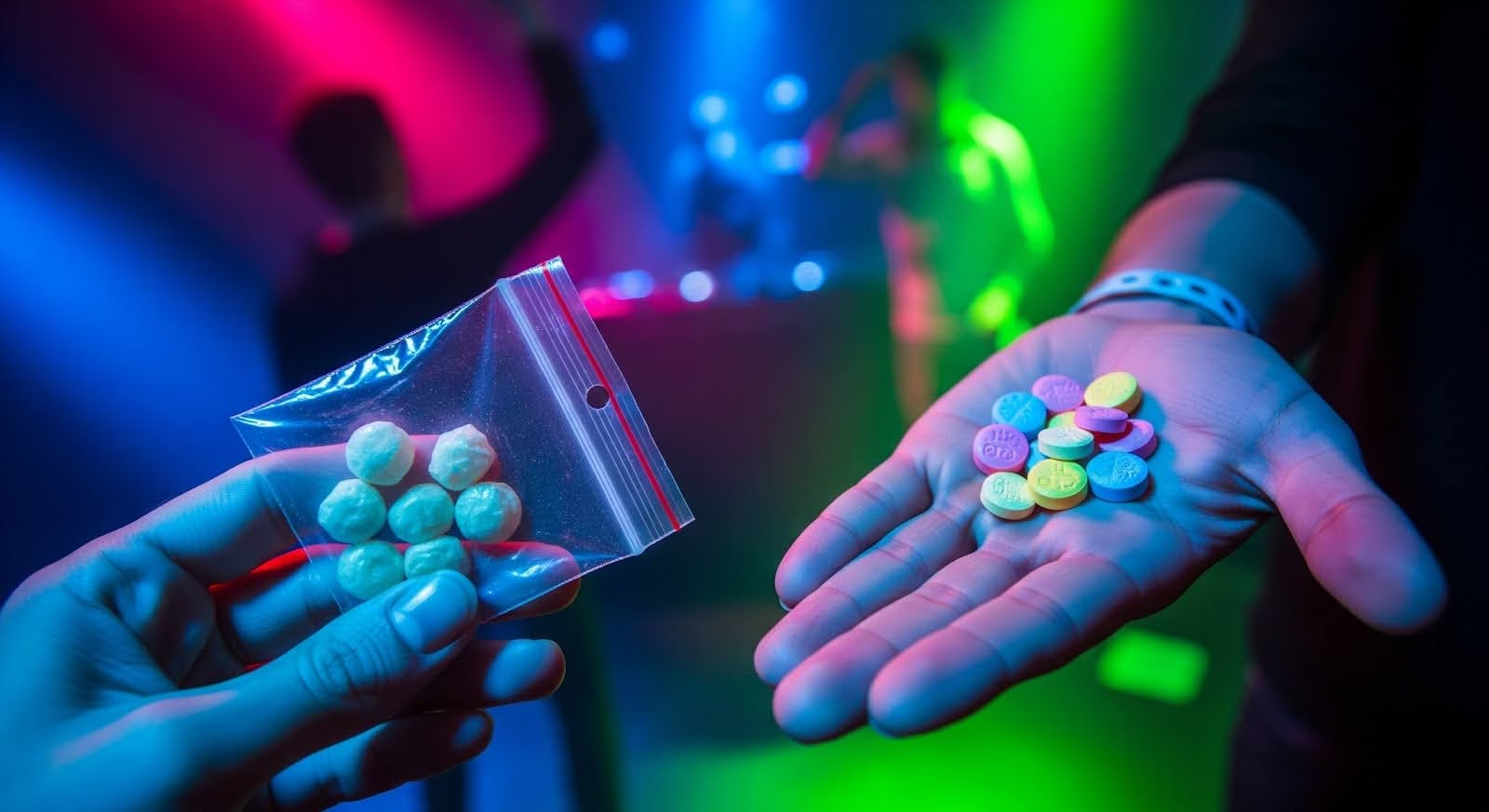
By definition, there is no chemical difference. Ecstasy refers to pressed tablets sold as MDMA. Molly is a slang term for powder or crystal forms marketed as pure MDMA. Both names intend to describe 3,4‑methylenedioxymethamphetamine, a psychoactive substance that produces empathogenic and stimulant effects.

The real distinction lies in how the drug is presented and what ends up in the final product. Tablets come with logos or colors that vary by batch, while powders appear as white or off‑white crystals or fine powder. Neither form guarantees purity or accurate dosing without laboratory testing.

In practice, the molly vs ecstasy debate is less about chemistry and more about market patterns. European drug checking networks in 2024 found that most samples sold as MDMA did contain MDMA, with synthetic cathinone adulteration dropping to under 2% in tested samples. 

Meanwhile, U.S. surveillance has documented waves of powders sold as Molly that actually contained synthetic cathinones like eutylone and N,N‑dimethylpentylone, substances with different effects and risks. The label on the street does not protect you from what is actually inside.

Molly vs Ecstasy: The Reality of Ingredients and Purity

When you compare ecstasy and molly in real‑world markets, the purity story is complicated. Data from European drug monitoring shows that in 2023, the average MDMA content per tablet ranged from 138 to 158 mg. 

Some tablets contained over 250 mg, with a Dutch alert in December 2023 flagging an “Audi” pill with more than 300 mg. That is two to three times what many users expect from a single dose.

Powders labeled as Molly showed even wider variation. In 2023, seized MDMA powders across Europe ranged from 24% to 100% purity, with half of countries reporting averages between 67% and 88%. Drug checking services testing consumer samples found average powder purity around 80% in the first half of 2023. 

The Netherlands reported approximately 75% average powder purity in 2023, but individual samples varied dramatically.

The myth that Molly is automatically purer than Ecstasy does not hold up. In contemporary European markets, many pressed tablets contain high and relatively consistent MDMA amounts, while powders require weighing and testing to avoid accidental overdose or underdose. In the U.S., the picture is murkier. 

CDC surveillance data documented eutylone, a synthetic cathinone, in overdose deaths in 2020, and forensic alerts later identified N,N‑dimethylpentylone replacing eutylone in Molly‑sold products. These substitutions mean that U.S. consumers have faced episodes where powders labeled Molly contained little or no MDMA.

Market FormAverage MDMA Content/PurityRangeKey Risk
Ecstasy (tablets)138–158 mg per tablet (Europe 2023)High‑dose outliers >250–300 mgUnknowingly high single dose
Molly (powder)~75–80% purity (Europe 2023)24–100% across countriesWide purity variance; dosing errors without weighing

Ecstasy vs Molly Effects: What the Research Shows

When the substance is genuine MDMA and the dose is matched, the subjective effects of ecstasy vs molly are essentially the same. MDMA works by increasing serotonin, dopamine, and norepinephrine in the brain. 

This produces feelings of empathy, emotional warmth, increased sociability, and sensory enhancement. Users typically feel the onset within 30 to 60 minutes after swallowing, with peak effects around 90 minutes and a duration of four to six hours.

Controlled human studies show consistent acute effects regardless of whether MDMA came from a tablet or powder. These include elevated mood, heightened sense of connection to others, and mild stimulation. 

At the same time, MDMA temporarily impairs memory encoding and retrieval, especially for emotional information. Heart rate and blood pressure increase modestly, pupils dilate, and body temperature rises slightly.

The differences people report between Ecstasy and Molly highs mostly reflect dose variability and context. A high‑dose tablet can feel overwhelmingly intense, while a low‑purity powder might feel underwhelming, leading users to redose and inadvertently push into higher exposure. 

Clinical pharmacology research comparing MDMA to the synthetic cathinone methylone found that methylone produced milder subjective effects, peaked slightly later, and had a shorter half‑life, encouraging redosing. 

When products sold as Molly or Ecstasy actually contain cathinones instead of MDMA, the experiential arc changes, which users interpret as a quality difference between forms when it is really a difference in active ingredient.

In the most dangerous cases, tablets sold as Ecstasy have contained PMMA (para‑methoxymethamphetamine), a substance with delayed onset and much higher toxicity than MDMA. 

PMMA has caused fatal outbreaks because users, not feeling effects quickly, took additional doses and experienced severe hyperthermia and serotonin toxicity. This underscores that the form of the drug, tablet or powder, does not predict safety. The actual chemical identity and dose are what matter.

Why Dose Matters More Than the Name?

The biggest risk factor for adverse effects is not whether you take Ecstasy or Molly. It is how much MDMA you actually consume. Modern European tablets deliver substantial amounts of MDMA per unit, and very high‑dose pills remain in circulation despite some decline from earlier peaks. 

If you swallow a whole 250 mg tablet thinking it is a standard 100 mg dose, you are taking two and a half times the intended amount. That increases the risk of hyperthermia, dangerous increases in blood pressure, jaw clenching, nausea, and post‑use crashes.

On the powder side, purity ranges are so wide that eyeballing or scooping a dose without weighing can easily result in taking 50 mg or 200 mg when you intended 120 mg. The unpredictability of unweighed powder undermines harm reduction, because users cannot titrate their dose safely.

Redosing amplifies these problems. MDMA has a half‑life of about eight hours, so taking a second dose before the first has peaked prolongs stimulation, increases cardiovascular strain, disrupts sleep, and worsens the next‑day comedown. 

People who use high‑dose tablets or variable‑purity powders often redose when effects are not what they expect, stacking exposure and risk.

The Real Risks: When Things Go Wrong

The difference between molly and ecstasy matters less than the conditions of use. MDMA carries well‑documented risks that apply to both forms:

  • Hyperthermia: Overheating in hot, crowded environments with vigorous activity and inadequate hydration is a medical emergency. Rapid cooling is critical.
  • Hyponatremia: Drinking too much water, especially plain water without electrolytes, combined with MDMA’s effects on vasopressin can lead to dangerously low sodium levels, causing confusion and seizures.
  • Serotonin toxicity: Combining MDMA with other serotonergic drugs like SSRIs, SNRIs, or MAOIs increases the risk of serotonin syndrome, a potentially life‑threatening condition.
  • Cardiovascular strain: MDMA raises heart rate and blood pressure. People with underlying heart conditions face higher risk of serious events.
  • Subacute comedown: Fatigue, low mood, irritability, difficulty concentrating, and sleep problems are common in the days after use, especially with high doses, redosing, or poor sleep and hydration during use.

Long‑term, repeated MDMA use has been associated with cognitive effects and changes in brain chemistry. Imaging studies using PET scans in abstinent users have shown reductions in serotonin transporter binding in the cortex and hippocampus, with the extent correlating to cumulative MDMA exposure. 

Some neurocognitive research shows memory and learning deficits that persist beyond acute intoxication, though the degree of reversibility with prolonged abstinence is still being studied. Polydrug use complicates these findings, making it hard to isolate MDMA’s specific contribution.

Adulteration and substitution add another layer of risk. When Molly or Ecstasy contains synthetic cathinones, PMMA, or other stimulants, the effects and toxicity profiles shift in ways users do not anticipate. Forensic toxicology reviews document the evolving presence of cathinones in the drug supply, reinforcing that names like Molly or Ecstasy offer no guarantee of contents.

What Does This Mean for You?

If you or someone you know is using MDMA or considering it, the practical takeaway is clear: the label is not the risk. The real risks come from unknown dose, unknown purity, environmental stressors like heat and dehydration, polydrug combinations, and individual health factors. 

Testing your substance with reagent kits or accessing drug checking services where available, weighing your dose, starting low, staying cool and hydrated, and avoiding dangerous drug combinations are all more protective than choosing tablets over powder or vice versa.

For people who find themselves struggling with patterns of MDMA use, or using it alongside alcohol, stimulants, or other substances, support is available. Repeated use to cope with anxiety, low mood, or trauma often signals a need for structured help. 

At Thoroughbred Wellness & Recovery, our team understands the complexities of substance use and co‑occurring mental health concerns. We offer a full continuum of care, from medical detox through outpatient support, with holistic and evidence‑based therapies personalized to your needs. 

If you are ready to explore a path toward clarity and lasting freedom, reach out to Thoroughbred and discuss treatment options that fit your life.

Does Molly Make You Depressed? MDMA Depression

The question of whether MDMA causes depression has a surprising answer: with pure, pharmaceutical-grade MDMA under controlled conditions, research shows minimal to no post-acute mood decline and sometimes an “afterglow” rather than a crash. 

In naturalistic settings, however, a three-day drop in mental well-being is common and driven largely by adulterants, sleep loss, and polydrug use. 

This article will clarify the difference between short-term “comedown” and long-term brain changes, explain why context matters more than the drug itself, and offer evidence-based guidance for reducing risk.

Does MDMA Cause Depression Short Term?

The typical “comedown” reported after recreational MDMA use is not an inevitable pharmacological effect of pure MDMA. Clinical studies using verified pharmaceutical MDMA in therapeutic settings have observed little to no depressive mood drop in the days following administration. 

A small psychotherapy series with lab-confirmed MDMA documented an “afterglow” at seven days rather than a crash, and phase 3 trials of MDMA-assisted therapy showed robust improvements in mood and functioning without signals of increased suicidality or clinically significant post-acute depression.

In contrast, recreational users frequently report a mid-week low, often called “Suicide Tuesday” or the “Tuesday blues,” typically emerging two to four days after weekend use and resolving within three to six days. Recent nightlife cohort research confirms a statistically significant three-day decline in mental well-being after ecstasy use that persists even after adjusting for other substances and sleep.

The key distinction lies in context. Recreational settings commonly involve sleep deprivation, adulterants like synthetic cathinones, cocaine or cannabis co-use, repeated dosing, and environmental stressors, all of which amplify or even create the “comedown” experience.

The Role of Adulterants and Misidentification

Much of what is sold as “Molly” or ecstasy is not pure MDMA. A review of synthetic cathinones documents widespread adulteration with substances like eutylone, methylone, and mephedrone, which produce harsher post-use dysphoria and have been associated with depression and suicidal ideation in case reports. PMA and PMMA, occasionally distributed as ecstasy, carry severe toxicity risks and distinct post-acute profiles.

Drug checking initiatives reveal this variability. Multi-reagent testing guidance shows that cathinones produce greenish or faint purple reagent reactions distinct from MDMA’s dark purple-black, and quantitative photometric tests reveal actual milligram content to prevent accidental overdoses from high-potency tablets. 

Public health programs like the Dutch pill-checking system have issued rapid alerts when lethal doses of PMMA appeared in circulation, preventing overdoses and severe comedowns.

Sleep Loss and Polydrug Use

A controlled laboratory study demonstrated that sleep deprivation, not MDMA, drives next-day psychomotor impairment. When participants took MDMA in the evening followed by a night without sleep, morning performance deficits were primarily attributable to sleep loss; MDMA did not rescue these impairments. Subjective arousal increases seen in the evening did not persist after a sleepless night.

Polydrug use further worsens outcomes. The 2025 nightlife cohort found that cocaine co-use, shorter or poorer sleep, and higher baseline anxiety or depression significantly exacerbated the three-day well-being decline after ecstasy. 

Earlier observational work showed that regular cannabis use correlates more strongly with anxiety and depression in MDMA users than MDMA exposure alone.

Long-Term Brain Changes and MDMA Depression

Repeated MDMA use is associated with measurable changes in the brain’s serotonin system, but these adaptations are dose-dependent, often reversible, and do not translate into inevitable clinical depression.

Serotonin Transporter Reductions

Multiple PET imaging studies using radioligands have consistently shown lower serotonin transporter binding in abstinent recreational MDMA users compared with controls. These reductions are global, affecting cortical and subcortical regions, and correlate positively with abstinence duration and negatively with typical monthly dose.

Critically, a study of former users abstinent for one year or more found no significant differences in serotonin transporter binding versus drug-naive controls. This strongly argues for recovery of serotonergic markers after sustained cessation in many individuals.

Postsynaptic Adaptations

Research also documents higher postsynaptic receptor availability in current users, suggesting compensatory upregulation in response to reduced presynaptic serotonergic tone. These coordinated adaptations represent network-level plasticity rather than irreversible damage, and their clinical significance for mood remains under investigation.

Cognitive and Mood Outcomes

Cross-sectional studies report higher depressive symptom scores in some user samples, but prospective designs controlling for polydrug use often reduce or eliminate these associations. 

A systematic review of cognitive effects found that declarative memory deficits are the most consistent domain in users, with broader deficits in those with heavy polydrug exposure. Importantly, effect sizes vary widely and many studies are confounded by cannabis use and sleep disruption.

The pattern is one of dose-linked, heterogeneous effects that can improve with abstinence rather than a deterministic pathway to clinical depression.

MDMA-Assisted Therapy and Depression Outcomes

Modern therapeutic protocols provide the clearest evidence that MDMA need not cause depression when used responsibly. Two phase 3 trials for PTSD treatment with MDMA-assisted therapy showed large, clinically meaningful symptom reductions and improved functioning approximately two months after dosing sessions.

Safety monitoring revealed no deaths, no QT prolongation, and no increase in suicidality or abuse-potential adverse events. Common side effects were mild and transient, including muscle tightness, nausea, decreased appetite, and sweating. 

Although the FDA declined approval in 2024 citing methodological concerns about functional unblinding and risk management infrastructure, the data demonstrate that with proper screening, dosing, and supportive care, meaningful post-acute depression is uncommon.

These findings stand in sharp contrast to recreational reports and underscore that context, not the drug alone, determines mood outcomes.

What Drives Variation in MDMA Depression Risk?

Several modifiable and individual factors shape whether someone experiences a comedown and how severe it becomes:

  • Dose and redosing: Higher total exposure and late-night redosing amplify sympathetic drive and next-day fatigue.
  • Adulterants: Cathinones and PMA/PMMA increase crash severity and toxicity risk.
  • Sleep and hydration: All-night use without sleep or fluids magnifies dysphoria and cognitive fog.
  • Polydrug combinations: Cocaine and cannabis worsen post-acute mood; alcohol and sedatives disrupt recovery.
  • Baseline mental health: Pre-existing anxiety or depression predict steeper post-use mood drops.
  • Sex differences: Women report greater sub-acute depressive symptoms in some studies, suggesting sex-specific vulnerabilities.

Importantly, these risks can be managed through harm-reduction practices.

Evidence-Based Recovery and Risk Reduction

Effective recovery and risk reduction strategies emphasize immediate aftercare, including prioritizing sleep, rehydration, and balanced nutrition, while avoiding polydrug use. 

These approaches also incorporate prevention strategies like spacing sessions and using drug-checking services to mitigate risks and support sustained well-being:

Immediate Aftercare

Prioritize eight to nine hours of sleep for two to three consecutive nights after use. A laboratory study showed that sleep loss drives next-day deficits, making rest the single most protective factor. Rehydrate sensibly with electrolytes after prolonged sweating, resume balanced meals with protein and complex carbohydrates, and engage in light exercise like walking to stabilize circadian rhythms.

Avoid stacking additional substances in the days following use. Polydrug combinations consistently worsen outcomes in observational studies.

Prevention Strategies

Space sessions by at least four to six weeks, mirroring clinical MDMA-assisted therapy protocols. Use drug-checking services that employ GC-MS or LC-MS laboratory analysis to verify substance identity and purity; spot-test reagent kits are not substitutes for full analysis but can flag obvious adulterants.

When possible, choose earlier-day timing so sleep can occur on schedule, avoid temperature extremes and prolonged exertion, and do not redose late at night.

When to Seek Help?

If low mood persists beyond one to two weeks, involves marked functional impairment, or includes suicidal thoughts, seek prompt medical or psychiatric evaluation. 

These red flags suggest possible adulterant exposure, unresolved sleep debt, or pre-existing mood disorders rather than a typical MDMA comedown.

There are no FDA-approved medications for MDMA use disorder; effective treatment typically involves behavioral therapies like cognitive-behavioral therapy and mutual-help groups.

Why MDMA and Depression Matters for Treatment?

Understanding the distinction between context-driven “comedown” and the pharmacology of pure MDMA has direct clinical implications. 

Therapeutic research demonstrates that MDMA can be administered without causing depression when dosing is controlled, co-intoxicants are avoided, and sleep and hydration are managed. This opens pathways for medical applications while clarifying that recreational harms are largely preventable through education and harm reduction.

For individuals who have used MDMA and are experiencing persistent mood symptoms, the evidence supports a nuanced assessment. Short-lived dysphoria within three to six days is common in recreational settings but not inevitable. 

Prolonged or severe depression is more likely when confounded by adulterants, polydrug use, or underlying vulnerabilities and warrants clinical attention rather than being dismissed as a normal “comedown.”

The convergence of controlled trials, neuroimaging, and nightlife cohort data points to a clear conclusion: MDMA’s relationship to depression is dose-dependent, context-dependent, and, in many cases, reversible. 

Risk reduction through testing, spacing, sleep protection, and avoiding co-use meaningfully lowers the odds of post-acute mood disturbance.

If you or someone you know is struggling with substance use and co-occurring mood symptoms, Thoroughbred’s professional support can make all the difference. At Thoroughbred Wellness & Recovery, our dual diagnosis treatment addresses both addiction and mental health with evidence-based therapies, compassionate care, and a personalized path to lasting recovery. Reach out today!

Cultural Voices Unheard: Multicultural Barriers to Opioid Treatment in Georgia

People from diverse cultural backgrounds face invisible walls when seeking help for opioid addiction in Georgia. 

The state has invested millions in treatment expansion, but language barriers, racial disparities, gender stigma, and rural isolation still prevent thousands from accessing life saving medications. 

This article examines how cultural factors shape treatment access and retention across Georgia’s minority communities, and what recent policy and program changes mean for closing those gaps.

Understanding Inclusive Addiction Treatment in GA

Georgia defines inclusive addiction treatment through multiple dimensions: affordability for uninsured populations, geographic reach across rural and urban settings, clinical modality choice including methadone and buprenorphine, developmental responsiveness for adolescents and families, and cultural and linguistic access. The state’s Department of Behavioral Health oversees opioid treatment programs and sets evidence based clinical guidance, yet formal statewide language access standards remain unspecified in policy documents.

Recent investments offer a blueprint for change. In 2025, Georgia allocated opioid settlement funds to expand adolescent services, family supports, hospital peer recovery coaches, naloxone distribution, and chronic pain management through partnerships involving Emory Healthcare and Grady. The Addiction Alliance of Georgia, formed by Emory and Hazelden Betty Ford, prioritizes telehealth as a statewide access strategy and works directly with the CDC to reduce stigma.

Yet the infrastructure exists alongside persistent gaps. Georgia’s 2020 population stood at 10.7 million, with approximately 30.6 percent Black, 10.5 percent Hispanic or Latino, and 5.2 percent Asian residents. These demographic realities demand that treatment systems actively address cultural and linguistic barriers rather than assume a one size fits all approach.

Language and Cultural Access Gaps

The absence of standardized language access protocols represents a structural barrier for thousands of Georgians. While the Addiction Alliance emphasizes stigma reduction and community outreach, provided state materials do not specify multilingual patient education, interpreter services, or culturally informed engagement expectations for opioid use disorder programs.

This gap matters because language and stigma function as recognized barriers to access and retention. National evidence on community based initiatives highlights that culturally sensitive approaches paired with peer involvement improve outcomes. Georgia should formalize statewide language access expectations and fund technical assistance for implementation, including interpreter integration into telehealth platforms and multilingual resources distributed through syringe services programs, opioid treatment programs, and emergency departments.

Cultural responsiveness extends beyond translation. It requires community health workers and peer navigators drawn from the populations served, understanding of immigration related fears and their impact on treatment seeking, and flexible care models like telehealth that reduce visibility and transportation barriers for stigmatized groups.

Racial and Ethnic Disparities in Treatment

Racial and ethnic disparities in opioid use disorder treatment initiation and continuity after emergency department visits point to structural barriers that Georgia must measure and address. These barriers include insurance coverage gaps, transportation and digital access limitations, implicit bias among providers, and historical mistrust rooted in medical experimentation and discriminatory policies.

National data show that Black and Hispanic populations have been historically underrepresented in buprenorphine treatment relative to their share of opioid use disorder diagnoses. Georgia’s sizable Black and growing Latinx communities require deliberate strategies: investment in peer workforces reflecting community demographics, mobile and telehealth delivery to minimize transportation disruption, and emergency department to tele MOUD warm handoffs that reduce follow up loss.

The state’s equity tracking infrastructure remains incomplete. Although Georgia demographic benchmarks) provide denominators for stratified analysis, the research documents note that specific state level MOUD outcomes by race and ethnicity were not available in provided sources. To verify that settlement funded expansions close rather than widen gaps, Georgia should formalize equity dashboards and publish outcomes stratified by race, ethnicity, age, geography, and payer status.

Gender Stigma and Women-Centered Care Needs

Comparative evidence from the Republic of Georgia illuminates the devastating consequences of gendered stigma in addiction treatment. In that country, women constitute under 2 percent of treatment clients due to traditional gender roles, absence of women specific services, judgmental provider attitudes, and punitive legal framing. Women face heightened risks of violence, police harassment, and social ostracism when seeking help, particularly when partners also use substances.

While cultural specifics differ, structural lessons apply directly to Georgia in the United States. Women here confront layered barriers including caregiving responsibilities, safety concerns, intimate partner dynamics, and fear of child custody repercussions. Evidence reviews emphasize that addressing basic social needs like food, clothing, safety, and housing, expanding women only facilities, and coordinating pre and post treatment support materially improve outcomes.

Georgia’s 2025 settlement investments acknowledge developmental and family inclusivity by scaling adolescent outpatient programs and comprehensive family services through the Addiction Alliance. Yet explicit women centered design remains underdeveloped. The state would benefit from women only intensive outpatient tracks, trauma informed counseling integrated with intimate partner violence screening and response, childcare supports, flexible telehealth scheduling, and pregnant and parenting MOUD integration with obstetric care.

Faith Communities Shape Treatment Access

Religious institutions wield significant influence over public sentiment and policy in Georgia, as they do in many Southern states. Comparative experience from the Republic of Georgia shows how faith messaging can dramatically shape perceptions. In 2018, the Georgian Orthodox Church mobilized to suspend a marijuana production bill, with public homilies framing drug use in moral terms and endorsing strict measures against dealers. Such dynamics can sustain stigma and deter evidence based approaches if not carefully navigated.

Georgia health leaders face a strategic choice: engage faith communities as partners in destigmatizing medications for opioid use disorder and harm reduction, or risk implicit alignment with punitive framings that undermine care. Constructive engagement can position MOUD as life saving, family preserving, and consistent with community values of compassion and stewardship. Practical collaboration includes co hosting naloxone trainings, sponsoring peer recovery initiatives at church sites, and training faith leaders on the medical model of addiction.

The alternative is to cede cultural messaging ground, allowing stigma to persist unchallenged and perpetuating silent suffering among congregants who need treatment. Evidence on stigma reduction efforts underscores that community partnerships and education materially change local climates for treatment seeking.

Geographic Barriers in Rural Georgia

Rural counties face compounded access challenges: fewer opioid treatment programs, limited broadband for telehealth, transportation deserts, and workforce shortages. Georgia’s response leverages telehealth flexibilities and emerging mobile medication unit models to bridge geographic gaps.

The state’s telemedicine flexibilities for controlled substance prescribing extend through December 31, 2025, enabling continued telehealth initiation and maintenance of buprenorphine without in person exams. This window allows rural residents to access same day medication starts, reducing the burden of multi hour drives to distant clinics.

Mobile medication units affiliated with opioid treatment programs represent a second breakthrough strategy. Federal guidance accommodates mobile dispensing through existing certification pathways, and scoping reviews document that mobile units increase access among underserved populations and may enhance retention relative to fixed sites. Georgia’s Department of Behavioral Health and Developmental Disabilities can approve new opioid treatment program facilities and secondary dispensing locations, positioning the state to deploy mobile methadone and buprenorphine services in care deserts.

Implementation requires attention to privacy and stigma. Rural residents under community supervision or with recent overdose history report lower willingness to use mobile services, indicating the need for neutral venues, confidentiality assurances, and peer navigation that addresses surveillance concerns.

Justice-Involved Populations Face Unique Hurdles

People under probation, parole, or other forms of community supervision confront distinct barriers when seeking opioid use disorder treatment. Concerns about visibility, mandatory reporting, and potential sanctions can deter engagement with mobile units or fixed site programs perceived as proximate to law enforcement.

Program design must proactively mitigate these fears. Strategies include situating services at neutral community sites like libraries or cooperative faith venues, formalizing confidentiality protections through memoranda of understanding with supervision agencies, providing legal rights education on MOUD protections, and deploying peer navigators with lived justice system experience. Without these safeguards, even well funded treatment expansions may fail to reach populations at highest overdose risk.

Georgia’s harm reduction framework offers partial support. The state permits syringe services programs under Department of Public Health rules, yet operational constraints and paraphernalia criminalization context require deliberate law enforcement collaboration and public education to ensure safety for staff and participants.

Table: Multicultural Barriers and Georgia Policy Responses

Barrier DimensionSpecific ChallengeGeorgia Policy or Program ResponseEvidence Alignment
Language AccessNo statewide interpreter or multilingual resource standardsInformal community outreach; CDC stigma collaboration through Addiction AllianceNational evidence supports culturally sensitive, multilingual peer models
Racial/Ethnic EquityDisparities in ED to treatment transitions; historic underrepresentation in buprenorphine accessSettlement funds expand capacity; equity dashboards not yet formalizedStratified data essential to verify impact
GenderWomen face caregiving barriers, IPV risks, custody fearsSettlement funds for family services; women only programs underspecifiedWomen centered services yield high marginal returns where stigma acute
Faith InfluenceMoral framing can sustain stigmaOpportunity for constructive partnership; no formal faith engagement strategy documentedComparative evidence shows faith messaging shapes public treatment perceptions
GeographicRural care deserts, transportation, broadband gapsTelemedicine flexibilities through 2025; mobile unit pathways available via OTP certificationTelehealth reduces discontinuation risk; mobile units improve retention
Justice InvolvementSurveillance fears, mandatory reporting concernsSSP authorization; no formal MOUs or peer navigation for supervised populations documentedNeutral sites and confidentiality protections increase willingness to engage

Why Does Inclusive Treatment Matters Now?

Retention in medication treatment is the strongest predictor of mortality reduction for people with opioid use disorder. When cultural and structural barriers prevent individuals from initiating or continuing care, the result is preventable overdose deaths. Georgia’s 2025 investments in telehealth, mobile units, adolescent and family services, hospital peer coaches, and naloxone distribution align with evidence on what works. Yet without deliberate multicultural design, these expansions risk replicating existing disparities at a larger scale.

The state’s next phase must institutionalize inclusive practices: standardized language access protocols, equity dashboards published quarterly, women centered service tracks embedded across the continuum, faith partnerships framed around saving lives, mobile unit deployment prioritizing underserved counties, and justice involved population protections formalized through memoranda with supervision agencies. These are not ancillary enhancements. They are foundational to translating capacity into coverage and coverage into outcomes.

Comparative lessons from the Republic of Georgia underscore the stakes. When stigma goes unaddressed and services fail to meet the specific needs of marginalized groups, particularly women, treatment systems exclude the very people at highest risk. Georgia in the United States has the policy levers, financing mechanisms, and provider partnerships to choose a different path.

Take the Next Step Toward Recovery

If you or a loved one is navigating barriers to opioid addiction treatment, compassionate and evidence based care is available now. Thoroughbred Wellness & Recovery in Marietta offers dual diagnosis treatment integrating medication management, trauma therapies, and holistic support designed for your unique needs. Call us to speak with an admissions specialist 24/7.

Restoring Rest: Telehealth Sleep Interventions to Halt Relapse in Recovery

Sleep problems sabotage recovery efforts for many people working to overcome addiction. 

When insomnia goes untreated during early abstinence, patients are far less likely to complete treatment programs. A 2019 study found that higher insomnia severity predicted lower odds of finishing intensive outpatient care, directly increasing relapse risk. 

This article explains how telehealth sleep interventions, especially cognitive behavioral therapy for insomnia, can protect recovery by addressing one of the most overlooked predictors of relapse.

The Link Between Sleep and Relapse

Sleep disturbance is nearly universal among people entering substance use disorder treatment. Most new patients in intensive programs show clinically significant insomnia and poor sleep quality at intake, yet this critical symptom often goes untreated. The consequences are measurable and serious. Researchers tracking intensive outpatient program completion found that insomnia severity, as measured by the Insomnia Severity Index, was the sleep metric that predicted who would drop out before finishing treatment. Poor sleep quality and daytime sleepiness did not carry the same predictive weight.

Why does insomnia undermine recovery so powerfully? Sleep deprivation disrupts the brain regions responsible for impulse control, emotion regulation, and decision making. When someone is chronically exhausted, their ability to resist cravings weakens. Negative emotions intensify. The prefrontal cortex, which helps us choose long term goals over immediate relief, functions poorly without adequate rest. Insomnia also creates a vicious cycle: people may turn back to substances to self medicate their sleep problems, or develop unhelpful beliefs like “I can’t sleep without something to help me.”

The pathway from poor sleep to relapse runs through treatment engagement. When patients are too tired to focus in therapy sessions, when they miss groups because they overslept after a sleepless night, when irritability from exhaustion strains their relationships with counselors and peers, they are at risk of leaving treatment early. And leaving treatment early is one of the strongest predictors of relapse.

Why Traditional Sleep Medications Fall Short?

Many clinicians hesitate to prescribe sedative hypnotics for people in addiction recovery, and for good reason. These medications can become a new dependence, they alter sleep architecture in ways that reduce restorative sleep, and they carry risks like next day impairment and complex sleep behaviors. For someone working to break free from substance dependence, swapping one chemical solution for another misses the opportunity to rebuild natural sleep capacity.

CBT-I: The Gold Standard Sleep Intervention

Cognitive behavioral therapy for insomnia is a structured, non pharmacologic treatment that addresses the root causes of chronic insomnia. Unlike sleep medications, which suppress symptoms, CBT-I retrains the brain and body to sleep naturally by changing behaviors, thoughts, and sleep patterns. The approach typically unfolds over six to eight sessions and includes several core components that work together.

Sleep restriction therapy consolidates sleep by limiting the time spent in bed to match actual sleep time, then gradually expanding the window as sleep efficiency improves. This creates healthy sleep pressure and breaks the association between bed and wakefulness. Stimulus control therapy reinforces bed as a place for sleep, not for lying awake. Patients learn to go to bed only when sleepy and to get out of bed if they have been awake for more than 15 or 20 minutes. Cognitive therapy identifies and challenges unhelpful beliefs about sleep, such as catastrophic thinking about the consequences of a bad night or the conviction that sleep is impossible without medication.

Sleep hygiene education covers environmental and behavioral factors like caffeine timing, light exposure, bedroom temperature, and device use. The final sessions always include relapse prevention planning, teaching patients to recognize triggers for sleep disruption and how to quickly apply the skills they have learned. This is especially relevant in addiction recovery, where life stressors can spike and relapse prevention for sleep and substance use often intersect.

A large network meta analysis across 241 trials found that CBT-I provided the highest likelihood of insomnia remission. The analysis identified sleep restriction and cognitive restructuring as particularly powerful components. Importantly, CBT-I works across delivery formats: individual therapy, group therapy, and telehealth all show strong outcomes.

Group CBT-I in Addiction Treatment Settings

For programs treating substance use disorders, group CBT-I offers a practical way to reach multiple patients at once. A study using the RE-AIM implementation framework tested group CBT-I in an outpatient clinic embedded in a therapeutic community. The program achieved 96.5 percent consent and 80 percent attendance at the first session. Half of the counselors completed training, demonstrating that adoption is feasible within existing staff. Participants reported improved sleep continuity, efficiency, and total sleep time.

The same study highlighted a useful adaptation: Brief Behavioral Treatment for Insomnia, or BBTI, condenses the protocol into fewer sessions with less training burden. This makes it easier for addiction counselors without specialized sleep training to deliver effective behavioral sleep interventions. Embedding sleep care into existing weekly group therapy slots reduces scheduling friction and normalizes sleep as a recovery priority.

Telehealth in Addiction Treatment Expands Access

Telehealth has become a core modality in Georgia’s addiction care continuum. Federal policy changes in recent years have enabled remote prescribing of medications for opioid use disorder and extended telemedicine flexibilities for other controlled substances through the end of 2025. In January 2025, the DEA and HHS finalized a permanent telemedicine pathway for buprenorphine prescribing, allowing both audio only and audio video encounters. This regulatory foundation supports the integration of telehealth sleep care within addiction treatment programs.

Georgia Medicaid permits telehealth for behavioral health services when delivered via live video and when providers meet explicit technical and credentialing standards. Commercial payer policies vary. UnitedHealthcare has committed to continuing Medicare Advantage telehealth benefits through 2026, while Aetna discontinued coverage for virtual intensive outpatient and partial hospitalization programs in 2024. This uneven payer landscape means that programs offering tele CBT-I must verify coverage carefully and build flexible contracting strategies.

Evidence supports the clinical effectiveness of virtual intensive outpatient programs. One large health system reported comparable or better patient improvement scores in virtual IOP cohorts compared with in person groups, based on tens of thousands of visits. Patients often feel more comfortable disclosing sensitive information from home, and the elimination of travel barriers improves attendance for people in rural areas or those with transportation challenges.

Practical Considerations for Virtual Sleep Therapy

Delivering CBT-I via telehealth requires a stable internet, a device with video capability, and a private space where the patient can speak freely. Group sessions typically run three hours and meet multiple times per week, mirroring in person curricula. Providers must ensure secure platforms that comply with HIPAA and maintain robust documentation of each encounter, including the modality used and any adaptations made for remote delivery. Georgia’s telehealth policies require that practitioners hold appropriate state licensure and work within their scope of practice, whether treating patients via video or audio only modalities where permitted.

Measuring Sleep to Track Recovery Outcomes

Routine measurement transforms sleep from a vague complaint into an actionable treatment target. The Insomnia Severity Index is a seven item questionnaire that captures severity, distress, and functional impact. It is validated, brief, and sensitive to change, making it ideal for addiction treatment settings. Administering the ISI at intake and every two to four weeks during treatment allows clinicians to identify high risk patients, adjust interventions, and demonstrate progress.

Meaningful clinical response is often defined as a reduction of seven or more points on the ISI, while remission is typically an ISI score below eight to ten. Tracking these benchmarks alongside substance use outcomes, such as program completion and abstinence rates, helps programs quantify the indirect benefit of treating sleep. When patients sleep better, they stay in treatment longer, and longer treatment stays predict better long term recovery.

The Pittsburgh Sleep Quality Index and Epworth Sleepiness Scale provide complementary information about sleep quality and daytime function, but the ISI is the most predictive tool for treatment engagement during early abstinence. Programs should also screen for obstructive sleep apnea using tools like the STOP-BANG questionnaire, since untreated apnea can worsen insomnia and undermine recovery efforts.

Georgia Resources for Sleep and Recovery

ResourceLocationKey FeaturesWhen to Use
Emory Sleep CenterAtlantaAASM accredited; home sleep apnea testing and in lab studies; two week schedulingRapid evaluation of suspected sleep apnea or other sleep disorders
AASM Accredited CentersStatewideGold standard accreditation; stringent quality and safety standardsDiagnostic testing and treatment planning for complex sleep problems
Telehealth CBT-I NetworksStatewideGeorgia licensed therapists provide virtual sleep therapyWhen local behavioral sleep specialists are unavailable
Virtual IOP ProgramsStatewideDeliver intensive outpatient addiction care remotelyFor patients who need structured treatment but face travel barriers

Georgia maintains multiple AASM accredited sleep centers, including facilities in Atlanta and Athens that accept Medicaid, Medicare, and commercial insurance. These centers can rapidly diagnose and treat obstructive sleep apnea, a common comorbidity that overlaps with insomnia and complicates recovery. When a patient screens positive for apnea risk, referral to an accredited center ensures quality evaluation and access to proven treatments like positive airway pressure devices or oral appliances.

The state’s broadband program is nationally recognized for its detailed mapping and investments in rural connectivity. This infrastructure supports telehealth delivery of both addiction treatment and sleep interventions, though gaps remain in some rural areas. Programs should assess patients’ access to reliable internet and offer contingency plans, such as audio only sessions or community based access points, when video is not feasible.

Digital Sleep Apps and Coverage Realities

Prescription digital therapeutics like Somryst offer another avenue for CBT-I delivery. The app is FDA cleared and delivers a nine week program based on established CBT-I principles. Real world analyses have reported improved insomnia severity scores and potential reductions in emergency department visits and overall health care costs. However, payer coverage is inconsistent. Several AmeriHealth Caritas Medicaid plans deem Somryst investigational, citing availability of alternative therapies like clinician delivered CBT-I.

A one year study of patients using a mobile CBT-I app combined with medication tracked long term outcomes and found that a substantial subset experienced relapse, underscoring the need for durable relapse prevention strategies within digital interventions. Another pilot study of a sleep app for shift workers observed high dropout rates, illustrating the engagement challenges that plague many mobile health applications.

These findings suggest that digital CBT-I is a useful tool but not a standalone solution. The most effective approach pairs any app based intervention with human coaching or check ins to support adherence. Programs should prioritize therapist delivered or therapist supported CBT-I as the foundation and consider digital options as adjuncts when coverage and patient preference align.

A Stepped Care Model for Georgia Programs

An effective sleep and recovery strategy starts with universal screening. Every patient entering substance use disorder treatment should complete an ISI and a sleep apnea risk screen at intake. Those with high insomnia severity scores or elevated apnea risk move to the next step immediately.

For insomnia, initiate group CBT-I or Brief Behavioral Treatment for Insomnia within one to two weeks, delivered in parallel with standard addiction programming. This can occur in person or via telehealth. Patients with suspected sleep apnea receive a sleep medicine referral for home sleep apnea testing or in lab polysomnography, leveraging rapid scheduling at accredited centers. Those diagnosed with apnea begin positive airway pressure therapy or other indicated treatment, coordinated with the addiction treatment team.

Monitor progress by reassessing ISI at weeks four and eight. If a patient shows inadequate response, intensify to individual CBT-I or add components like cognitive restructuring or third wave approaches tailored to trauma or comorbid mental health conditions. When digital CBT-I is covered by the patient’s insurance, it can be offered as an option with coaching support.

The final phase of CBT-I always includes relapse prevention planning: reviewing the 3P model of insomnia, maintaining consistent sleep schedules, and creating a contingency plan for acute insomnia bouts. This mirrors relapse prevention for substance use and reinforces the connection between protecting sleep and protecting sobriety.

Why Does It Matter?

Sleep is not a luxury or a minor side effect of addiction. It is a measurable, modifiable predictor of treatment completion and relapse. When insomnia goes untreated, it erodes the cognitive and emotional resources people need to build new lives in recovery. The good news is that effective, evidence based interventions exist and can be delivered at scale through group therapy and telehealth.

Georgia has the infrastructure to make this happen. AASM accredited sleep centers offer rapid diagnostic access. Telehealth platforms reach patients in every county. Payer policies, though uneven, increasingly support telebehavioral care when programs meet quality standards. By integrating sleep screening, CBT-I, and sleep apnea care into routine addiction treatment, Georgia providers can improve completion rates, reduce relapse, and give patients a fighting chance at sustained recovery.

Ignoring sleep is no longer an option. The evidence is too strong, the tools are too effective, and the stakes are too high. Every person who completes treatment because they finally slept well is a life that might otherwise have been lost to relapse. That is why restoring rest must be a priority in every recovery program.

If you or someone you care about is ready to address both addiction and the sleep problems that threaten recovery, reach out to a program that treats the whole person. Start with outpatient addiction treatment that integrates evidence based sleep care, and take the first step toward freedom.

Seasonal Overdose Patterns: Understanding Georgia’s Monthly Fluctuations

Drug overdose rates in Georgia do not remain constant throughout the year. 

Evidence from emergency department surveillance shows suspected nonfatal overdose visits likely increase during late spring and summer months, with the most pronounced elevations typically occurring between May and August. 

This article explains what drives seasonal overdose Georgia patterns, how state health officials track monthly changes, and what these fluctuations mean for communities across the state.

Understanding Seasonal Overdose in Georgia

Monthly fluctuations in overdose events follow predictable patterns shaped by drug supply dynamics, social behaviors, environmental conditions, and health system access. Georgia participates in the CDC’s Drug Overdose Surveillance and Epidemiology system, which provides near real-time data on suspected nonfatal overdose emergency department visits updated monthly. This surveillance infrastructure enables public health officials to detect seasonal trends and respond to emerging threats before they escalate.

The state’s overdose landscape has changed dramatically since 2019. Fentanyl now accounts for roughly 64 percent of all Georgia overdose deaths, fundamentally altering risk patterns compared to earlier years when heroin and prescription opioids dominated. National analyses covering October 2020 through April 2025 found that fentanyl-involved nonfatal overdoses surpassed heroin by February 2023 and showed relatively higher counts in summer months despite overall trends. Georgia’s participation in federal surveillance networks means these national patterns provide important context for understanding local monthly changes.

How Georgia Tracks Overdose Seasonality?

The Georgia Department of Public Health publishes monthly syndromic overdose reports that document emergency department visit rates, county-level patterns, demographics, and substance-specific indicators. These reports have included detailed substance breakdowns since 2021 and explicitly note surveillance limitations to guide appropriate interpretation. Monthly reporting allows health districts, coalitions, and law enforcement partners to see changes as they occur rather than waiting for annual summaries.

Georgia’s surveillance relies on electronic health records from emergency departments across the state, typically covering more than 90 percent of facilities. Data becomes available within one to two months, making this the fastest way to detect seasonal peaks. The system tracks eight overlapping categories including all drugs, all opioid, fentanyl, heroin, all stimulants, cocaine, methamphetamine, and benzodiazepine overdoses. Because a single visit can appear in multiple categories, health officials analyze each syndrome independently rather than adding counts together.

Summer Peaks Drive Seasonal Overdose Georgia Concerns

Multiple data streams point to elevated overdose activity during warmer months. National syndromic surveillance covering 46 states showed consistent summer elevations in suspected overdose emergency department visits, with the highest rates typically recorded in July and August. While temperature alone does not cause overdoses, summer brings overlapping risk factors including increased social gatherings, festivals and travel, physiological stress from heat, and shifts in drug supply chains that may alter potency or contamination patterns.

Georgia’s climate makes these summer dynamics especially relevant. Extended periods of high heat and humidity can affect how people use substances, where they use them, and whether bystanders are present to respond when overdoses occur. Public spaces see more activity during warm months, which may increase the likelihood that overdoses are witnessed and that emergency services are called. The state’s position as a transportation hub along Interstate 75, Interstate 85, and Interstate 20 also means drug supply patterns can shift seasonally as trafficking routes respond to travel and commerce cycles.

Recent provisional data suggest Georgia experienced nearly a one-third decline in opioid overdose deaths from 2023 to 2024, a substantial improvement attributed to expanded naloxone access and coordinated public health responses. However, this overall decline does not eliminate seasonal peaks. Emergency department visits may still rise during summer months even when annual death totals improve, underscoring the need for sustained vigilance during traditionally high-risk periods.

Why Seasonal Overdose Trends in Georgia Counties Vary?

Not all Georgia counties follow identical seasonal patterns. Urban counties with higher population density and more robust surveillance participation provide clearer monthly signals, while rural counties may experience more volatile month-to-month changes due to smaller numbers and episodic supply disruptions. Fulton, DeKalb, Cobb, and Gwinnett counties historically show the highest overdose counts, but rates per population can be elevated in smaller counties such as Richmond County.

County-level mortality data from the National Center for Health Statistics suppress counts between one and nine to protect privacy, which can make monthly seasonal analysis difficult in lower-population areas. However, Georgia’s emergency department surveillance system aggregates data by county of residence when possible, offering better resolution for tracking seasonal changes across the state. Health districts use these county breakdowns to identify local spikes that may require targeted interventions, such as counterfeit pill warnings or naloxone distribution campaigns.

Cluster Events and Seasonal Context

Some monthly spikes reflect clusters rather than broad seasonal trends. Georgia has experienced sudden increases tied to batches of counterfeit pills or unusually potent fentanyl-contaminated substances. The state’s Drug Surveillance Unit has strengthened partnerships with law enforcement, including the Georgia Bureau of Investigation Fusion Center, to rapidly detect and respond to overdose clusters. During these events, internal syndrome reports are shared with affected health districts and community coalitions, often within hours of detection.

Distinguishing seasonal patterns from clusters requires comparing monthly rates to historical baselines for the same months in previous years. If June 2025 shows a 30 percent increase over June 2024 and June 2023, that suggests a true seasonal or trending increase. If the spike is confined to a single county or a brief two-week period, it more likely reflects a localized product contamination event. Both patterns matter for public health response, but they call for different interventions.

Fentanyl Dominates Georgia’s Overdose Landscape

Fentanyl’s takeover of Georgia’s drug market fundamentally reshaped overdose seasonality. Unlike heroin, which showed gradual declines in emergency department visits nationally, fentanyl-involved visits increased steadily and remained elevated even as some other drug categories plateaued. This shift matters because fentanyl is far more potent than heroin, increasing the risk of fatal overdose from small dosing errors or unexpected contamination in stimulants and counterfeit pills.

Syndromic surveillance data are more sensitive than hospital discharge records for detecting overdose visits, especially for stimulant and all-drug categories. A comparison across 14 states from 2018 to 2019 found that syndromic data captured 67.8 percent more all-drug overdose visits and 78.8 percent more stimulant-involved visits than discharge data, while discharge data captured 18.9 percent more heroin-involved overdoses. This difference affects how quickly public health officials can spot monthly changes and respond before patterns worsen.

Polysubstance Use and Seasonal Risk

Many overdoses involve multiple substances. Fentanyl increasingly appears in drugs sold as stimulants, counterfeit prescription pills, and even cannabis products. This adulteration means people who do not intend to use opioids face unexpected overdose risk. Seasonal gatherings, festivals, and social events where drug use may increase can amplify the danger, particularly if users are unaware their substances contain fentanyl.

Georgia’s surveillance system has documented increases in stimulant-related overdoses that respond to naloxone, a strong indicator of fentanyl contamination. Public health messaging during summer months now emphasizes fentanyl test strips, naloxone availability, and the dangers of counterfeit pills. These campaigns aim to reach people before seasonal peaks rather than reacting after overdoses climb.

Georgia’s Data Systems for Monitoring Monthly Changes

Understanding seasonal patterns requires multiple complementary data sources. Each system offers different strengths, timeliness, and limitations that shape how Georgia tracks and responds to monthly fluctuations.

SystemUpdate FrequencyBest UseKey Limitation
DOSE Syndromic EDMonthlyDetect seasonal peaks and clustersNon-mutually-exclusive categories; some months suppressed
Hospital DischargeAnnualValidate annual burdenEight-month lag after year-end
Vital StatisticsMonthlyContextualize fatal outcomesTwelve-month windows smooth seasonality
Georgia DPH ReportsMonthlyCommunicate trends to partnersRepresents subset of total ED visits

The syndromic emergency department data serve as the primary engine for detecting monthly changes. Because this system updates within weeks and covers the vast majority of Georgia facilities, it provides the earliest warning when overdose visits begin climbing. Annual discharge data from the CDC’s hospital and inpatient system validate whether observed seasonal peaks translated into higher yearly totals and help assess the full scope of overdose-related healthcare use.

Fatal overdose data come from the Vital Statistics Rapid Release provisional system, which reports twelve-month-ending counts that smooth out month-to-month variation. These overlapping windows make it difficult to isolate specific monthly seasonality, but they show whether years with pronounced summer emergency department peaks also saw higher overall death rates. Comparing June-to-June endpoints rather than adjacent months provides the clearest view of trends.

Timeliness Matters for Seasonal Response

Speed determines whether data can guide proactive interventions or only document what already happened. Georgia achieved median data availability within about 34 hours in its state syndromic system and 45 hours in the national system, supporting near real-time monitoring. This timeliness enables health officials to detect a July surge by early August and adjust naloxone distribution, public messaging, and outreach efforts before the peak subsides.

Annual data with an eight-month lag cannot inform immediate responses but remain valuable for evaluating whether seasonal interventions succeeded. If Georgia implements enhanced summer naloxone campaigns in 2025 and the following year’s discharge data show reduced summer hospitalization rates, that suggests the strategy worked.

Practical Responses to Seasonal Overdose Georgia Trends

Knowing that overdoses likely peak in summer allows Georgia to pre-position resources rather than react after crises emerge. Public health districts can expand naloxone distribution to parks, festivals, and community centers starting in May. Law enforcement and public safety agencies can coordinate messaging about counterfeit pills and fentanyl risks during periods when social gatherings increase. Treatment programs can anticipate higher demand for services and ensure adequate capacity.

Georgia’s monthly reporting framework supports this proactive posture. By publishing data within weeks and sharing internal alerts during clusters, the state enables local coalitions to adjust their activities seasonally. Some districts have begun integrating overdose surveillance with environmental indicators like heat indices, following models used in other states to track heat-associated hospital visits alongside drug-related emergencies.

Year-Round Vigilance Remains Essential

Seasonal patterns do not mean overdoses only happen in summer. Fatal and nonfatal overdoses occur every month, and episodic clusters can strike at any time of year. The goal of understanding seasonality is to sharpen prevention efforts during predictably higher-risk periods while maintaining baseline interventions throughout the year. Georgia’s strengthened data linkages between prescription monitoring, overdose fatality reviews, and emergency department surveillance support this sustained attention.

The recent decline in overdose deaths demonstrates that coordinated action works. Expanded naloxone access, medication treatments for opioid use disorder, harm reduction services, and cross-agency collaboration have saved lives. Sustaining these gains requires adapting strategies to the rhythms of risk, including seasonal fluctuations that shape when and where overdoses occur.

Moving Forward With Seasonal Insights

Georgia’s participation in federal surveillance systems, combined with robust state monthly reporting and cross-agency partnerships, provides the infrastructure needed to detect and respond to seasonal overdose patterns. Evidence from multiple data streams converges on a consistent finding: suspected nonfatal overdose emergency department visits likely increase during late spring and summer months, with the most pronounced elevations occurring when fentanyl-involved overdoses coincide with seasonal risk factors.

Public health officials, treatment providers, harm reduction programs, law enforcement agencies, and community organizations can use this knowledge to time interventions more effectively. Pre-positioning naloxone, intensifying public education campaigns, coordinating festival and event outreach, and ensuring treatment capacity during peak months can reduce preventable deaths and help more people access recovery services when they need them most.

Seasonal awareness complements but does not replace the fundamental components of overdose prevention: accessible evidence-based treatment, widespread naloxone availability, harm reduction services, trauma-informed care, and ongoing support for people in recovery. By aligning these core strategies with the seasonal rhythms of overdose risk, Georgia can build on recent progress and create a more responsive, effective prevention system for all communities.

If you or someone you care about is struggling with substance use, help is available now. Thoroughbred Wellness & Recovery offers comprehensive dual diagnosis treatment in Marietta and Cartersville, with 24/7 support and evidence-based care tailored to your needs. Call today to start your journey toward lasting recovery.

Drug-Related ER Visits in Georgia 2025: Data, Causes & Solutions

Drug-related ER visits in Georgia continue to rise in 2025, driven by opioid overdoses, stimulant use, and medication errors. 

The state’s Department of Public Health tracks these visits through monthly syndromic surveillance reports for January through August 2025, complemented by national CDC dashboards that monitor suspected nonfatal overdoses with rates updated monthly. 

This article explains what the latest data reveal, why certain drugs dominate Georgia’s ER burden, and which proven solutions can reduce both visits and fatalities.

Why Drug-Related ER Visits Georgia Matter Now?

Georgia tracks drug related ER visits Georgia 2025 through multiple surveillance systems that paint a clear picture of the crisis. The Georgia Department of Public Health publishes Drug Overdose Syndromic Surveillance Monthly Reports covering January through August 2025, documenting ED and urgent care visits tied to overdoses. These timely reports serve as Georgia’s frontline indicator of trends by drug category, age, and region.

At the national level, the CDC operates two complementary systems. The syndromic stream, DOSE-SYS, updates monthly with rates per 10,000 ED visits across nested drug categories like opioids, fentanyl, stimulants, benzodiazepines, and heroin. Georgia participates alongside 46 states and DC, with coverage exceeding 90 percent of emergency departments. The discharge stream, DOSE-DIS, provides more complete annual burden estimates with a six month lag, using validated ICD-10-CM coding for confirmed initial encounters.

Georgia’s own OASIS platform defines ED and inpatient drug overdose visits using standardized ICD-10-CM codes. The OASIS ER/Inpatient Mapping Tool supports county-level analysis from 2016 through the latest available years, currently 2023 and 2024, with breakdowns by payor, age, sex, race, ethnicity, and census tract. OASIS includes all poisoning intents—unintentional, self harm, assault, and undetermined—which differs from CDC definitions that exclude intentional self harm and assault. This difference matters when comparing Georgia data to national estimates.

Top Drivers of Drug Related ER Visits Trends

Opioids and Fentanyl Dominance

Synthetic opioids, especially illicitly manufactured fentanyl, continue to drive the majority of acute overdose presentations in emergency departments nationally and in Georgia. High dose exposure patterns with counterfeit pills can trigger severe precipitated withdrawal that challenges ED management. National data from 2019 to 2021 showed that only 7.4 percent of patients with suspected opioid overdose ED visits received a naloxone prescription within 30 days, and only 8.5 percent received buprenorphine. This represents a critical missed opportunity, given that 5.5 percent of individuals with nonfatal overdose die within one year.

Fentanyl’s potency and prevalence mean Georgia EDs see cases where naloxone alone may not fully reverse respiratory depression, especially when fentanyl is combined with xylazine, a non-opioid sedative that diminishes naloxone effectiveness. These polysubstance combinations complicate ED protocols and increase the risk of repeat visits.

Stimulants and Polysubstance Patterns

Stimulants involving overdoses have climbed steadily. From 2018 to 2019, amphetamine overdose rates rose 18.3 percent and cocaine rates rose 11 percent across 29 states including Georgia. Critically, co-involvement with opioids was substantial: 23.6 percent of cocaine involved overdoses and 17.1 percent of amphetamine overdoses also involved opioids. This polysubstance reality means ED teams must screen for multiple drugs, provide cardiac monitoring for stimulants, and address opioid risk even when the presenting substance appears to be methamphetamine or cocaine.

Benzodiazepine co-involvement adds another layer of risk. In 2019 to 2020, 21.9 percent of benzodiazepine overdose ED visits nationally co-involved opioids, raising respiratory depression risk and complicating discharge planning.

Emerging Medication Errors and Novel Substances

A less traditional but growing contributor to drug related ER trends in Georgia 2025 is medication toxicity from GLP-1 receptor agonists like semaglutide and tirzepatide. The Georgia Poison Center documented GLP-1 related calls rising from 129 in 2023 to 246 in 2024 and 254 years to date in 2025, with over 40 percent leading to ED referrals. Most dosing errors occurred at the first dose, often when patients injected an entire vial instead of the correct measured dose, a problem amplified by compounded vial products compared to prefilled pens.

SAMHSA’s DAWN Network Watch for Q1 2025 also flags emergent substances like “pink cocaine,” a variable combination that may include ketamine, MDMA, methamphetamine, cocaine, fentanyl, or xylazine. These unpredictable mixtures complicate both ED triage and syndromic surveillance, underscoring the need for Georgia to update chief complaint dictionaries and clinical protocols regularly.

How Georgia Surveillance Systems Work?

Georgia’s approach to tracking drug related ER visits Georgia combines state and national streams, each with different purposes, timeliness, and definitions. Understanding these differences is essential to interpret trends accurately.

DOSE-SYS offers the fastest signal, with monthly updates showing rates per 10,000 ED visits for all drugs, all opioid, fentanyl, heroin, benzodiazepine, all stimulant, methamphetamine, and cocaine syndromes. Because definitions are nested and non-mutually exclusive, a single visit can be classified in multiple categories when polysubstance use is involved. This mirrors real world patterns but means you cannot simply add categories together.

DOSE-DIS delivers the most complete, validated burden estimates using discharge data with ICD-10-CM codes. It includes only initial encounters with unintentional or undetermined intent poisonings, excluding adverse effects and underdosing. With approximately a six month lag after year end, DOSE-DIS is ideal for annual evaluations, state to state comparisons, and program impact assessments.

Georgia OASIS provides the granular, county level view necessary for local planning. It uses ICD-10-CM T36 through T50 codes with intents 1 through 4, meaning it includes intentional self harm and assault cases alongside unintentional and undetermined overdoses. This broader definition makes OASIS counts higher than DOSE-DIS for the same period. OASIS also flags known data issues, such as ethnicity underreporting in approximately 12 percent of ED discharges since 2016 and periodic coding updates that change historical counts.

The table below compares the three systems relevant to Georgia in 2025:

SystemUpdate FrequencyCoverageStrengthsLimitations
DOSE-SYSMonthly46 states, >90% EDsTimely trend detection, rates per 10,000 visitsPreliminary diagnoses, facility participation varies
DOSE-DISAnnual34 states, >95% facilitiesValidated burden estimates, demographic detailSix month lag, excludes intentional self harm and assault
Georgia OASISAnnualGeorgia facilitiesCounty level maps, payor and SES breakdownsIncludes all intents 1 through 4, ethnicity undercount

Proven Solutions to Reduce ER Burden

Standardize ED Discharge Practices

The single highest yield intervention Georgia can implement is to standardize evidence based discharge practices after suspected opioid overdose. This means offering naloxone to every eligible patient before discharge, providing training to the patient and family on how to use it, and either initiating buprenorphine in the ED or ensuring a warm handoff to an immediate access clinic within 24 to 72 hours. National data show these practices remain far below the standard for other life saving medications. When only 7.4 percent of overdose survivors receive naloxone prescriptions, we miss the opportunity to equip people with the tool that can reverse their next overdose.

Embedding peer recovery coaches in EDs and screening for polysubstance use including alcohol, stimulants, and benzodiazepines ensures that discharge planning addresses the full clinical picture. Brief interventions and referrals to contingency management pathways for stimulants can connect patients to ongoing support.

Expand Community Naloxone Access

Georgia has built infrastructure for naloxone distribution, including community organizations, mail order access through programs like NEXT Distro, and innovative vending machines. The Newton County Sheriff’s Office launched a free naloxone vending machine in 2025, supported by the Georgia Opioid Crisis Abatement Trust and the Department of Public Health. Scaling this model across law enforcement facilities, community centers, and ED lobbies can saturate high burden counties identified through DOSE-SYS and OASIS hotspot analytics.

Address Preventable Medication Errors

Georgia can reduce preventable GLP-1 related ED visits within months by prioritizing prescriber and pharmacist demonstration and teach back for any new starts or dose escalations, accelerating conversion from compounded vials to FDA approved prefilled pens, and embedding the poison control hotline in discharge instructions and patient portals. These straightforward measures can measurably cut ED volume tied to dosing confusion.

Build a Georgia Overdose Data Hub

Transparent, timely public reporting is not a luxury. States like Maine and Maryland operate comprehensive data hubs that integrate DOSE, poison center, EMS, and fatal overdose streams into interactive dashboards with county and neighborhood level analytics. Georgia should launch a similar hub by 2026, publishing quarterly ED overdose reports modeled on Virginia’s Q2 2025 release, which presents rates per 10,000 ED visits by drug category, region, sex, and age. This level of transparency enables targeted, equitable response and allows communities to track progress.

Focus on Hotspots and Equity

Geospatial analyses show that overdose hotspots cluster in neighborhoods with higher proportions of Black and Latino residents, renter and vacant housing, unemployment, poverty, and crowded housing. Risk increases in a dose responsive manner with poverty prevalence. For Georgia, county and neighborhood level hotspot detection should anchor the allocation of harm reduction services, medication for opioid use disorder access, and social support. Embedding services with existing community organizations, including faith based groups and health centers already present in hotspot areas, ensures culturally responsive, trusted outreach.

Why Does This Matter for Georgia?

Drug related ER visits in Georgia 2025 are not just a healthcare issue. They signal gaps in prevention, treatment access, and discharge care that translate into preventable deaths and overwhelming ED workloads. The fact that only a small fraction of overdose survivors leave the ED with naloxone or buprenorphine means we are missing the last mile of care at the exact moment when intervention can save lives.

Georgia has every tool it needs to change the trajectory. The state participates in nationally validated surveillance systems, maintains DOSE consistent coding in OASIS, and has harm reduction infrastructure ready to scale. By closing the ED to community gap, making life saving medications ubiquitous, making data public and timely, and placing services where Georgians need them most, the state can reduce nonfatal overdoses, protect lives, and ease the burden on emergency departments in the year ahead.

The evidence is clear. The solutions are proven. What remains is implementation with urgency and equity.

If you or someone you know has experienced a drug related overdose or is struggling with substance use, help is available. Thoroughbred Wellness & Recovery offers medical detox and comprehensive dual diagnosis treatment in Marietta and Cartersville, with 24/7 admissions and evidence based care designed to support lasting recovery.

Equine therapy for drug addiction

How Equine Therapy Helps in Addiction Treatment?

Addiction treatment faces persistent challenges with patient engagement and retention, with average dropout rates around 30% across psychosocial treatments. 

Equine therapy for drug addiction offers a unique solution by using structured interactions with horses to build therapeutic alliance, improve emotion regulation, and support recovery in ways traditional office-based therapy cannot. 

This article explores the evidence behind equine-assisted interventions and explains how they enhance addiction treatment outcomes.

What is Equine Therapy for Addiction?

Equine therapy encompasses several distinct approaches that incorporate horses into structured therapeutic interventions. In addiction treatment settings, the most common forms include:

  1. Equine-Assisted Psychotherapy (EAP) involves licensed mental health clinicians conducting therapy sessions that integrate horse interactions to achieve specific treatment goals. These sessions typically focus on ground-based activities like grooming, leading, and herd observation rather than riding.
  2. Equine-Facilitated Psychotherapy (EFP) follows similar principles to EAP, with terminology varying by program and professional affiliations. Both approaches emphasize the therapeutic relationship between client, horse, and therapist.
  3. Horse-Assisted Therapy (HAT) is implemented within addiction programs by therapists with equine handling skills, often blending psychotherapy with horsemanship and stable activities to support recovery goals.

These modalities differ from hippotherapy, which primarily uses equine movement for physical rehabilitation and is less relevant to addiction treatment.

The Science Behind Equine Therapy in Addiction Recovery

Equine therapy isn’t just about spending time with horses, it’s grounded in psychology, neuroscience, and behavioral health principles. This section explores the scientific foundations that explain why working with horses can support healing and recovery.

Building Therapeutic Alliance and Engagement

Therapeutic alliance serves as a major predictor of retention and outcomes across all forms of psychotherapy, including addiction treatment. Strong early alliance reduces dropout risk, enhances motivation, and relates to session-by-session improvement.

Equine therapy excels at building alliances through the unique client-horse-therapist triad. Horses provide real-time nonverbal feedback, creating collaborative task focus and emotionally meaningful metaphors. Patients often report that the stable environment feels calming and authentic, enabling trust and participation even among those ambivalent about traditional talk therapy.

Addressing Emotion Regulation Deficits

A comprehensive meta-analysis of emotion regulation in substance use disorders found large deficits across multiple domains, with the greatest impairments in accessing adaptive strategies and impulse control when distressed. These deficits directly contribute to relapse risk and treatment dropout.

Equine sessions naturally elicit and practice regulation skills through:

  • Mindfulness and attentional control when reading horse cues safely
  • Distress tolerance and paced breathing while approaching large animals calmly
  • Behavioral inhibition under arousal during groundwork exercises
  • Cognitive reframing using metaphor and feedback from horse behavior

Supporting Trauma Recovery

Many individuals with substance use disorders have co-occurring trauma or PTSD. Integrated treatment approaches that address both conditions simultaneously produce better outcomes than treating them separately.

Equine therapy shows promise for trauma-related symptoms through experiential exposure, somatic regulation, and trust-building exercises. The non-judgmental presence of horses can help individuals practice interpersonal connection in a safe environment.

Equine therapy for drug addiction

Clinical Evidence for Equine Therapy in Addiction Treatment

Beyond theory, equine therapy has been studied in clinical settings with promising results. Here, we take a closer look at research findings, patient outcomes, and the evidence supporting its role in treatment.

Treatment Retention and Completion

A prospective study of young adults in substance use disorder treatment found that horse-assisted therapy was associated with improved treatment retention and completion rates. Given that treatment completion strongly predicts long-term recovery outcomes, interventions that reliably reduce dropout carry significant practical importance.

Randomized Controlled Trial Results

A 2020 randomized controlled trial in Norway evaluated horse-assisted therapy as a complement to treatment-as-usual in addiction care. While the study established feasibility and provided proof-of-concept that equine interventions can be integrated into structured programs, the authors emphasized that rigorous trials remain limited and sample sizes small.

Qualitative Patient Experiences

Qualitative research studies reveal how patients experience equine therapy environments. Participants describe the stable as providing calming structure, purposeful tasks, authentic feedback from horses, and experiences of trust and mastery. These patient-centered themes align with common targets in addiction recovery, including distress tolerance, regulatory skills, and relational trust.

How Drug Rehab Centers Integrate Equine Therapy?

Many rehab centers now include equine therapy as part of holistic care programs. In the sections below, we’ll examine how it is structured, what patients experience during sessions, and how it complements traditional treatments.

Program Design Elements

Effective equine therapy programs in addiction treatment typically include:

  • Structured sessions that combine psychoeducation with hands-on equine activities
  • Themed progressions using concepts like listening, trusting, encouraging, and respecting
  • Alliance monitoring to track therapeutic relationship development
  • Integration with core treatments rather than replacement of evidence-based approaches

Target Populations

Research suggests certain groups may particularly benefit from equine therapy:

  • Young adults with poor treatment engagement
  • Individuals with co-occurring anxiety or PTSD
  • Patients with significant emotion regulation difficulties
  • Those who struggle with traditional office-based therapy approaches

Safety and Implementation

Professional equine facilitators, comprehensive risk protocols, and careful suitability screening are essential given the physical risks of working with large animals. Programs must also address access and equity considerations, as equine therapy can be resource-intensive.

Measuring Outcomes in Equine-Assisted Addiction Treatment

Comprehensive outcome measurement should extend beyond substance use alone to include:

  • Engagement metrics: Attendance, session completion, early dropout rates
  • Therapeutic alliance: Patient and therapist ratings of working relationship
  • Emotion regulation: Validated measures of regulatory capacity and impulse control
  • Distress and mood: Standardized assessments of anxiety and depression
  • Functional outcomes: Housing stability, relationships, employment status

This multidimensional approach aligns with patient-centered care principles that recognize recovery encompasses more than abstinence alone.

Equine therapy for addiction

Current Limitations and Future Directions

While equine therapy shows real potential, it still faces challenges such as limited accessibility, cost, and research gaps. This section highlights current limitations while also pointing to future areas for growth and innovation.

Evidence Gaps

The field needs larger, multi-site randomized controlled trials comparing equine therapy plus standard care versus standard care alone. Current studies are limited by small sample sizes, heterogeneous interventions, and insufficient follow-up periods.

Mechanism Research

Future studies should test whether improvements in therapeutic alliance and emotion regulation actually mediate reductions in substance use and relapse through longitudinal, repeated-measures designs.

Implementation Science

Research is needed on reach, adoption, fidelity, cost-effectiveness, and sustainability in community programs, particularly addressing access disparities.

A Realistic Perspective on Equine Therapy’s Role

Based on current evidence, equine therapy is best positioned as a mechanism-directed adjunct rather than a replacement for core addiction treatments. The strongest case exists for using equine interventions to:

  • Enhance therapeutic alliance and reduce distress early in treatment
  • Provide experiential practice contexts for emotion regulation skills
  • Support engagement among patients at risk of early dropout
  • Address trauma-related symptoms in integrated treatment approaches

Claims about direct reductions in substance use remain premature without larger trials. However, strategically using equine therapy to improve alliance, reduce distress, and teach regulation skills is both plausible and supported by related evidence showing these process changes mediate better outcomes.

Why Equine Therapy Matters for Recovery?

Equine therapy helps addiction treatment by making the rest of treatment more likely to succeed. Through enhanced engagement, improved emotion regulation, and strengthened therapeutic relationships, these interventions create the conditions under which evidence-based treatments can be most effective.

For individuals struggling with traditional approaches, particularly those with trauma histories or significant emotion regulation difficulties, equine therapy offers an alternative pathway to therapeutic engagement. The stable environment provides a unique setting where trust, mastery, and emotional processing can occur naturally through interaction with horses.

While the field continues developing more rigorous evidence, current research supports equine therapy as a valuable adjunct within comprehensive, measurement-based addiction care. Programs implementing these interventions should maintain realistic expectations, track meaningful outcomes, and integrate equine work with established evidence-based treatments.
If you or a loved one could benefit from innovative approaches to addiction treatment that include holistic therapies like equine-assisted interventions, consider reaching out to Thoroughbred to learn about comprehensive treatment programs that combine evidence-based care with experiential healing modalities.

Medication-Assisted Detox

Medication-Assisted Detox: Pros, Cons, & What to Expect?

Medication-assisted detox uses FDA-approved medications to safely manage withdrawal symptoms while bridging patients into ongoing treatment for substance use disorders. 

Recent evidence shows that buprenorphine initiation via telehealth improves treatment engagement by 29% and reduces overdose risk by 36% compared to in-person approaches. 

This guide explains the benefits, risks, and modern approaches to medication-assisted detox to help you make informed decisions about safe withdrawal management.

What is Medication-Assisted Detox?

Medication-assisted detox refers to medically supervised withdrawal management that uses FDA-approved medications to reduce symptoms and complications during the detox process. Unlike traditional “cold turkey” approaches, this method provides pharmacological support to make withdrawal safer and more comfortable.

The primary medications used include buprenorphine, methadone, and naltrexone for opioid withdrawal, plus supportive medications like lofexidine for symptom control. Modern protocols emphasize using detox as a bridge into ongoing medication-assisted treatment rather than pursuing drug-free status as the endpoint.

For opioid use disorders specifically, research consistently shows that detoxification without transition to maintenance medications carries high relapse and overdose risks due to rapid loss of tolerance.

Benefits of Medication-Assisted Detox

Medication-assisted detox offers several important advantages that go beyond easing withdrawal symptoms. Below, we’ll break down the key benefits that make this approach a preferred choice for many.

Reduced Medical Complications

Medication-assisted approaches significantly lower the risk of severe withdrawal complications. For alcohol withdrawal, medications prevent life-threatening seizures and delirium tremens. For opioid withdrawal, medications like buprenorphine eliminate the dangerous cardiovascular stress of unmanaged symptoms.

Improved Treatment Retention

Studies demonstrate that patients who receive medication-assisted detox are more likely to complete the withdrawal process and transition into ongoing treatment. Telehealth-initiated buprenorphine shows particularly strong retention rates, with patients receiving 37% more prescription refills compared to traditional approaches.

Enhanced Safety Profile

Modern medication-assisted detox protocols have transformed safety outcomes. Meta-analyses show mortality rates of 4.3 per 1,000 person-years during buprenorphine treatment versus 9.5 per 1,000 when out of treatment.

Flexible Treatment Options

Today’s medication-assisted detox offers multiple pathways:

  • Low-dose initiation: Gradual introduction of buprenorphine while continuing other opioids to minimize precipitated withdrawal
  • High-dose emergency protocols: Rapid symptom control in supervised settings
  • Transdermal methods: Patch-based approaches that provide steady medication delivery
  • Extended-release formulations: Monthly injections that eliminate daily dosing requirements

Potential Drawbacks and Risks

While effective, medication-assisted detox can pose challenges. The following sections highlight the main risks patients and providers should carefully weigh before starting treatment.

Medication Side Effects

All medications used in assisted detox carry potential side effects. Buprenorphine may cause nausea, headache, or constipation. Methadone requires careful dosing to avoid respiratory depression. Lofexidine shows better tolerability than clonidine but can still cause fatigue and dry mouth.

Precipitated Withdrawal Risk

When transitioning from full opioid agonists to buprenorphine, timing is critical. Starting buprenorphine too early can trigger precipitated withdrawal, though recent cohort data suggests this risk is lower than previously feared when modern protocols are followed.

Complex Dosing Requirements

Some medication-assisted detox approaches require splitting sublingual films into small doses or coordinating multiple medications. This complexity can create barriers for patients without adequate support or housing stability.

Insurance and Access Challenges

Despite policy improvements, insurance coverage and provider availability remain inconsistent. Rural areas particularly struggle with access to qualified prescribers and opioid treatment programs.

What to Expect During Treatment?

Understanding the process can make the detox journey less overwhelming. Here’s what patients can typically expect from evaluation and medication planning to daily care.

Initial Assessment

Your treatment team will evaluate your substance use history, medical conditions, psychiatric symptoms, and social circumstances. This assessment determines which medications and protocols best fit your needs.

Special attention goes to identifying xylazine co-exposure, which can complicate opioid withdrawal assessment and requires specific management approaches.

Medication Selection and Initiation

For opioid withdrawal, providers typically choose between several approaches:

  • Standard buprenorphine induction: Wait for moderate withdrawal symptoms, then start with 2-4 mg doses
  • Micro-induction protocols: Begin with 0.25-0.5 mg doses while continuing other opioids, gradually increasing over 5-7 days
  • Methadone programs: Daily supervised dosing with gradual increases based on symptom control

Monitoring and Adjustment

Medical teams track withdrawal severity using standardized scales, monitor vital signs, and adjust medications based on your response. Modern protocols emphasize shared decision-making and harm reduction principles.

Transition Planning

The most critical phase involves planning your transition from detox into ongoing treatment. Evidence strongly supports immediate continuation of medications rather than pursuing drug-free status, as mortality risks spike in the weeks after stopping medication-assisted treatment.

Medication-Assisted Drug Detox

Modern Innovations in Medication-Assisted Detox

Detox methods are rapidly evolving with the help of new research and technology. The sub-sections below explore the latest innovations making treatment safer and more efficient.

Telehealth Integration

Recent policy changes have permanently expanded telehealth options for buprenorphine initiation. Patients can now receive initial prescriptions via audio-only consultations, with prescription monitoring database reviews ensuring safety.

Flexible Methadone Policies

Updated federal regulations allow earlier take-home doses and telehealth consultations at opioid treatment programs. Research shows these flexibilities improve retention without increasing overdose mortality.

Advanced Induction Techniques

New approaches like the transdermal rapid induction method use multiple buprenorphine patches over 48 hours before transitioning to extended-release injections, minimizing withdrawal symptoms throughout the process.

Choosing the Right Approach

Buprenorphine and methadone both play a vital role in medication-assisted detox, but each works differently. Let’s compare how these options measure up in terms of safety, effectiveness, and accessibility.

Buprenorphine vs. Methadone

Both medications dramatically reduce mortality, but they differ in important ways:

FeatureBuprenorphineMethadone
SettingOffice-based or telehealthOpioid treatment programs
Overdose riskLower due to ceiling effectHigher during initiation
Retention ratesGood, especially with telehealthSuperior in fentanyl-dominant areas
Access flexibilityHigh with recent policy changesImproving with take-home expansions

Individual Factors

Your treatment team will consider your opioid tolerance, previous treatment experiences, work schedule, transportation access, and personal preferences. Evidence suggests methadone may offer superior retention for patients with high fentanyl tolerance, while buprenorphine provides greater flexibility for those prioritizing office-based care.

Medication-Assisted Detox

Safety Considerations and Risk Management

Safety during detox can’t be overlooked, as improper use increases risk. The details below outline best practices for monitoring, dosing, and risk management.

Overdose Prevention

All patients receive naloxone training and supplies, as tolerance drops rapidly during any period of reduced opioid use. The weeks immediately after detox carry particularly high overdose risk if patients return to previous use levels.

Managing Co-occurring Conditions

Many patients have simultaneous mental health conditions requiring integrated treatment. Comprehensive approaches addressing both substance use and psychiatric symptoms show better outcomes than treating either condition alone.

Addressing Xylazine Complications

The increasing presence of xylazine in the drug supply creates new challenges. Clinical protocols now emphasize recognizing xylazine withdrawal symptoms, which may not respond to opioid medications and require specific alpha-2 agonist treatments.

Long-term Success Factors

Successful detox is about more than short-term relief—it sets the stage for lasting recovery. The following points discuss the key factors that support long-term success.

Continuing Medication Treatment

The strongest predictor of long-term success is remaining on medication-assisted treatment. Research consistently demonstrates that maintenance therapy with methadone, buprenorphine, or naltrexone provides ongoing protection against relapse and overdose.

Comprehensive Support Services

Successful programs combine medication with counseling, peer support, case management, and treatment for co-occurring conditions. Holistic approaches that address social determinants like housing and employment improve retention and outcomes.

Family and Social Integration

Treatment that includes family therapy and community support helps rebuild relationships damaged by substance use while creating accountability structures for ongoing recovery.

Making an Informed Decision

Medication-assisted detox represents an evidence-based approach to safely managing withdrawal while establishing the foundation for long-term recovery. The key is finding a program that offers flexible medication options, comprehensive support services, and a clear pathway into ongoing treatment.

Modern approaches have dramatically improved both safety and effectiveness compared to traditional detox methods. With proper medical supervision and individualized treatment planning, medication-assisted detox can provide the stable foundation needed for sustained recovery.

If you’re considering medication-assisted detox, consult with qualified healthcare providers who can assess your specific needs and recommend the most appropriate treatment approach. Remember that detox is just the first step in a longer journey toward recovery and wellness.Ready to explore your options for safe, medically supervised withdrawal management? Contact Thoroughbred to discuss our detox program and for personalized treatment approaches that prioritize your safety and long-term success.