
 info@thoroughbredbhc.com
Binge drinking means drinking enough alcohol in one sitting to raise short term harm, usually four drinks for women or five for men within about two hours. The practical binge drinking definition is this: that amount often brings blood alcohol concentration near 0.08 percent. This article explains what counts, what does not, and when a drinking pattern may call for real support.
Binge Drinking Definition: What Counts?
If you are asking what is binge drinking, the simplest answer is that it is a pattern of drinking, not a diagnosis.
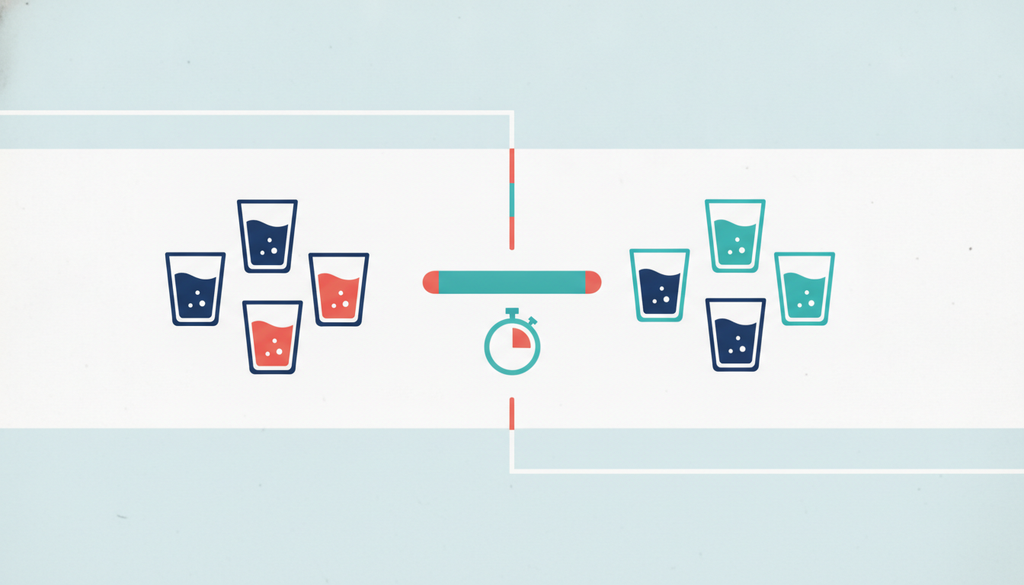
The National Institute on Alcohol Abuse and Alcoholism describes binge drinking as drinking that brings blood alcohol concentration to about 0.08 percent. For many adults, that means four or more standard drinks for women or five or more standard drinks for men in about two hours.
A standard drink in the United States contains about 14 grams of pure alcohol. That can look like 12 ounces of regular beer, 5 ounces of wine, or 1.5 ounces of distilled spirits, according to the same drinking patterns guidance from NIAAA.
That last part matters. Many real drinks are larger than one standard drink. A tall craft beer, a mixed drink with more than one shot, or a heavy wine pour may count as more than one drink, even if you only call it “one.”
So, what is considered binge drinking in real life? It depends on the amount of alcohol, how fast you drink it, and the size of each pour. A person may reach the binge drinking threshold sooner than they think.
Binge Drinking Meaning Versus Alcohol Use Disorder
The binge drinking meaning is often confused with alcohol use disorder, but they are not the same thing.
Binge drinking is about exposure. It describes a high risk drinking episode. Alcohol use disorder is about symptoms, loss of control, and harm over time. A person can binge drink once and not have alcohol use disorder. A person can also have alcohol use disorder without drinking in the classic binge pattern every time.
DSM 5 alcohol use disorder is based on at least two symptoms in a 12 month period. Those symptoms can include drinking more than intended, craving, trouble cutting down, role problems, hazardous use, tolerance, or withdrawal. In one study, rising binge frequency was tied to higher odds of mild, moderate, and severe alcohol use disorder, but quantity alone still did not equal diagnosis through AUD severity findings.
This distinction can reduce shame and improve decisions. The question is not “Am I a bad person because I binge drank?” The better question is “Is this happening often, getting more intense, or causing harm?”
What Counts as One Drink?
Here is a simple way to estimate standard drinks. It is not perfect, but it can help you see why drink size can be misleading.
| Drink type | Usual standard drink amount | Why it can be confusing |
|---|---|---|
| Regular beer | 12 ounces | Strong beer or large cans may count as more |
| Wine | 5 ounces | Home pours are often larger |
| Distilled spirits | 1.5 ounces | Cocktails may contain more than one shot |
A key point is that the body responds to alcohol content, not the glass, can, or cup. If a cocktail has two shots, it is closer to two standard drinks. If a beer has a high alcohol level, one can may be more than one standard drink.
This is why someone may say, “I only had three drinks,” while their body processed far more alcohol than they realized.
How Common Is Binge Drinking?
Binge drinking is common in the United States, especially among young adults, but it affects many age groups.
The 2024 National Survey on Drug Use and Health found that 20.1 percent of people aged 12 or older reported past month binge drinking, which equals 57.9 million people in SAMHSA data from 2024.
The same report found the rate was 26.7 percent for people ages 18 to 25, 21.0 percent for adults age 26 or older, and 3.5 percent for adolescents ages 12 to 17. That does not mean binge drinking is only a college issue. It is a broad public health issue.
These numbers also do not mean every person who binge drinks has alcohol use disorder. They do show that many people drink in ways that can raise the chance of injury, poor decisions, poisoning, blackouts, and longer term problems.
What Are the Risks of Binge Drinking?
What are the risks of binge drinking? The risks can be immediate, delayed, or part of a longer pattern.
Short term risks include injury, falls, crashes, unsafe sex, violence, alcohol poisoning, blackouts, and poor judgment. A person does not need to drink daily to face these risks. One high intensity night can be enough.
Blackouts are a major warning sign. An alcohol blackout is not the same as passing out. During a blackout, a person may walk, talk, text, or seem awake, but the brain is not storing new memories well. Research on alcohol blackouts describes this as a memory formation problem, not simple sleep or unconsciousness.
Alcohol poisoning is different and can be life threatening. Warning signs can include inability to wake, repeated vomiting, seizures, slow or irregular breathing, pale or blue skin, low body temperature, or loss of consciousness. NHS guidance says to seek emergency help for suspected alcohol poisoning rather than waiting for every sign to appear.
There are also longer term risks. Repeated binge drinking can raise concern for alcohol use disorder, especially when drinking becomes hard to control or keeps causing problems. Frequent binge episodes also create more chances for injuries, conflict, missed duties, and risky situations.
High intensity drinking raises the concern even more. NIAAA uses that term for drinking at least twice the binge threshold, meaning eight or more drinks for women or ten or more for men. This does not automatically define alcohol use disorder, but it is a clear reason to pause and ask what is happening.
When Binge Drinking May Signal a Bigger Problem
A single episode may be risky without meaning someone has alcohol use disorder. Still, certain patterns deserve attention.
One of the clearest warning signs is impaired control. That might sound like, “I planned to have two drinks, then had eight,” or “I keep saying I will stop earlier, but I do not.” If that happens often, it may be more than a one time poor choice.
Another sign is drinking despite consequences. Maybe you missed work, fought with a partner, drove after drinking, got hurt, blacked out, or felt intense anxiety the next day. If those outcomes keep happening and drinking continues anyway, that is worth taking seriously.
Tolerance and withdrawal also matter. Tolerance means needing more alcohol to feel the same effect. Withdrawal can include symptoms after cutting down or stopping, such as shaking, sweating, nausea, anxiety, or feeling like alcohol is needed to feel normal. Not everyone with alcohol use disorder has withdrawal, but when it appears, it is a strong reason to get medical guidance.
Frequency matters too. Someone who binge drinks once at a wedding is in a different situation than someone who binge drinks every weekend. Research found that each step up in binge drinking frequency was tied to higher odds of alcohol use disorder severity in adults with problem substance use, based on binge frequency results.
How to Check Your Own Pattern
You do not need to label yourself to ask better questions.
Start with the facts. How many standard drinks do you have on your heaviest drinking day? How long does it take to drink that amount? How often does it happen? Do you ever drink more than planned? Have you had blackouts? Has anyone expressed concern?
Clinicians often use brief screening tools for this. The NIAAA single alcohol screening question asks how many times in the past year a person has had four or more drinks in a day for women or five or more for men. NIAAA describes this kind of quick screening as a way to identify unhealthy alcohol use and decide whether more assessment is needed.
Another tool is the AUDIT C, a three question screen that asks about drinking frequency, typical amount, and heavy drinking occasions. It is not a diagnosis, but it can help start a clearer conversation.

If you are worried, it can help to track honestly for a few weeks. Write down what you drank, how fast, what happened after, and how you felt the next day. Patterns can be easier to see on paper than in memory.
What to Do If a Binge Episode Turns Dangerous
If someone has been drinking heavily and seems severely impaired, do not leave them alone to “sleep it off.” Alcohol can keep absorbing after drinking stops, so a person can get worse later.
Call emergency services if the person cannot wake up, has slow or irregular breathing, vomits repeatedly, has a seizure, has blue or pale skin, feels very cold, or loses consciousness. If you are unsure, calling is safer than waiting.
If the person is awake but impaired, focus on safety. Stop more alcohol. Do not let them drive. Keep them away from water, heights, roads, and unsafe situations. Stay with them or make sure a sober person does.
If the person is unconscious but breathing normally, place them on their side and monitor breathing while waiting for help. If they are not breathing normally or are only gasping, start CPR and follow dispatcher instructions.
These steps are not about judgment. They are about keeping someone alive.
Why This Matters
The definition of binge drinking is simple, but the real world can get messy fast.
Four or five drinks may not sound extreme in some social settings. Yet that amount, especially in about two hours, can raise blood alcohol to a level linked with major impairment. Stronger drinks, fast drinking, low food intake, or mixing alcohol with other substances can raise the risk further.
The bigger picture is also personal. If binge drinking is rare and you can stop before harm occurs, the next step may be safer planning. If binge drinking keeps happening, grows more intense, leads to blackouts, or feels hard to control, it may be time to talk with someone trained to help.
You do not need to wait for daily drinking, withdrawal, or a crisis to take your drinking seriously. Early support can make change easier and safer.
If your drinking has started to feel unsafe or hard to control, our detox program at Thoroughbred Wellness and Recovery can help you talk through the next step.


 Give Us A Call


