Tramadol Addiction: Symptoms, Withdrawal, & Treatment

Tramadol is often sold as the “safer opioid.” The reality: dependence can sneak up, withdrawal can turn strange, and people get hurt if tapering and treatment aren’t done right.

What Makes Tramadol Different?

Tramadol works in two ways. It’s a weak opioid, it activates the mu-opioid receptor, and it also blocks the reuptake of serotonin and norepinephrine in the brain. That mix helps pain but also shapes risk and withdrawal. The opioid effect is classic, similar in kind to other painkillers, as shown in early work on tramadol’s mu activity by Senay and colleagues. The SNRI-like effect, the serotonin and norepinephrine side, shows up in both pain control and mood, described in case series and reviews such as Rajabizadeh et al..
Because of that dual action, withdrawal is a bit of a two-headed beast. People can get the usual opioid symptoms and also symptoms that look like antidepressant withdrawal. Guides for patients and families flag this split, including the overview from Addiction Center on tramadol withdrawal.

Who Faces the Greatest Risk?

In the U.S., opioid exposure is common. Roughly 60 million people used an opioid in 2021, and among tramadol users, about 9.4% reported misuse. Some regions have seen deaths tied to tramadol climb, which lines up with reports of rising nonmedical use noted by addiction treatment providers.

Risk isn’t one-size-fits-all. Prior substance problems and long-term or high-dose use raise the odds of dependence and tough withdrawal, as early clinical data on dependence and dose from Senay et al. suggest. Atypical withdrawal, the scary neuropsychiatric stuff, doesn’t clearly track with age, sex, or use duration, but higher daily doses, especially above 400 mg, seem to increase risk in reports of withdrawal psychosis. That tracks with what I see in the clinic: the dose pattern and how abruptly someone stops often tell you more than any demographic detail.

tramadol addiction recovery

What Are the Tramadol Addiction Symptoms?

Let’s call it out directly. The most common Tramadol Addiction Symptoms include a blend of body symptoms and changes in mood, thinking, and behavior.

On the physical side, people describe nausea, vomiting, diarrhea, muscle and bone aches, sweating, chills, insomnia, headaches, and sometimes constipation. Breathing can slow in overdose or with other sedatives on board, and seizures are a known risk at high doses or with abrupt changes, that seizure signal has been documented in tramadol intoxication and misuse case series like the one by Jovanović-Čupić and colleagues.

The psychological and behavioral picture often starts quietly. Anxiety ramps up. Mood swings show up. Cravings edge out other priorities. People pull back from family, work slips, and sleep gets weird. In more severe or sudden changes, hallucinations, paranoia, panic attacks, confusion, and even a sense of unreality can hit. Those neuropsychiatric symptoms are unusually prominent with tramadol compared with typical opioid withdrawal, as described in both dependence studies and case reports from Senay et al. and in the withdrawal psychosis summaries by Rajabizadeh et al..

If you’re reading this and thinking “that’s me” or “that’s my friend,” you’re not alone. And no, you don’t have to white-knuckle it.

How Does Tramadol Withdrawal Unfold?

Here’s the headline: most withdrawals look “typical” for an opioid, nausea, sweating, aches, anxiety, insomnia, cravings. Roughly 88% of reported cases have this classic pattern, while about 12% show atypical features like hallucinations, panic, and paranoia, according to early dependence research and case series by Senay et al. and follow-up reports of withdrawal psychosis.

A quick side-by-side to keep straight what’s what:

TypeWhat you tend to see
Typical opioid-like withdrawalNausea, vomiting, diarrhea, muscle aches, sweating, anxiety, insomnia, cravings
Atypical tramadol withdrawalHallucinations, paranoia, panic attacks, confusion, numbness or tingling, delusions, derealization or depersonalization

Timing matters. Symptoms usually start within about 8 to 24 hours after the last dose, peak around 36 to 72 hours, and settle over 5 to 7 days with a proper taper. Some people get lingering “post-acute” symptoms for weeks to months, which patient-facing resources from Addiction Center describe well.

What about the really odd stuff, hallucinations and brief psychosis? Atypical withdrawal can include visual or auditory hallucinations in a chunk of cases, and clinicians have published clusters and case reports of paranoia, delusions, and dissociation tied to stopping tramadol. Those have been documented in series of withdrawal psychosis and in individual reports of psychosis after tramadol cessation. The mechanism likely relates to tramadol’s SNRI properties, think of it like abruptly stopping an antidepressant on top of an opioid, and that idea is echoed in a review of tramadol-associated hallucinations. The silver lining: in many reports these symptoms settle within days with supportive withdrawal management and without antipsychotics, as noted in both case series and a brief case report.
One more practical point: seizures are rare but real during misuse, overdose, or abrupt changes. That’s a big reason careful tapering and supervision are worth it, a message repeated in detox overviews and in medical guidance on withdrawal safety.

How Is Tramadol Addiction Treated?

Start with a plan to reduce safety. Most people do best with a gradual taper, ideally with a clinician who can adjust the pace, manage symptoms, and watch for outliers like atypical withdrawal or seizure risk. That basic approach, taper plus support, is standard in patient education from Addiction Center and in clinical programs.

Medications can help in two ways. First, symptom relief: anti-nausea drugs, loperamide for diarrhea, non-opioid pain relievers for aches, and agents like clonidine or carefully used sleep aids can take the edge off, as outlined in withdrawal guides for patients. Second, medication-assisted treatment for opioid dependence: buprenorphine and methadone reduce withdrawal and cravings, while non-opioid options like lofexidine ease the physical symptoms. Practical quick-start guidance for buprenorphine is available from SAMHSA.

What does the evidence say about “what works best”? For moderate to severe opioid dependence, buprenorphine outperforms tramadol as a detox medication on retention and comfort, and clinicians have shown success using it even in high-dose tramadol cases, including an outpatient case report

In a randomized trial, extended-release tramadol reduced withdrawal symptoms, roughly matching buprenorphine in mild to moderate cases, but it was less effective for severe dependence and carries a seizure risk at higher doses, reported in the JAMA Psychiatry trial. Clonidine-type regimens help with sweats, anxiety, and blood pressure, but they’re less effective overall and see more dropouts in studies summarized in the same clinical trial report.

I’ll add what I tell patients: medication is half the story. Therapy, support groups, and a plan for stress, sleep, and pain can be the difference between “white-knuckle and relapse” and “manageable and sustainable.” The resources above cover that, but it’s also common sense.

What About “Rapid Detox” Under Sedation?

Some centers offer in-hospital rapid detox using opioid blockers and sedation, with close cardiac and neurological monitoring. Program websites describe high completion rates and lower conscious discomfort, alongside strict suitability criteria and seizure-prevention protocols, see the description of rapid tramadol detox under sedation. It’s not for everyone. If this route tempts you, make sure the team is hospital-based, experienced, and transparent about risks and aftercare.

Why It Matters

Two closing thoughts. First, tramadol’s dual action means clinicians and families must tell apart primary mental illness from withdrawal-driven psychosis, the latter often resolves with the right withdrawal care, highlighted in case series on withdrawal psychosis. Second, after detox your tolerance drops fast, which raises overdose risk if you slip. The WHO’s updated guidance on dependence and overdose prevention leans into that warning and into practical prevention.

If you’re starting tramadol or already on it, ask for the lowest effective dose, the shortest course possible, and a taper plan. Patient education and careful prescribing are basic prevention, echoed in the withdrawal timeline and safety tips. And if you’re in trouble now, it’s ok to say so. A short, honest talk with your clinician can change the next month of your life.

Discover the Right Rehab Center In Marietta, Georgia

You don’t have to do this alone. At Thoroughbred Wellness and Recovery, real people show up for you with care that fits your life. Our team blends evidence-based therapies with holistic approaches, like EMDR Therapy, CBT, DBT, equine therapy, psychodrama therapy, Accelerated Resolution Therapy, and Rapid Resolution Therapy, so you can heal mind, body, and spirit. With PHP, IOP, Evening IOP, and Outpatient options, we’ll meet you where you are and build a plan that works for your schedule, whether you’re balancing work, family, or both.

If you’re ready to take the next step, we’re here to make it simple. Stop by or send us a note: 1501 Johnson Ferry Rd Suite 225, Marietta, GA 30062. Call 770-564-4856, email info@thoroughbredbhc.com, or reach out through our contact page. We offer a quick 15–20 minute phone assessment, verify insurance within 24 hours, and accept major plans including Blue Cross Blue Shield, Aetna, Cigna, UnitedHealthcare, and Humana. Your path forward can start today.

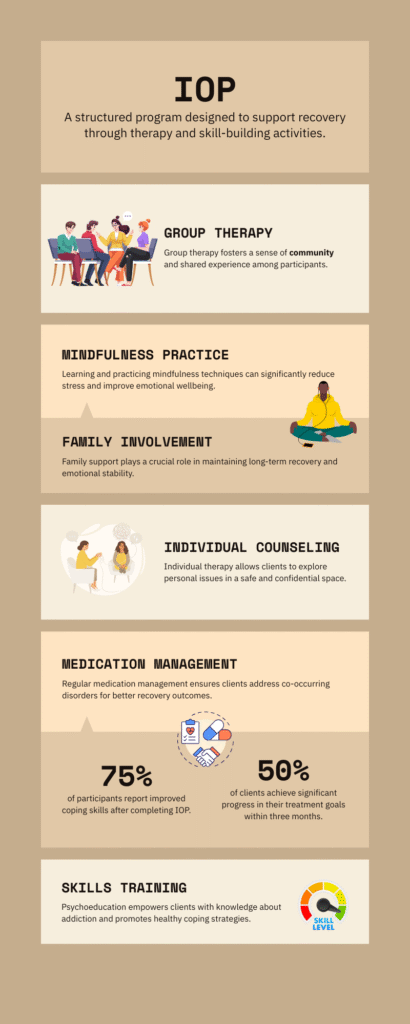
What Does a Typical IOP Schedule Look Like?

Imagine waking up each day knowing you have a supportive team, a structured plan, and a community rooting for your recovery. For many facing substance use disorders or mental health issues, this structure and support come in the form of an Intensive Outpatient Program (IOP).

If you or a loved one is considering treatment options, understanding what an IOP schedule looks like can be the first step toward hope and healing.

At Thoroughbred Wellness and Recovery, we believe that knowledge is empowering—and that a well-structured IOP can bridge inpatient care and independent daily life, offering the flexibility and support needed for lasting recovery.

The Heart of Intensive Outpatient Programs

An intensive outpatient program (IOP) is a type of treatment program designed for individuals who need more support than traditional outpatient therapy but do not require the 24/7 supervision of inpatient treatment.

IOPs are especially effective for those transitioning from a partial hospitalization program (PHP) or for those whose symptoms are stable enough to manage in a less restrictive environment.

Unlike inpatient programs, which require you to live at a treatment facility, IOPs allow you to maintain your daily responsibilities—work, school, family—while receiving comprehensive care.

This level of care is ideal for people who need structured support but also want to stay connected to their community and support system.

iop schedule

What Does a Typical IOP Schedule Look Like?

A standard IOP schedule usually involves attending treatment sessions three to five days per week, each lasting about three hours. This adds up to a minimum of nine hours of structured care weekly, though some programs offer more intensive schedules based on individual needs.

Morning, Afternoon, or Evening Sessions:
IOP programs are designed to fit into your life, not disrupt it. Many treatment centers, including Thoroughbred Wellness and Recovery, offer flexible morning, afternoon, or evening scheduling. This flexibility ensures you can continue working, caring for family members, or attending school while prioritizing your recovery.

A Sample Day in IOP:

  • 9:00 AM – Group Therapy Session:
    Start the day with a group therapy session focused on relapse prevention, coping skills, or psychoeducation. Group therapy is a cornerstone of IOP, providing a supportive environment to share experiences, learn from others, and build community.
  • 10:30 AM – Individual Therapy or Counseling:
    After group therapy, you might meet with a therapist for individual therapy. This is where you can explore personal challenges, set goals, and work on emotional regulation using evidence-based modalities like cognitive behavioral therapy (CBT) or dialectical behavior therapy (DBT).
  • 11:30 AM – Psychoeducation or Skills Training:
    The final hour may focus on psychoeducation—learning about addiction, mental health conditions, and healthy coping strategies. You might also participate in skills training, such as mindfulness, stress management, or communication exercises.
  • Family Therapy and Support Groups:
    Many IOPs include weekly family therapy sessions or invite family members to participate in support groups. Involving loved ones in recovery can strengthen your support system and improve outcomes.

Key Components of an IOP Plan

Every IOP is tailored to meet the specific needs of each participant. Here’s what you can expect from a comprehensive IOP plan at a reputable treatment center like Thoroughbred Wellness and Recovery:

  • Assessment and Individualized Treatment Plan:
    Your journey begins with a thorough assessment to determine the best type of treatment for your unique situation. This includes evaluating your mental health, substance use history, and any co-occurring disorders.
  • Evidence-Based Modalities:
    IOPs use proven, evidence-based therapies such as CBT, DBT, and motivational interviewing. These approaches help you develop coping strategies, manage triggers, and build resilience.
  • Group Therapy Sessions:
    Group therapy is the backbone of IOP, offering a safe space to process emotions, practice new skills, and receive feedback from peers and clinicians.
  • Individual Therapy Sessions:
    One-on-one counseling allows you to address personal challenges, set recovery goals, and work through trauma or underlying mental health issues.
  • Family Involvement:
    Addiction and mental health disorders affect the whole family. Family therapy and education help loved ones understand the recovery process and learn how to provide effective support.
  • Relapse Prevention and Aftercare Planning:
    A strong IOP plan includes relapse prevention strategies and a roadmap for ongoing care. This might involve connecting you with support groups, outpatient therapy, or alumni programs.
  • Medication Management:
    For those with dual diagnosis or mental health disorders, medication management is integrated into the treatment plan to support overall well-being.
 Typical IOP schedule

Why Choose an IOP Over Other Levels of Care?

Choosing the right level of care is crucial for successful recovery. Here’s how IOPs compare to other treatment options:

  • Inpatient Treatment:
    Best for those needing intensive, round-the-clock care, especially during detox or acute crises. Inpatient programs provide a highly structured environment but require you to step away from daily life.
  • Partial Hospitalization Program (PHP):
    PHPs offer a higher level of care than IOPs, with more hours of treatment each week. They’re often used as a step down from inpatient care or a step up from IOP if more support is needed.
  • Outpatient Care:
    Traditional outpatient therapy involves fewer hours per week and is best for those with mild symptoms or strong support systems.
  • Intensive Outpatient Treatment:
    IOPs balance structure and flexibility, making them ideal for many people in early recovery or those stepping down from higher levels of care.

The Benefits of an IOP Schedule

A well-structured, typical IOP schedule offers numerous benefits for individuals seeking addiction treatment or mental health support:

  • Flexibility:
    Attend treatment while maintaining work, school, or family commitments.
  • Community:
    Build connections with others who understand your journey.
  • Comprehensive Care:
    Access a range of therapies and services tailored to your needs.
  • Support System:
    Involve family members and loved ones in your recovery.
  • Relapse Prevention:
    Learn practical skills to manage triggers and prevent relapse.
  • Step-Down Support:
    Transition smoothly from inpatient or residential treatment to independent living.

Who Can Benefit from an IOP?

IOPs are designed for individuals with substance use disorders, mental health disorders, or co-occurring disorders who do not require inpatient care but need more support than traditional outpatient therapy. An IOP may be the right fit if you’re motivated to recover, have a stable living environment, and can commit to regular attendance.

How to Get Started

If you or a loved one is struggling with addiction, mental health issues, or both, reaching out for help is the first step. Thoroughbred Wellness and Recovery offers compassionate, evidence-based intensive outpatient treatment tailored to your unique needs. Our team will work with you to develop a personalized IOP plan that fits your life and supports your recovery journey.

Recovery Is Possible

You don’t have to do it alone. An intensive outpatient program offers the structure, support, and flexibility you need to reclaim your life. Whether you’re stepping down from inpatient care or seeking a new approach to mental health treatment, an IOP can be the bridge to lasting change.

If you’re ready to take the next step, contact Thoroughbred Wellness and Recovery today. Our caring team is here to answer your questions, help you explore treatment options, and support you every step of the way. Your recovery journey starts now.

Methadone Withdrawal: Signs, Symptoms & Timeline

Methadone is a lifeline for many people struggling with opioid use disorder (OUD), offering hope for stability and recovery. Yet, for those considering reducing or stopping methadone, the prospect of withdrawal can feel overwhelming and even frightening.

If you or a loved one is facing methadone withdrawal, you are not alone, and understanding what to expect can make all the difference.

Methadone withdrawal is a unique and complex process, distinct from withdrawal from other opioids like oxycodone or heroin. Its symptoms can be both physical and psychological, and the timeline is often longer and less predictable than with other substances.

According to the Substance Abuse and Mental Health Services Administration (SAMHSA), methadone is a long-acting opioid agonist, which means it stays in the body longer and can lead to a more drawn-out withdrawal experience.

At Thoroughbred Wellness and Recover, we understand the courage it takes to seek help for substance use disorder. Our goal is to provide you with clear, compassionate, and evidence-based information about methadone withdrawal, including its signs, symptoms, timeline, and management strategies.

Methadone Withdrawal

Understanding Methadone and Its Role in Opioid Addiction Treatment

Methadone has been used for decades as a cornerstone of medication-assisted treatment (MAT) for opioid addiction. As a long-acting opioid medication, methadone binds to the same opioid receptors in the brain as drugs like heroin, oxycodone, and fentanyl.

It does so in a controlled and sustained way. This helps reduce cravings, prevent withdrawal symptoms, and stabilize individuals so they can focus on recovery.

Methadone maintenance treatment is highly effective for many people, reducing the risk of opioid overdose and supporting long-term recovery. However, methadone itself is an opioid, and long-term use can lead to physical dependence.

This means that if you stop taking methadone suddenly or reduce your dose too quickly, you may experience withdrawal symptoms.

It’s important to note that methadone withdrawal is not a sign of weakness or failure. It is a natural physiological response to the absence of a substance your body has become accustomed to. With the right support and medical guidance, withdrawal can be managed safely and effectively.

Methadone Withdrawal Symptoms: What to Expect

Physical Symptoms

Methadone withdrawal shares many symptoms with withdrawal from other opioids, but the experience can be milder in intensity and longer in duration. Common physical symptoms include:

  • Muscle aches and joint pain: These can range from mild discomfort to severe pain, often described as “flu-like.”
  • Gastrointestinal distress: Nausea, vomiting, diarrhea, and abdominal cramps are common and can lead to dehydration if not managed.
  • Sweating and chills: Many people experience alternating hot and cold flashes, along with excessive sweating.
  • Runny nose and watery eyes: These symptoms are similar to a bad cold and are part of the body’s response to opioid withdrawal.
  • Yawning and fatigue: Persistent tiredness and frequent yawning are classic signs of opioid withdrawal.
  • Goosebumps (piloerection): The skin may develop goosebumps, especially during the peak of withdrawal.
  • Dilated pupils: Enlarged pupils are a common sign of opioid withdrawal.
  • Increased heart rate and blood pressure: The body’s autonomic nervous system becomes overactive, leading to elevated vital signs.
  • Insomnia: Difficulty falling or staying asleep is very common and can persist for weeks.

Psychological Symptoms

The psychological symptoms of methadone withdrawal can be just as challenging as the physical symptoms. These may include:

  • Anxiety and agitation: Feelings of restlessness, nervousness, and irritability are common.
  • Depression: Many people experience low mood, hopelessness, or even suicidal thoughts during withdrawal.
  • Cravings: Intense urges to use opioids can persist for weeks or months, making relapse a significant risk.
  • Difficulty concentrating: Cognitive symptoms such as poor focus and memory problems can interfere with daily life.
  • Sleep disturbances: Beyond insomnia, some people experience vivid dreams or nightmares.

Unique Aspects of Methadone Withdrawal

Methadone’s long half-life (up to 60 hours) means that withdrawal symptoms often start later and last longer than with other opioids. While withdrawal from short-acting opioids like oxycodone or heroin may begin within 6-12 hours of the last dose and resolve within a week, methadone withdrawal can start 24-36 hours after the last dose and persist for several weeks or even months.

This prolonged timeline can make methadone withdrawal feel especially daunting, but it also means that symptoms may be less intense at any given moment compared to the acute, severe withdrawal seen with other opioids.

Methadone Withdrawal Timeline: How Long Does It Last?

One of the most common questions we hear at Thoroughbred Wellness and Recovery is, “How long does methadone withdrawal last?” The answer depends on several factors, including your dose of methadone, how long you’ve been taking it, your overall health, and whether you are tapering or stopping “cold turkey.”

General Timeline

Onset (24-36 hours after last dose): Withdrawal symptoms usually begin within 24-36 hours after your last dose of methadone. Early symptoms may include anxiety, restlessness, sweating, and mild flu-like symptoms.

Peak (Days 3-8): Symptoms typically peak between days 3 and 8. This is when physical symptoms like muscle aches, gastrointestinal distress, and insomnia are at their worst. Psychological symptoms such as anxiety, depression, and cravings may also intensify.

Acute Withdrawal (7-14 days): The most severe symptoms usually subside within 7-14 days, but some people may continue to experience significant discomfort for up to three weeks, especially if they were on a high dose or used methadone for a long time.

Post-Acute Withdrawal Syndrome (PAWS) (Weeks to Months): After the acute phase, some individuals experience lingering symptoms known as post-acute withdrawal syndrome (PAWS). These can include mood swings, sleep disturbances, fatigue, and cravings. PAWS can last for weeks or even months, but symptoms generally become less intense over time.

Factors Influencing Withdrawal Duration

  • Methadone dosage: Higher doses are associated with more prolonged and severe withdrawal.
  • Duration of use: The longer you have been taking methadone, the more likely you are to experience extended withdrawal.
  • Tapering vs. cold turkey: Gradual tapering under medical supervision can significantly reduce the severity and duration of withdrawal symptoms.
  • Individual health: Physical and mental health conditions can influence how your body responds to withdrawal.
  • Polysubstance use: Using other substances (such as benzodiazepines or alcohol) can complicate withdrawal and recovery.

Comparison to Other Opioids

Withdrawal from short-acting opioids like oxycodone or heroin typically begins within 6-12 hours of the last dose, peaks within 2-3 days, and resolves within 5-10 days. Methadone withdrawal, by contrast, starts later, peaks later, and can last much longer. This is due to methadone’s long-acting nature and its slow elimination from the body.

Methadone Withdrawal

Methadone Withdrawal Management: Evidence-Based Strategies

Managing methadone withdrawal is a complex process that medical professionals should always guide. At Thoroughbred Wellness and Recovery, we believe in a holistic, evidence-based approach that addresses withdrawal’s physical and psychological aspects.

Medical Detox and Tapering

Tapering is the safest and most effective way to discontinue methadone. This involves gradually reducing your dose over weeks or months, allowing your body to adjust slowly and minimizing withdrawal symptoms. Tapering schedules should always be individualized and supervised by a healthcare provider.

Medical detox may be recommended for individuals at risk of severe withdrawal symptoms or complications. In a medical detox setting, you will be monitored by healthcare professionals who can provide medications and supportive care to manage symptoms and ensure your safety.

Medications for Withdrawal Management

Several medications can help manage the symptoms of methadone withdrawal:

  • Clonidine: This medication can reduce symptoms such as sweating, anxiety, and high blood pressure.
  • Lofexidine: An FDA-approved medication for opioid withdrawal, lofexidine can help ease symptoms and improve comfort.
  • Buprenorphine: This partial opioid agonist can be used as part of medication-assisted treatment to transition off methadone and reduce withdrawal severity.
  • Symptomatic treatments: Medications for nausea, diarrhea, muscle aches, and insomnia can provide relief during withdrawal.

It’s important to avoid self-medicating or using unapproved substances to manage withdrawal, as this can be dangerous and increase the risk of complications.

Psychological and Behavioral Support

Withdrawal is not just a physical process—it also takes a toll on your mental health. Psychological symptoms such as anxiety, depression, and cravings can be powerful triggers for relapse. That’s why comprehensive support is essential.

  • Counseling and therapy: Individual and group therapy can help you process emotions, develop coping skills, and address underlying mental health issues.
  • Support groups: Connecting with others who have experienced methadone withdrawal can provide encouragement, understanding, and accountability.
  • Family support: Involving loved ones in your recovery can strengthen your support network and improve outcomes.

Outpatient vs. Inpatient Treatment

The choice between outpatient and inpatient treatment depends on your individual needs, the severity of your withdrawal symptoms, and your support system at home.

  • Outpatient treatment: Suitable for individuals with mild to moderate withdrawal symptoms and a stable home environment. Outpatient programs offer flexibility and allow you to continue working or caring for your family while receiving treatment.
  • Inpatient treatment: Recommended for those with severe withdrawal symptoms, co-occurring mental health conditions, or a history of relapse. Inpatient programs provide 24/7 medical supervision, intensive therapy, and a structured environment for recovery.

Risks and Complications: When to Seek Help

Methadone withdrawal is rarely life-threatening, but it can be extremely uncomfortable and, in some cases, dangerous—especially if you have underlying health conditions or are withdrawing from multiple substances. Potential complications include:

  • Dehydration: Severe vomiting and diarrhea can lead to dehydration and electrolyte imbalances.
  • Mental health crises: Depression, anxiety, and suicidal thoughts can emerge or worsen during withdrawal.
  • Relapse and overdose: The risk of relapse is high during withdrawal, and reduced tolerance increases the risk of opioid overdose if you return to drug use.

If you experience any of the following, seek medical help immediately:

  • Severe vomiting or diarrhea that prevents you from keeping fluids down
  • Chest pain, difficulty breathing, or irregular heartbeat
  • Suicidal thoughts or severe depression
  • Confusion, hallucinations, or seizures

Never attempt to detox from methadone “cold turkey” without medical supervision. Professional support can make withdrawal safer, more comfortable, and more likely to lead to lasting recovery.

Long-Term Recovery and Support

Methadone withdrawal is just one step on the journey to recovery. Long-term success depends on ongoing support, treatment, and a commitment to healing—physically, mentally, and emotionally.

Continuing Care

  • Medication-assisted treatment (MAT): For some, transitioning to another medication like buprenorphine or naltrexone may be appropriate.
  • Therapy and counseling: Ongoing therapy can help you address the root causes of addiction, build resilience, and prevent relapse.
  • Support groups: Groups like Narcotics Anonymous (NA) or SMART Recovery offer community, accountability, and hope.
  • Healthy lifestyle: Nutrition, exercise, sleep, and stress management are all important for long-term recovery.

Begin Your Journey to Healing

Methadone withdrawal can be a daunting and uncomfortable process, but it is also a powerful step toward reclaiming your life from opioid dependence. With the right support, medical guidance, and a commitment to recovery, you can overcome withdrawal and build a healthier, more fulfilling future.

If you or a loved one is struggling with methadone addiction or considering withdrawal, don’t face it alone. Reach out to Thoroughbred Wellness and Recovery for compassionate, evidence-based care. Our team is here to guide you every step of the way, from detoxification to long-term recovery.

Alcohol Hallucinations: Signs & Symptoms

When someone you care about struggles with alcohol addiction, the journey toward recovery can feel overwhelming. Among the most concerning complications of severe alcohol withdrawal are alcohol hallucinations, a serious medical condition that affects approximately 1-2% of individuals with chronic alcohol dependence.

At Thoroughbred Wellness and Recovery, we understand the fear and confusion that accompany these frightening symptoms. We’re here to provide compassionate, evidence-based care when you need it most.

Alcohol hallucinations, medically known as alcoholic hallucinosis or alcohol-induced psychotic disorder, represent far more than temporary discomfort during withdrawal. These vivid, often disturbing perceptual experiences can signal a medical emergency requiring immediate professional intervention.

Understanding the signs, symptoms, and treatment options available can make the difference between successful recovery and potentially life-threatening complications.

Alcohol Hallucinations

Understanding Alcohol Hallucinations: More Than Withdrawal Symptoms

Alcohol hallucinations occur when the brain’s delicate neurochemical balance becomes severely disrupted after prolonged heavy drinking. Unlike the confusion and disorientation associated with delirium tremens (DTs), individuals experiencing alcoholic hallucinosis typically maintain clear consciousness while experiencing vivid auditory, visual, or tactile hallucinations.

The National Institute on Alcohol Abuse and Alcoholism recognizes this condition as a distinct form of alcohol withdrawal syndrome, affecting the nervous system through complex interactions between neurotransmitters like dopamine, GABA, and glutamate.

When someone abruptly stops drinking alcohol after chronic consumption, their brain struggles to readjust, creating the perfect storm for these distressing symptoms.

At Thoroughbred Wellness and Recovery, our medical professionals understand that alcohol hallucinations represent a critical point in someone’s journey with alcohol use disorder (AUD). These symptoms typically emerge 12-48 hours after the last drink, making early recognition and intervention essential for preventing more severe complications.

Recognizing the Signs: Types of Alcohol Hallucinations

It’s a terrifying reality that many people don’t realize: alcohol, a substance often associated with relaxation and celebration, can lead to severe and disturbing psychological effects, including hallucinations.

While not everyone who drinks will experience them, alcohol-related hallucinations are a clear sign of severe alcohol dependence and withdrawal, indicating a critical need for immediate medical attention.

Understanding the different types of alcohol hallucinations is crucial for recognizing these dangerous symptoms in yourself or a loved one, and for seeking the urgent help required to prevent further harm.

Auditory Hallucinations: The Most Common Experience

The majority of individuals experiencing alcohol-related psychosis report auditory hallucinations, hearing voices, sounds, or conversations that aren’t present. These voices often carry accusatory, threatening, or commanding tones, frequently focusing on the person’s drinking behavior or personal failures.

Unlike schizophrenia, people with alcoholic hallucinosis often retain some awareness that these voices aren’t real, though the experience remains deeply distressing.

Visual Hallucinations: Seeing the Unseen

Visual hallucinations during alcohol withdrawal can range from simple flashes of light to complex, formed images. Individuals might see shadows moving, people who aren’t there, or objects changing shape and size.

These symptoms can be particularly frightening and may contribute to agitation and behavioral changes that require immediate medical attention.

Tactile Hallucinations: Feeling What Isn’t There

Tactile hallucinations involve feeling sensations on the skin without any external stimulus. The most common experience is formication—the sensation of insects crawling on or under the skin.

This can lead to excessive scratching, self-harm behaviors, and extreme distress that compounds the overall withdrawal experience.

Alcohol Hallucinations

The Medical Mechanisms Behind Alcohol Hallucinations

Understanding why alcohol hallucinations occur requires examining the profound neurological changes that chronic alcohol consumption creates in the brain. When someone engages in heavy drinking over extended periods, their brain adapts by altering neurotransmitter production and receptor sensitivity.

Chronic alcohol exposure suppresses the brain’s natural production of GABA, the primary inhibitory neurotransmitter, while simultaneously increasing glutamate activity.

This creates a state of neurological hyperexcitability that becomes unmasked during withdrawal. Additionally, dopamine dysfunction in the brain’s reward pathways contributes to the psychotic symptoms, including hallucinations.

Thiamine deficiency, common in individuals with alcohol dependence, further exacerbates these neurological complications. This vitamin B1 deficiency can lead to Wernicke-Korsakoff syndrome and other serious neurological conditions if left untreated.

At Thoroughbred Wellness and Recovery, our evidence-based approach addresses these underlying neurochemical imbalances through comprehensive medical detoxification protocols that prioritize both safety and comfort during the withdrawal process.

Treatment Options: A Comprehensive Approach to Recovery

Using various options, from traditional therapies and medication to innovative holistic practices, we want to equip individuals and their loved ones with the knowledge to make informed decisions on their journey toward healing and wellness.

Medical Detoxification: The Foundation of Safe Withdrawal

When alcohol hallucinations occur, immediate medical intervention becomes essential. Our medical detox programs provide 24/7 nursing oversight and physician supervision to ensure safe withdrawal management.

The treatment typically involves carefully monitored benzodiazepines to restore GABA function and reduce central nervous system hyperexcitability.

For individuals experiencing persistent hallucinations, our medical professionals may prescribe antipsychotics such as haloperidol or atypical antipsychotics like risperidone. These medications help stabilize dopamine function while the brain readjusts to functioning without alcohol.

Nutritional Support and Medical Monitoring

Thiamine supplementation forms a critical component of our treatment approach, as vitamin B1 deficiency significantly contributes to alcohol-related neurological complications.

Our medical team provides high-dose thiamine therapy alongside comprehensive vitamin and mineral supplementation to support neurological healing.

Regular monitoring of vital signs, electrolyte levels, and neurological status ensures that complications are identified and addressed immediately.

This level of medical oversight is particularly important given that alcohol withdrawal symptoms can progress to life-threatening conditions like delirium tremens.

Behavioral Therapy and Long-Term Recovery Support

Once the acute withdrawal phase stabilizes, our comprehensive treatment programs address the underlying alcohol use disorder through evidence-based behavioral therapies.

  • Our Cognitive Behavioral Therapy (CBT) programs help individuals identify triggers, develop coping strategies, and build the skills necessary for sustained recovery.
  • Our Dialectical Behavior Therapy (DBT) sessions focus on emotion regulation and distress tolerance—essential skills for managing the psychological challenges that often accompany recovery from severe alcohol dependence.
  • For individuals with trauma histories that may have contributed to their substance abuse, our EMDR Therapy provides specialized treatment for underlying psychological wounds.
Alcohol Hallucinations

Thoroughbred Wellness and Recovery’s Specialized Programs

Our specialized programs are designed to address a wide range of mental health and substance use challenges with tailored approaches that prioritize personal growth and healing.

Our diverse offerings, from intensive outpatient programs to holistic therapies, empower participants to cultivate healthy coping mechanisms, enhance their overall well-being, and achieve sustainable recovery.

Partial Hospitalization Program (PHP)

Our PHP offers 30 hours per week of intensive therapeutic services while allowing individuals to return home each evening. This program is ideal for those who have completed medical detoxification and need comprehensive support while transitioning back to daily life. The program includes individual therapy, group sessions, medication management, and life skills training.

Intensive Outpatient Program (IOP)

Our IOP provides 9-15 hours of weekly therapeutic services for individuals balancing treatment with work or family responsibilities. Available in morning, afternoon, and evening tracks, this program offers flexibility while maintaining the intensive support necessary for recovery from alcohol-related complications.

Dual Diagnosis Treatment

Many individuals experiencing alcohol hallucinations also struggle with co-occurring mental health conditions such as depression, anxiety, or PTSD. Our dual diagnosis treatment programs address both the substance use disorder and underlying mental health conditions simultaneously, providing integrated care that improves long-term outcomes.

The Consequences of Untreated Alcohol Hallucinations

When alcohol hallucinations go untreated, the consequences can be severe and potentially life-threatening. Without proper medical intervention, these symptoms may progress to delirium tremens, a condition with mortality rates reaching 5-25% if left untreated.

The risk factors for this progression include previous withdrawal seizures, concurrent medical conditions like liver disease, and the absence of appropriate medical supervision.

Beyond the immediate medical risks, untreated alcohol-related psychosis can lead to persistent psychiatric symptoms, with 10-20% of individuals developing chronic hallucinosis that mimics schizophrenia.

The psychological trauma of experiencing untreated hallucinations often contributes to increased suicide risk and reluctance to seek future treatment.

Social and functional consequences include relationship deterioration, employment loss, and legal complications resulting from impaired judgment during psychotic episodes.

The longer treatment is delayed, the more challenging recovery becomes, as the brain’s neuroplasticity decreases and psychological barriers to treatment increase.

Clear Your Mind and Body with Us

If you or a loved one is experiencing alcohol hallucinations or other severe alcohol withdrawal symptoms, immediate professional help is essential. These symptoms represent a medical emergency that requires specialized care from healthcare professionals experienced in addiction treatment and withdrawal management.

At Thoroughbred Wellness and Recovery, our compassionate team of medical professionals, licensed therapists, and addiction specialists understands the complexity of alcohol-related complications. We provide comprehensive, evidence-based treatment that addresses immediate medical needs and long-term recovery goals.

Don’t let alcohol hallucinations or other withdrawal complications prevent you from seeking the help you deserve. Recovery is possible, and with proper medical care and comprehensive treatment, individuals can overcome even the most challenging aspects of alcohol dependence.

Contact Thoroughbred Wellness and Recovery today at 678)-726-5503 to speak with our admissions team and begin your journey toward lasting recovery and improved well-being.