Painkiller Withdrawal: Symptoms, Detox Timeline & Risks

Stopping painkillers after weeks or months of use triggers a predictable set of physical and psychological symptoms that can feel overwhelming.

In the fentanyl era, withdrawal often lasts longer and feels more intense than classic timelines suggest, with acute symptoms typically resolving in 4 to 10 days for short-acting opioids but extending beyond two weeks for long-acting agents and frequently behaving unpredictably when fentanyl is involved.

This article explains what to expect during painkiller withdrawal, how modern detox strategies reduce risk, and why linking to ongoing medication treatment is essential to prevent relapse and overdose.

What Happens During Painkiller Withdrawal?

Opioid withdrawal results when chronic exposure to painkillers is reduced or stopped, causing a deficit in mu-opioid receptor signaling and triggering a hyperadrenergic state.

The body reacts with a constellation of autonomic, gastrointestinal, musculoskeletal, and neuropsychiatric symptoms. While uncomfortable and distressing, adult opioid withdrawal is rarely life threatening in isolation, though catecholamine surges can stress comorbid conditions.

Core withdrawal symptoms include tachycardia, hypertension, sweating, dilated pupils, agitation, anxiety, intense cravings, nausea, vomiting, diarrhea, abdominal cramping, muscle aches, chills, dysphoria, irritability, insomnia, and restlessness.

The intensity and timing depend on the opioid’s half-life, receptor dynamics, dose, duration of use, and individual physiology.

Clinicians use validated tools to measure severity. The Clinical Opiate Withdrawal Scale (COWS) is an observer-rated instrument scoring objective and subjective signs to stratify severity and guide treatment dosing.

A COWS score of 8 or higher indicates at least mild to moderate withdrawal, with many protocols preferring 12 or above before standard buprenorphine initiation to reduce precipitated withdrawal risk. The Subjective Opiate Withdrawal Scale (SOWS) complements COWS as a patient-reported measure, with 2 to 4 points considered a clinically meaningful change.

Painkiller Withdrawal Timeline by Opioid Type

For pharmaceutical-grade opioids, withdrawal onset correlates with pharmacokinetics. Short-acting painkillers such as heroin, morphine, hydrocodone, and immediate-release oxycodone typically produce moderate withdrawal within 12 to 16 hours after the last dose.

Intermediate-acting formulations onset around 17 to 24 hours. Long-acting opioids like methadone onset later, around 30 to 48 hours or more.

These estimates assume known products. Illicit supplies contaminated with unknown substances, notably fentanyl analogues, can delay onset or alter course, rendering the clock less reliable than symptom-triggered approaches.

The British Columbia provincial OUD guideline emphasizes relying on symptoms and objective signs rather than rigid abstinence clocks, especially important with fentanyl-adulterated supplies.

Short-Acting Opioids

Withdrawal from short-acting painkillers often begins within 8 to 24 hours, commonly around 12 to 16 hours for pharmaceutical-grade products.

Symptoms typically peak over 24 to 72 hours and abate over 4 to 10 days. This timeline remains broadly valid for known pharmaceutical opioids.

Long-Acting Opioids

Methadone’s long and variable half-life results in later-onset, prolonged withdrawal. Classic resources cite onset around 24 to 72 hours and duration of 10 to 20 days or more, with peak often later than short-acting agents.

Clinically, many protocols require 72 hours or more of abstinence before standard buprenorphine induction when transitioning from methadone to reduce precipitated withdrawal risk.

Buprenorphine itself, as a partial agonist with high receptor affinity, produces a relatively delayed and often milder abstinence syndrome upon cessation compared with full agonists.

Its long half-life means abrupt cessation can yield subacute symptoms that persist, complicating a simple stopwatch narrative.

How Fentanyl Changes the Withdrawal Picture?

Fentanyl’s lipophilicity enables rapid brain uptake but also extensive distribution to muscle and fat, with slow redistribution and elimination. Chronic, high-frequency use typical in illicit contexts leads to tissue reservoirs and protracted renal clearance. 

Urine fentanyl and norfentanyl can remain detectable for a week or more following last use in frequent users, translating into ongoing receptor occupancy even after subjective withdrawal begins.

Clinically, this means withdrawal may onset around 8 to 24 hours, but the intensity and duration are more variable. A subset experiences prolonged or rebound symptoms as fentanyl trickles out of tissue stores.

Standard abstinence times to be safe for buprenorphine, such as 12 to 24 hours, understate risk. In practice, 24 hours or more is often necessary, and even prolonged abstinence may not prevent precipitated withdrawal.

quasi-experimental comparison under identical morphine stabilization protocols before versus after fentanyl market penetration found the fentanyl-era cohort exhibited higher peak withdrawal scores on multiple days.

A larger proportion rated withdrawal as severe on days 2 through 5, with 48 percent versus 16 percent on day 2, 47 percent versus 8 percent on day 3, 37 percent versus 6 percent on day 4, and 27 percent versus 6 percent on day 5, suggesting more intense and persistent withdrawal at least through day 5 or 6.

These observations underpin modern recommendations to verify definite withdrawal with COWS of 8 to 12 or higher with objective signs and, when risk is high or uncertainty persists, to use microinduction or delay initiation with supportive medications rather than forcing the clock.

Precipitated Withdrawal and Safer Induction Strategies

Buprenorphine is a high-affinity partial opioid agonist. When administered in the presence of full agonists such as fentanyl, methadone, or heroin, it displaces them and reduces net receptor activation, triggering an abrupt precipitated withdrawal.

This is typically most likely when initiation occurs before moderate to severe withdrawal is present. In fentanyl users, even standard thresholds can fail due to persistent tissue-derived fentanyl causing ongoing receptor activation.

In a retrospective three-hospital cohort of emergency department and inpatient initiations, precipitated withdrawal incidence was 11.5 percent overall and 16.3 percent among those with confirmed fentanyl.

Higher urine fentanyl concentration of 200 nanograms per milliliter or more and body mass index of 30 or higher were associated with increased precipitated withdrawal odds.

Low-Dose and Microinduction Approaches

Low-dose initiation, or microinduction, starts buprenorphine in microdoses while continuing a full agonist, either prescribed or ongoing use, titrating buprenorphine upward over days until sufficient receptor occupancy is achieved, then tapering the full agonist.

Hospital cohorts with intravenous or sublingual low-dose protocols show high completion and acceptable tolerability, with 91.5 percent completion and 72.9 percent meeting tolerability criteria in a hospitalized cohort with prevalent fentanyl exposure.

Ultra-rapid low-dose induction with concurrent short-acting full agonist gives small, frequent sublingual buprenorphine doses with as-needed hydromorphone to treat breakthrough symptoms, achieving therapeutic buprenorphine maintenance within 24 to 72 hours and facilitating discharge. Case series demonstrate good tolerability and discharge on therapeutic doses within 1 to 3 days.

A simplified rapid low-dose induction using standard 8-2 milligram films in an outpatient safety-net clinic achieved 77.8 percent successful initiation at one week among fentanyl-using patients, with good tolerability and patient-friendly logistics.

This same-day, approximately 8-hour schedule minimizes complexity and access barriers of multi-formulation microdosing.

Rapid induction onto extended-release buprenorphine after overdose uses brief sublingual buprenorphine to prime receptors then administers a 300-milligram extended-release injection within 7 days of emergency department presentation.

case series observed no precipitated withdrawal or serious adverse events during induction and no repeat overdoses or deaths within 6 months among inductees.

Detox Risks and the Importance of Ongoing Treatment

Withdrawal management, or detox, refers to short-term, non-bridged taper processes that do not transition to long-term opioid agonist therapy.

Contemporary guidelines strongly discourage detox-only because it increases relapse risk, risky post-discharge behaviors, and overdose deaths, particularly with loss of tolerance.

Opioid agonist therapy with buprenorphine, methadone, slow-release oral morphine, or injectable options consistently outperforms detox-only in retention, abstinence, and mortality.

A Massachusetts detox cohort of 30,681 patients and 61,819 detox episodes from 2012 to 2014 found that 12 months post-detox, 41 percent received medication for opioid use disorder with a median of 3 months, 35 percent received residential treatment with a median of 2 months, and 13 percent received both with a median of 5 months.

On-treatment analyses showed all-cause mortality was 66 percent lower with medication versus no treatment, 37 percent lower with residential treatment, and 89 percent lower with both. With-discontinuation analyses showed medication reduced mortality by 48 percent, residential by 24 percent, and both by 79 percent. Results were similar for opioid-related overdose mortality.

A scoping review of hospitalization and linkage found inpatient medication initiation associated with lower odds of discharge against medical advice, lower 30-day readmission, and higher post-discharge medication adherence.

Adherent patients had fewer emergency department visits and opioid overdoses in the 90 days post-discharge. Initiating medication within 7 days of an opioid use disorder-related hospital visit was associated with a 37 percent reduction in adjusted odds of fatal or nonfatal overdose at 6 months.

Polysubstance Risks: Xylazine and Medetomidine

Xylazine, a non-opioid alpha-2 agonist, is increasingly detected in illicitly manufactured fentanyl-involved overdose deaths.

A Centers for Disease Control and Prevention analysis across 21 jurisdictions, including Georgia, documented a 276 percent rise in the monthly proportion of fentanyl-involved deaths with xylazine detected from January 2019 at 2.9 percent to June 2022 at 10.9 percent.

Clinical cohorts in Philadelphia demonstrated feasibility of multimodal fentanyl and xylazine withdrawal protocols, including microdosed buprenorphine, short-acting opioids, and adjuncts, with reductions in median COWS from 12 to 4 and low rates of discharge against medical advice at 3.9 percent versus baseline 10.7 percent.

Medetomidine, an emerging non-opioid sedative adulterant, was detected in 2024 to 2025 in Philadelphia cohorts. Withdrawal and intoxication phenotypes were associated with variable xylazine co-detection and universal fentanyl and norfentanyl detection.

Paired intoxication and withdrawal samples over 13 to 48 hours showed rapid elimination of fentanyl, norfentanyl, and medetomidine, creating rapidly shifting toxidromes that complicate timing of induction and adjunctive management.

Adjunctive Medications: Benefits and Limits

Non-opioid symptomatic management such as alpha-2 agonists like clonidine or lofexidine, antiemetics, antidiarrheals, nonsteroidal anti-inflammatory drugs, and sleep aids can reduce distress.

However, increasing evidence suggests that fentanyl-related withdrawal often responds poorly to non-opioid regimens alone, introductory methadone, or standard slow-release oral morphine dosing. This reinforces a medication-centered strategy rather than short-term withdrawal management.

Gabapentinoids, including gabapentin and pregabalin, have been explored as adjuncts in some withdrawal contexts, but growing literature highlights misuse, dependence, and withdrawal syndromes upon discontinuation, including neuropsychiatric phenomena such as transient psychosis and seizures in chronic kidney disease.

Given widespread misuse among populations with opioid use disorder and their potential to potentiate respiratory depression when combined with opioids, routine gabapentinoid use for opioid withdrawal should be approached cautiously, targeted to clear indications such as neuropathic pain with safeguards.

What to Expect: A Practical Timeline

Acute withdrawal duration varies by agent, dosing pattern, and individual physiology. In contemporary practice, short-acting opioids such as heroin and immediate-release oxycodone typically produce moderate withdrawal within 8 to 24 hours, with acute symptoms often resolving within 4 to 10 days.

Long-acting opioids such as methadone begin later, around 30 to 48 hours or more, and last longer, often 10 to 20 days or more.

Fentanyl frequently behaves as a long-acting agent, with protracted and unpredictable timelines due to tissue sequestration and slow elimination, making abstinence-based buprenorphine initiation riskier than classical teaching suggests.

Duration estimates must be framed as ranges, with explicit caveats for fentanyl, and induction should be guided by objective withdrawal scores and patient experience, not rigid clock time.

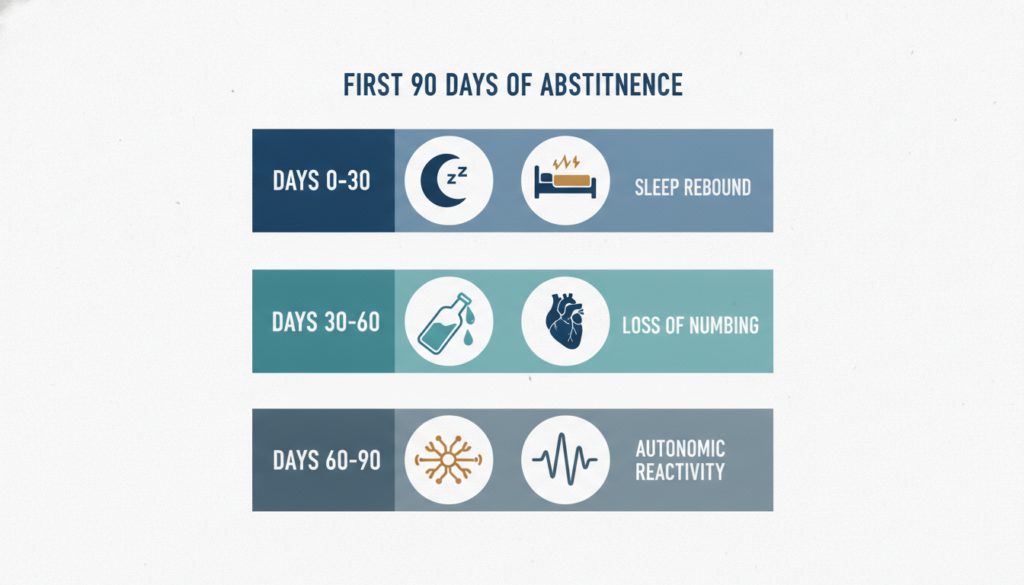
Sleep disturbance is prevalent at treatment entry and often persists, relates to craving, and may contribute to relapse. Extended-release naltrexone may be associated with lower persistent insomnia than buprenorphine in some trials.

Sleep-disordered breathing is common in methadone-maintained patients. Preclinical work suggests sleep-targeted approaches such as orexin antagonists could mitigate relapse risk, though human translational studies are needed.

Why Medication Treatment Saves Lives?

To reduce harm and improve retention, clinicians should avoid detox-only pathways, leverage microinduction and flexible dosing, including high-dose strategies when indicated and monitored, and identify and treat persistent sleep disturbance as part of post-acute care.

This approach better reflects the high-potency, adulterated opioid supply characterizing the current landscape and aligns with the strongest and most recent evidence from emergency, inpatient, and primary care settings.

The question is not merely how long withdrawal lasts but how to help patients get through it safely and stay well afterward. The data recommend long-term opioid agonist therapy, flexible initiation, and sleep-targeted aftercare as core elements.

Detox without transition to maintenance medication is a preventable pathway to death in the fentanyl era. Systems that fail to adapt are taking unacceptable risks with patients’ lives.

If you or someone you care about is facing painkiller withdrawal, compassionate, evidence-based support can make all the difference. Reach out to explore Thoroughbred Wellness and Recovery’s medication treatment options that prioritize safety, dignity, and lasting recovery.

Oxycodone Withdrawal: Symptoms, Detox Timeline & Risks

Stopping oxycodone after regular use can trigger a cascade of uncomfortable physical and psychological symptoms that many people find overwhelming.

Acute withdrawal from immediate-release oxycodone typically begins within 8–24 hours of the last dose, peaks around days 2–3, and resolves within 7–10 days, though extended-release formulations delay onset to 12–48 hours and can prolong symptoms to 10–20 days.

This article explains what to expect during oxycodone withdrawal, how long detox takes, which factors influence severity, and why evidence-based medical support, especially medications for opioid use disorder, dramatically improves safety and outcomes compared to detox alone.

What is Oxycodone Withdrawal?

Oxycodone is a semisynthetic opioid that binds strongly to μ-opioid receptors in the brain and body. When you take oxycodone regularly for more than a few days, your nervous system adapts to its presence.

Physical dependence can develop quickly, and when the drug is reduced or stopped, your body reacts with withdrawal symptoms that reflect the sudden absence of opioid activity at those receptors.

Withdrawal is not the same as addiction, though the two often overlap. Anyone who has taken oxycodone consistently, whether for legitimate pain management or misuse, can experience withdrawal when stopping.

The severity and duration depend on dose, formulation, length of use, and individual factors like metabolism and co-occurring conditions.

Common Oxycodone Withdrawal Symptoms

Oxycodone withdrawal produces a predictable cluster of autonomic, gastrointestinal, and neuropsychiatric symptoms.

While rarely life-threatening in otherwise healthy adults, the discomfort can be intense enough to derail recovery efforts without proper support.

Physical Symptoms

  • Sweating and chills
  • Rapid heartbeat and elevated blood pressure
  • Dilated pupils
  • Runny nose and watery eyes
  • Muscle aches and joint pain
  • Abdominal cramping
  • Nausea, vomiting, and diarrhea
  • Restlessness and tremors

Psychological Symptoms

  • Anxiety and irritability
  • Insomnia and sleep disturbance
  • Dysphoria and low mood
  • Difficulty concentrating
  • Intense cravings for opioids

Clinicians often use the Clinical Opiate Withdrawal Scale (COWS) to quantify severity and guide treatment decisions.

Higher COWS scores indicate more severe withdrawal and typically warrant more intensive medical management.

How Long Does Oxycodone Detox Take?

The timeline for oxycodone withdrawal varies by formulation, dose, duration of use, and individual metabolism. Understanding these differences helps set realistic expectations and plan appropriate support.

Immediate-Release Oxycodone Timeline

For short-acting oxycodone products, withdrawal follows a relatively rapid course:

  • Hours 8–24: Early symptoms emerge, yawning, watery eyes, runny nose, anxiety, restlessness, mild gastrointestinal discomfort, and early insomnia.
  • Days 2–3: Peak severity, muscle aches, abdominal cramping, nausea, vomiting, diarrhea, rapid heartbeat, sweating, chills, significant insomnia, and heightened anxiety.
  • Days 4–7: Physical symptoms gradually fade, though sleep remains poor and mood symptoms like dysphoria and anhedonia persist.
  • Days 7–10: Most acute physical symptoms resolve, but psychological symptoms and cravings can linger.

Extended-Release Oxycodone Timeline

Extended-release formulations like OxyContin have longer half-lives and delayed withdrawal onset:

  • Hours 12–48 (up to 72): Onset is delayed compared to immediate-release; prodromal symptoms slowly emerge.
  • Days 3–4: Peak withdrawal intensity, often with prolonged gastrointestinal and autonomic symptoms.
  • Days 5–14 (sometimes up to 20): Physical symptoms fade slowly; insomnia, anxiety, dysphoria, and cravings may intensify after the first week.

Protracted Withdrawal

After acute symptoms resolve, many people experience protracted or post-acute withdrawal syndrome (PAWS) for weeks to months.

Common features include persistent insomnia, mood instability, difficulty experiencing pleasure, heightened stress sensitivity, and ongoing cravings. Sleep disturbance is especially problematic because it drives craving and relapse risk.

Factors That Influence Withdrawal Severity and Duration

Not everyone experiences oxycodone withdrawal the same way. Several factors determine how intense and prolonged your symptoms will be:

  • Dose and duration: Higher daily doses and longer exposure increase symptom burden.
  • Formulation: Extended-release products delay onset and extend the acute phase.
  • Co-occurring sedative use: Benzodiazepines and other sedatives complicate withdrawal and raise overdose risk if re-use occurs.
  • Fentanyl exposure: Illicitly manufactured fentanyls are now common in counterfeit “oxycodone” pills. Fentanyl’s high potency and lipophilicity prolong clearance and increase the risk of severe withdrawal when transitioning to medications like buprenorphine.
  • Medical comorbidities: Frail patients or those with cardiovascular, hepatic, or renal impairment may experience more severe physiologic stress during withdrawal.

Risks and Complications of Oxycodone Withdrawal

While opioid withdrawal itself is rarely fatal in healthy adults, complications can be serious, especially in vulnerable populations and institutional settings.

Medical Complications

Severe vomiting and diarrhea can lead to dehydration, electrolyte imbalances, and hemodynamic instability in frail or medically complex patients. Withdrawal also acts as a physiologic stressor that can destabilize underlying conditions.

Psychological and Relapse Risks

Untreated withdrawal drives intense cravings and relapse. Because tolerance drops during abstinence, returning to previous opioid doses, especially with fentanyl-contaminated supplies, carries high overdose risk. Sleep disturbance during and after withdrawal is a powerful predictor of relapse.

Institutional Risks: Hospitals and Jails

A thematic analysis of UK coroner reports found that opioid-related deaths during hospitalization or within 14 days of discharge often involved undertreated withdrawal and pain, zero-tolerance drug policies that pushed concealed use into unsafe spaces, and discharge to unstable settings.

Similar patterns occur in jails, where failure to treat withdrawal promptly can result in serious harm or death, and mortality risk spikes in the first two weeks after release.

Evidence-Based Management of Oxycodone Withdrawal

Safe, effective withdrawal management prioritizes individualized care, symptom relief, and transition to long-term treatment rather than detox as an endpoint.

Slow, Individualized Tapering

For patients on prescribed oxycodone for chronic pain, the CDC recommends slow tapers, starting around 10% of the original dose per week, or 10% per month for long-term therapy, with frequent reassessment and flexibility to pause or slow the taper if withdrawal symptoms impair function. Abrupt discontinuation is discouraged because it increases harm without benefit.

Symptomatic Support

Non-opioid medications can ease specific withdrawal symptoms:

  • Alpha-2 agonists (clonidine or FDA-approved lofexidine) reduce autonomic hyperactivity like sweating, rapid heartbeat, and anxiety.
  • Antiemetics and antidiarrheals manage gastrointestinal symptoms.
  • NSAIDs and acetaminophen address muscle aches and pain.
  • Sleep hygiene and behavioral interventions target insomnia, though severe cases may warrant careful pharmacologic support.

Medications for Opioid Use Disorder (MOUD)

For patients with opioid use disorder, buprenorphine or methadone is first-line care. These medications improve retention, reduce illicit opioid use, and lower overdose risk compared to detox alone.

Buprenorphine is typically started when objective withdrawal is present (COWS ≥ 8–13) to avoid precipitated withdrawal due to its high receptor affinity.

In the fentanyl era, standard buprenorphine induction can trigger severe precipitated withdrawal because residual fentanyl occupies receptors despite outward signs of withdrawal. 

Low-dose buprenorphine initiation (microinduction) offers a safer alternative: microgram-to-low-milligram doses are introduced while continuing full-agonist opioids, then the full agonist is discontinued after sufficient partial-agonist coverage develops, often within 5–7 days.

Multicenter case series show this approach successfully transitions hospitalized patients on IV hydromorphone, oral oxycodone, or extended-release morphine to depot buprenorphine with minimal precipitated withdrawal.

Harm Reduction and Overdose Prevention

Every withdrawal management plan should include naloxone distribution, overdose education, and linkage to community supports. Given the prevalence of fentanyl in counterfeit pills, presuming fentanyl exposure and adjusting protocols accordingly is prudent.

Oxycodone Withdrawal in Atlanta and Georgia

Georgia has experienced a 302% increase in opioid-involved overdose deaths from 2010 to 2022, driven largely by fentanyl. Fentanyl-involved deaths rose 308% from 2019 to 2022, underscoring the urgency of fentanyl-adapted withdrawal management and MOUD access.

Fulton County has appointed an Opioid Coordinator and collaborates with Grady Behavioral Health to provide MOUD at multiple sites.

County initiatives include drug disposal campaigns, school-based crisis text lines, and coordination of opioid abatement settlement funds. Public messaging recognizes that buprenorphine and methadone reduce mortality by up to 50%, a critical fact for discharge and re-entry planning.

For Atlanta-area residents, expanding hospital-to-community MOUD pathways, scaling naloxone distribution, and modernizing opioid treatment program (OTP) protocols to preserve methadone take-home flexibility are essential steps to reduce withdrawal-related harms and overdose deaths.

Practical Pathways for Safe Oxycodone Detox

Outpatient Taper Example

  • Week 0: Establish goals, non-opioid analgesia plan, behavioral supports, sleep hygiene; prescribe naloxone; review benzodiazepine status.
  • Weeks 1–4: Reduce total daily oxycodone by ~10% per week; adjust more slowly if symptoms impede function.
  • Weeks 5–8+: Continue 10% decrements; when at very low doses, extend dosing intervals; stop when dosing is less than daily.
  • At any point: Offer transition to MOUD if pain control, function, or withdrawal burden is problematic.

Inpatient Microinduction Pathway

  • Day 0–1: Continue current full-agonist regimen for pain; initiate microdoses of buprenorphine per hospital protocol.
  • Day 2–5: Gradually increase buprenorphine while maintaining full-agonist dosing; monitor COWS twice daily.
  • Day 5–7: Achieve therapeutic buprenorphine dose; discontinue full agonists or administer depot buprenorphine with post-dose monitoring.
  • Discharge: Provide follow-up MOUD appointment within 3–7 days; reconcile analgesia; ensure naloxone and harm-reduction supplies.

Why Detox Alone is Not Enough?

Focusing solely on “how long detox takes” risks trivializing the real determinants of success. Withdrawal timelines matter, but outcomes improve most when care aligns with neurobiology: using MOUD to stabilize physiology, tapering slowly and flexibly for chronic pain patients, addressing sleep explicitly to reduce craving and relapse, and embedding relapse-prevention skills like mindfulness-based approaches.

Detox done well is less about counting days and more about compassionate, evidence-based care that supports long-term recovery.

When to Seek Professional Help?

You should seek professional support for oxycodone withdrawal if you:

  • Have been using oxycodone regularly for more than a few days
  • Experience severe withdrawal symptoms that interfere with daily function
  • Have co-occurring medical or psychiatric conditions
  • Have a history of relapse after previous detox attempts
  • Are using other substances, especially benzodiazepines or alcohol
  • Suspect fentanyl exposure in your opioid supply

Medical supervision improves safety, comfort, and the likelihood of successful transition to long-term treatment.

Conclusion

Oxycodone withdrawal follows a predictable timeline, typically 7–10 days for immediate-release formulations and 10–20 days for extended-release products, but individual experiences vary widely based on dose, duration, formulation, co-occurring conditions, and fentanyl exposure.

While acute physical symptoms resolve within days to weeks, protracted psychological symptoms and sleep disturbance can persist for months and drive relapse risk.

The evidence is clear: slow, individualized tapers minimize withdrawal severity; medications for opioid use disorder improve retention and reduce overdose risk far better than detox alone; and fentanyl-era realities demand adapted protocols like microinduction to safely transition patients to buprenorphine.

Hospital and jail systems that treat withdrawal proactively, provide MOUD, and avoid punitive policies save lives.

If you or someone you care about is facing oxycodone withdrawal, compassionate, evidence-based support is available.

Reach out to Thoroughbred’s addiction counseling professionals who can guide you through safe detox and into lasting recovery.

DBT Therapy Cost: How Much Does DBT Therapy Cost?

If you’re considering Dialectical Behavior Therapy, you’re probably wondering what it will cost.

DBT therapy typically ranges from $75 to $170 per individual session and $60 to $100 per group skills class, with comprehensive programs often running $185 to $300 per week depending on your location and provider credentials.

This article breaks down the real costs you can expect, explains what drives DBT pricing higher or lower, and shows you how insurance and payment options can make this evidence‑based treatment more accessible.

What Makes DBT Different From Regular Therapy?

Dialectical Behavior Therapy is not a single weekly appointment. Comprehensive DBT combines four distinct components: weekly individual therapy sessions lasting 50 to 60 minutes, weekly skills training groups that run 2 to 2.5 hours, between‑session phone coaching to help you apply skills in real time, and a provider consultation team that keeps your therapist supported and on track.

This integrated structure is what sets DBT apart from standard outpatient counseling and directly influences the total cost.

The skills training groups teach mindfulness, distress tolerance, emotion regulation, and interpersonal effectiveness over roughly 24 weeks, with many people completing two full cycles for a total of about one year. Because you’re receiving multiple hours of clinical contact each week plus access to coaching between sessions, the time commitment and cost exposure are higher than traditional once‑weekly psychotherapy.

How Much Individual DBT Sessions Cost?

Individual DBT therapy sessions in the United States commonly cost between $75 and $170 per hour when paying out of pocket. In high‑cost metropolitan areas like New York or Los Angeles, rates can climb to $200 or more per session, especially when working with doctoral‑level clinicians or certified DBT specialists.

When you use insurance, your out‑of‑pocket cost typically falls between $20 and $40 per session as a copay or coinsurance amount, depending on your plan’s benefit design. Medicare beneficiaries generally pay 20 percent of the Medicare‑approved amount after meeting their Part B deductible, which translates to roughly $30 per 60‑minute session in many localities.

Commercial insurance plans reimburse individual psychotherapy using standard CPT codes 90834 for 45‑minute sessions and 90837 for 60‑minute sessions.

National average allowed amounts for 90837 hover around $154, though actual rates vary widely by payer, state, and provider credentials. Telehealth sessions are now reimbursed at the same rate as in‑person visits by most insurers, expanding access without changing your cost share.

DBT Skills Group Pricing

DBT skills training groups are typically priced at $60 to $100 per session, with each session lasting 2 to 2.5 hours. Because group therapy spreads clinician time across multiple participants, the per‑client cost is lower than individual sessions even though two co‑leaders often facilitate the class.

Real‑world examples illustrate this range. HRC Behavioral Health in North Carolina charges $60 per session for virtual DBT skills classes on a self‑pay basis. Verdant Hope in Arizona bundles six‑week skills modules at $300 total, which works out to $50 per week.

Some programs in major metros charge closer to $100 per group session, reflecting higher overhead and dual‑facilitator staffing.

With insurance, group therapy copays often mirror individual session copays, typically $20 to $40 per session. However, coverage for group psychotherapy can vary by plan, so it’s important to verify that your insurer reimburses CPT code 90853 for group therapy and whether telehealth delivery is covered under the same terms.

Comprehensive DBT Program Costs

Many DBT programs bundle all four components into a weekly package that includes individual therapy, skills group, phone coaching access, and the provider consultation team.

These bundled programs commonly price at $185 to $220 per week, with some reaching $300 per week in high‑cost markets or when delivered by highly credentialed teams.

Bundled pricing helps cover the non‑billable elements of DBT that are clinically essential but not always reimbursed by insurance under standard outpatient codes. Phone coaching, for example, provides real‑time support when you’re facing a crisis or trying to apply a skill in the moment, but many insurers do not pay separately for between‑session contact.

The weekly consultation team meeting that keeps your therapist adherent to the DBT model is another program cost that is rarely billable to patients or payers.

Over six months, a bundled comprehensive DBT program can total roughly $4,500 to $6,500 at the lower end of the pricing spectrum and $7,000 to $14,000 at the higher end. A full year of treatment may range from $9,000 to $15,000 in community settings and climb toward $20,000 or more in premium private programs.

What Drives DBT Costs Higher or Lower?

Program Intensity and Staffing

The most significant cost driver is the multi‑modal structure itself. You’re receiving approximately 3.5 hours of clinical contact each week when you add individual therapy, group skills training, and periodic phone coaching.

Over six months, that totals roughly 91 hours of direct service, far exceeding the 26 hours you would accumulate in standard weekly therapy.

DBT skills groups are commonly led by two clinicians, which doubles the staffing cost compared to single‑leader groups. Louisiana Medicaid’s DBT billing guidance explicitly expects two co‑leaders for 120 to 150‑minute sessions and reimburses $177.68 per client per week for group skills training to support that model.

Programs must maintain adequate group enrollment to balance the cost of dual facilitators, which can be challenging in smaller markets.

Non‑Billable Components

Phone coaching and the provider consultation team are core to DBT fidelity but are often not separately reimbursed under traditional fee‑for‑service insurance. Programs either absorb these costs, risking financial strain and reduced capacity, or shift them to self‑pay bundles and enhanced program fees.

Some state Medicaid programs have addressed this gap by creating DBT‑specific enhanced rates that explicitly fund non‑visit time, improving program sustainability and fidelity.

Clinician Credentials and Certification

Provider credentials influence both reimbursement rates and self‑pay pricing. Psychologists and psychiatrists typically command higher fees than master’s‑level clinicians, and Medicare and commercial payers often pay differentially by license type.

DBT‑Linehan Board of Certification is the recognized independent credentialing body for DBT clinicians and programs, and certification fees total roughly $870 for individual clinicians across application, exam, and work product, plus $95 annually for maintenance.

While not required by most payers, certification signals quality and adherence to the evidence base, and some programs price certified providers at a premium.

Geographic and Market Factors

Location matters. Urban centers with higher wages and real estate costs tend to have higher DBT fees. Telehealth has expanded access across state lines where licensing allows, potentially giving you access to programs outside your immediate metro area at varying price points.

Rural and underserved areas may have fewer DBT providers, limiting competition and sometimes driving prices up or requiring longer waitlists for lower‑cost community programs.

Insurance Coverage and Reimbursement

Most insurance plans cover DBT under general outpatient mental health benefits rather than issuing a separate DBT‑specific policy. Clinicians bill standard psychotherapy codes—90834 or 90837 for individual sessions and 90853 for group therapy, and your plan adjudicates them like any other outpatient counseling.

Medicare covers psychotherapy in all settings and pays for telehealth at the same rate as in‑person visits, with beneficiaries owing 20 percent coinsurance after the Part B deductible. Commercial plans have largely aligned telehealth reimbursement with in‑person rates for behavioral health, though you should confirm your plan’s telehealth policies and any required modifiers or place‑of‑service codes.

A notable exception is Louisiana Medicaid, which uses DBT‑specific HCPCS codes H2021 for individual DBT and H2021‑HQ for group DBT, with explicit weekly rates of $200 per 60‑minute individual session and $177.68 per client for group skills training.

This approach directly funds the four‑modality model, including phone coaching and consultation team time, and represents a reimbursement design aligned with program fidelity.

When seeking coverage, verify whether your plan covers individual therapy, group therapy, and telehealth delivery. Ask about copays, coinsurance, deductibles, and any session limits.

If your insurer does not have in‑network DBT providers in your area, you may be able to request a single‑case agreement or out‑of‑network reimbursement, especially if you can document medical necessity and network inadequacy.

Skills‑Only Classes vs Comprehensive DBT

Many community programs offer standalone DBT skills classes that teach the four skill modules without the full individual therapy, phone coaching, and consultation team structure.

These classes are more affordable, often priced at $60 per session or bundled into four‑week workshops for around $250, and can be a practical entry point for people who want to learn DBT strategies without committing to the full program.

However, skills‑only formats are not equivalent to comprehensive DBT for high‑risk populations. A head‑to‑head trial comparing standard DBT, DBT skills training plus case management, and DBT individual therapy plus activities group found that the composition of treatment matters for outcomes.

For individuals with borderline personality disorder, chronic suicidality, or severe emotion dysregulation, the integrated model delivers the strongest evidence base.

Skills classes work well as adjuncts or for lower‑acuity needs, and many programs require participants to maintain an individual therapist elsewhere.

If you’re considering a skills‑only option to save money, discuss with a clinician whether it matches your clinical needs or whether comprehensive DBT is indicated.

Cost‑Effectiveness and Long‑Term Value

DBT is more expensive up front than routine outpatient therapy, but research consistently shows it can be cost‑effective or even cost‑saving over time.

2019 economic evaluation found DBT more expensive and more effective than treatment as usual in the short term, yet with a low incremental cost‑effectiveness ratio and a greater than 50 percent probability of being cost‑effective across scenarios.

The largest cost offsets come from reduced hospitalizations and emergency room visits. A 2024 trial in autistic adults with suicidal behaviors found a 64 percent likelihood that DBT was dominant, delivering more quality‑adjusted life years at lower total cost, from a healthcare perspective, with reduced hospital admissions driving the savings.

Adolescent DBT studies show higher outpatient costs offset by reductions in inpatient and ER use, resulting in cost neutrality or net savings at the system level within 12 months.

Behavioral Tech Institute’s synthesis reports that standard outpatient DBT reduces healthcare costs by nearly $20,000 per person compared to prior treatment, with most savings from decreased inpatient use.

For payers and families, this means the higher weekly therapy bill can be offset by avoiding a single hospitalization, making DBT economically rational when delivered with fidelity to high‑risk populations.

Practical Strategies to Reduce Out‑of‑Pocket Costs

  • Verify insurance coverage early. Call your insurer to confirm coverage for individual psychotherapy (CPT 90834/90837), group therapy (CPT 90853), and telehealth delivery. Ask about copays, coinsurance, deductibles, and any session limits or prior authorization requirements.
  • Prioritize group skills training. Because group therapy spreads clinician time across participants, the cost per therapeutic hour is lower than individual sessions. For some people, starting with a skills group while maintaining a separate individual therapist can be a more affordable path.
  • Explore sliding‑scale and training programs. University training clinics and community mental health centers often offer DBT at reduced rates, with services delivered by supervised trainees. These programs can cut costs by 50 to 80 percent compared to private practices.
  • Ask about bundled pricing and upfront discounts. Some programs offer discounts if you pay for six or twelve months in advance. Confirm refund policies before committing to a long‑term payment.
  • Use out‑of‑network benefits and single‑case agreements. If your plan lacks in‑network DBT providers, request out‑of‑network reimbursement or a single‑case agreement. Document medical necessity and network inadequacy to strengthen your request.
  • Leverage telehealth to expand options. Telehealth allows you to access DBT programs outside your immediate area, potentially at different price points. Verify that your insurer covers telehealth for psychotherapy and that the provider is licensed in your state.

Why Does This Matter?

Understanding DBT’s cost structure helps you make informed decisions about treatment. The higher weekly price reflects a more intensive, multi‑component model designed for people with complex needs, chronic suicidality, self‑harm, severe emotion dysregulation, and co‑occurring disorders.

When delivered with fidelity, DBT not only improves symptoms but also reduces the costly crises that drive emergency and inpatient use.

For payers and programs, aligning reimbursement with fidelity, through enhanced rates, bundled payments, or value‑based contracts, supports sustainable access to a treatment that delivers measurable outcomes and system‑level savings.

For individuals and families, knowing the typical price ranges, insurance mechanics, and cost‑reduction strategies empowers you to pursue the care you need without unnecessary financial strain.

If you or someone you care about is struggling with emotion dysregulation, self‑harm, or co‑occurring mental health and substance use challenges, comprehensive treatment that addresses both dimensions can make all the difference.

So, reach out to Thoroughbred Wellness and Recovery today to explore dual diagnosis treatment options that integrate evidence‑based therapies like DBT with personalized, compassionate support.

Cognitive Behavioral Therapy Cost: How Much Does CBT Therapy Cost?

Many people delay mental health care because they worry about the bill.

If you are considering cognitive behavioral therapy, you can expect to pay anywhere from $100 to $300 per session without insurance, though sliding-scale clinics and nonprofit networks offer sessions as low as $40.

This article breaks down what drives CBT therapy cost, what your insurance will likely cover, and how to find affordable care that fits your budget.

What is the Average Cost of CBT Therapy?

The cost of cognitive behavioral therapy varies widely by location, provider credentials, and whether you use insurance.

In major metropolitan areas like New York City, Los Angeles, and San Francisco, private practice therapists commonly charge $200 to $350 per hour for individual CBT sessions. Smaller cities and interior markets typically see rates between $120 and $180 per session.

A specialty CBT practice in St. Louis, for example, charges $205 for a 45-minute session, $255 for 60 minutes, and $305 for 75 minutes.

Meanwhile, a Beverly Hills psychologist lists individual sessions at $100 with a sliding scale, and a Los Angeles CBT for Insomnia specialist charges $280 for an initial 60-minute session with prorated follow-ups around $140.

These posted prices reflect the cash-pay market. Your actual out-of-pocket cost will depend on your insurance plan design, whether your therapist is in-network, and which billing code your session uses.

How Insurance Affects CBT Therapy Cost?

In-Network Coverage and Copays

If you have employer-sponsored health insurance and see an in-network therapist, your plan’s negotiated rate will be lower than the posted cash price. Most HMO, PPO, and POS plans charge a flat copay for behavioral health office visits, typically $25 to $50 per session.

Many of these plans cover mental health office visits before you meet your deductible, making each session predictable and affordable.

For example, an Aetna Silver HMO plan covers certain office visits before the deductible, and a Keystone HMO Silver plan explicitly states that primary and specialist office visits are covered pre-deductible.

If your plan follows this structure, you will pay only your copay for each CBT session, regardless of how many visits you need.

High-Deductible Health Plans and Coinsurance

High-deductible health plans (HDHPs) work differently. In 2025, 29% of covered workers were enrolled in HSA-qualified HDHPs, and these plans typically require you to pay the full negotiated rate until you meet your deductible. After that, you pay coinsurance, often 20% to 40% of the allowed amount.

If your plan’s in-network allowed amount for a 45-minute psychotherapy session is $140, you would pay $140 per session until your deductible is met, then $28 per session (at 20% coinsurance) for the rest of the year.

For a short course of CBT, this can add up quickly. However, new federal guidance under the One, Big, Beautiful Bill Act made permanent a safe harbor allowing HDHPs to cover telehealth pre-deductible without jeopardizing HSA eligibility.

If your plan adopts this safe harbor, you may pay only a copay for tele-mental health sessions, even before meeting your deductible.

Out-of-Network Reimbursement

Seeing an out-of-network therapist means you will likely pay the full session fee upfront and submit a claim for partial reimbursement.

Plans calculate out-of-network payments as the lesser of the provider’s billed charge or the plan’s usual, customary, and reasonable (UCR) amount.

Transparency data from a large employer plan showed out-of-network allowed amounts for 45-minute psychotherapy ranging from $350 to $460 in high-cost markets, even when providers billed higher amounts.

Most plans cover few out-of-network services, and the No Surprises Act has reduced the value of relying on out-of-network care for many services.

Out-of-network CBT can make financial sense if your employer plan has generous UCR rates, manageable out-of-network deductibles, and your provider sets charges at or below UCR. For most people, however, in-network care or sliding-scale options will be more affordable.

Low-Cost and Sliding-Scale CBT Options

Open Path Psychotherapy Collective

Open Path is a nonprofit network that connects clients with licensed therapists at reduced rates. After a one-time $65 membership fee, sessions cost $40 to $70 for individuals, and supervised student-intern sessions are available for $30.

Open Path is intended for people who are uninsured, underinsured, or facing financial hardship. If you can afford to use insurance, the network asks that you do so.

Community Clinics and Sliding-Fee Scales

Many community mental health centers offer sliding-fee schedules based on household income. A community clinic in 2024 published a sliding scale for psychotherapy with usual and customary rates of $203 for a 45-minute session and $299 for 60 minutes.

Patients in lower income tiers paid as little as $20 to $30 per session, making CBT accessible even without insurance.

Online Therapy Platforms

Subscription-based platforms bundle messaging and live video sessions into monthly plans charging $260 to $436 per month depending on the plan.

What Determines the Cost of a CBT Session?

Session Length and Billing Codes

Therapists bill psychotherapy using Current Procedural Terminology (CPT) codes based on session length. The most common codes are:

  • 90834: 45-minute session (38 to 52 minutes documented time)
  • 90837: 60-minute session (53+ minutes)
  • 90832: 30-minute session (16 to 37 minutes)

Longer sessions reimburse at higher rates. Medicare’s national nonfacility payment for 90837 is estimated at $167 in 2026, compared to $114 for 90834.

Private insurers typically pay more than Medicare, but the relative difference between codes remains. If your therapist extends sessions past 53 minutes, you may see higher charges or copays.

Group CBT and Lower Per-Patient Costs

Group cognitive behavioral therapy uses CPT code 90853 and delivers psychoeducation and skills training to multiple participants at once.

Medicare pays approximately $30 per patient for group therapy in 2026, far less than individual psychotherapy. Private plans scale from this baseline, making group CBT one of the most cost-effective modalities when clinically appropriate.

Group sessions typically run 45 to 60 minutes with six to ten participants. If your condition is well-suited to group work, such as anxiety disorders, panic, or depression, group CBT can deliver strong outcomes at a fraction of the cost of individual therapy.

Geographic Variation

Location drives significant price differences. Therapists in New York City, San Francisco, and Los Angeles routinely charge $200 to $350 per session to cover higher rent, wages, and operating costs.

In contrast, practices in Colorado Springs, Madison, and other interior markets post rates around $120 to $165 per session.

A statewide California directory snapshot showed an average posted price of $175, illustrating the wide range even within one state.

Provider Credentials and Specialization

Psychiatrists, psychologists, and licensed clinical social workers all deliver CBT effectively, but fee schedules often differ by credential.

Psychiatrists typically command higher rates than psychologists, who in turn charge more than LCSWs or licensed professional counselors. Specialty training in protocols like CBT for Insomnia or trauma-focused CBT may also justify premium pricing.

Cost-Effectiveness of Different CBT Formats

Guided Internet-Delivered CBT

Guided internet-delivered cognitive behavioral therapy (iCBT) combines self-paced online modules with therapist feedback via messaging or brief video check-ins.

A comprehensive health technology assessment in Ontario found that guided iCBT had an incremental cost-effectiveness ratio of approximately $31,575 per quality-adjusted life year for major depression, well within common willingness-to-pay thresholds.

In the same analysis, individual in-person CBT was dominated by guided iCBT in the base case, meaning it cost more and delivered fewer benefits over a 12-month horizon.

For anxiety disorders, guided iCBT showed an ICER around $43,250 per QALY, again more favorable than group or individual CBT in short-term models.

Real-world implementation studies confirm that guided iCBT maintains strong outcomes in routine care when programs invest in training and infrastructure.

Group CBT

Group therapy can be highly cost-effective for appropriate diagnoses, but economic models often show it is less favorable than guided iCBT within a 12-month horizon unless delivery costs are very low.

The Ontario HTA found group CBT had ICERs exceeding $65,000 per QALY in some scenarios. However, group CBT remains a valuable option when digital interventions are not suitable or when group process itself is therapeutic.

Individual In-Person CBT

Traditional individual CBT is the most expensive modality per patient hour. While it delivers strong outcomes, especially for complex cases, economic models suggest that starting with lower-intensity options like guided iCBT or group CBT and stepping up to individual therapy for nonresponders can maximize value.

This stepped-care approach reduces total costs while preserving or improving population-level outcomes.

How to Estimate Your CBT Therapy Cost?

Use Your Insurer’s Cost Estimator

Many health plans now offer online tools that show in-network negotiated rates for psychotherapy codes. These tools are often powered by Transparency in Coverage machine-readable files, which insurers must publish under federal rules.

Before scheduling, search for CPT codes 90834 or 90837 in your ZIP code to see what your plan pays and what your copay or coinsurance will be.

Check Your Summary of Benefits and Coverage

Your plan’s Summary of Benefits and Coverage (SBC) document explains whether office visits are covered before the deductible and whether you pay a copay or coinsurance.

Look for the section titled “Are there services covered before you meet your deductible?” Many HMOs and PPOs cover behavioral health office visits pre-deductible, which can save you hundreds of dollars if you need ongoing CBT.

Be careful not to confuse separate deductibles for prescription drugs or pediatric dental with the medical deductible that governs outpatient psychotherapy. These are distinct line items in your SBC.

Ask About Telehealth Coverage in HDHPs

If you have a high-deductible health plan with a health savings account, confirm whether your plan covers tele-mental health pre-deductible under the permanent safe harbor.

If yes, you may pay only a copay for video or phone CBT sessions, even early in the year before your deductible is met. This can make a significant difference in affordability.

Compare Cash-Pay and Sliding-Scale Options

If your copay exceeds $70 or you face a high deductible, compare your insurance cost to Open Path’s $40 to $70 sessions or local sliding-fee clinics. For a short course of CBT, paying out of pocket through a nonprofit network may be less expensive than using insurance.

What a Full Course of CBT Costs Under Different Scenarios?

A typical acute course of CBT runs 10 to 12 sessions over 12 weeks. CBT for Insomnia is shorter, often four to six sessions. Here are illustrative total costs under common coverage pathways:

  • In-network copay plan ($35 copay, office visits covered pre-deductible): 10 sessions × $35 = $350
  • HDHP without telehealth safe harbor (allowed amount $140, deductible not met): 10 sessions × $140 = $1,400
  • HDHP with telehealth safe harbor ($40 copay for tele-CBT pre-deductible): 10 sessions × $40 = $400
  • Out-of-network (UCR $350, $1,000 OON deductible, 30% coinsurance): Approximately $1,050 to meet deductible plus 30% of remaining sessions, total around $1,995 for 12 sessions
  • Open Path ($55 per session, $65 membership): $65 + (10 × $55) = $615
  • BetterHelp cash-pay ($300/month for 3 months): $900

These examples show that plan design and modality choice have a larger impact on total cost than the posted session price alone.

The most affordable pathways for most people are in-network copay plans or legitimate sliding-scale networks.

Macro Trends Affecting CBT Therapy Cost

Rising Employer Premiums and Cost Sharing

Employer-sponsored family premiums rose 7% to $25,572 in 2024, following a 7% increase in 2023. This sustained premium growth pressures employers to shift more costs to employees through higher deductibles and coinsurance.

Even as medical care services inflation runs around 3.2% to 3.3% year-over-year, outpacing overall CPI, the combination of premium increases and benefit design changes raises out-of-pocket exposure for many patients.

Telehealth Policy Stability

Medicare has permanently allowed the patient’s home as an originating site for tele-mental health, removing historical rural and facility location limits. The 2026 Medicare Physician Fee Schedule simplifies telehealth service review, supporting continued coverage of psychotherapy by video and phone.

For commercial plans, the permanent HDHP telehealth safe harbor ensures that tele-mental health can be covered pre-deductible without jeopardizing HSA eligibility, smoothing early-year cost barriers.

Mental Health Parity and Network Adequacy

New Mental Health Parity and Addiction Equity Act rules finalized in 2024 emphasize nonquantitative treatment limitations, including provider reimbursement rates and network adequacy.

Over time, parity scrutiny should improve in-network access to CBT and reduce reliance on out-of-network care. Price transparency files also enable employers and patients to benchmark contracted rates and negotiate better terms.

Why Does It Matter?

Understanding CBT therapy cost empowers you to make informed decisions about your mental health care. Whether you pay $40 through a nonprofit network, $165 at a community clinic, or $350 in a major metro private practice, knowing your options and how insurance works can save you hundreds or thousands of dollars over a course of treatment.

The evidence shows that guided internet-delivered CBT and group therapy deliver strong outcomes at lower costs than traditional individual sessions, making stepped-care models a smart choice for many people.

If you are struggling with anxiety, depression, or trauma and cost is holding you back, explore in-network telehealth benefits, sliding-fee clinics, and nonprofit access programs. Effective, affordable CBT is within reach when you know where to look.

If you or a loved one needs support for co-occurring mental health and substance use challenges, Thoroughbred’s dual diagnosis treatment can provide integrated care that addresses both conditions together. Reach out today to learn how personalized, evidence-based therapy can help you find lasting freedom.

Mirtazapine and Buspirone: Can You Take Them Together?

Many people with depression and anxiety wonder if combining mirtazapine and buspirone is safe.

The FDA warns that mirtazapine can cause serotonin syndrome when taken with other serotonergic drugs, including buspirone, though serious reactions remain rare with careful monitoring.

This article explains the risks, when doctors prescribe both medications together, and how to stay safe if you’re considering this combination.

Understanding Mirtazapine and Buspirone

Mirtazapine is an antidepressant that works differently from common SSRIs. It blocks certain brain receptors to increase norepinephrine and serotonin while also blocking histamine receptors, which often causes sedation and increased appetite.

Doctors typically prescribe it for major depression, especially when patients struggle with insomnia or weight loss.

Buspirone is an anti-anxiety medication that acts as a partial agonist at serotonin 5-HT1A receptors.

Unlike benzodiazepines, it doesn’t cause sedation or carry addiction risk. Doctors use it for generalized anxiety disorder and sometimes add it to antidepressants when anxiety symptoms persist.

Both medications affect serotonin pathways in the brain, which raises questions about safety when used together.

What the FDA Says About This Combination?

The official FDA labeling for mirtazapine explicitly lists buspirone among medications that can increase the risk of serotonin syndrome.

This warning appears in the prescribing information for mirtazapine tablets, directing doctors to educate patients about symptoms and monitor closely during treatment initiation and dose changes.

The Mayo Clinic takes a conservative stance, advising patients not to use mirtazapine concurrently with buspirone due to serotonin syndrome risk. This reflects the medical community’s caution about combining serotonergic medications.

However, regulatory warnings don’t mean the combination is absolutely prohibited. They signal that doctors must weigh risks and benefits carefully, use lower doses, and monitor patients closely if they choose to prescribe both medications.

Serotonin Syndrome: What You Need to Know?

Serotonin syndrome is a potentially serious condition caused by too much serotonin activity in the brain.

Symptoms include agitation, confusion, rapid heart rate, high blood pressure, dilated pupils, muscle rigidity, tremor, sweating, diarrhea, and in severe cases, high fever and seizures.

The Hunter Serotonin Toxicity Criteria help doctors diagnose this condition. Key warning signs include spontaneous muscle twitching, muscle rigidity with fever, or tremor combined with overactive reflexes when taking serotonergic medications.

Research shows that serotonin syndrome risk increases most dramatically when different types of serotonergic drugs are combined, particularly MAOIs with SSRIs or SNRIs.

large study of patients taking linezolid with antidepressants found that clinically significant serotonin syndrome occurred in less than 0.5% of cases, suggesting the overall risk remains low with careful patient selection and monitoring.

For the mirtazapine and buspirone combination specifically, the theoretical risk exists because both affect serotonin pathways.

Yet neither drug strongly increases serotonin levels the way SSRIs or MAOIs do, which may explain why severe reactions appear uncommon in clinical practice.

Real-World Safety Data

Pharmacovigilance databases track adverse events reported to the FDA. A comprehensive analysis of elderly patients found strong serotonin syndrome signals with SSRIs and MAOIs, with risk amplified by multiple serotonergic medications.

Older adults showed higher rates of reported serotonin toxicity, likely due to age-related changes in drug metabolism and common polypharmacy.

A separate analysis of mirtazapine adverse events from 2004 to 2024 identified nervous system disorders as the strongest safety signal. Many adverse events occurred within the first month of starting mirtazapine, highlighting the importance of early monitoring.

These databases cannot prove causation or provide exact risk percentages because reporting is voluntary and incomplete. However, they help identify patterns that inform safer prescribing practices.

Common Side Effects When Taking Both Medications

When mirtazapine and buspirone are prescribed together, patients most often report:

  • Excessive sedation and fatigue: Mirtazapine’s antihistamine effects cause drowsiness, which can worsen when combined with buspirone’s mild sedating properties
  • Dizziness and lightheadedness: Both medications can cause these symptoms, especially during the first few weeks
  • Dry mouth: Common with mirtazapine due to anticholinergic-like effects
  • Increased appetite and weight gain: A hallmark of mirtazapine that some patients welcome but others find problematic
  • Nausea and headache: Typical buspirone side effects that often improve with time
  • Gastrointestinal upset: Including changes in bowel habits and abdominal discomfort

Most of these effects are manageable and don’t require stopping treatment. Taking mirtazapine at bedtime can turn sedation into a benefit for sleep, while taking buspirone with food may reduce nausea.

When Doctors Prescribe Both Medications?

Despite the warnings, some clinical situations may justify using mirtazapine and buspirone together:

Depression with insomnia and daytime anxiety: When a patient needs help sleeping and gaining appetite from mirtazapine but still experiences daytime anxiety, buspirone may address the residual anxiety without adding sedation.

SSRI or SNRI intolerance: Patients who cannot tolerate common antidepressants due to sexual side effects or gastrointestinal problems may benefit from mirtazapine for depression. If anxiety persists and benzodiazepines aren’t appropriate, buspirone becomes an option.

Treatment-resistant cases: When standard approaches haven’t worked, doctors sometimes carefully combine medications to target different symptom clusters.

The VA/DoD guidelines for depression note that no single antidepressant proves superior for initial treatment, emphasizing individualized selection based on patient factors.

This principle extends to combination strategies, which should be tailored to specific needs rather than used routinely.

Safety Guidelines for Combined Use

If your doctor prescribes both mirtazapine and buspirone, these precautions can minimize risk:

Before Starting Treatment

Review all your medications with your doctor, including over-the-counter drugs and supplements. Certain combinations are absolutely contraindicated:

  • MAOIs (phenelzine, tranylcypromine, selegiline) require a 14-day washout period before starting mirtazapine
  • Linezolid and methylene blue (antibiotics with MAOI properties) should not be combined with mirtazapine
  • Other serotonergic medications (SSRIs, SNRIs, tramadol, triptans, St. John’s Wort) increase risk when added to the combination

Inform your doctor about liver or kidney problems, as mirtazapine clearance decreases with organ impairment, potentially requiring dose adjustments.

During Treatment

The NICE guidelines for depression recommend reviewing treatment within two to four weeks of starting or changing antidepressants.

This early check-in allows your doctor to assess effectiveness, monitor side effects, and adjust the plan before problems escalate.

Start with low doses of both medications. A typical approach might begin mirtazapine at 7.5 to 15 mg at bedtime and buspirone at 5 mg twice daily, then increase gradually based on response and tolerability.

Watch for warning signs of serotonin syndrome:

  • New or worsening agitation, confusion, or restlessness
  • Muscle twitching, rigidity, or tremor
  • Rapid heartbeat or blood pressure changes
  • Profuse sweating or shivering
  • Diarrhea
  • Fever

If you experience these symptoms, especially in combination, stop both medications immediately and seek urgent medical care.

Medication Interactions to Avoid

Certain drugs can increase mirtazapine levels in your blood, raising toxicity risk:

  • CYP3A4 inhibitors like itraconazole, ritonavir, and nefazodone slow mirtazapine breakdown
  • CYP3A4 inducers like phenytoin, carbamazepine, and rifampin speed up mirtazapine breakdown, potentially reducing effectiveness

Discuss any new prescriptions with your doctor to check for interactions.

Special Populations

Older Adults

Elderly patients face higher serotonin syndrome risk due to age-related changes in drug metabolism and common use of multiple medications.

The pharmacovigilance analysis of elderly patients found stronger safety signals for serotonin toxicity in this age group.

If you’re over 65, your doctor should use the lowest effective doses, monitor more frequently, and minimize other serotonergic medications.

Falls risk also increases with sedation and dizziness, making careful dose titration essential.

Pregnancy and Breastfeeding

Mirtazapine is sometimes used during pregnancy for depression or severe nausea. 

MotherToBaby reports that babies exposed in the womb may experience temporary symptoms like jitteriness, rapid heartbeat, or temperature regulation issues after birth, though these typically resolve quickly.

Small amounts of mirtazapine pass into breast milk, and most infants tolerate this without problems. However, excessive sleepiness in a breastfed baby warrants evaluation.

Buspirone has limited pregnancy safety data, making risk-benefit assessment crucial. Combining both medications during pregnancy should only occur when benefits clearly outweigh risks, with close coordination between your psychiatrist and obstetrician.

Liver or Kidney Disease

Mirtazapine clearance decreases in moderate to severe liver or kidney impairment. If you have organ dysfunction, your doctor may prescribe lower doses and monitor more carefully for side effects.

Alternatives to Consider

Before combining mirtazapine and buspirone, consider these options:

Psychotherapy: Cognitive behavioral therapy and other evidence-based therapies can treat depression and anxiety without medication interactions. The VA/DoD guidelines recommend either psychotherapy or medication as appropriate first-line treatments.

Monotherapy optimization: Increasing the dose of one medication or switching to a different antidepressant may address both depression and anxiety without adding a second drug.

Different combinations: If augmentation is needed, other strategies like adding psychotherapy, switching antidepressants, or using different medication combinations may carry less interaction risk.

The NICE guidance on anxiety disorders emphasizes treating the primary condition first. If depression and anxiety coexist, treating depression often improves anxiety symptoms as well.

Making an Informed Decision

The combination of mirtazapine and buspirone is not categorically unsafe, but it requires careful consideration and monitoring. The FDA warning reflects real risk, even if serious reactions remain uncommon.

This combination makes most sense when:

  • You have a clear reason that justifies using both medications
  • You cannot tolerate or haven’t responded to safer alternatives
  • You can commit to close monitoring and early follow-up
  • You understand the warning signs of serotonin syndrome
  • Your medication list is free of other high-risk serotonergic drugs

The combination is generally inappropriate when:

  • You’re taking MAOIs or other strong serotonergic medications
  • You’re elderly with multiple medications
  • You have significant liver or kidney disease without capacity for close monitoring
  • Safer alternatives haven’t been tried

What to Discuss With Your Doctor?

Before starting this combination, have an open conversation about:

  • Why both medications are necessary for your specific situation
  • What alternatives exist and why they may not be suitable
  • The specific risks based on your age, health conditions, and other medications
  • The monitoring plan, including when you’ll be seen for follow-up
  • Warning signs that should prompt you to stop the medications and seek care
  • How long you’ll likely need both medications

Document this discussion and the agreed-upon plan. The NICE depression guidelines emphasize creating an explicit management plan covering initial doses, expected benefits, potential side effects, and withdrawal effects.

Monitoring and Follow-Up

If you start both medications, expect:

  • Week 1-2: Close attention to sedation, dizziness, and early side effects; contact your doctor if symptoms are severe or concerning
  • Week 2-4: Scheduled follow-up to assess effectiveness, side effects, adherence, and any new medications or supplements
  • Ongoing: Regular check-ins to evaluate whether both medications remain necessary and beneficial

Keep a simple log of your symptoms, side effects, and any changes in other medications. This helps your doctor make informed adjustments.

When to Seek Immediate Help?

Stop both medications and seek emergency care if you experience:

  • Severe agitation, confusion, or hallucinations
  • Muscle rigidity or uncontrollable muscle twitching
  • High fever (over 101°F or 38.3°C)
  • Rapid or irregular heartbeat
  • Seizures
  • Loss of consciousness

These symptoms may indicate serotonin syndrome or another serious reaction requiring immediate medical attention.

For less urgent but concerning symptoms like persistent dizziness, excessive sedation interfering with daily activities, or troublesome side effects, contact your doctor promptly for guidance.

The Bottom Line

Taking mirtazapine and buspirone together is possible but requires careful medical supervision.

The FDA explicitly warns about serotonin syndrome risk with this combination, and safety data from thousands of patients show that older adults and those on multiple medications face higher risk.

Most patients who take both medications experience manageable side effects like sedation, dizziness, and appetite changes rather than serious toxicity.

However, the potential for serotonin syndrome means this combination should be reserved for situations where benefits clearly justify the risks and safer alternatives have been considered.

If your doctor recommends both medications, make sure you understand why, know the warning signs to watch for, and commit to early follow-up.

Start with low doses, avoid other serotonergic drugs when possible, and maintain open communication about how you’re feeling.

Depression and anxiety deserve effective treatment, but safety must come first. With proper precautions and monitoring, many patients can benefit from this combination when it’s truly needed.

If you’re struggling with co-occurring depression and anxiety and want expert guidance on the safest, most effective treatment approach for your unique situation, reach out to our team for a confidential consultation.

Buspirone and Weed: Is It Safe to Mix Buspar and Marijuana?

Many people who take buspirone for anxiety also use cannabis, whether for medical reasons or recreation. The combination raises important questions about safety, drug interactions, and mental health outcomes.

Research shows that mixing buspirone and weed is generally tolerated in the short term, but high-dose oral CBD products can increase buspirone levels in your blood and amplify side effects like dizziness and sedation.

This article explains what the science says about buspirone and marijuana together, who faces the highest risk, and how to manage co-use safely.

Does Buspirone Help You Quit Cannabis?

Buspirone does not reduce cannabis use, craving, or withdrawal symptoms. A 12-week randomized controlled trial in 175 cannabis-dependent adults found no advantage of buspirone over placebo for achieving abstinence. Craving declined over time in both groups, but buspirone added no benefit beyond behavioral therapy.

The trial also uncovered a significant sex difference. Women randomized to buspirone had fewer cannabis-negative urine tests than women on placebo, meaning worse outcomes.

Men on buspirone showed lower urinary cannabinoid levels compared to men on placebo, suggesting a modest biomarker improvement. These findings mean buspirone should not be prescribed to help someone cut down or quit cannabis, especially in women.

Systematic reviews confirm that buspirone does not outperform placebo for cannabis use disorder. Behavioral interventions like motivational enhancement therapy and contingency management remain the backbone of treatment.

If you need help with both anxiety and cannabis use, your clinician should treat each condition separately rather than expecting buspirone to address both.

How Cannabis and CBD Affect Buspirone in Your Body?

Buspirone is broken down primarily by the liver enzyme CYP3A4. Cannabis products, particularly those high in CBD, can inhibit this enzyme and slow buspirone’s metabolism.

When buspirone clears more slowly, blood levels rise and side effects become more likely.

Clinical studies demonstrate this interaction clearly. In healthy volunteers, CBD increased exposure to another CYP substrate by about 3.4 times.

A separate trial found that CBD raised everolimus levels, a sensitive CYP3A4 substrate similar to buspirone. These findings confirm that CBD can meaningfully inhibit drug metabolism in real-world doses.

2024 systematic review concluded that both CBD and THC inhibit several liver enzymes, including CYP3A4, CYP2C19, and CYP1A2.

The review emphasized that psychotropic medications metabolized by these enzymes face clinically significant interaction risks when combined with cannabinoids.

Why Route and Dose Matter?

The way you consume cannabis shapes the interaction risk. Oral CBD products like oils, capsules, and edibles create high concentrations in the gut and liver, where they can strongly inhibit CYP3A4.

This reduces buspirone’s first-pass metabolism and increases the amount that reaches your bloodstream.

Natural product-drug interaction modeling shows that buspirone is a highly sensitive CYP3A substrate. Under strong intestinal inhibition, exposure can increase dramatically.

The models predict that cannabinoids may raise exposure to CYP probe drugs by up to 24 times, underscoring the vulnerability of drugs like buspirone.

Inhaled or vaped THC produces rapid effects with less gut exposure, potentially reducing intestinal CYP inhibition.

However, frequent high-dose inhalation can still generate sustained blood levels that inhibit liver enzymes. The clinical magnitude of this hepatic interaction remains uncertain, but the risk is lower than with oral CBD.

Common Side Effects When Mixing Buspirone and Marijuana

Short-term safety data from clinical trials show that buspirone is generally well tolerated in cannabis users. An early trial reported that dizziness occurred more often with buspirone than placebo, but no serious adverse events were documented.

The larger 2015 trial found no new major safety signals, though it excluded people taking known CYP3A4 inhibitors or inducers to minimize confounding.

The most common side effects when buspirone and weed are used together include:

  • Dizziness and lightheadedness: Both buspirone and cannabis can cause these symptoms. The combination may amplify the effect, especially with high-dose oral CBD that raises buspirone levels.
  • Sedation and fatigue: Cannabis, particularly THC, can cause drowsiness. Buspirone is typically non-sedating compared to benzodiazepines, but elevated levels from CYP inhibition may increase tiredness.
  • Nausea and headache: These are known buspirone side effects that may worsen if blood levels rise due to CBD interaction.
  • Cognitive slowing: Cannabis impairs short-term memory and reaction time. Adding buspirone may compound these effects, raising concerns for driving and operating machinery.

review of cannabis use disorder pharmacotherapies found no consistent evidence of increased harm across trials, indicating acceptable short-term safety in research settings.

However, real-world polypharmacy and high-dose CBD products may pose greater risks than controlled trial conditions.

Serotonin Syndrome and Polypharmacy Risks

Buspirone acts as a partial agonist at serotonin 5-HT1A receptors. While serotonin syndrome is rare with buspirone alone, case reports document the syndrome when buspirone was added to SSRIs like fluoxetine. Symptoms included confusion, sweating, muscle twitching, diarrhea, and incoordination.

Cannabis itself is not a serotonergic antidepressant, but many people take multiple medications. If you use buspirone with an SSRI, SNRI, MAOI, or other serotonergic drug, adding CBD that raises buspirone levels could theoretically amplify serotonergic tone. 

Serotonin syndrome is underdiagnosed and can be life-threatening if severe. Early signs include agitation, rapid heart rate, high blood pressure, dilated pupils, muscle rigidity, and hyperreflexia.

If you take buspirone alongside other serotonergic medications, discuss the risks with your doctor. Avoid unnecessary combinations, use the lowest effective doses, and learn the warning signs of serotonin toxicity.

Who Faces the Highest Risk?

Not everyone who mixes buspirone and marijuana will experience problems, but certain scenarios increase the likelihood of adverse effects:

  • High-dose oral CBD users: Daily doses of 300 to 600 mg or more create strong CYP3A inhibition. Expect higher buspirone levels and more side effects.
  • People taking other CYP3A inhibitors: Azole antifungals, macrolide antibiotics, calcium channel blockers, and HIV protease inhibitors can further raise buspirone exposure when combined with CBD.
  • Women seeking to reduce cannabis use: The 2015 trial showed worse cannabis outcomes in women on buspirone. If you are a woman trying to cut down or quit, buspirone is not the right tool.
  • Older adults and those at fall risk: Dizziness and sedation increase fall risk. Conservative dosing and careful monitoring are essential.
  • Individuals on multiple serotonergic drugs: Combining buspirone with SSRIs, SNRIs, or other serotonergic agents raises the risk of serotonin syndrome, especially if CBD elevates buspirone levels.

Practical Guidance for Safe Co-Use

If you continue cannabis while taking buspirone, follow these steps to minimize risk:

Start low and go slow. Begin buspirone at the low end of the dose range, such as 5 mg twice daily, and increase gradually every five to seven days. Monitor for dizziness, sedation, and other side effects at each step.

Separate oral cannabis and buspirone doses. If you use CBD oils, capsules, or edibles, take them several hours apart from buspirone to reduce intestinal CYP3A overlap. The optimal interval is not established, but spacing by at least three to four hours is a reasonable starting point.

Reassess after product changes. If you switch to a higher-dose CBD oil or add a new THC/CBD formulation, watch for increased side effects. You may need to lower your buspirone dose or adjust timing.

Avoid driving and hazardous tasks until you know your response. Both buspirone and cannabis can impair coordination and reaction time. Do not drive or operate machinery until you understand how the combination affects you.

Communicate with your healthcare team. Tell your doctor and pharmacist about all cannabis products you use, including dose, route, and frequency. Review your full medication list for CYP3A inhibitors and serotonergic drugs.

Monitor for serotonin syndrome. If you take an SSRI, SNRI, or other serotonergic medication, learn the early signs of serotonin toxicity and seek urgent care if symptoms appear.

Risk by Cannabis Product Type

Cannabis PatternInteraction RiskPractical Advice
High-dose oral CBD (≥300–600 mg/day)HighStrongly consider dose separation and lower buspirone doses; monitor closely; consider alternative anxiolytics if side effects persist
Moderate oral CBD (50–200 mg/day) or mixed THC/CBD ediblesModerateSeparate doses; start low, go slow with buspirone; reassess if product potency or frequency escalates
Intermittent low-dose inhaled THCLower (not zero)Focus on CNS additive effects; educate on dizziness and sedation; reassess if frequency or CBD content increases

What the Evidence Means for You?

The science is clear on several points. Buspirone does not help you quit or reduce cannabis use, and it may worsen outcomes in women.

If you need treatment for cannabis use disorder, behavioral therapies like motivational enhancement and contingency management are the proven approaches.

Buspirone can still be used to treat anxiety in people who use cannabis, but the combination requires careful management. The main risks are pharmacokinetic interactions driven by CBD’s inhibition of CYP3A4 and additive CNS effects like dizziness and sedation.

High-dose oral CBD products pose the greatest risk, while intermittent inhaled THC carries lower but not zero interaction potential.

A 2022 review of natural product-drug interactions emphasized that buspirone is a highly sensitive CYP3A substrate and that cannabinoids can increase exposure to CYP probe drugs substantially.

The authors recommended route-specific risk assessment and dose timing strategies to mitigate interactions.

If you are on buspirone and use cannabis, the safest path is individualized risk management. Know your product’s CBD and THC content, separate oral doses from buspirone, start with low buspirone doses, and monitor closely for side effects. Reassess whenever your cannabis regimen or other medications change.

When to Seek Help?

If you experience severe dizziness, confusion, muscle twitching, rapid heart rate, or other concerning symptoms after mixing buspirone and cannabis, contact your healthcare provider immediately. These could be signs of serotonin syndrome or excessive buspirone exposure.

If you are struggling with anxiety, cannabis use, or both, you deserve compassionate, evidence-based care that addresses your unique needs.

Effective treatment starts with a thorough assessment and a plan that integrates behavioral support, medication management, and holistic therapies personalized to your goals. Reach out to explore Thoroughbred’s dual diagnosis treatment options that can help you find lasting freedom and well-being.

ART Therapy vs EMDR: Which Therapy is Right for You?

Choosing the right trauma therapy can feel overwhelming, especially when symptoms of PTSD, anxiety, or unresolved trauma are disrupting your daily life.

Both Accelerated Resolution Therapy (ART) and Eye Movement Desensitization and Reprocessing (EMDR) use bilateral eye movements to help process traumatic memories, but they differ in structure, session length, and approach.

A 2024 systematic review found that ART delivered large symptom reductions in just a few sessions, while EMDR remains a well‑established, guideline‑supported therapy with decades of research backing its effectiveness.

This article will walk you through the evidence, ideal candidates, and practical differences to help you decide which therapy aligns with your needs and preferences.

What is EMDR and How Does It Work?

EMDR is a structured, eight‑phase trauma‑focused psychotherapy developed by Francine Shapiro in the 1980s. It is built on the Adaptive Information Processing model, which suggests that traumatic memories become “stuck” and can be reprocessed through bilateral stimulation, typically guided eye movements. The eight phases include history taking, preparation, assessment, desensitization, installation of positive beliefs, body scan, closure, and reevaluation.

The 2025 American Psychological Association guideline for adult PTSD positions EMDR as a suggested treatment, with cognitive processing therapy, prolonged exposure, and trauma‑focused cognitive behavioral therapy receiving the strongest recommendations. EMDR is widely recognized by international bodies and has been shown in multiple systematic reviews to be effective and cost‑effective for PTSD, with outcomes comparable to other trauma‑focused therapies.

Sessions typically last 60 to 90 minutes, and the total number of sessions varies based on the complexity of the trauma. Some clients complete treatment in six to twelve sessions, while those with complex or multiple traumas may require extended care. EMDR does not require homework, though between‑session processing and self‑care are encouraged.

What is ART and How Does It Differ?

Accelerated Resolution Therapy was created by Laney Rosenzweig in 2008 as a derivative of EMDR. ART integrates imaginal exposure, imagery rescripting, and guided bilateral eye movements with a directive, rapid protocol designed to replace distressing images with positive ones. A key feature is that clients are not required to verbally recount trauma details, which can reduce perceived retraumatization and increase acceptability for those reluctant to narrate their experiences.

ART is typically delivered in one to five sessions, often averaging around four sessions in published studies. A 2018 commentary in a VA/DoD‑focused journal noted that ART had one randomized controlled trial and multiple observational studies at that time, with high provider satisfaction and alignment with trauma‑focused treatment elements. The therapy emphasizes client control, positive affect induction, and no homework, making it appealing in settings where brevity and minimal disclosure are priorities.

However, ART’s evidence base remains smaller and more heterogeneous than EMDR’s. A 2024 systematic review of ART for adult PTSD included five studies with 337 enrolled participants and found large pre‑to‑post symptom reductions, but heterogeneity and risk of bias precluded meta‑analysis. Importantly, no head‑to‑head trials comparing ART and EMDR have been published, leaving comparative effectiveness uncertain.

Comparing Effectiveness: What Does the Evidence Show?

EMDR has been evaluated in numerous randomized controlled trials and meta‑analyses. A 2025 review of reviews summarizing systematic reviews and meta‑analyses since 2019 confirmed that trauma‑focused psychological interventions, particularly trauma‑focused CBT and EMDR, retain strong support for efficacy and cost‑effectiveness. EMDR has been shown to produce large reductions in PTSD symptoms, with effects maintained at six‑month follow‑up and outcomes comparable to prolonged exposure and cognitive processing therapy.

For example, a multicenter randomized trial of EMDR for fear of childbirth in pregnant women found large within‑group symptom reductions and no safety concerns, though EMDR was not superior to care‑as‑usual in that specific context. This underscores that while EMDR is effective, the choice of comparator and implementation setting matter.

ART’s evidence is more limited. The 2018 VA/DoD commentary described one RCT in U.S. service members and veterans, which showed significantly greater reductions in self‑reported PTSD, depression, anxiety, and trauma‑related guilt compared to an attention control condition, with a 94% completion rate over an average of 3.7 sessions. Effects were maintained at three months. Additional cohort studies have reported large pre‑to‑post improvements, but the absence of head‑to‑head trials with EMDR or trauma‑focused CBT limits definitive conclusions about comparative effectiveness.

Dropout, Acceptability, and Patient Preference

High dropout rates are a recognized challenge across PTSD psychotherapies. The 2025 review of reviews highlighted that while EMDR and trauma‑focused CBT are effective and cost‑effective, dropout remains a persistent issue, and few head‑to‑head trials exist to guide comparative decisions.

Acceptability can differ even when symptom outcomes are similar. An interim analysis from a multisite RCT comparing trauma‑sensitive yoga to cognitive processing therapy in women veterans with military sexual trauma‑related PTSD found that both interventions produced large symptom reductions, but yoga had higher completion rates (60.3% vs 34.8%) and earlier symptom improvement. This illustrates that treatment structure, perceived burden, and patient preference can significantly influence engagement and retention.

ART’s non‑narrative approach, lack of homework, and brevity may enhance acceptability for clients who are reluctant to disclose trauma details or who have limited time or tolerance for longer protocols. EMDR’s established status, guideline endorsement, and broader clinician availability may appeal to those prioritizing a well‑supported, recognized therapy. Adjuncts like the Flash Technique, a preparation‑phase intervention derived from EMDR that reduces distress without active recollection, can further improve tolerability for highly reactive clients.

ART Therapy vs EMDR

Who is the Ideal Candidate for Each Therapy?

EMDR may be a strong fit when:

  • You prefer a well‑established trauma‑focused therapy with guideline support and decades of research.
  • Full trauma processing, including narration and sequential reprocessing, is feasible and acceptable.
  • You have access to an experienced EMDR clinician and are open to a structured, multi‑phase protocol.
  • You value a therapy with demonstrated cost‑effectiveness and broad international recognition.

ART may be preferable when:

  • You are reluctant or unwilling to recount trauma details and value a high sense of control in‑session.
  • You need or prefer ultra‑brief intervention, with meaningful results often achieved in one to five sessions.
  • Homework or between‑session assignments are barriers to engagement.
  • You are in a setting where rapid symptom reduction is a priority, such as military or veteran contexts, and are comfortable with a therapy that has a smaller but promising evidence base.

Special considerations:

  • Pregnancy: EMDR has been shown to be safe in pregnancy for fear of childbirth, though not superior to care‑as‑usual in that trial. ART safety data in pregnancy are limited in peer‑reviewed sources.
  • Complex trauma and comorbidity: The 2025 APA guideline emphasizes outcomes including dissociation, affect dysregulation, and suicidal ideation. Both therapies should be evaluated on these broader endpoints in future research.

Typical Treatment Structure and Session Flow

EMDR follows an eight‑phase protocol:

1. History and treatment planning

2. Preparation (may include the Flash Technique to reduce pre‑processing distress)

3. Assessment (target image, negative cognition, distress level, validity of positive cognition)

4. Desensitization (bilateral stimulation while reprocessing)

5. Installation (strengthening positive cognition)

6. Body scan (identifying residual somatic disturbance)

7. Closure

8. Reevaluation

Session count varies widely. Complex presentations often require extended courses, while single‑incident traumas may resolve in fewer sessions. EMDR can be delivered individually or in groups, and with adaptations for recent events.

ART typically progresses through:

  • Brief history and target selection, without requiring trauma narration.
  • Guided horizontal eye movement sets with a focus on calming and imagery change.
  • Therapist‑guided imagery rescripting to replace distressing images with positive ones while monitoring somatic responses.
  • Integration and future template (varies by protocol).

ART frequently claims one to five sessions to meaningful results, often averaging around four in published studies through 2018. It does not require homework.

Flash Technique is typically inserted into EMDR’s preparation phase and can also be used with other trauma‑informed treatments. A session often involves identifying a target, then focusing predominantly on a positive, engaging image while periodically “flashing” attention in brief, controlled intervals—paired with bilateral stimulation or tapping—such that the target’s distress falls without direct, sustained focus on the trauma.

Key Differences at a Glance

DomainEMDRART
OriginFrancine Shapiro (1980s); Adaptive Information Processing modelLaney Rosenzweig (2008); derived from EMDR
Core mechanismBilateral stimulation with structured 8‑phase reprocessingBilateral stimulation with directive imagery rescripting; positive affect emphasis
Trauma narrationOften included/expectedNot required; client may withhold trauma details
Session structure8 phases; variable length by complexityBrief protocol; often 1–5 sessions, average ~4 in studies through 2018
HomeworkVariable; not centralNo homework emphasized
Evidence statusMultiple systematic reviews; cost‑effective; guideline‑supportedOne RCT + observational as of 2018; promising; more trials needed
Guideline statusSuggested by APA; trauma‑focused CBT/CPT/PE prioritizedNot specifically endorsed; aligns with VA/DoD trauma‑focused elements
ART vs EMDR: Key Differences

What the Research Gaps Mean for You?

The most significant gap in the current evidence is the absence of head‑to‑head randomized controlled trials comparing ART and EMDR. The 2025 review of reviews explicitly calls out the dearth of head‑to‑head comparisons with established treatments and notes the rapid proliferation of novel interventions with low‑quality evidence.

Until such trials are conducted, EMDR remains the default evidence‑based choice when prioritizing guideline‑concordant, well‑established efficacy with predictable training and support infrastructure. ART is a rational, patient‑centered option when specific acceptability and feasibility criteria are paramount, such as reluctance to narrate trauma, high dropout risk, or system constraints requiring ultra‑brief delivery.

Future trials should use standardized patient‑reported outcome measures like the PTSD Checklist (PCL‑5), include adherence and dropout as co‑primary endpoints, assess broader outcomes such as dissociation and affect dysregulation, and incorporate cost‑effectiveness analyses. Such research would provide the comparative data needed to refine clinical decision‑making and health system planning.

A Practical, Stepped Approach to Choosing

Start with guideline‑preferred options like cognitive processing therapy, prolonged exposure, or trauma‑focused CBT when feasible and acceptable to you, as these have the strongest evidence base in the 2025 APA guideline. Offer EMDR as a suggested therapy with established cost‑effectiveness and a robust evidence base.

Consider ART when you refuse to narrate trauma details or find exposure intolerable, when brief dosing is required by clinical or system constraints, or when engagement risk is high and acceptability must be maximized. In such cases, ART’s non‑narrative and brief structure may be an advantage, though you should set expectations about the relative maturity of the evidence base.

Augment EMDR with the Flash Technique in the preparation phase to enhance tolerability for highly reactive patients, potentially reducing dropout risks. Incorporate your values and preferences explicitly, aligned with the 2025 APA guideline emphasis on applicability across diverse contexts and broader outcomes beyond PTSD symptoms.

Safety and Medical Considerations

EMDR cautions include epilepsy, severe substance use, certain neurological conditions, and pregnancy, among others. These lists urge clinical care, not categorical avoidance. The fear of childbirth trial indicates EMDR’s safety in pregnancy in that specific context.

ART’s non‑narrative and calming elements may reduce acute distress during sessions. Formal contraindication lists were not available in the provided peer‑reviewed sources, so standard trauma‑informed precautions apply: monitor distress and dissociative activation, and use stabilization strategies as needed.

Both therapies should be delivered by trained clinicians with appropriate supervision and fidelity monitoring. EMDR training and supervision are well‑established within professional networks. ART training availability is growing, with high provider satisfaction reported in VA/DoD contexts.

Making Your Decision

Both ART and EMDR offer pathways to healing from trauma, anxiety, and PTSD, but they differ in evidence maturity, structure, and acceptability features. EMDR is the more established option, with guideline recognition, decades of research, and demonstrated cost‑effectiveness. ART is a promising, efficient alternative that may be particularly well‑suited to clients who prioritize brevity, minimal disclosure, and no homework.

Your choice should be guided by your personal preferences, the severity and complexity of your symptoms, your tolerance for trauma narration, and the availability of trained clinicians in your area. A collaborative conversation with a qualified mental health provider can help you weigh these factors and select the therapy that aligns with your goals and circumstances.

If you are struggling with trauma, PTSD, or co‑occurring mental health and substance use challenges, you deserve compassionate, evidence‑based care tailored to your unique needs. Reach out to explore our trauma therapy options that can guide you toward lasting freedom and recovery.

EMDR Therapy Cost: How Much Does EMDR Therapy Cost?

If you’re considering EMDR therapy for trauma or PTSD, you’re probably wondering what it will cost and whether your insurance will cover it.

The typical cash price for a 60-minute EMDR session in 2025 ranges from $150 to $240 in most U.S. markets, with extended 90-minute sessions often priced between $250 and $350.

This article breaks down what drives EMDR therapy costs, how insurance coverage works, and what you can expect to pay out of pocket.

What is EMDR Therapy and Why Does Session Length Matter?

Eye Movement Desensitization and Reprocessing (EMDR) is a structured, eight-phase trauma therapy that uses bilateral stimulation, often eye movements, to help process distressing memories. The American Psychological Association recognizes EMDR as an effective treatment for PTSD.

Unlike traditional talk therapy, EMDR sessions often run longer than the standard 45-minute hour. Many clinicians schedule 60 to 90-minute blocks to complete processing phases safely and avoid leaving clients emotionally activated mid-session. This extended time directly affects pricing because therapists bill based on session length using standard psychotherapy codes.

How Much Does EMDR Therapy Cost Per Session?

National Price Ranges

The average EMDR therapy cost in 2025 falls between $100 and $250 per session, with most 50-minute sessions priced at $100 to $200 and 90-minute sessions ranging from $150 to $300. Thervo reports a national median around $170 for standard sessions.

Metropolitan Market Premiums

High cost-of-living areas command higher rates. In New York City, it is charged $240 for 50 minutes, $350 for 75 minutes, and $400 for 90-minute EMDR sessions. San Francisco providers similarly charge $200 or more for standard sessions, with many offering 75 to 90-minute blocks at proportionally higher rates.

EMDR Therapy Cost by Session Length

Session DurationTypical Price RangeNotes
45–50 minutes$100–$200National average; metro areas often exceed $200
60–75 minutes$150–$275Most common EMDR session length
90 minutes$250–$350Extended processing sessions
Intensives (multi-hour)$600+Full-day or multi-day formats, usually cash pay

EMDR Therapy Cost With Insurance

How Insurance Companies Cover EMDR

EMDR does not have its own billing code. Instead, therapists bill it under standard psychotherapy CPT codes: 90832 for 30 minutes, 90834 for 45 minutes, and 90837 for 60 minutes. Because of this, your insurance treats EMDR like any other psychotherapy service, coverage depends on your diagnosis, medical necessity, and plan benefits.

Aetna’s policy illustrates a common coverage pattern: EMDR is considered medically necessary for PTSD but investigational for prevention of PTSD, group EMDR, and many non-PTSD conditions such as depression, anxiety disorders, OCD, and phobias. If your diagnosis does not align with your plan’s coverage criteria, you may face denials and full out-of-pocket costs.

In-Network vs. Out-of-Network Costs

In-network: You typically pay a copay of $20 to $60 per session or coinsurance of 10 to 40 percent after meeting your deductible. Under high-deductible health plans, you may pay the full contracted rate, often $120 to $180 for a 60-minute session, until your deductible is met.

Out-of-network: Many EMDR therapists operate outside insurance networks. If you have out-of-network PPO benefits, your plan may reimburse 50 to 80 percent of the session fee after you meet your out-of-network deductible. For example, a $300 session with 70 percent reimbursement leaves you with $90 out of pocket. Clients with PPO coverage often pay $40 to $110 per session after reimbursement, making extended EMDR sessions competitive with in-network copays.

Medicare Coverage and Costs

Medicare covers psychotherapy when medically necessary, including via telehealth through September 30, 2025, according to CMS telehealth guidance. Beneficiaries pay 20 percent coinsurance of the Medicare-allowed amount after meeting the Part B deductible. Allowed amounts vary by locality and can be checked using the CMS Physician Fee Schedule lookup tool.

Because Medicare rates for psychotherapy are often below prevailing private-pay prices, some EMDR clinicians limit Medicare participation or do not accept Medicare assignment, especially in high-cost markets.

What Drives the Cost of EMDR Therapy?

Extended Session Length

EMDR’s eight-phase protocol often requires 60 to 90 minutes to complete processing safely. Longer sessions push billing into higher time brackets, 90837 for 53 minutes or more, and increase the per-visit price compared to standard 45-minute therapy hours.

Training and Consultation Investments

EMDR clinicians invest significantly in specialized training and charged $750 per weekend for basic training, with two weekends required. Clinicians must also complete 10 hours of consultation to finish basic training and an additional 20 hours for EMDRIA certification, along with clinical case requirements and continuing education. Consultation rates range from $25 per hour in group settings to $75 to $160 per hour individually.

These training costs, combined with ongoing consultation and certification maintenance, contribute to higher session fees that reflect advanced expertise in trauma treatment.

Geographic Location

Metropolitan markets with higher costs of living command premium rates. Practices in San Francisco, New York, and similar cities routinely charge $200 or more for standard sessions, while rural and lower-cost regions may price closer to the $100 to $150 range.

Administrative Burden and Coding Compliance

A 2023 Office of Inspector General audit found that Medicare improperly paid $580 million for psychotherapy services during the first COVID public health emergency year, largely due to missing time documentation and signature deficiencies. This scrutiny increases administrative overhead for clinicians, who must document exact session times, justify extended sessions, and comply with strict coding rules to avoid audits and denials.

Many EMDR therapists remain out of network to reduce billing complexity and price their services to cover compliance costs, which indirectly affects cash rates.

EMDR Therapy Cost for Extended Sessions and Intensives

75 to 90-Minute Sessions

Extended EMDR sessions are common and often necessary for complex trauma processing. While posted fees for 90-minute sessions range from $250 to $400, insurance reimbursement for time beyond 60 minutes is inconsistent. After the 2023 deletion of prolonged psychotherapy add-on codes, many payers only reimburse up to the 90837 allowance, leaving patients responsible for the extended-time premium unless the plan explicitly authorizes longer sessions.

EMDR Intensives

Intensives compress treatment into multi-hour or multi-day blocks and typically cost $600 or more per block. These formats are usually cash pay, though some clients submit itemized receipts for partial out-of-network reimbursement. Intensives are designed for clients who need concentrated trauma work and can commit to extended sessions.

What to Expect for Out-of-Pocket Costs?

Sample Scenarios

Commercial PPO, in-network copay: A 60-minute EMDR session billed as 90837 with a contracted rate of $150 and a $40 copay leaves you paying $40 per visit.

High-deductible plan, in-network: If your deductible is not met, you pay the full contracted rate of $150 until you reach your deductible. After that, you pay coinsurance, often 20 percent, or $30 per session.

Out-of-network PPO: A $240 session with 60 percent reimbursement of a $170 usual and customary rate results in $102 from your insurer and $138 out of pocket after your out-of-network deductible is met.

Medicare beneficiary, telehealth: A 45-minute session (90834) with a locality-adjusted allowed amount of $110 results in $22 out of pocket after 20 percent coinsurance, assuming the Part B deductible is met.

How to Verify EMDR Coverage and Reduce Costs?

Confirm Diagnosis Alignment

Before starting EMDR, verify that your diagnosis qualifies under your plan’s medical necessity criteria. If you have a PTSD diagnosis, coverage is more likely. For non-PTSD conditions, ask your insurer whether EMDR is covered or considered investigational.

Ask About Session Length and Coding

Longer EMDR sessions can be more effective but will affect your cost. Request a Good Faith Estimate and ask your therapist which CPT code they will use. Confirm whether your plan covers extended sessions beyond 60 minutes or if you will pay an additional fee.

Calculate Out-of-Network Reimbursement

If you have PPO out-of-network benefits, ask your insurer what percentage they reimburse and what the allowed amount is for psychotherapy codes in your area. Many clients find that after reimbursement, their net cost for extended EMDR sessions is comparable to in-network copays.

Request Superbills for Reimbursement

Out-of-network EMDR therapists typically provide monthly superbills with CPT codes, diagnosis codes, session dates, and provider information. Submit these to your insurer for reimbursement according to your plan’s out-of-network benefits.

Telehealth EMDR and Cost Parity

Medicare and most commercial plans recognize behavioral health telehealth on par with in-person sessions in 2025. CMS policy allows psychotherapy via telehealth from the patient’s home when specific identification criteria are met, and payment is generally equivalent to in-person rates.

Some private-pay practices offer slightly lower cash rates for telehealth, often 10 to 30 percent less, but this is practice-specific rather than payer-driven. For insured clients, telehealth EMDR typically carries the same copay or coinsurance as in-person sessions.

Documentation and Audit Considerations

Therapists must document exact session times to support the billed CPT code. For 90837, the session must be at least 53 minutes. Missing or vague time documentation is a common reason for claim denials and downcoding, which can shift costs to patients.

For telehealth claims, providers should record the modality (audio-video), patient location, and place of service code. CMS guidance instructs Medicare Administrative Contractors to process behavioral health telehealth claims that include mental health diagnoses in the F01.A0 to F99 range and use place of service 10 for the patient’s home.

Clinicians who maintain rigorous documentation reduce audit risk and can more confidently accept insurance or offer competitive cash rates.

Why EMDR Costs More Than Standard Therapy?

EMDR is not inherently more expensive because of a special code or modality premium. The cost difference stems from three factors: longer session lengths that push billing into higher time brackets, specialized training and consultation investments that clinicians recoup through fees, and the administrative burden of compliance and coding that affects network participation.

For clients, this means EMDR therapy cost per session reflects the time and expertise required to deliver effective trauma treatment, not an arbitrary markup.

Final Recommendations

For patients: Verify your diagnosis, session length, and out-of-network benefits before starting EMDR. Request a Good Faith Estimate and calculate your net cost after reimbursement. If you have PTSD and in-network coverage, your out-of-pocket cost may be as low as $20 to $60 per session. If you are out of network with PPO benefits, expect $40 to $150 per session after reimbursement for extended sessions.

For clinicians: Document session times precisely, justify extended sessions when clinically necessary, and educate patients about Good Faith Estimates and out-of-network reimbursement to avoid surprise bills. Use correct CPT codes and avoid billing add-on codes alone to reduce audit risk.

EMDR therapy offers a proven path to healing from trauma, and understanding the cost structure helps you plan for treatment without financial surprises. Whether you pay cash, use in-network benefits, or submit out-of-network claims, knowing what drives EMDR pricing empowers you to make informed decisions about your care.

If you or a loved one is ready to explore trauma therapy in a compassionate, evidence-based setting, reach out to our team to learn how we can support your recovery.

Navigating the Holidays with Confidence: Your Guide to Staying Sober During the Festive Season

The holiday season often brings intense social pressure and disrupted routines that make maintaining recovery feel impossible. You can succeed at staying sober during the holidays by combining a written safety plan with proven tools like medication management and scheduled therapy check ins. This article provides a step by step blueprint to help you handle festive triggers with confidence while enjoying the season.

Why Staying Sober During the Holidays is Challenging?

The weeks between Thanksgiving and New Year’s Day present a unique set of risks for people in recovery. Research indicates that the risk of relapse reportedly more than doubles during this period compared to the rest of the year. This spike occurs because the season concentrates several high risk factors into a short window. You may face increased social pressure to drink at parties, disrupted sleep schedules from travel, and emotional triggers related to family dynamics or loneliness.

Understanding these risks is the first step toward managing them. The combination of alcohol centric events and the loss of daily structure can weaken your defenses. Evidence suggests that maintaining a routine and preparing for specific relapse risk factors can significantly improve your outcomes. By acknowledging that this time of year requires extra vigilance, you can move from a defensive posture to a proactive one.

Sobriety Tips for Holiday Season

The period between Thanksgiving and New Year’s is a predictable high risk season for people in recovery. Research indicates that relapse risk in the first year of recovery more than doubles during these weeks due to alcohol centric events and family conflict. You can protect your progress by using specific holiday sobriety tips that focus on planning and pre commitment.

Plan Your Attendance and Exit

Decide in advance which events you will attend and which ones you should skip. If an event centers heavily on alcohol, you might choose to decline the invitation. When you do attend, drive your own car or arrange a ride share so you can leave exactly when you want. Arriving early and leaving before the drinking peaks is a proven strategy to reduce exposure to high risk behavior.

Eat and Hydrate Before You Go

Hunger is a common biological trigger that can mimic cravings. Eat a balanced meal with protein before you arrive at a party. This stabilizes your blood sugar and mood. Once you are there, keep a non alcoholic beverage in your hand at all times. This stops people from offering you a drink and gives you something to hold during conversations.

Use Medication to Support Your Goals

For many people, willpower alone is not enough to manage the biological urges that arise during the holidays. Clinical guidelines support the use of APA practice guideline approved medications to reduce cravings. Options like naltrexone can lower heavy drinking days, while acamprosate helps maintain abstinence. A 2023 JAMA systematic review confirmed that these medications are effective tools for reducing alcohol consumption. Discussing a seasonal medication plan with your doctor can provide a safety net during this busy time.

Essential Holiday Sobriety Tips for Parties

Attending festive gatherings does not have to mean compromising your recovery. Practical holiday sobriety tips often center on pre commitment and environmental control. Before you attend any event, decide exactly how long you will stay and how you will get home. Driving yourself or using a rideshare app ensures you are never trapped in an uncomfortable situation. It is also helpful to eat a balanced meal before you arrive. Hunger is a biological state that can mimic cravings and lower your resistance to triggers.

Once you are at the event, keep a non alcoholic beverage in your hand at all times. This simple action stops people from offering you a drink and reduces the need to explain yourself repeatedly. If you feel overwhelmed, step outside for a few minutes to reset. You might also consider bringing a sober friend or “bookending” the event by calling a support person before you enter and after you leave. These strategies help you maintain sobriety at holiday parties without feeling isolated.

Holiday Sobriety Tips for Workplace Events

Office parties blend professional obligations with free alcohol, creating a unique set of risks. These events often feel mandatory, but your well being comes first.

Strategies for Office Parties

You can ask HR or your manager if attendance is truly required. If you must go, treat it like a work meeting. Arrive on time, greet key people, and have an exit plan. Bring a colleague who knows you are not drinking to act as an ally. If the culture is heavily focused on drinking, you might advocate for alcohol free holiday ideas like a lunch event or a volunteer activity instead.

Leadership and Inclusive Events

Leaders play a role in reducing risk. Companies should offer inclusive, alcohol free beverages and ensure that non drinking employees do not feel excluded. Clear policies against harassment and pressure to drink make the environment safer for everyone.

Handling Social Pressure to Drink at Work

Workplace events can be particularly tricky because professional obligations mix with alcohol centric culture. Handling social pressure to drink in these settings requires clear boundaries. You are not required to explain your recovery status to colleagues. Simple, firm refusal scripts are often the best defense. You might say you are driving, taking medication, or simply not drinking tonight.

If the environment feels unsafe, give yourself permission to arrive late and leave early. Leadership and HR experts note that alcohol at office parties increases the risk of boundary violations and exclusion. If you feel uncomfortable, remember that your well being comes first. You can also seek out other colleagues who are not drinking. Changing the subject to work projects or holiday plans is an effective way to deflect pressure and move the conversation forward.

Practical Scripts for Refusal and Boundaries

Having a ready response can reduce anxiety when you are offered alcohol. Practicing these scripts aloud can help them feel natural and confident when you need them.

  • If offered a drink:
    “No thank you, I’m good with this soda.”
    This response is clear and polite without overexplaining.
  • If pressured to toast:
    “I’ll toast with my water. Cheers!”
    This allows you to participate in the moment without drinking alcohol.
  • If faced with prying questions:
    “I’m taking a break from alcohol right now.”
    This frames it as a personal choice and shuts down further debate.
  • If you need to leave:
    “I have an early morning tomorrow.”
    A socially acceptable reason to exit without discomfort.
  • If you need a topic boundary:
    “Let’s keep things light today.”
    Gently redirects the conversation away from conflict.

Managing Mental Health Triggers Holiday Season

For those with dual diagnosis, the holidays can worsen symptoms of depression, anxiety, or PTSD. These mental health triggers holiday season challenges often feed into substance use risks.

Prioritize Sleep to Reduce Risk

Disrupted sleep is a major risk factor for both relapse and mental health crises. Travel, late parties, and stress can ruin your sleep schedule. A 2025 systematic review found that sleep interventions can significantly reduce suicidal ideation. Protecting your sleep routine is a critical part of your safety plan. Try to go to bed and wake up at the same time each day, even when you are away from home.

Coping with Holiday Depression

Shorter days and social expectations can lead to holiday depression or seasonal affective disorder. If you feel low, do not isolate yourself. Schedule activities that bring you genuine joy, not just what tradition dictates. Light exposure in the morning and daily physical activity can help stabilize your mood. If you have a dual diagnosis, ensure you have enough medication for your trip and know where the local urgent care is located.

Creating a Written Relapse Prevention Plan

A vague idea to “be careful” is rarely enough when stress levels rise. You need a concrete, written plan. The Stanley Brown Safety Planning Intervention is an evidence based method that translates risk into actionable steps. This approach helps you recognize early warning signs and deploy coping skills before a crisis hits.

The HALT and SOBER Tools

Two simple acronyms can help you manage sudden urges. The HALT tool reminds you to check if you are Hungry, Angry, Lonely, or Tired. Addressing these basic needs often reduces the intensity of a craving. The SOBER technique stands for Stop, Observe, Breathe, Expand, and Respond. This brief mindfulness pause allows you to choose a response that aligns with your values rather than reacting on impulse. You can find these relapse prevention tools in resources from the VA Whole Health Library.

Building a Support System in Recovery

Isolation is a major risk factor during the holidays. Building a robust support system in recovery ensures you have people to lean on when things get tough. Online meetings have become a lifeline for many, offering 24/7 access to community support regardless of your location. Platforms like AA Intergroup and SMART Recovery provide continuous online meetings that you can join from a quiet room or your car.

Telehealth also plays a major role in maintaining continuity of care. Studies show that telehealth services for substance use disorders are feasible and effective, allowing you to keep your therapy appointments even while traveling. Scheduling extra sessions before and after major holidays can provide the accountability you need. Whether it is a peer group or a professional counselor, staying connected reminds you that you are not doing this alone.

Professional Help and Georgia Addiction Treatment

Sometimes self care and peer support are not enough, and professional intervention is necessary. If you find yourself struggling to maintain sobriety, seeking formal treatment is a sign of strength. For those in the South, Georgia addiction treatment centers offer specialized care that integrates medical detox, therapy, and aftercare planning. Many programs now offer hybrid models that combine face to face services with remote support.

State policies are increasingly supporting telehealth services to ensure access across state lines and during inclement weather. This means you can often start or continue treatment without major disruptions to your holiday plans. Evidence based care, including medications for alcohol use disorder, provides a biological floor for your recovery. Combining medical support with behavioral therapy gives you the best chance of staying sober during the holidays and beyond.

Why Does This Matter?

Staying sober during the festive season is about more than just avoiding alcohol. It is about preserving your health, your relationships, and your self respect. By using the tools outlined here: written plans, boundary scripts, and professional support, you can navigate the holidays with confidence. Recovery allows you to be truly present for the moments that matter, creating memories that you will actually remember.

If you need support this season, contact Thoroughbred Wellness and Recovery to discuss treatment options personalized to your needs.